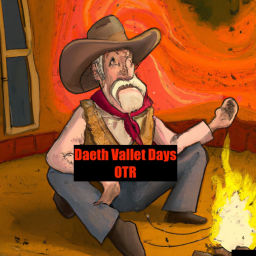
Podcast thumbnail for Death Valley Days- OTR

Death Valley Days- OTR

Claim This Podcast

by Inception Point AI

4 episodes
Updated Inactive
Accepts GuestsHas SponsorsLocation 🇺🇸

Podcast Overview

Emerging from the dusty archives of early radio, "Death Valley Days" stands as a testament to the power of dedication and a well-spun yarn. In 1930, New York Vassar graduate Ruth Woodman, brimming with enthusiasm but lacking first-hand desert experience, took on the challenge of creating a show centered around the untamed wilderness and its hardy inhabitants. Back then, much of the area remained raw and untamed, traversed by more trails than paved roads.Undeterred, Ruth embraced the rugged landscape. Each year, she'd become a desert nomad, trekking to ghost towns, dusty saloons, and rugged campsites on the fringes of Death Valley. Gas station attendants, weathered bartenders, and small-town journalists became her storytelling heroes, their memories and lived experiences the raw material for her narratives. She wasn't afraid to get her hands dirty, delving into old newspapers, exploring dusty museum exhibits, and scouring the West for any tidbit that whispered a forgotten tale.This relentless pursuit of authenticity paid off handsomely. "Death Valley Days" captivated audiences for over two decades, its vivid portraits of the Old West unmatched in their realism and drama. Later, it even crossed the threshold into television, with none other than Ronald Reagan gracing the screen as its host. The show's enduring legacy is a testament to Ruth's dedication, proving that even with no initial desert grit, a thirst for authentic storytelling can carve its own path through history. This content was created in partnership and with the help of Artificial Intelligence AI.

Language

🇺🇲

Publishing Since

1/10/2024

2 verified contact emails on file for Death Valley Days- OTR

Pitch yourself as a guest, propose sponsorships, or reach out directly to the host.

Recent Episodes

Episode thumbnail for Shoo Fly

January 10, 2024

Shoo Fly

Emerging from the dusty archives of early radio, "Death Valley Days" stands as a testament to the power of dedication and a well-spun yarn. In 1930, New York Vassar graduate Ruth Woodman, brimming with enthusiasm but lacking first-hand desert experience, took on the challenge of creating a show centered around the untamed wilderness and its hardy inhabitants. Back then, much of the area remained raw and untamed, traversed by more trails than paved roads.Undeterred, Ruth embraced the rugged landscape. Each year, she'd become a desert nomad, trekking to ghost towns, dusty saloons, and rugged campsites on the fringes of Death Valley. Gas station attendants, weathered bartenders, and small-town journalists became her storytelling heroes, their memories and lived experiences the raw material for her narratives. She wasn't afraid to get her hands dirty, delving into old newspapers, exploring dusty museum exhibits, and scouring the West for any tidbit that whispered a forgotten tale.This relentless pursuit of authenticity paid off handsomely. "Death Valley Days" captivated audiences for over two decades, its vivid portraits of the Old West unmatched in their realism and drama. Later, it even crossed the threshold into television, with none other than Ronald Reagan gracing the screen as its host. The show's enduring legacy is a testament to Ruth's dedication, proving that even with no initial desert grit, a thirst for authentic storytelling can carve its own path through history.

Episode thumbnail for The Buro Thayt had No Name

January 10, 2024

The Buro Thayt had No Name

Emerging from the dusty archives of early radio, "Death Valley Days" stands as a testament to the power of dedication and a well-spun yarn. In 1930, New York Vassar graduate Ruth Woodman, brimming with enthusiasm but lacking first-hand desert experience, took on the challenge of creating a show centered around the untamed wilderness and its hardy inhabitants. Back then, much of the area remained raw and untamed, traversed by more trails than paved roads.Undeterred, Ruth embraced the rugged landscape. Each year, she'd become a desert nomad, trekking to ghost towns, dusty saloons, and rugged campsites on the fringes of Death Valley. Gas station attendants, weathered bartenders, and small-town journalists became her storytelling heroes, their memories and lived experiences the raw material for her narratives. She wasn't afraid to get her hands dirty, delving into old newspapers, exploring dusty museum exhibits, and scouring the West for any tidbit that whispered a forgotten tale.This relentless pursuit of authenticity paid off handsomely. "Death Valley Days" captivated audiences for over two decades, its vivid portraits of the Old West unmatched in their realism and drama. Later, it even crossed the threshold into television, with none other than Ronald Reagan gracing the screen as its host. The show's enduring legacy is a testament to Ruth's dedication, proving that even with no initial desert grit, a thirst for authentic storytelling can carve its own path through history.

Episode thumbnail for Sam Bass

January 10, 2024

Sam Bass

Emerging from the dusty archives of early radio, "Death Valley Days" stands as a testament to the power of dedication and a well-spun yarn. In 1930, New York Vassar graduate Ruth Woodman, brimming with enthusiasm but lacking first-hand desert experience, took on the challenge of creating a show centered around the untamed wilderness and its hardy inhabitants. Back then, much of the area remained raw and untamed, traversed by more trails than paved roads.Undeterred, Ruth embraced the rugged landscape. Each year, she'd become a desert nomad, trekking to ghost towns, dusty saloons, and rugged campsites on the fringes of Death Valley. Gas station attendants, weathered bartenders, and small-town journalists became her storytelling heroes, their memories and lived experiences the raw material for her narratives. She wasn't afraid to get her hands dirty, delving into old newspapers, exploring dusty museum exhibits, and scouring the West for any tidbit that whispered a forgotten tale.This relentless pursuit of authenticity paid off handsomely. "Death Valley Days" captivated audiences for over two decades, its vivid portraits of the Old West unmatched in their realism and drama. Later, it even crossed the threshold into television, with none other than Ronald Reagan gracing the screen as its host. The show's enduring legacy is a testament to Ruth's dedication, proving that even with no initial desert grit, a thirst for authentic storytelling can carve its own path through history.

4 total episodes available

Deep-dive analytics for Death Valley Days- OTR

Frequently asked questions

Have a different question and can't find the answer you're looking for? Reach out to our support team by sending us an email and we'll get back to you as soon as we can.

What is Death Valley Days- OTR?

Emerging from the dusty archives of early radio, "Death Valley Days" stands as a testament to the power of dedication and a well-spun yarn. In 1930, New York Vassar graduate Ruth Woodman, brimming with enthusiasm but lacking first-hand desert experience, took on the challenge of creating a show centered around the untamed wilderness and its hardy inhabitants. Back then, much of the area remained raw and untamed, traversed by more trails than paved roads.Undeterred, Ruth embraced the rugged landscape. Each year, she'd become a desert nomad, trekking to ghost towns, dusty saloons, and rugged campsites on the fringes of Death Valley. Gas station attendants, weathered bartenders, and small-town journalists became her storytelling heroes, their memories and lived experiences the raw material for her narratives. She wasn't afraid to get her hands dirty, delving into old newspapers, exploring dusty museum exhibits, and scouring the West for any tidbit that whispered a forgotten tale.This relentless pursuit of authenticity paid off handsomely. "Death Valley Days" captivated audiences for over two decades, its vivid portraits of the Old West unmatched in their realism and drama. Later, it even crossed the threshold into television, with none other than Ronald Reagan gracing the screen as its host. The show's enduring legacy is a testament to Ruth's dedication, proving that even with no initial desert grit, a thirst for authentic storytelling can carve its own path through history.

This content was created in partnership and with the help of Artificial Intelligence AI.

How often does this podcast release new episodes?

This podcast updates inactive.

Where can I listen to this podcast?

This podcast is available on 6 platforms including Apple Podcasts, Spotify, and more. You can also use the RSS feed directly.

Does this podcast accept guests?

Information about guest appearances is not available.

Legal Disclaimer

Pod Engine is not affiliated with, endorsed by, or officially connected with any of the podcasts displayed on this platform. We operate independently as a podcast discovery and analytics service.

All podcast artwork, thumbnails, and content displayed on this page are the property of their respective owners and are protected by applicable copyright laws. This includes, but is not limited to, podcast cover art, episode artwork, show descriptions, episode titles, transcripts, audio snippets, and any other content originating from the podcast creators or their licensors.

We display this content under fair use principles and/or implied license for the purpose of podcast discovery, information, and commentary. We make no claim of ownership over any podcast content, artwork, or related materials shown on this platform. All trademarks, service marks, and trade names are the property of their respective owners.

While we strive to ensure all content usage is properly authorized, if you are a rights holder and believe your content is being used inappropriately or without proper authorization, please contact us immediately at hey@podengine.ai for prompt review and appropriate action, which may include content removal or proper attribution.

By accessing and using this platform, you acknowledge and agree to respect all applicable copyright laws and intellectual property rights of content owners. Any unauthorized reproduction, distribution, or commercial use of the content displayed on this platform is strictly prohibited.