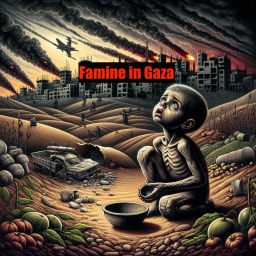
Podcast thumbnail for Famine in Gaza

Famine in Gaza

Claim This Podcast

by Inception Point AI

1 episodes
Updated Weekly
Accepts GuestsHas SponsorsLocation 🇮🇱

Podcast Overview

Famine in Gaze: A Deepening Crisis The Gaza Strip is facing a severe famine crisis, exacerbated by a combination of Israeli airstrikes, blockades, and restrictions on humanitarian aid. This article explores the origins, current situation, and the humanitarian response to the famine in Gaza. The Gaza Strip has long been subject to political and economic challenges. Since Israel's occupation in 1967 and subsequent blockades, Gaza's economy has deteriorated significantly. The blockade has restricted the flow of essential goods and services, leading to chronic food insecurity. The Oslo Accords in the 1990s initially raised hopes for peace and economic development in Gaza. However, the collapse of the peace process led to further instability. The Second Intifada (2000-2005) caused severe disruptions to daily life and economic activities in Gaza. Subsequent Israeli military operations, including Operation Cast Lead (2008-2009), Operation Pillar of Defense (2012), and Operation Protective Edge (2014), further devastated Gaza’s infrastructure. Since 2007, following Hamas’s takeover of Gaza, Israel and Egypt have imposed a blockade on the Strip. This blockade has severely restricted the movement of people and goods, stifling the economy and contributing to high unemployment rates. The blockade has also limited access to essential services, such as healthcare and education, exacerbating the humanitarian crisis. The situation worsened dramatically following the 2023 Israel-Hamas war. Israeli airstrikes targeted critical infrastructure, including bakeries and food warehouses, while the blockade on food and essential supplies intensified. By October 2023, food stocks in Gaza were nearly depleted, and the population began experiencing severe hunger. The airstrikes destroyed a significant portion of Gaza's agricultural land, bakeries, and food storage facilities. Additionally, environmental damage from bombings has polluted water sources and rendered agricultural land unusable. This destruction has compounded the difficulty of obtaining food and clean water, pushing the population further into crisis. The destruction of healthcare facilities and the lack of medical supplies have led to a collapse in health services. Diseases related to malnutrition, such as anemia and stunting in children, have become widespread. The bombing of water and sewage infrastructure has caused severe sanitation issues, leading to outbreaks of waterborne diseases. The blockade and ongoing conflict have also severely impacted education. Many schools have been damaged or destroyed, and those that remain are often overcrowded and under-resourced. The psychological trauma from the conflict has further affected children’s ability to learn and thrive. The Growing Threat of Famine By late 2023, international organizations such as the World Food Programme and UNICEF warned of imminent famine. Reports indicated that nearly the entire population of Gaza faced acute food insecurity This content was created in partnership and with the help of Artificial Intelligence AI.

Language

🇺🇲

Publishing Since

5/22/2024

2 verified contact emails on file for Famine in Gaza

Pitch yourself as a guest, propose sponsorships, or reach out directly to the host.

Recent Episodes

Episode thumbnail for Famine in Gaza

May 22, 2024

Famine in Gaza

<br />Famine in Gaze: A Deepening Crisis <br /><br />The Gaza Strip is facing a severe famine crisis, exacerbated by a combination of Israeli airstrikes, blockades, and restrictions on humanitarian aid. This article explores the origins, current situation, and the humanitarian response to the famine in Gaza. <br /><br />The Gaza Strip has long been subject to political and economic challenges. Since Israel's occupation in 1967 and subsequent blockades, Gaza's economy has deteriorated significantly. The blockade has restricted the flow of essential goods and services, leading to chronic food insecurity. <br /><br />The Oslo Accords in the 1990s initially raised hopes for peace and economic development in Gaza. However, the collapse of the peace process led to further instability. The Second Intifada (2000-2005) caused severe disruptions to daily life and economic activities in Gaza. Subsequent Israeli military operations, including Operation Cast Lead (2008-2009), Operation Pillar of Defense (2012), and Operation Protective Edge (2014), further devastated Gaza’s infrastructure. <br />Since 2007, following Hamas’s takeover of Gaza, Israel and Egypt have imposed a blockade on the Strip. This blockade has severely restricted the movement of people and goods, stifling the economy and contributing to high unemployment rates. The blockade has also limited access to essential services, such as healthcare and education, exacerbating the humanitarian crisis. <br />The situation worsened dramatically following the 2023 Israel-Hamas war. Israeli airstrikes targeted critical infrastructure, including bakeries and food warehouses, while the blockade on food and essential supplies intensified. By October 2023, food stocks in Gaza were nearly depleted, and the population began experiencing severe hunger. <br />The airstrikes destroyed a significant portion of Gaza's agricultural land, bakeries, and food storage facilities. Additionally, environmental damage from bombings has polluted water sources and rendered agricultural land unusable. This destruction has compounded the difficulty of obtaining food and clean water, pushing the population further into crisis. <br /><br />The destruction of healthcare facilities and the lack of medical supplies have led to a collapse in health services. Diseases related to malnutrition, such as anemia and stunting in children, have become widespread. The bombing of water and sewage infrastructure has caused severe sanitation issues, leading to outbreaks of waterborne diseases. <br /><br />The blockade and ongoing conflict have also severely impacted education. Many schools have been damaged or destroyed, and those that remain are often overcrowded and under-resourced. The psychological trauma from the conflict has further affected children’s ability to learn and thrive. <br />The Growing Threat of Famine <br />By late 2023, international organizations such as the World Food Programme and UNICEF warned of imminent famine. Reports indicated that nearly the entire population of Gaza faced acute food insecurity, with many surviving on minimal rations. The blockade prevented adequate humanitarian aid from reaching those in need, exacerbating the situation. <br /><br />Individual accounts from Gaza paint a grim picture of daily life. Families describe surviving on one meal a day, often consisting of bread and tea. Children suffer from malnutrition, and parents struggle to find basic necessities. These personal stories highlight the human cost of the ongoing crisis and underscore the urgent need for intervention. <br /><br />Despite efforts by international organizations to provide relief, the blockade and ongoing conflict have hindered the delivery of aid. The United Nations and various NGOs have called for an immediate lifting of the blockade and increased access for humanitarian aid. However, accusations of aid theft and the destruction of aid convoys have further complicated relief efforts. <br /><br />The international community has been vocal in condemning the blockade and the humanitarian crisis in Gaza. Various countries and international bodies have provided financial aid and called for political solutions to end the blockade. However, geopolitical dynamics often hinder coordinated action, and efforts to broker peace have repeatedly stalled. <br />Defining Famine <br />A famine is formally declared when certain critical thresholds are met, as defined by the Integrated Food Security Phase Classification (IPC) system. These thresholds include: <br />1. At least 20% of households in an area facing extreme food shortages with limited ability to cope. 2. Acute malnutrition rates exceeding 30% among children. 3. Death rates exceeding 2 per 10,000 people per day. <br />These criteria ensure that famine is only declared in the most severe circumstances, necessitating an urgent and comprehensive humanitarian response. <br />Recent Developments <br />As of early 2024, the famine in Gaza has intensified. The United Nations has reported that 97% of households have inadequate food consumption, and half a million people are facing starvation. The situation has prompted calls for a formal declaration of famine, but political complexities have delayed such an announcement. <br />Political Implications <br />The famine in Gaza has significant political implications. It has intensified the conflict between Israel and Hamas, with each side blaming the other for the humanitarian crisis. The situation has also strained relations between Israel and neighboring countries, particularly Egypt, which controls the southern border of Gaza. Additionally, the crisis has drawn international attention to the broader Israeli-Palestinian conflict, highlighting the urgent need for a lasting political solution. <br /><br /><br />The long-term consequences of the famine are likely to be severe. Prolonged malnutrition and lack of access to healthcare will have lasting impacts on the population's health, particularly among children. The destruction of infrastructure and ongoing conflict will hinder economic recovery and development, perpetuating the cycle of poverty and instability in Gaza. <br /><br />The blockade and conflict have devastated Gaza’s economy. Unemployment rates have soared, particularly among young people. The destruction of businesses and agricultural land has further limited economic opportunities. The economic collapse has exacerbated food insecurity, as many families cannot afford to buy what little food is available. <br /><br />The psychological impact of the conflict and famine is profound. Many residents, particularly children, suffer from post-traumatic stress disorder (PTSD) and other mental health issues. The constant fear of violence, coupled with the daily struggle to find food and basic necessities, has created a pervasive sense of hopelessness and despair. <br /><br />The environmental impact of the conflict is also significant. Bombings have polluted water sources and destroyed agricultural land. The destruction of sewage infrastructure has led to contamination of water supplies, causing health problems and further limiting access to clean water. These environmental issues will have long-term consequences for the health and livelihoods of Gaza’s residents. <br /><br />The future of Gaza remains uncertain. Without significant international intervention and a political resolution to the conflict, the humanitarian crisis is likely to continue. Efforts to rebuild and recover will be hampered by ongoing violence and the blockade. However, there are also glimmers of hope, as various organizations and individuals continue to work tirelessly to provide aid and advocate for peace. <br /><br />The Gaza Strip famine represents one of the most severe humanitarian crises in recent history. The combination of conflict, blockade, and environmental destruction has created a dire situation for the population. Immediate international intervention is crucial to address the crisis and prevent further loss of life. The international community must act swiftly to lift the blockade, provide humanitarian aid, and work towards a lasting political solution to ensure the people of Gaza can rebuild their lives and their future. <br />Thanks for listening. Remember to like and share wherever you get your podcasts.

1 total episodes available

Deep-dive analytics for Famine in Gaza

Frequently asked questions

Have a different question and can't find the answer you're looking for? Reach out to our support team by sending us an email and we'll get back to you as soon as we can.

What is Famine in Gaza?

Famine in Gaze: A Deepening Crisis

The Gaza Strip is facing a severe famine crisis, exacerbated by a combination of Israeli airstrikes, blockades, and restrictions on humanitarian aid. This article explores the origins, current situation, and the humanitarian response to the famine in Gaza.

The Gaza Strip has long been subject to political and economic challenges. Since Israel's occupation in 1967 and subsequent blockades, Gaza's economy has deteriorated significantly. The blockade has restricted the flow of essential goods and services, leading to chronic food insecurity.

The Oslo Accords in the 1990s initially raised hopes for peace and economic development in Gaza. However, the collapse of the peace process led to further instability. The Second Intifada (2000-2005) caused severe disruptions to daily life and economic activities in Gaza. Subsequent Israeli military operations, including Operation Cast Lead (2008-2009), Operation Pillar of Defense (2012), and Operation Protective Edge (2014), further devastated Gaza’s infrastructure. Since 2007, following Hamas’s takeover of Gaza, Israel and Egypt have imposed a blockade on the Strip. This blockade has severely restricted the movement of people and goods, stifling the economy and contributing to high unemployment rates. The blockade has also limited access to essential services, such as healthcare and education, exacerbating the humanitarian crisis. The situation worsened dramatically following the 2023 Israel-Hamas war. Israeli airstrikes targeted critical infrastructure, including bakeries and food warehouses, while the blockade on food and essential supplies intensified. By October 2023, food stocks in Gaza were nearly depleted, and the population began experiencing severe hunger. The airstrikes destroyed a significant portion of Gaza's agricultural land, bakeries, and food storage facilities. Additionally, environmental damage from bombings has polluted water sources and rendered agricultural land unusable. This destruction has compounded the difficulty of obtaining food and clean water, pushing the population further into crisis.

The destruction of healthcare facilities and the lack of medical supplies have led to a collapse in health services. Diseases related to malnutrition, such as anemia and stunting in children, have become widespread. The bombing of water and sewage infrastructure has caused severe sanitation issues, leading to outbreaks of waterborne diseases.

The blockade and ongoing conflict have also severely impacted education. Many schools have been damaged or destroyed, and those that remain are often overcrowded and under-resourced. The psychological trauma from the conflict has further affected children’s ability to learn and thrive. The Growing Threat of Famine By late 2023, international organizations such as the World Food Programme and UNICEF warned of imminent famine. Reports indicated that nearly the entire population of Gaza faced acute food insecurity

This content was created in partnership and with the help of Artificial Intelligence AI.

How often does this podcast release new episodes?

This podcast updates weekly.

Where can I listen to this podcast?

This podcast is available on 8 platforms including Apple Podcasts, Spotify, and more. You can also use the RSS feed directly.

Does this podcast accept guests?

Yes, this podcast regularly features guests.

Legal Disclaimer

Pod Engine is not affiliated with, endorsed by, or officially connected with any of the podcasts displayed on this platform. We operate independently as a podcast discovery and analytics service.

All podcast artwork, thumbnails, and content displayed on this page are the property of their respective owners and are protected by applicable copyright laws. This includes, but is not limited to, podcast cover art, episode artwork, show descriptions, episode titles, transcripts, audio snippets, and any other content originating from the podcast creators or their licensors.

We display this content under fair use principles and/or implied license for the purpose of podcast discovery, information, and commentary. We make no claim of ownership over any podcast content, artwork, or related materials shown on this platform. All trademarks, service marks, and trade names are the property of their respective owners.

While we strive to ensure all content usage is properly authorized, if you are a rights holder and believe your content is being used inappropriately or without proper authorization, please contact us immediately at hey@podengine.ai for prompt review and appropriate action, which may include content removal or proper attribution.

By accessing and using this platform, you acknowledge and agree to respect all applicable copyright laws and intellectual property rights of content owners. Any unauthorized reproduction, distribution, or commercial use of the content displayed on this platform is strictly prohibited.