
Fisher’s treatment of the history of Finland, in the context of its relations with Russia, was released in 1899—at the start of the first attempted wave of Russification. At this time, it seems, many Finns regarded it as a misunderstanding. A mistake. Not a contrivance of Nicholas II, but a villainy emanating instead, fen-sucked, from the sinister Russian state machinery—the fief of a myopic and obdurate cadre of supremacists and absolutists. Men like the rabid anti-semite Konstantin Pobedonostsev who, by the camera's harsh testimony, seems to have died long before he stopped coming in to work, and like Ivan Goremykin who in an ironic twist of fate would not so very much later – after 1906 – have to stretch his mind to try to contend with the obscenity of constitutional monarchy at home. Men who all nursed a bitter grudge at the perceived slight to their omnipotence called Finland.<br /><br />The long-standing arrangements and understandings between Finland and the Tsars had up to this time, for the better part of a century, served both parties very well. And would undoubtedly have stood Russia in good stead into the twentieth century. Every Tsar reaffirmed a solemn pledge to maintain the Fundamental Laws underpinning the constitutional order, to uphold Alexander I's promise to respect "their religion, their laws, their liberties and their rights." Every Tsar honored it—until Nicholas II. In return, Finland turned its back on Sweden to stand at Russia's side bringing with it a domain which was loyal, orderly and industrious and soon enough became highly educated and prosperous too. Regardless of the shocks and reversals the Empire encountered, the Grand Duchy was unwavering so far as imperial internal security went, producing never "...a conspirator or an agitator against Russia. It provided instead generals for her armies and admirals for her fleet."<br /><br />Subversion and coercion efforts against the Finnish state would be abruptly halted in the immediate aftermath of the bitter defeat meted out by Japan in 1905; Saint Petersburg had unrest aplenty across its vast and ethnically diverse extent without manufacturing more. These efforts would resume.<br /><br />Finland would be driven to, at the first opportunity, declare independence in 1917.<br /><br />The events of the twentieth century would be profoundly influenced by the collapse of Russo-Finnish cooperation, by the Winter War and by Finland’s politics and diplomatic efforts during the Cold War.<br /><br />While the impact of some of these developments may be seen as broadly beneficial to Europe, much of it was to the critical detriment of the prevailing political orders in Russia.<br /><br />(Summary by Alister)
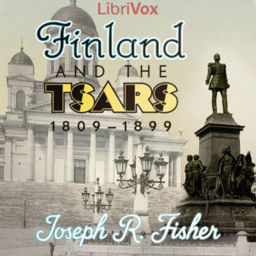
Finland and the Tsars, by Joseph R. Fisher
Claim This Podcastby Dream audio books
Podcast Overview
Fisher’s treatment of the history of Finland, in the context of its relations with Russia, was released in 1899—at the start of the first attempted wave of Russification. At this time, it seems, many Finns regarded it as a misunderstanding. A mistake. Not a contrivance of Nicholas II, but a villainy emanating instead, fen-sucked, from the sinister Russian state machinery—the fief of a myopic and obdurate cadre of supremacists and absolutists. Men like the rabid anti-semite Konstantin Pobedonostsev who, by the camera's harsh testimony, seems to have died long before he stopped coming in to work, and like Ivan Goremykin who in an ironic twist of fate would not so very much later – after 1906 – have to stretch his mind to try to contend with the obscenity of constitutional monarchy at home. Men who all nursed a bitter grudge at the perceived slight to their omnipotence called Finland.<br /><br />The long-standing arrangements and understandings between Finland and the Tsars had up to this time, for the better part of a century, served both parties very well. And would undoubtedly have stood Russia in good stead into the twentieth century. Every Tsar reaffirmed a solemn pledge to maintain the Fundamental Laws underpinning the constitutional order, to uphold Alexander I's promise to respect "their religion, their laws, their liberties and their rights." Every Tsar honored it—until Nicholas II. In return, Finland turned its back on Sweden to stand at Russia's side bringing with it a domain which was loyal, orderly and industrious and soon enough became highly educated and prosperous too. Regardless of the shocks and reversals the Empire encountered, the Grand Duchy was unwavering so far as imperial internal security went, producing never "...a conspirator or an agitator against Russia. It provided instead generals for her armies and admirals for her fleet."<br /><br />Subversion and coercion efforts against the Finnish state would be abruptly halted in the immediate aftermath of the bitter defeat meted out by Japan in 1905; Saint Petersburg had unrest aplenty across its vast and ethnically diverse extent without manufacturing more. These efforts would resume.<br /><br />Finland would be driven to, at the first opportunity, declare independence in 1917.<br /><br />The events of the twentieth century would be profoundly influenced by the collapse of Russo-Finnish cooperation, by the Winter War and by Finland’s politics and diplomatic efforts during the Cold War.<br /><br />While the impact of some of these developments may be seen as broadly beneficial to Europe, much of it was to the critical detriment of the prevailing political orders in Russia.<br /><br />(Summary by Alister)
Language
🇺🇲
Publishing Since
8/31/2024
1 verified contact email on file for Finland and the Tsars, by Joseph R. Fisher
Pitch yourself as a guest, propose sponsorships, or reach out directly to the host.
Recent Episodes
August 31, 2024
Chapter 16 - The Next Step?
August 31, 2024
Chapter 15 - The Constitutional Argument
August 31, 2024
Chapter 14b - The Reply to the Tsar, Part 2
20 total episodes available
Deep-dive analytics for Finland and the Tsars, by Joseph R. Fisher
Frequently asked questions
Have a different question and can't find the answer you're looking for? Reach out to our support team by sending us an email and we'll get back to you as soon as we can.
- What is Finland and the Tsars, by Joseph R. Fisher?
- How often does this podcast release new episodes?
This podcast updates weekly.
- Where can I listen to this podcast?
This podcast is available on 8 platforms including Apple Podcasts, Spotify, and more. You can also use the RSS feed directly.
- Does this podcast accept guests?
Information about guest appearances is not available.
Legal Disclaimer
Pod Engine is not affiliated with, endorsed by, or officially connected with any of the podcasts displayed on this platform. We operate independently as a podcast discovery and analytics service.
All podcast artwork, thumbnails, and content displayed on this page are the property of their respective owners and are protected by applicable copyright laws. This includes, but is not limited to, podcast cover art, episode artwork, show descriptions, episode titles, transcripts, audio snippets, and any other content originating from the podcast creators or their licensors.
We display this content under fair use principles and/or implied license for the purpose of podcast discovery, information, and commentary. We make no claim of ownership over any podcast content, artwork, or related materials shown on this platform. All trademarks, service marks, and trade names are the property of their respective owners.
While we strive to ensure all content usage is properly authorized, if you are a rights holder and believe your content is being used inappropriately or without proper authorization, please contact us immediately at hey@podengine.ai for prompt review and appropriate action, which may include content removal or proper attribution.
By accessing and using this platform, you acknowledge and agree to respect all applicable copyright laws and intellectual property rights of content owners. Any unauthorized reproduction, distribution, or commercial use of the content displayed on this platform is strictly prohibited.