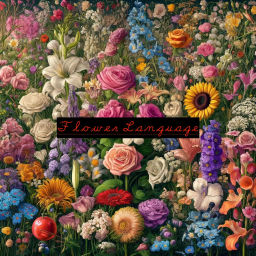
Podcast thumbnail for Flower Language

Flower Language

Claim This Podcast

by Inception Point AI

1 episodes
Updated Weekly
Accepts GuestsHas SponsorsLocation 🇬🇧

Podcast Overview

The Fascinating World of Flower Language In the vast tapestry of nature, flowers have long held a special place in the hearts of human beings. These delicate and vibrant blooms not only add beauty to our world but have also been imbued with deep symbolic meanings and messages throughout history. This practice of attributing significance to different flowers and their arrangements is known as flower language or floriography. As we embark on this journey to explore the fascinating world of flower language, it is essential to understand its origins and evolution. The practice of assigning meanings to flowers can be traced back to ancient civilizations, such as China, Egypt, and Greece. In these cultures, flowers were often associated with deities, mythological figures, or spiritual beliefs. For instance, in ancient Egypt, the lotus flower was seen as a symbol of rebirth and regeneration, while in Greek mythology, the narcissus was linked to the tale of a vain youth who fell in love with his own reflection. However, it was during the Victorian era in England that flower language truly flourished and gained widespread popularity. In a society where strict social norms and etiquette often limited direct expression of feelings, flowers became a subtle and elegant way to convey emotions and messages. The Victorians elevated floriography to an art form, creating intricate bouquets and arrangements that could communicate complex sentiments without uttering a single word. The meanings assigned to flowers in the language of floriography are based on various factors, such as the flower's color, species, and historical or cultural associations. Take, for example, the rose – a flower that has captured the human imagination for centuries. In the language of flowers, the color of a rose holds particular significance. A red rose, with its deep, passionate hue, symbolizes love and desire, making it a quintessential choice for expressing romantic affection. On the other hand, a yellow rose, with its bright and cheerful appearance, represents friendship, joy, or even an apology, depending on the context. The symbolism of flowers extends beyond individual blooms, as the way flowers are arranged or combined can also convey different messages. In the Victorian era, great attention was paid to the intricacies of bouquet composition. A bouquet tied with a ribbon to the left was said to signify that the giver's heart was committed, while a ribbon tied to the right suggested the opposite. The inclusion of certain herbs, foliage, or even the way the flowers were presented – such as upright or inverted – could all contribute to the overall meaning of the arrangement. As we delve deeper into the world of flower language, it becomes evident that the meanings associated with flowers are not universal and can vary greatly across different cultures and time periods. What a flower symbolizes in one culture may have a different or even contradictory meaning in another. For ins This content was created in partnership and with the help of Artificial Intelligence AI.

Language

🇺🇲

Publishing Since

4/24/2024

2 verified contact emails on file for Flower Language

Pitch yourself as a guest, propose sponsorships, or reach out directly to the host.

Recent Episodes

Episode thumbnail for Flower Language

April 24, 2024

Flower Language

<br />The Fascinating World of Flower Language <br />In the vast tapestry of nature, flowers have long held a special place in the hearts of human beings. These delicate and vibrant blooms not only add beauty to our world but have also been imbued with deep symbolic meanings and messages throughout history. This practice of attributing significance to different flowers and their arrangements is known as flower language or floriography. <br />As we embark on this journey to explore the fascinating world of flower language, it is essential to understand its origins and evolution. The practice of assigning meanings to flowers can be traced back to ancient civilizations, such as China, Egypt, and Greece. In these cultures, flowers were often associated with deities, mythological figures, or spiritual beliefs. For instance, in ancient Egypt, the lotus flower was seen as a symbol of rebirth and regeneration, while in Greek mythology, the narcissus was linked to the tale of a vain youth who fell in love with his own reflection. <br />However, it was during the Victorian era in England that flower language truly flourished and gained widespread popularity. In a society where strict social norms and etiquette often limited direct expression of feelings, flowers became a subtle and elegant way to convey emotions and messages. The Victorians elevated floriography to an art form, creating intricate bouquets and arrangements that could communicate complex sentiments without uttering a single word. <br />The meanings assigned to flowers in the language of floriography are based on various factors, such as the flower's color, species, and historical or cultural associations. Take, for example, the rose – a flower that has captured the human imagination for centuries. In the language of flowers, the color of a rose holds particular significance. A red rose, with its deep, passionate hue, symbolizes love and desire, making it a quintessential choice for expressing romantic affection. On the other hand, a yellow rose, with its bright and cheerful appearance, represents friendship, joy, or even an apology, depending on the context. <br />The symbolism of flowers extends beyond individual blooms, as the way flowers are arranged or combined can also convey different messages. In the Victorian era, great attention was paid to the intricacies of bouquet composition. A bouquet tied with a ribbon to the left was said to signify that the giver's heart was committed, while a ribbon tied to the right suggested the opposite. The inclusion of certain herbs, foliage, or even the way the flowers were presented – such as upright or inverted – could all contribute to the overall meaning of the arrangement. <br />As we delve deeper into the world of flower language, it becomes evident that the meanings associated with flowers are not universal and can vary greatly across different cultures and time periods. What a flower symbolizes in one culture may have a different or even contradictory meaning in another. For instance, while white lilies are often associated with purity and rebirth in Western cultures, they are frequently used in funeral arrangements in many Asian countries, symbolizing death and mourning. <br />This cultural diversity in flower language adds to its richness and complexity, reminding us that the symbolism of flowers is deeply intertwined with the beliefs, traditions, and histories of the societies in which they are found. <br />Flower language has also left an indelible mark on literature and art, serving as a powerful tool for writers and artists to convey hidden or subtle messages, add depth to symbolism, or evoke specific emotions in their audience. In William Shakespeare's play "Hamlet," the character Ophelia famously distributes different flowers to the members of the court, each carrying a symbolic meaning that reflects her state of mind and the tensions within the play. Similarly, in the Pre-Raphaelite art movement of the 19th century, flowers were often incorporated into paintings as symbols of beauty, purity, or other virtues, adding layers of meaning to the artwork. <br />As we continue our exploration of flower language, it is fascinating to consider how this practice has evolved and adapted over time. In the modern era, while the strict adherence to Victorian-era floriography may have waned, the symbolic power of flowers remains evident in various contexts. Floral arrangements continue to play a significant role in marking special occasions, such as weddings, funerals, or anniversaries, where the choice of flowers can hold deep personal or cultural significance. <br />In a world where rapid technological advancements and digital communication have become the norm, the enduring presence of flower language serves as a reminder of the importance of tradition, symbolism, and the innate human need for meaningful connection. The act of giving or receiving flowers, carefully chosen for their symbolic meaning, can convey emotions and sentiments that words alone may sometimes fail to express. <br />Moreover, the study of flower language offers us a unique lens through which to appreciate the incredible diversity and beauty of the natural world. Each flower, with its distinct colors, shapes, and fragrances, has a story to tell – a story that is intricately connected to the cultures, histories, and emotions of the human beings who have cherished them throughout the ages. <br />As we conclude our journey through the fascinating world of flower language, it is clear that this practice is more than just a quaint relic of the past. It is a testament to the enduring power of symbolism, the richness of human culture, and the deep-rooted connection between nature and the human experience. In a world that often feels increasingly disconnected and fast-paced, the language of flowers offers us a moment of pause, a chance to reflect on the beauty and meaning that can be found in the simplest of blooms. <br />So the next time you encounter a flower, whether in a carefully arranged bouquet or growing wild in a meadow, take a moment to consider the symbolic weight it may carry. Remember that each blossom has the potential to tell a story, to convey an emotion, or to forge a connection between individuals and cultures separated by time and space. <br />In the end, the language of flowers reminds us that beauty and meaning can be found in the most unexpected places, and that the natural world has much to teach us about ourselves and the intricate tapestry of life in which we are all interwoven. By embracing the symbolism and significance of flowers, we not only honor the traditions of the past but also cultivate a deeper appreciation for the wonders of the present and the possibilities of the future. <br />As we continue to navigate the complexities of our modern world, let us not forget the simple, yet profound, power of a flower – to inspire, to console, to celebrate, and to connect us to the timeless beauty and wisdom of the natural world. For in the language of flowers, we may just find the key to unlocking the secrets of the human heart and the mysteries of life itself. Thanks for listening to Quiet Please. Remember to like and share wherever you get your podcasts.

1 total episodes available

Deep-dive analytics for Flower Language

Frequently asked questions

Have a different question and can't find the answer you're looking for? Reach out to our support team by sending us an email and we'll get back to you as soon as we can.

What is Flower Language?

The Fascinating World of Flower Language In the vast tapestry of nature, flowers have long held a special place in the hearts of human beings. These delicate and vibrant blooms not only add beauty to our world but have also been imbued with deep symbolic meanings and messages throughout history. This practice of attributing significance to different flowers and their arrangements is known as flower language or floriography. As we embark on this journey to explore the fascinating world of flower language, it is essential to understand its origins and evolution. The practice of assigning meanings to flowers can be traced back to ancient civilizations, such as China, Egypt, and Greece. In these cultures, flowers were often associated with deities, mythological figures, or spiritual beliefs. For instance, in ancient Egypt, the lotus flower was seen as a symbol of rebirth and regeneration, while in Greek mythology, the narcissus was linked to the tale of a vain youth who fell in love with his own reflection. However, it was during the Victorian era in England that flower language truly flourished and gained widespread popularity. In a society where strict social norms and etiquette often limited direct expression of feelings, flowers became a subtle and elegant way to convey emotions and messages. The Victorians elevated floriography to an art form, creating intricate bouquets and arrangements that could communicate complex sentiments without uttering a single word. The meanings assigned to flowers in the language of floriography are based on various factors, such as the flower's color, species, and historical or cultural associations. Take, for example, the rose – a flower that has captured the human imagination for centuries. In the language of flowers, the color of a rose holds particular significance. A red rose, with its deep, passionate hue, symbolizes love and desire, making it a quintessential choice for expressing romantic affection. On the other hand, a yellow rose, with its bright and cheerful appearance, represents friendship, joy, or even an apology, depending on the context. The symbolism of flowers extends beyond individual blooms, as the way flowers are arranged or combined can also convey different messages. In the Victorian era, great attention was paid to the intricacies of bouquet composition. A bouquet tied with a ribbon to the left was said to signify that the giver's heart was committed, while a ribbon tied to the right suggested the opposite. The inclusion of certain herbs, foliage, or even the way the flowers were presented – such as upright or inverted – could all contribute to the overall meaning of the arrangement. As we delve deeper into the world of flower language, it becomes evident that the meanings associated with flowers are not universal and can vary greatly across different cultures and time periods. What a flower symbolizes in one culture may have a different or even contradictory meaning in another. For ins

This content was created in partnership and with the help of Artificial Intelligence AI.

How often does this podcast release new episodes?

This podcast updates weekly.

Where can I listen to this podcast?

This podcast is available on 8 platforms including Apple Podcasts, Spotify, and more. You can also use the RSS feed directly.

Does this podcast accept guests?

Yes, this podcast regularly features guests.

Legal Disclaimer

Pod Engine is not affiliated with, endorsed by, or officially connected with any of the podcasts displayed on this platform. We operate independently as a podcast discovery and analytics service.

All podcast artwork, thumbnails, and content displayed on this page are the property of their respective owners and are protected by applicable copyright laws. This includes, but is not limited to, podcast cover art, episode artwork, show descriptions, episode titles, transcripts, audio snippets, and any other content originating from the podcast creators or their licensors.

We display this content under fair use principles and/or implied license for the purpose of podcast discovery, information, and commentary. We make no claim of ownership over any podcast content, artwork, or related materials shown on this platform. All trademarks, service marks, and trade names are the property of their respective owners.

While we strive to ensure all content usage is properly authorized, if you are a rights holder and believe your content is being used inappropriately or without proper authorization, please contact us immediately at hey@podengine.ai for prompt review and appropriate action, which may include content removal or proper attribution.

By accessing and using this platform, you acknowledge and agree to respect all applicable copyright laws and intellectual property rights of content owners. Any unauthorized reproduction, distribution, or commercial use of the content displayed on this platform is strictly prohibited.