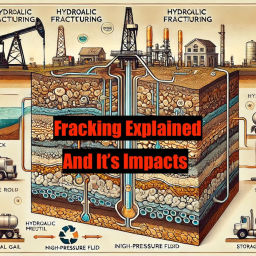
Podcast thumbnail for Fracking Explained

Fracking Explained

Claim This Podcast

by Inception Point AI

1 episodes
Updated Weekly
Accepts GuestsHas SponsorsLocation 🇺🇸

Podcast Overview

Fracking Explained Hydraulic fracturing, commonly known as fracking, has become one of the most controversial and transformative energy extraction techniques of the 21st century. This practice has revolutionized the oil and gas industry, particularly in the United States, leading to a dramatic increase in domestic energy production and reshaping global energy markets. However, it has also sparked intense debates over its environmental impact, safety concerns, and long-term sustainability. This article aims to provide a comprehensive overview of fracking, exploring its history, process, economic impact, environmental concerns, and future prospects. The concept of fracking dates back to the 1860s when liquid nitroglycerin was used to stimulate shallow, hard rock wells in Pennsylvania, New York, Kentucky, and West Virginia. However, the modern era of hydraulic fracturing began in the 1940s when the first commercially successful applications were performed in the United States. The technique was further developed and refined over the subsequent decades, with significant advancements in the 1970s and 1980s. The true game-changer came in the late 1990s and early 2000s when fracking was combined with horizontal drilling techniques. This combination allowed for the extraction of oil and gas from previously inaccessible shale formations, leading to what has been termed the "shale revolution." The Barnett Shale in Texas was the first major shale gas formation to be developed using these techniques, paving the way for the rapid expansion of fracking across the United States and, eventually, other parts of the world. At its core, fracking is a well stimulation technique used to extract oil and gas from deep rock formations. The process begins with the drilling of a well vertically into the earth, often to depths of one to two miles. Once the desired depth is reached, the well is then turned horizontally, extending into the targeted rock layer for several thousand feet. This horizontal section allows for greater access to the oil or gas-bearing rock formation. After the well is drilled and cased with steel pipe, a perforating gun is lowered into the well. This device uses explosive charges to create small holes in the casing and cement, extending a short distance into the rock formation. These perforations create a connection between the rock formation and the well. The next step is the actual fracturing process. A mixture of water, sand, and chemicals – known as fracking fluid – is pumped into the well at extremely high pressures, typically ranging from 9,000 to 15,000 pounds per square inch. This immense pressure causes the rock formation to crack or fracture, creating fissures and pathways through which oil and gas can flow more freely. The sand in the fracking fluid, also known as proppant, plays a crucial role in this process. As the fluid is pumped out of the well, the sand remains behind, propping open the newly created fractures and allowing oil and g This content was created in partnership and with the help of Artificial Intelligence AI.

Language

🇺🇲

Publishing Since

8/6/2024

2 verified contact emails on file for Fracking Explained

Pitch yourself as a guest, propose sponsorships, or reach out directly to the host.

Recent Episodes

Episode thumbnail for Fracking Expplained and it's Impacts

August 6, 2024

Fracking Expplained and it's Impacts

Fracking Explained Hydraulic fracturing, commonly known as fracking, has become one of the most controversial and transformative energy extraction techniques of the 21st century. This practice has revolutionized the oil and gas industry, particularly in the United States, leading to a dramatic increase in domestic energy production and reshaping global energy markets. However, it has also sparked intense debates over its environmental impact, safety concerns, and long-term sustainability. This article aims to provide a comprehensive overview of fracking, exploring its history, process, economic impact, environmental concerns, and future prospects. The concept of fracking dates back to the 1860s when liquid nitroglycerin was used to stimulate shallow, hard rock wells in Pennsylvania, New York, Kentucky, and West Virginia. However, the modern era of hydraulic fracturing began in the 1940s when the first commercially successful applications were performed in the United States. The technique was further developed and refined over the subsequent decades, with significant advancements in the 1970s and 1980s. The true game-changer came in the late 1990s and early 2000s when fracking was combined with horizontal drilling techniques. This combination allowed for the extraction of oil and gas from previously inaccessible shale formations, leading to what has been termed the "shale revolution." The Barnett Shale in Texas was the first major shale gas formation to be developed using these techniques, paving the way for the rapid expansion of fracking across the United States and, eventually, other parts of the world. At its core, fracking is a well stimulation technique used to extract oil and gas from deep rock formations. The process begins with the drilling of a well vertically into the earth, often to depths of one to two miles. Once the desired depth is reached, the well is then turned horizontally, extending into the targeted rock layer for several thousand feet. This horizontal section allows for greater access to the oil or gas-bearing rock formation. After the well is drilled and cased with steel pipe, a perforating gun is lowered into the well. This device uses explosive charges to create small holes in the casing and cement, extending a short distance into the rock formation. These perforations create a connection between the rock formation and the well. The next step is the actual fracturing process. A mixture of water, sand, and chemicals – known as fracking fluid – is pumped into the well at extremely high pressures, typically ranging from 9,000 to 15,000 pounds per square inch. This immense pressure causes the rock formation to crack or fracture, creating fissures and pathways through which oil and gas can flow more freely. The sand in the fracking fluid, also known as proppant, plays a crucial role in this process. As the fluid is pumped out of the well, the sand remains behind, propping open the newly created fractures and allowing oil and gas to continue flowing into the well. The chemicals in the fracking fluid serve various purposes, including reducing friction, preventing corrosion of the well casing, and inhibiting the growth of bacteria that could contaminate the hydrocarbons. Once the fracturing process is complete, the pressure is released, and the fracking fluid flows back up the well. This "flowback" water is typically stored in pits or tanks before being treated, recycled, or disposed of. The well then begins to produce oil and gas, which is collected, processed, and transported to market. The economic impact of fracking has been profound, particularly in the United States. The shale revolution has led to a dramatic increase in domestic oil and gas production, transforming the country from a net energy importer to a net exporter. This shift has had far-reaching implications for global energy markets, geopolitics, and economic growth. In the United States, fracking has contributed to a significant reduction...

1 total episodes available

Deep-dive analytics for Fracking Explained

Frequently asked questions

Have a different question and can't find the answer you're looking for? Reach out to our support team by sending us an email and we'll get back to you as soon as we can.

What is Fracking Explained?

Fracking Explained Hydraulic fracturing, commonly known as fracking, has become one of the most controversial and transformative energy extraction techniques of the 21st century. This practice has revolutionized the oil and gas industry, particularly in the United States, leading to a dramatic increase in domestic energy production and reshaping global energy markets. However, it has also sparked intense debates over its environmental impact, safety concerns, and long-term sustainability. This article aims to provide a comprehensive overview of fracking, exploring its history, process, economic impact, environmental concerns, and future prospects. The concept of fracking dates back to the 1860s when liquid nitroglycerin was used to stimulate shallow, hard rock wells in Pennsylvania, New York, Kentucky, and West Virginia. However, the modern era of hydraulic fracturing began in the 1940s when the first commercially successful applications were performed in the United States. The technique was further developed and refined over the subsequent decades, with significant advancements in the 1970s and 1980s. The true game-changer came in the late 1990s and early 2000s when fracking was combined with horizontal drilling techniques. This combination allowed for the extraction of oil and gas from previously inaccessible shale formations, leading to what has been termed the "shale revolution." The Barnett Shale in Texas was the first major shale gas formation to be developed using these techniques, paving the way for the rapid expansion of fracking across the United States and, eventually, other parts of the world. At its core, fracking is a well stimulation technique used to extract oil and gas from deep rock formations. The process begins with the drilling of a well vertically into the earth, often to depths of one to two miles. Once the desired depth is reached, the well is then turned horizontally, extending into the targeted rock layer for several thousand feet. This horizontal section allows for greater access to the oil or gas-bearing rock formation. After the well is drilled and cased with steel pipe, a perforating gun is lowered into the well. This device uses explosive charges to create small holes in the casing and cement, extending a short distance into the rock formation. These perforations create a connection between the rock formation and the well. The next step is the actual fracturing process. A mixture of water, sand, and chemicals – known as fracking fluid – is pumped into the well at extremely high pressures, typically ranging from 9,000 to 15,000 pounds per square inch. This immense pressure causes the rock formation to crack or fracture, creating fissures and pathways through which oil and gas can flow more freely. The sand in the fracking fluid, also known as proppant, plays a crucial role in this process. As the fluid is pumped out of the well, the sand remains behind, propping open the newly created fractures and allowing oil and g

This content was created in partnership and with the help of Artificial Intelligence AI.

How often does this podcast release new episodes?

This podcast updates weekly.

Where can I listen to this podcast?

This podcast is available on 8 platforms including Apple Podcasts, Spotify, and more. You can also use the RSS feed directly.

Does this podcast accept guests?

No, this podcast does not typically feature guests.

Legal Disclaimer

Pod Engine is not affiliated with, endorsed by, or officially connected with any of the podcasts displayed on this platform. We operate independently as a podcast discovery and analytics service.

All podcast artwork, thumbnails, and content displayed on this page are the property of their respective owners and are protected by applicable copyright laws. This includes, but is not limited to, podcast cover art, episode artwork, show descriptions, episode titles, transcripts, audio snippets, and any other content originating from the podcast creators or their licensors.

We display this content under fair use principles and/or implied license for the purpose of podcast discovery, information, and commentary. We make no claim of ownership over any podcast content, artwork, or related materials shown on this platform. All trademarks, service marks, and trade names are the property of their respective owners.

While we strive to ensure all content usage is properly authorized, if you are a rights holder and believe your content is being used inappropriately or without proper authorization, please contact us immediately at hey@podengine.ai for prompt review and appropriate action, which may include content removal or proper attribution.

By accessing and using this platform, you acknowledge and agree to respect all applicable copyright laws and intellectual property rights of content owners. Any unauthorized reproduction, distribution, or commercial use of the content displayed on this platform is strictly prohibited.