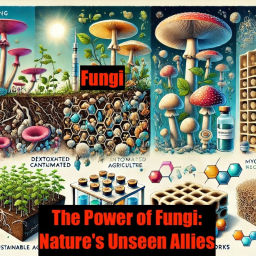
Podcast thumbnail for Fungi!

by Inception Point AI

1 episodes
Updated Weekly
Accepts GuestsHas SponsorsLocation 🇺🇸

Podcast Overview

The Power of Fungi: Nature's Unseen Allies Introduction Fungi, often overlooked and underappreciated, are emerging as one of nature's most powerful allies in addressing some of mankind's most pressing challenges. From environmental restoration to medicine, and sustainable agriculture to bioengineering, these incredible organisms are proving their worth in numerous fields. This blog delves into the multifaceted ways fungi are contributing to the betterment of humanity, inspired by the innovative use of mushrooms to rejuvenate toxic brownfields into blooming meadows, as highlighted in a recent article on the Good News Network. Environmental Restoration Fungi, particularly mushrooms, play a pivotal role in environmental restoration. One groundbreaking application is the use of mycoremediation, where fungi are employed to decompose and detoxify environmental contaminants. This process involves leveraging the natural ability of fungi to break down complex organic substances, including pollutants like hydrocarbons and heavy metals. Mycoremediation: Turning Brownfields Green The article on the Good News Network showcases a project where mushrooms are used to transform toxic brownfields—areas contaminated by industrial activity—into flourishing green spaces. The fungi's mycelium network breaks down toxins in the soil, making it fertile and safe for plant growth. This not only restores the land but also promotes biodiversity and ecological health. This innovative approach to land reclamation is a testament to the power of fungi in environmental cleanup. Case Study: Oyster Mushrooms and Hydrocarbon Pollution Oyster mushrooms (Pleurotus ostreatus) have been extensively studied for their ability to degrade hydrocarbons, the primary components of petroleum products. In various experiments, these mushrooms have demonstrated an impressive capacity to break down diesel fuel and crude oil, converting them into non-toxic substances. The mycelium of oyster mushrooms secretes enzymes that effectively dismantle the complex molecules found in hydrocarbons, rendering them harmless. This process not only detoxifies the soil but also allows for the reintroduction of vegetation, turning once barren lands into thriving ecosystems. Heavy Metal Detoxification Fungi also play a crucial role in the detoxification of heavy metals from contaminated sites. Mycorrhizal fungi, which form symbiotic relationships with plant roots, can immobilize heavy metals like cadmium, lead, and mercury, reducing their bioavailability and preventing them from entering the food chain. These fungi secrete organic acids that bind to the heavy metals, effectively sequestering them within the soil matrix. This natural process is a sustainable alternative to conventional methods of heavy metal remediation, which often involve harsh chemicals and significant financial investment. Medicine and Health Fungi have been a cornerstone in medicine for centuries, with penicillin, derived from the Penicillium mol This content was created in partnership and with the help of Artificial Intelligence AI.

Language

🇺🇲

Publishing Since

7/18/2024

2 verified contact emails on file for Fungi!

Pitch yourself as a guest, propose sponsorships, or reach out directly to the host.

Recent Episodes

Episode thumbnail for The Power of Fungi- Nature's Unseen Allies

July 18, 2024

The Power of Fungi- Nature's Unseen Allies

The Power of Fungi: Nature's Unseen Allies Introduction Fungi, often overlooked and underappreciated, are emerging as one of nature's most powerful allies in addressing some of mankind's most pressing challenges. From environmental restoration to medicine, and sustainable agriculture to bioengineering, these incredible organisms are proving their worth in numerous fields. This blog delves into the multifaceted ways fungi are contributing to the betterment of humanity, inspired by the innovative use of mushrooms to rejuvenate toxic brownfields into blooming meadows, as highlighted in a recent article on the Good News Network. Environmental Restoration Fungi, particularly mushrooms, play a pivotal role in environmental restoration. One groundbreaking application is the use of mycoremediation, where fungi are employed to decompose and detoxify environmental contaminants. This process involves leveraging the natural ability of fungi to break down complex organic substances, including pollutants like hydrocarbons and heavy metals. Mycoremediation: Turning Brownfields Green The article on the Good News Network showcases a project where mushrooms are used to transform toxic brownfields—areas contaminated by industrial activity—into flourishing green spaces. The fungi's mycelium network breaks down toxins in the soil, making it fertile and safe for plant growth. This not only restores the land but also promotes biodiversity and ecological health. This innovative approach to land reclamation is a testament to the power of fungi in environmental cleanup. Case Study: Oyster Mushrooms and Hydrocarbon Pollution Oyster mushrooms (Pleurotus ostreatus) have been extensively studied for their ability to degrade hydrocarbons, the primary components of petroleum products. In various experiments, these mushrooms have demonstrated an impressive capacity to break down diesel fuel and crude oil, converting them into non-toxic substances. The mycelium of oyster mushrooms secretes enzymes that effectively dismantle the complex molecules found in hydrocarbons, rendering them harmless. This process not only detoxifies the soil but also allows for the reintroduction of vegetation, turning once barren lands into thriving ecosystems. Heavy Metal Detoxification Fungi also play a crucial role in the detoxification of heavy metals from contaminated sites. Mycorrhizal fungi, which form symbiotic relationships with plant roots, can immobilize heavy metals like cadmium, lead, and mercury, reducing their bioavailability and preventing them from entering the food chain. These fungi secrete organic acids that bind to the heavy metals, effectively sequestering them within the soil matrix. This natural process is a sustainable alternative to conventional methods of heavy metal remediation, which often involve harsh chemicals and significant financial investment. Medicine and Health Fungi have been a cornerstone in medicine for centuries, with penicillin, derived from the Penicillium mold, being one of the most famous examples. Today, the medical potential of fungi extends far beyond antibiotics. Many mushrooms are rich in bioactive compounds that possess anti-inflammatory, antioxidant, and immune-boosting properties. The Medicinal Mushrooms: Reishi, Shiitake, and Beyond Reishi (Ganoderma lucidum) and shiitake (Lentinula edodes) mushrooms are two of the most well-known medicinal mushrooms. Reishi mushrooms contain compounds such as triterpenoids and polysaccharides, which have been shown to enhance immune function, reduce inflammation, and possess anti-tumor properties. Shiitake mushrooms, on the other hand, are rich in lentinan, a polysaccharide that has demonstrated potent anti-cancer effects in clinical studies. These mushrooms are not only used in traditional medicine but are also being incorporated into modern medical practices as complementary therapies. Antibiotic Resistance and Fungal Solutions As antibiotic resistance becomes an increasingly severe global...

1 total episodes available

Deep-dive analytics for Fungi!

Frequently asked questions

Have a different question and can't find the answer you're looking for? Reach out to our support team by sending us an email and we'll get back to you as soon as we can.

What is Fungi!?

The Power of Fungi: Nature's Unseen Allies Introduction Fungi, often overlooked and underappreciated, are emerging as one of nature's most powerful allies in addressing some of mankind's most pressing challenges. From environmental restoration to medicine, and sustainable agriculture to bioengineering, these incredible organisms are proving their worth in numerous fields. This blog delves into the multifaceted ways fungi are contributing to the betterment of humanity, inspired by the innovative use of mushrooms to rejuvenate toxic brownfields into blooming meadows, as highlighted in a recent article on the Good News Network. Environmental Restoration Fungi, particularly mushrooms, play a pivotal role in environmental restoration. One groundbreaking application is the use of mycoremediation, where fungi are employed to decompose and detoxify environmental contaminants. This process involves leveraging the natural ability of fungi to break down complex organic substances, including pollutants like hydrocarbons and heavy metals. Mycoremediation: Turning Brownfields Green The article on the Good News Network showcases a project where mushrooms are used to transform toxic brownfields—areas contaminated by industrial activity—into flourishing green spaces. The fungi's mycelium network breaks down toxins in the soil, making it fertile and safe for plant growth. This not only restores the land but also promotes biodiversity and ecological health. This innovative approach to land reclamation is a testament to the power of fungi in environmental cleanup. Case Study: Oyster Mushrooms and Hydrocarbon Pollution Oyster mushrooms (Pleurotus ostreatus) have been extensively studied for their ability to degrade hydrocarbons, the primary components of petroleum products. In various experiments, these mushrooms have demonstrated an impressive capacity to break down diesel fuel and crude oil, converting them into non-toxic substances. The mycelium of oyster mushrooms secretes enzymes that effectively dismantle the complex molecules found in hydrocarbons, rendering them harmless. This process not only detoxifies the soil but also allows for the reintroduction of vegetation, turning once barren lands into thriving ecosystems. Heavy Metal Detoxification Fungi also play a crucial role in the detoxification of heavy metals from contaminated sites. Mycorrhizal fungi, which form symbiotic relationships with plant roots, can immobilize heavy metals like cadmium, lead, and mercury, reducing their bioavailability and preventing them from entering the food chain. These fungi secrete organic acids that bind to the heavy metals, effectively sequestering them within the soil matrix. This natural process is a sustainable alternative to conventional methods of heavy metal remediation, which often involve harsh chemicals and significant financial investment. Medicine and Health Fungi have been a cornerstone in medicine for centuries, with penicillin, derived from the Penicillium mol

This content was created in partnership and with the help of Artificial Intelligence AI.

How often does this podcast release new episodes?

This podcast updates weekly.

Where can I listen to this podcast?

This podcast is available on 4 platforms including Apple Podcasts, Spotify, and more. You can also use the RSS feed directly.

Does this podcast accept guests?

Yes, this podcast regularly features guests.

Legal Disclaimer

Pod Engine is not affiliated with, endorsed by, or officially connected with any of the podcasts displayed on this platform. We operate independently as a podcast discovery and analytics service.

All podcast artwork, thumbnails, and content displayed on this page are the property of their respective owners and are protected by applicable copyright laws. This includes, but is not limited to, podcast cover art, episode artwork, show descriptions, episode titles, transcripts, audio snippets, and any other content originating from the podcast creators or their licensors.

We display this content under fair use principles and/or implied license for the purpose of podcast discovery, information, and commentary. We make no claim of ownership over any podcast content, artwork, or related materials shown on this platform. All trademarks, service marks, and trade names are the property of their respective owners.

While we strive to ensure all content usage is properly authorized, if you are a rights holder and believe your content is being used inappropriately or without proper authorization, please contact us immediately at hey@podengine.ai for prompt review and appropriate action, which may include content removal or proper attribution.

By accessing and using this platform, you acknowledge and agree to respect all applicable copyright laws and intellectual property rights of content owners. Any unauthorized reproduction, distribution, or commercial use of the content displayed on this platform is strictly prohibited.