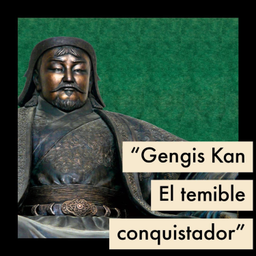
Podcast thumbnail for Gengis Kan el temible conquistador

Gengis Kan el temible conquistador

Claim This Podcast

by Cristian Cirica

4.0(1 reviews)
1 episodes
Updated Daily
Accepts GuestsHas Sponsors

Podcast Overview

Gengis Kan (Acerca de este sonido [t͡ʧʰiŋgɪs χaːŋ] (?·i) en mongol, Чингис хаан, romanización: Chinguis Jaan; Dulun Boldak, ca. 1162 o puede que el 16 de abril de 1162-Yinchuan, 18 de agosto de 1227) fue un guerrero y conquistador mongol que unificó a las tribus nómadas de esta etnia del norte de Asia, fundando el primer Imperio mongol, considerado uno de los imperios más grandes de la historia en términos de expansión territorial.[cita requerida] Bajo su liderazgo como Gran Kan, los mongoles comenzaron una oleada de conquistas que extendió su dominio a un vasto territorio, desde Europa Orient

Language

🇪🇸

Publishing Since

5/30/2021

1 verified contact email on file for Gengis Kan el temible conquistador

Pitch yourself as a guest, propose sponsorships, or reach out directly to the host.

Recent Episodes

Episode thumbnail for Gengis Kan el temible conquistador

May 30, 2021

Gengis Kan el temible conquistador

<p><strong>Gengis Kan</strong> (<img alt="Acerca de este sonido" height="11" src="https://upload.wikimedia.org/wikipedia/commons/thumb/8/8a/Loudspeaker.svg/11px-Loudspeaker.svg.png" width="11"> <a href="https://upload.wikimedia.org/wikipedia/commons/4/4f/Genghis_Khan.ogg" title="Genghis Khan.ogg">[t͡ʧʰiŋgɪs χaːŋ]</a> (<a href="https://es.wikipedia.org/wiki/Ayuda:Multimedia" title="Ayuda:Multimedia">?</a>·<a href="https://es.wikipedia.org/wiki/Archivo:Genghis_Khan.ogg" title="Archivo:Genghis Khan.ogg">i</a>) en <a href="https://es.wikipedia.org/wiki/Idioma_mongol" title="Idioma mongol">mongol</a>, Чингис хаан, <a href="https://es.wikipedia.org/wiki/Romanizaci%C3%B3n_(transliteraci%C3%B3n)" title="Romanización (transliteración)">romanización</a>: Chinguis Jaan; <a href="https://es.wikipedia.org/wiki/Dulun_Boldak">Dulun Boldak</a>, <a href="https://es.wikipedia.org/wiki/Circa" title="Circa">ca.</a> <a href="https://es.wikipedia.org/wiki/1162" title="1162">1162</a> o puede que el <a href="https://es.wikipedia.org/wiki/16_de_abril">16 de abril</a> de 1162-<a href="https://es.wikipedia.org/wiki/Yinchuan" title="Yinchuan">Yinchuan</a>, <a href="https://es.wikipedia.org/wiki/18_de_agosto" title="Dulun Boldak">18 de agosto</a> de <a href="https://es.wikipedia.org/wiki/1227" title="1227">1227</a>) fue un guerrero y conquistador <a href="https://es.wikipedia.org/wiki/Mongol_(etnia)" title="Mongol (etnia)">mongol</a> que unificó a las tribus nómadas de esta etnia del norte de <a href="https://es.wikipedia.org/wiki/Asia" title="Asia">Asia</a>, fundando el primer <a href="https://es.wikipedia.org/wiki/Imperio_mongol" title="Imperio mongol">Imperio mongol</a>, considerado uno de los imperios más grandes de la historia en términos de expansión territorial.[<a href="https://es.wikipedia.org/wiki/Wikipedia:Verificabilidad" title="Wikipedia:Verificabilidad">cita&nbsp;requerida</a>] Bajo su liderazgo como <a href="https://es.wikipedia.org/wiki/Gran_Kan" title="Gran Kan">Gran Kan</a>, los <a href="https://es.wikipedia.org/wiki/Mongoles" title="Mongoles">mongoles</a> comenzaron una oleada de conquistas que extendió su dominio a un vasto territorio, desde <a href="https://es.wikipedia.org/wiki/Europa_Oriental" title="Europa Oriental">Europa Oriental</a> hasta el <a href="https://es.wikipedia.org/wiki/Oc%C3%A9ano_Pac%C3%ADfico" title="Océano Pacífico">océano Pacífico</a>, y desde <a href="https://es.wikipedia.org/wiki/Siberia" title="Siberia">Siberia</a> hasta <a href="https://es.wikipedia.org/wiki/Mesopotamia" title="Mesopotamia">Mesopotamia</a>, la <a href="https://es.wikipedia.org/wiki/India" title="India">India</a> e <a href="https://es.wikipedia.org/wiki/Indochina" title="Indochina">Indochina</a>. En la primera fase de esta expansión, las <a href="https://es.wikipedia.org/wiki/Hordas" title="Hordas">hordas</a> mongolas conquistaron importantes reinos de <a href="https://es.wikipedia.org/wiki/Asia" title="Asia">Asia</a>, como el <a href="https://es.wikipedia.org/wiki/Dinast%C3%ADa_Jin_(1115-1234)" title="Dinastía Jin (1115-1234)">Imperio Jin</a> del norte de <a href="https://es.wikipedia.org/wiki/China">China</a> (<a href="https://es.wikipedia.org/wiki/1211" title="1211">1211</a>-<a href="https://es.wikipedia.org/wiki/1216" title="1216">1216</a>), el <a href="https://es.wikipedia.org/wiki/Imperio_tanguta" title="Imperio tanguta">Imperio tanguta</a>, el <a href="https://es.wikipedia.org/wiki/Kanato_de_Kara-Kitai" title="16 de abril">Kanato de Kara-Kitai</a>, el <a href="https://es.wikipedia.org/wiki/Imperio_corasmio" title="Imperio corasmio">Imperio corasmio</a> o la <a href="https://es.wikipedia.org/wiki/Dinast%C3%ADa_Song" title="Dinastía Song">dinastía Song</a> en el sur de <a href="https://es.wikipedia.org/wiki/China" title="China">China</a>.</p>

1 total episodes available

Deep-dive analytics for Gengis Kan el temible conquistador

Frequently asked questions

Have a different question and can't find the answer you're looking for? Reach out to our support team by sending us an email and we'll get back to you as soon as we can.

What is Gengis Kan el temible conquistador?

Gengis Kan (Acerca de este sonido [t͡ʧʰiŋgɪs χaːŋ] (?·i) en mongol, Чингис хаан, romanización: Chinguis Jaan; Dulun Boldak, ca. 1162 o puede que el 16 de abril de 1162-Yinchuan, 18 de agosto de 1227) fue un guerrero y conquistador mongol que unificó a las tribus nómadas de esta etnia del norte de Asia, fundando el primer Imperio mongol, considerado uno de los imperios más grandes de la historia en términos de expansión territorial.[cita requerida] Bajo su liderazgo como Gran Kan, los mongoles comenzaron una oleada de conquistas que extendió su dominio a un vasto territorio, desde Europa Orient

How often does this podcast release new episodes?

This podcast updates daily.

Where can I listen to this podcast?

This podcast is available on 4 platforms including Apple Podcasts, Spotify, and more. You can also use the RSS feed directly.

Does this podcast accept guests?

No, this podcast does not typically feature guests.

Legal Disclaimer

Pod Engine is not affiliated with, endorsed by, or officially connected with any of the podcasts displayed on this platform. We operate independently as a podcast discovery and analytics service.

All podcast artwork, thumbnails, and content displayed on this page are the property of their respective owners and are protected by applicable copyright laws. This includes, but is not limited to, podcast cover art, episode artwork, show descriptions, episode titles, transcripts, audio snippets, and any other content originating from the podcast creators or their licensors.

We display this content under fair use principles and/or implied license for the purpose of podcast discovery, information, and commentary. We make no claim of ownership over any podcast content, artwork, or related materials shown on this platform. All trademarks, service marks, and trade names are the property of their respective owners.

While we strive to ensure all content usage is properly authorized, if you are a rights holder and believe your content is being used inappropriately or without proper authorization, please contact us immediately at hey@podengine.ai for prompt review and appropriate action, which may include content removal or proper attribution.

By accessing and using this platform, you acknowledge and agree to respect all applicable copyright laws and intellectual property rights of content owners. Any unauthorized reproduction, distribution, or commercial use of the content displayed on this platform is strictly prohibited.