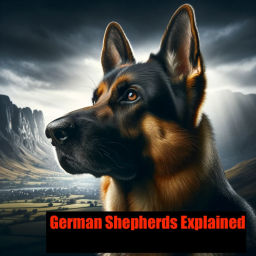

Podcast thumbnail for German Shepherds - Explained

German Shepherds - Explained

Claim This Podcast

by Inception Point AI

3.3(4 reviews)
2 episodes
Updated Inactive
Accepts GuestsHas SponsorsLocation 🇩🇪

Podcast Overview

German Shepherds Explained Introduction The German Shepherd, a breed known for its intelligence, loyalty, and versatility, stands as one of the most popular and recognizable dog breeds worldwide. Originally bred for herding and farm work, they have evolved into a breed favored for various roles, including police and military work, search and rescue, and as beloved family pets. This essay explores the intricate history, characteristics, and the rise of the German Shepherd to global prominence, delving into both the admirable and challenging aspects of the breed. Historical Background Origins in Germany The German Shepherd's story begins in late 19th century Germany, where efforts to standardize dog breeds led to the development of what we know today as the German Shepherd. Max von Stephanitz, a former cavalry officer, is credited with the breed's development. He aimed to create a dog that exemplified the best qualities for herding and guarding: intelligence, strength, and a keen sense of smell. Breed Development In 1899, von Stephanitz saw a dog named Hektor Linksrhein at a dog show, which embodied all the qualities he sought. He purchased the dog, renamed him Horand von Grafrath, and declared him the first German Shepherd. Horand became the foundation of a breeding program aimed at maintaining the traits of strength, intelligence, and versatility. Role in War and Public Perception German Shepherds gained international attention during and after World War I. They were used extensively by the German military for various tasks, including carrying messages, rescuing injured soldiers, and acting as guards. However, their association with the German war effort led to a decline in popularity in Allied countries, where the breed was sometimes renamed; for instance, in England, they were called Alsatian Wolf Dogs. Physical and Temperamental Characteristics Physical Traits German Shepherds are large, muscular dogs, known for their distinctive appearance. They have a domed forehead, long square-cut muzzle, and erect ears. Their bushy tail curves downward, and their coat is usually tan and black or red and black. Temperament and Intelligence This breed is renowned for its intelligence, making them highly trainable. They are known for their courage, confidence, and keen sense of duty. German Shepherds are often described as loyal and protective, making them excellent family pets and guardians. Health and Care Common Health Issues Like many purebreds, German Shepherds are prone to specific health problems. These include hip and elbow dysplasia, degenerative myelopathy, and bloat. Regular veterinary care, a healthy diet, and proper exercise can mitigate some of these issues. Grooming and Maintenance Their double coat requires regular grooming, particularly during shedding seasons. Exercise is crucial for this breed, as they are energetic and need physical and mental stimulation. The Breed in Work and Society Police and Military Roles Germa This content was created in partnership and with the help of Artificial Intelligence AI.

Language

🇺🇲

Publishing Since

2/1/2024

2 verified contact emails on file for German Shepherds - Explained

Pitch yourself as a guest, propose sponsorships, or reach out directly to the host.

Recent Episodes

Episode thumbnail for 5 German Shepherd Heroes Who Lived To Tell About It

February 1, 2024

5 German Shepherd Heroes Who Lived To Tell About It

5 German Shepherd Heroes Who Lived To Tell About It <br />German Shepherds are not just pets; they are heroes in their own right. Known for their intelligence, strength, and loyalty, these dogs have time and again shown bravery that rivals even the most celebrated human heroes. In this blog post, we celebrate five incredible German Shepherds who have displayed extraordinary courage and have fascinating stories to tell. <br />1. Rin Tin Tin – The Hollywood Star <br />Perhaps the most famous German Shepherd of all time, Rin Tin Tin was rescued from a World War I battlefield by an American soldier. Rin Tin Tin went on to become a massive Hollywood star, featuring in 27 movies. His legacy continued with descendants appearing in various media, immortalizing the heroic and charismatic nature of the breed. Rin Tin Tin not only saved lives on the battlefield but also brought the German Shepherd into the limelight, showcasing their versatility and intelligence. <br />2. Lex – The War Hero <br />Lex served with the U.S. Marine Corps in Iraq and is known for his heroic actions following an explosion in 2007. Despite being injured, Lex refused to leave the side of his handler, who was fatally wounded. Lex's loyalty and bravery exemplified the deep bond and commitment these dogs have to their human companions. After recovering from his injuries, Lex was retired and adopted by his handler’s family, continuing to provide comfort and love. <br />3. Buddy – The Guide Dog <br />Buddy, the first formally trained guide dog in America, led her blind owner, Morris Frank, through the bustling streets of New York, proving that German Shepherds could be incredible service animals. Buddy's intelligence and guiding skills not only changed her owner's life but also paved the way for the training of guide dogs everywhere, opening up new horizons of independence for the visually impaired. <br />4. Trakr – The 9/11 Hero <br />Trakr was a police dog who played a crucial role in search and rescue efforts during the 9/11 attacks. Trakr and his handler sifted through the debris of the World Trade Center and are credited with finding the last survivor of the attacks. Trakr's unwavering dedication and resilience under extremely challenging conditions showcased the breed’s incredible work ethic and bravery in the face of disaster. <br />5. Nemo – The Vietnam Veteran <br />Nemo, a German Shepherd who served in the Vietnam War, saved the life of his handler during an enemy attack. Despite being shot, Nemo attacked the enemy, giving his handler the chance to call for reinforcements. He lost an eye in the combat but continued to protect his handler until help arrived. Nemo's story is a powerful testament to the breed's loyalty and fearless nature in protecting those they serve. <br /><br /><br />These five German Shepherds are just a few examples of the many heroic dogs of this breed. Their stories of bravery, loyalty, and service continue to inspire and amaze us. They are not just dogs; they are soldiers, rescuers, guides, and friends who have shown time and again that heroes come in many forms, including four-legged ones. The legacy of these German Shepherd heroes lives on, reminding us of the incredible bond between humans and dogs and the extraordinary capabilities of this remarkable breed. <br />Thanks for listening to Quiet Please. Remember to like and share wherever you get your podcasts.

Episode thumbnail for German Shepherds - Explained

February 1, 2024

German Shepherds - Explained

German Shepherds Explained <br />Introduction <br />The German Shepherd, a breed known for its intelligence, loyalty, and versatility, stands as one of the most popular and recognizable dog breeds worldwide. Originally bred for herding and farm work, they have evolved into a breed favored for various roles, including police and military work, search and rescue, and as beloved family pets. This essay explores the intricate history, characteristics, and the rise of the German Shepherd to global prominence, delving into both the admirable and challenging aspects of the breed. <br />Historical Background <br />Origins in Germany <br />The German Shepherd's story begins in late 19th century Germany, where efforts to standardize dog breeds led to the development of what we know today as the German Shepherd. Max von Stephanitz, a former cavalry officer, is credited with the breed's development. He aimed to create a dog that exemplified the best qualities for herding and guarding: intelligence, strength, and a keen sense of smell. <br />Breed Development <br />In 1899, von Stephanitz saw a dog named Hektor Linksrhein at a dog show, which embodied all the qualities he sought. He purchased the dog, renamed him Horand von Grafrath, and declared him the first German Shepherd. Horand became the foundation of a breeding program aimed at maintaining the traits of strength, intelligence, and versatility. <br />Role in War and Public Perception <br />German Shepherds gained international attention during and after World War I. They were used extensively by the German military for various tasks, including carrying messages, rescuing injured soldiers, and acting as guards. However, their association with the German war effort led to a decline in popularity in Allied countries, where the breed was sometimes renamed; for instance, in England, they were called Alsatian Wolf Dogs. <br />Physical and Temperamental Characteristics <br />Physical Traits <br />German Shepherds are large, muscular dogs, known for their distinctive appearance. They have a domed forehead, long square-cut muzzle, and erect ears. Their bushy tail curves downward, and their coat is usually tan and black or red and black. <br />Temperament and Intelligence <br />This breed is renowned for its intelligence, making them highly trainable. They are known for their courage, confidence, and keen sense of duty. German Shepherds are often described as loyal and protective, making them excellent family pets and guardians. <br />Health and Care <br />Common Health Issues <br />Like many purebreds, German Shepherds are prone to specific health problems. These include hip and elbow dysplasia, degenerative myelopathy, and bloat. Regular veterinary care, a healthy diet, and proper exercise can mitigate some of these issues. <br />Grooming and Maintenance <br />Their double coat requires regular grooming, particularly during shedding seasons. Exercise is crucial for this breed, as they are energetic and need physical and mental stimulation. <br />The Breed in Work and Society <br />Police and Military Roles <br />German Shepherds have become synonymous with police and military work due to their strength, intelligence, and trainability. They are often used in roles such as bomb detection, narcotics detection, and as part of search and rescue operations. <br />Service and Therapy Roles <br />Their temperament and intelligence also make them excellent service dogs for individuals with disabilities and therapy dogs, providing comfort and assistance to those in need. <br />Popularity and Cultural Impact <br />Global Recognition <br />The breed's versatility and charismatic nature have led to its global popularity. German Shepherds are one of the most registered breeds, known for their role as family pets, service dogs, and in various work roles. <br />Representation in Media <br />Their popularity is bolstered by their frequent portrayal in films, television, and books, often depicted as...

2 total episodes available

Similar Podcasts

Discover related shows you might enjoy

Deep-dive analytics for German Shepherds - Explained

Frequently asked questions

Have a different question and can't find the answer you're looking for? Reach out to our support team by sending us an email and we'll get back to you as soon as we can.

What is German Shepherds - Explained?

German Shepherds Explained Introduction The German Shepherd, a breed known for its intelligence, loyalty, and versatility, stands as one of the most popular and recognizable dog breeds worldwide. Originally bred for herding and farm work, they have evolved into a breed favored for various roles, including police and military work, search and rescue, and as beloved family pets. This essay explores the intricate history, characteristics, and the rise of the German Shepherd to global prominence, delving into both the admirable and challenging aspects of the breed. Historical Background Origins in Germany The German Shepherd's story begins in late 19th century Germany, where efforts to standardize dog breeds led to the development of what we know today as the German Shepherd. Max von Stephanitz, a former cavalry officer, is credited with the breed's development. He aimed to create a dog that exemplified the best qualities for herding and guarding: intelligence, strength, and a keen sense of smell. Breed Development In 1899, von Stephanitz saw a dog named Hektor Linksrhein at a dog show, which embodied all the qualities he sought. He purchased the dog, renamed him Horand von Grafrath, and declared him the first German Shepherd. Horand became the foundation of a breeding program aimed at maintaining the traits of strength, intelligence, and versatility. Role in War and Public Perception German Shepherds gained international attention during and after World War I. They were used extensively by the German military for various tasks, including carrying messages, rescuing injured soldiers, and acting as guards. However, their association with the German war effort led to a decline in popularity in Allied countries, where the breed was sometimes renamed; for instance, in England, they were called Alsatian Wolf Dogs. Physical and Temperamental Characteristics Physical Traits German Shepherds are large, muscular dogs, known for their distinctive appearance. They have a domed forehead, long square-cut muzzle, and erect ears. Their bushy tail curves downward, and their coat is usually tan and black or red and black. Temperament and Intelligence This breed is renowned for its intelligence, making them highly trainable. They are known for their courage, confidence, and keen sense of duty. German Shepherds are often described as loyal and protective, making them excellent family pets and guardians. Health and Care Common Health Issues Like many purebreds, German Shepherds are prone to specific health problems. These include hip and elbow dysplasia, degenerative myelopathy, and bloat. Regular veterinary care, a healthy diet, and proper exercise can mitigate some of these issues. Grooming and Maintenance Their double coat requires regular grooming, particularly during shedding seasons. Exercise is crucial for this breed, as they are energetic and need physical and mental stimulation. The Breed in Work and Society Police and Military Roles Germa

This content was created in partnership and with the help of Artificial Intelligence AI.

How often does this podcast release new episodes?

This podcast updates inactive.

Where can I listen to this podcast?

This podcast is available on 4 platforms including Apple Podcasts, Spotify, and more. You can also use the RSS feed directly.

Does this podcast accept guests?

Yes, this podcast regularly features guests.

Legal Disclaimer

Pod Engine is not affiliated with, endorsed by, or officially connected with any of the podcasts displayed on this platform. We operate independently as a podcast discovery and analytics service.

All podcast artwork, thumbnails, and content displayed on this page are the property of their respective owners and are protected by applicable copyright laws. This includes, but is not limited to, podcast cover art, episode artwork, show descriptions, episode titles, transcripts, audio snippets, and any other content originating from the podcast creators or their licensors.

We display this content under fair use principles and/or implied license for the purpose of podcast discovery, information, and commentary. We make no claim of ownership over any podcast content, artwork, or related materials shown on this platform. All trademarks, service marks, and trade names are the property of their respective owners.

While we strive to ensure all content usage is properly authorized, if you are a rights holder and believe your content is being used inappropriately or without proper authorization, please contact us immediately at hey@podengine.ai for prompt review and appropriate action, which may include content removal or proper attribution.

By accessing and using this platform, you acknowledge and agree to respect all applicable copyright laws and intellectual property rights of content owners. Any unauthorized reproduction, distribution, or commercial use of the content displayed on this platform is strictly prohibited.