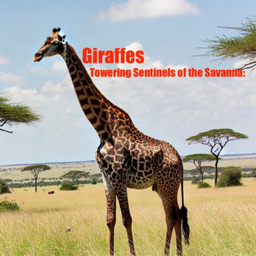
Podcast thumbnail for Giraffes

by Inception Point AI

1 episodes
Updated Weekly
Accepts GuestsHas Sponsors
0

Podcast Authority

Beta
PoorBased on show quality, social media presence, reviews, charts, and more
Pod Engine
Quality0
Social0
YouTube0
Engagement0

Podcast Overview

In the vast, open landscapes of Africa, where the golden grasslands stretch to meet the horizon and acacia trees dot the plains, one creature stands above all others, both literally and figuratively: the giraffe. These elegant and enigmatic giants, with their long necks and distinctive spotted coats, are among the most iconic animals of the African wilderness. To witness a giraffe in its natural habitat is to experience a sense of awe and wonder at the beauty and complexity of nature. Giraffes, the tallest land animals, are a testament to the ingenuity of evolution and the resilience of life on Earth. The Majesty of Giraffes Giraffes are the tallest land mammals, with adult males reaching heights of up to 18 feet (5.5 meters) and females slightly shorter, up to 14 feet (4.3 meters). Their extraordinary height is primarily due to their long necks, which can measure up to 6 feet (1.8 meters) in length. This remarkable adaptation allows giraffes to browse foliage that is out of reach for most other herbivores, giving them access to a unique ecological niche. A giraffe's body is equally impressive. They have long, slender legs that are powerful and capable of running at speeds of up to 35 miles per hour (56 kilometers per hour) over short distances. Their bodies are covered in a unique pattern of patches, which can range in color from orange to brown and are separated by lighter hair. These patterns are not only beautiful but also serve as camouflage, helping giraffes blend into the dappled light of their savanna habitat. The giraffe's neck, despite its length, contains only seven vertebrae—the same number as in most other mammals, including humans. However, each vertebra is much longer, and the joints between them are highly flexible, allowing for a range of motion that is essential for browsing high foliage. Feeding Habits and Diet Giraffes are herbivores, and their diet consists primarily of leaves, flowers, and fruits from trees and shrubs. They are particularly fond of acacia trees, whose leaves provide a rich source of nutrients. Giraffes use their long necks and prehensile tongues, which can be up to 18 inches (45 centimeters) long, to grasp and strip leaves from branches. Their tongues are also tough and covered in thick, sticky saliva, which protects them from thorns and helps them handle their food. An adult giraffe can consume up to 75 pounds (34 kilograms) of food per day. Their digestive system is adapted to process large quantities of fibrous plant material. Like other ruminants, giraffes have a four-chambered stomach, which allows them to efficiently break down cellulose and extract nutrients from their diet. This process involves regurgitating and re-chewing their food, a behavior known as cud-chewing. Giraffes' feeding habits have a significant impact on their environment. By browsing on the foliage of tall trees, they help shape the structure of the savanna and promote the growth of new shoots and leaves. This selective feeding also This content was created in partnership and with the help of Artificial Intelligence AI.

Language

🇺🇲

Publishing Since

7/7/2024

Unlock The Full Podcast Authority Score Report

See how your podcast performs across key metrics

0

Podcast Authority

Beta
PoorBased on show quality, social media presence, reviews, charts, and more
Pod Engine
Quality0
Social0
YouTube0
Engagement0
2
Excellent Areas
0
Good Performance
9
Growth Opportunities
excellent
Publishing Consistency
Every 0 days
Performing excellently!
poor
Episode Length
0 seconds

Recommendations available

Unlock the full report to see detailed tips

+8 More Metrics

Unlock comprehensive insights including:

  • • YouTube presence analysis
  • • Social media reach metrics
  • • RSS compliance scoring
  • • Podcast 2.0 features
  • • Technical standards
What's Included in Your Full Report

Detailed Analytics

  • Complete breakdown of all 11 authority metrics
  • Personalized recommendations for each metric
  • Industry benchmarks and comparisons
  • Technical RSS feed analysis and compliance scoring

Growth Strategies

  • Step-by-step action plans for improvement
  • Quick wins to boost your score immediately
  • Pro tips from successful podcasters
Get your free podcast insights report

See how your show performs across every key metric

Instant delivery
No spam
Attract Better Guests

High authority scores make your podcast more attractive to industry leaders and influencers who want to appear on credible shows.

Secure Sponsorships

Sponsors look for podcasts with proven authority and engagement. Your score demonstrates your podcast's value to potential partners.

Grow Your Audience

Understanding your strengths and weaknesses helps you make data-driven decisions to expand your listener base effectively.

2 verified contact emails on file for Giraffes

Pitch yourself as a guest, propose sponsorships, or reach out directly to the host.

Recent Episodes

Episode thumbnail for Giraffes- Towering Sentinels of the Savanna

July 7, 2024

Giraffes- Towering Sentinels of the Savanna

In the vast, open landscapes of Africa, where the golden grasslands stretch to meet the horizon and acacia trees dot the plains, one creature stands above all others, both literally and figuratively: the giraffe. These elegant and enigmatic giants, with their long necks and distinctive spotted coats, are among the most iconic animals of the African wilderness. To witness a giraffe in its natural habitat is to experience a sense of awe and wonder at the beauty and complexity of nature. Giraffes, the tallest land animals, are a testament to the ingenuity of evolution and the resilience of life on Earth. <b>The Majesty of Giraffes</b> Giraffes are the tallest land mammals, with adult males reaching heights of up to 18 feet (5.5 meters) and females slightly shorter, up to 14 feet (4.3 meters). Their extraordinary height is primarily due to their long necks, which can measure up to 6 feet (1.8 meters) in length. This remarkable adaptation allows giraffes to browse foliage that is out of reach for most other herbivores, giving them access to a unique ecological niche. A giraffe's body is equally impressive. They have long, slender legs that are powerful and capable of running at speeds of up to 35 miles per hour (56 kilometers per hour) over short distances. Their bodies are covered in a unique pattern of patches, which can range in color from orange to brown and are separated by lighter hair. These patterns are not only beautiful but also serve as camouflage, helping giraffes blend into the dappled light of their savanna habitat. The giraffe's neck, despite its length, contains only seven vertebrae—the same number as in most other mammals, including humans. However, each vertebra is much longer, and the joints between them are highly flexible, allowing for a range of motion that is essential for browsing high foliage. <b>Feeding Habits and Diet</b> Giraffes are herbivores, and their diet consists primarily of leaves, flowers, and fruits from trees and shrubs. They are particularly fond of acacia trees, whose leaves provide a rich source of nutrients. Giraffes use their long necks and prehensile tongues, which can be up to 18 inches (45 centimeters) long, to grasp and strip leaves from branches. Their tongues are also tough and covered in thick, sticky saliva, which protects them from thorns and helps them handle their food. An adult giraffe can consume up to 75 pounds (34 kilograms) of food per day. Their digestive system is adapted to process large quantities of fibrous plant material. Like other ruminants, giraffes have a four-chambered stomach, which allows them to efficiently break down cellulose and extract nutrients from their diet. This process involves regurgitating and re-chewing their food, a behavior known as cud-chewing. Giraffes' feeding habits have a significant impact on their environment. By browsing on the foliage of tall trees, they help shape the structure of the savanna and promote the growth of new shoots and leaves. This selective feeding also benefits other herbivores by maintaining the health and diversity of the vegetation. <b>Social Structure and Behavior</b> Giraffes are social animals, living in loose, fluid groups called towers. These groups typically consist of related females and their offspring, but they can also include males, especially younger ones. The social structure of giraffe groups is relatively flexible, with individuals joining and leaving the group as they please. This lack of a rigid hierarchy is unusual among large mammals and reflects the giraffes' adaptation to a wide-ranging, resource-sparse environment. Male giraffes, known as bulls, often engage in a behavior called "necking" to establish dominance and compete for mating opportunities. This ritualized combat involves swinging their necks and heads at each other, using their ossicones—small, horn-like structures on their heads—as weapons. These bouts can be intense, but they rarely result in serious injury. Female giraffes, or...

1 total episodes available with 1 transcripts

Deep-dive analytics for Giraffes

Frequently asked questions

Have a different question and can't find the answer you're looking for? Reach out to our support team by sending us an email and we'll get back to you as soon as we can.

What is Giraffes?

In the vast, open landscapes of Africa, where the golden grasslands stretch to meet the horizon and acacia trees dot the plains, one creature stands above all others, both literally and figuratively: the giraffe. These elegant and enigmatic giants, with their long necks and distinctive spotted coats, are among the most iconic animals of the African wilderness. To witness a giraffe in its natural habitat is to experience a sense of awe and wonder at the beauty and complexity of nature. Giraffes, the tallest land animals, are a testament to the ingenuity of evolution and the resilience of life on Earth. The Majesty of Giraffes Giraffes are the tallest land mammals, with adult males reaching heights of up to 18 feet (5.5 meters) and females slightly shorter, up to 14 feet (4.3 meters). Their extraordinary height is primarily due to their long necks, which can measure up to 6 feet (1.8 meters) in length. This remarkable adaptation allows giraffes to browse foliage that is out of reach for most other herbivores, giving them access to a unique ecological niche. A giraffe's body is equally impressive. They have long, slender legs that are powerful and capable of running at speeds of up to 35 miles per hour (56 kilometers per hour) over short distances. Their bodies are covered in a unique pattern of patches, which can range in color from orange to brown and are separated by lighter hair. These patterns are not only beautiful but also serve as camouflage, helping giraffes blend into the dappled light of their savanna habitat. The giraffe's neck, despite its length, contains only seven vertebrae—the same number as in most other mammals, including humans. However, each vertebra is much longer, and the joints between them are highly flexible, allowing for a range of motion that is essential for browsing high foliage. Feeding Habits and Diet Giraffes are herbivores, and their diet consists primarily of leaves, flowers, and fruits from trees and shrubs. They are particularly fond of acacia trees, whose leaves provide a rich source of nutrients. Giraffes use their long necks and prehensile tongues, which can be up to 18 inches (45 centimeters) long, to grasp and strip leaves from branches. Their tongues are also tough and covered in thick, sticky saliva, which protects them from thorns and helps them handle their food. An adult giraffe can consume up to 75 pounds (34 kilograms) of food per day. Their digestive system is adapted to process large quantities of fibrous plant material. Like other ruminants, giraffes have a four-chambered stomach, which allows them to efficiently break down cellulose and extract nutrients from their diet. This process involves regurgitating and re-chewing their food, a behavior known as cud-chewing. Giraffes' feeding habits have a significant impact on their environment. By browsing on the foliage of tall trees, they help shape the structure of the savanna and promote the growth of new shoots and leaves. This selective feeding also

This content was created in partnership and with the help of Artificial Intelligence AI.

How often does this podcast release new episodes?

This podcast updates weekly.

Where can I listen to this podcast?

This podcast is available on 4 platforms including Apple Podcasts, Spotify, and more. You can also use the RSS feed directly.

Does this podcast accept guests?

No, this podcast does not typically feature guests.

Legal Disclaimer

Pod Engine is not affiliated with, endorsed by, or officially connected with any of the podcasts displayed on this platform. We operate independently as a podcast discovery and analytics service.

All podcast artwork, thumbnails, and content displayed on this page are the property of their respective owners and are protected by applicable copyright laws. This includes, but is not limited to, podcast cover art, episode artwork, show descriptions, episode titles, transcripts, audio snippets, and any other content originating from the podcast creators or their licensors.

We display this content under fair use principles and/or implied license for the purpose of podcast discovery, information, and commentary. We make no claim of ownership over any podcast content, artwork, or related materials shown on this platform. All trademarks, service marks, and trade names are the property of their respective owners.

While we strive to ensure all content usage is properly authorized, if you are a rights holder and believe your content is being used inappropriately or without proper authorization, please contact us immediately at hey@podengine.ai for prompt review and appropriate action, which may include content removal or proper attribution.

By accessing and using this platform, you acknowledge and agree to respect all applicable copyright laws and intellectual property rights of content owners. Any unauthorized reproduction, distribution, or commercial use of the content displayed on this platform is strictly prohibited.