
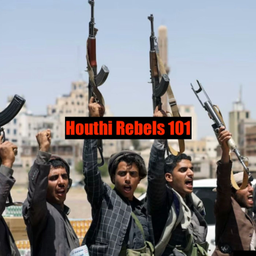
The Houthis: Yemen’s Tenacious Rebel Movement
The Houthi movement in Yemen emerged in the 1990s as a grassroots revivalist force aimed at defending Shi’a Muslim interests against oppression. However, escalating cycles of conflict and unstable governance since the 2011 Arab Spring catalyzed the Houthis’ rise from tribal insurgency to dominant militia controlling Yemen’s capital by 2014. Their endurance battling both Yemeni government factions and a Saudi-led coalition intervention showcases militant prowess and ideological fervor mixing religious, cultural and geopolitical themes far outmatching most analyses painting them as “Iranian proxies.” Understanding the Houthi phenomenon requires a deeper examination of identity, grievances and uncompromising drive towards autonomy that resisted external pressures towards conformity in one of the Arab world’s poorest nations.
Religious and Cultural Backdrop
The Houthi movement evolved as an armed faction defending Yemen’s Zaidi Shi’a Muslim minority based in the northern Saada province along the Saudi border. As adherents of the Zaidi branch comprising almost 40% of Yemen’s population, Houthis followed more moderate theological lines than Shi’a in Iran or Iraq hewing closer to Sunni legalism. However, their distinguishing spiritual leader was a direct descendent of the Prophet Mohammed conferring supreme religious and thus political authority over devotees as rightful Imam successors safeguarding the righteous path.
Culturally, Zaidi tribes like the Houthis prized rugged independence through centuries governing Yemen’s mountain and desert regions autonomously even amidst the rise and fall of various Sunni Muslim dynasties controlling city power centers. Zaidi tribes cultivated fierce group loyalty and martial prowess defending hideaways preserving autonomy and alternate rule from constantly encroaching rivals. Their insular highlands home base enabled generations thrive as “free Yemenis” escaping conquest by Turks, Egyptians and various other forces that dominated lowland towns and ports over eras through political maneuvering rather than tribal mentality prizing honor and self-governance aligned to faith and family authority.
However, Zaidi tribes and religious leadership structures faced increasing encroachment under modernizing influences building unified secular Yemeni statehood and identity during the 20th century. The demise of the Zaidi Imamate rule in 1962 proved a decisive turning point eroding the fiercely independent tribal structures into an aggressive armed movement decades later during the 1990s defending sect identity against marginalization.
Origins of Armed Struggle
The tipping point galvanizing Zaidi Shi’a’s transition towards outright guerilla warfare under the banner of the “Houthi” insurgency label followed the murder of eminent cleric Hussein Bader Eddine al-Houthi in 2004 after defiant sermons criticizing Yemeni and US anti-terror partnerships provoked then-president Ali Abd
This content was created in partnership and with the help of Artificial Intelligence AI.