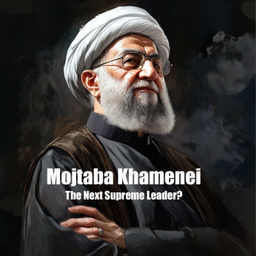
Podcast thumbnail for Mojtaba Khamenei. The Next Supreme Leader - Audio Biography

Mojtaba Khamenei. The Next Supreme Leader - Audio Biography

Claim This Podcast

by Inception Point AI

1 episodes
Updated Daily
Accepts GuestsHas Sponsors

Podcast Overview

Mojtaba Khamenei, born on September 8, 1969, in Mashhad, Iran, is the second son of Ayatollah Ali Khamenei, the Supreme Leader of Iran, and Khadijeh Mirdamadi. Raised in a clerical family with deep roots in Twelver Shi'a Islam, Mojtaba’s upbringing was steeped in religious education and political awareness. Growing up in Mashhad, a city central to Shi’a scholarship and home to the Imam Reza Shrine, he pursued advanced Islamic studies with a focus on Fiqh (Islamic jurisprudence), following the clerical tradition of his father. Mojtaba has maintained a low public profile, but his influence within Iran's political and security apparatus is widely acknowledged. He first gained attention during the 2005 Iranian presidential election, where he was linked to the campaign of Mahmoud Ahmadinejad. Allegations emerged that Mojtaba had played a key role in Ahmadinejad’s election victory, leveraging his connections to conservative factions and mobilizing state resources. His involvement became more controversial during the 2009 presidential election, which resulted in mass protests known as the Green Movement. Opposition leaders accused Mojtaba of orchestrating the suppression of dissent through his influence over the Basij militia and other security forces. This period solidified his reputation as a behind-the-scenes power broker. Mojtaba’s connections extend deeply into Iran’s military and intelligence sectors, particularly the Islamic Revolutionary Guard Corps (IRGC). The IRGC, a pivotal force in Iran’s domestic and foreign policy, has aligned itself with the conservative vision of Ayatollah Ali Khamenei. Mojtaba’s ties to the IRGC and its affiliated organizations have bolstered his standing as a key figure in national security decision-making, though his role is unofficial and largely unacknowledged in state media. Speculation about Mojtaba’s potential succession to his father as Supreme Leader has been a recurring theme in Iranian politics. This prospect gained traction due to his growing influence and proximity to key power centers. However, Mojtaba’s limited public visibility and his lack of formal senior clerical credentials pose challenges to his candidacy. Critics argue that his succession would require significant manipulation of the process by the Assembly of Experts, the body responsible for electing the Supreme Leader. Nevertheless, his father’s authority over the Assembly could facilitate Mojtaba’s rise. In May 2024, the unexpected death of Iranian President Ebrahim Raisi in a helicopter crash further intensified speculation about Mojtaba’s role in succession discussions. Raisi had been widely considered a leading contender for Supreme Leader, and his death left a vacuum in the leadership narrative. Following this event, reports began circulating about secretive moves to position Mojtaba as his father’s preferred successor. In September 2024, an unverified account emerged about a clandestine meeting involving 60 members of the Assembly of Exper This content was created in partnership and with the help of Artificial Intelligence AI.

Language

🇺🇲

Publishing Since

11/18/2024

2 verified contact emails on file for Mojtaba Khamenei. The Next Supreme Leader - Audio Biography

Pitch yourself as a guest, propose sponsorships, or reach out directly to the host.

Recent Episodes

Episode thumbnail for Mojtaba Khamenei. The Next Supreme Leader? Audio - Biography

November 18, 2024

Mojtaba Khamenei. The Next Supreme Leader? Audio - Biography

Mojtaba Khamenei, born on September 8, 1969, in Mashhad, Iran, is the second son of Ayatollah Ali Khamenei, the Supreme Leader of Iran, and Khadijeh Mirdamadi. Raised in a clerical family with deep roots in Twelver Shi'a Islam, Mojtaba’s upbringing was steeped in religious education and political awareness. Growing up in Mashhad, a city central to Shi’a scholarship and home to the Imam Reza Shrine, he pursued advanced Islamic studies with a focus on Fiqh (Islamic jurisprudence), following the clerical tradition of his father. Mojtaba has maintained a low public profile, but his influence within Iran's political and security apparatus is widely acknowledged. He first gained attention during the 2005 Iranian presidential election, where he was linked to the campaign of Mahmoud Ahmadinejad. Allegations emerged that Mojtaba had played a key role in Ahmadinejad’s election victory, leveraging his connections to conservative factions and mobilizing state resources. His involvement became more controversial during the 2009 presidential election, which resulted in mass protests known as the Green Movement. Opposition leaders accused Mojtaba of orchestrating the suppression of dissent through his influence over the Basij militia and other security forces. This period solidified his reputation as a behind-the-scenes power broker. Mojtaba’s connections extend deeply into Iran’s military and intelligence sectors, particularly the Islamic Revolutionary Guard Corps (IRGC). The IRGC, a pivotal force in Iran’s domestic and foreign policy, has aligned itself with the conservative vision of Ayatollah Ali Khamenei. Mojtaba’s ties to the IRGC and its affiliated organizations have bolstered his standing as a key figure in national security decision-making, though his role is unofficial and largely unacknowledged in state media. Speculation about Mojtaba’s potential succession to his father as Supreme Leader has been a recurring theme in Iranian politics. This prospect gained traction due to his growing influence and proximity to key power centers. However, Mojtaba’s limited public visibility and his lack of formal senior clerical credentials pose challenges to his candidacy. Critics argue that his succession would require significant manipulation of the process by the Assembly of Experts, the body responsible for electing the Supreme Leader. Nevertheless, his father’s authority over the Assembly could facilitate Mojtaba’s rise. In May 2024, the unexpected death of Iranian President Ebrahim Raisi in a helicopter crash further intensified speculation about Mojtaba’s role in succession discussions. Raisi had been widely considered a leading contender for Supreme Leader, and his death left a vacuum in the leadership narrative. Following this event, reports began circulating about secretive moves to position Mojtaba as his father’s preferred successor. In September 2024, an unverified account emerged about a clandestine meeting involving 60 members of the Assembly of Experts, where Mojtaba was allegedly chosen as the next Supreme Leader. Although these reports have been denied by official sources, they have fueled debates about Iran’s political future. In November 2024, rumors surfaced about Ayatollah Ali Khamenei’s health, with some claims suggesting he had been poisoned. These unconfirmed reports have intensified discussions about the Supreme Leader's succession. Mojtaba’s potential ascension is now a focal point for analysts assessing Iran’s political stability and future direction. His perceived closeness to hardline factions and his control over influential state institutions make him a likely candidate, though his rise is not without opposition. Mojtaba has faced criticism for his alleged role in consolidating power and wealth. Opposition figures and reformists have accused him of amassing significant financial resources through control of religious endowments and state-linked economic ventures. His growing power has fueled resentment among...

1 total episodes available

Deep-dive analytics for Mojtaba Khamenei. The Next Supreme Leader - Audio Biography

Frequently asked questions

Have a different question and can't find the answer you're looking for? Reach out to our support team by sending us an email and we'll get back to you as soon as we can.

What is Mojtaba Khamenei. The Next Supreme Leader - Audio Biography?

Mojtaba Khamenei, born on September 8, 1969, in Mashhad, Iran, is the second son of Ayatollah Ali Khamenei, the Supreme Leader of Iran, and Khadijeh Mirdamadi. Raised in a clerical family with deep roots in Twelver Shi'a Islam, Mojtaba’s upbringing was steeped in religious education and political awareness. Growing up in Mashhad, a city central to Shi’a scholarship and home to the Imam Reza Shrine, he pursued advanced Islamic studies with a focus on Fiqh (Islamic jurisprudence), following the clerical tradition of his father. Mojtaba has maintained a low public profile, but his influence within Iran's political and security apparatus is widely acknowledged. He first gained attention during the 2005 Iranian presidential election, where he was linked to the campaign of Mahmoud Ahmadinejad. Allegations emerged that Mojtaba had played a key role in Ahmadinejad’s election victory, leveraging his connections to conservative factions and mobilizing state resources. His involvement became more controversial during the 2009 presidential election, which resulted in mass protests known as the Green Movement. Opposition leaders accused Mojtaba of orchestrating the suppression of dissent through his influence over the Basij militia and other security forces. This period solidified his reputation as a behind-the-scenes power broker. Mojtaba’s connections extend deeply into Iran’s military and intelligence sectors, particularly the Islamic Revolutionary Guard Corps (IRGC). The IRGC, a pivotal force in Iran’s domestic and foreign policy, has aligned itself with the conservative vision of Ayatollah Ali Khamenei. Mojtaba’s ties to the IRGC and its affiliated organizations have bolstered his standing as a key figure in national security decision-making, though his role is unofficial and largely unacknowledged in state media. Speculation about Mojtaba’s potential succession to his father as Supreme Leader has been a recurring theme in Iranian politics. This prospect gained traction due to his growing influence and proximity to key power centers. However, Mojtaba’s limited public visibility and his lack of formal senior clerical credentials pose challenges to his candidacy. Critics argue that his succession would require significant manipulation of the process by the Assembly of Experts, the body responsible for electing the Supreme Leader. Nevertheless, his father’s authority over the Assembly could facilitate Mojtaba’s rise. In May 2024, the unexpected death of Iranian President Ebrahim Raisi in a helicopter crash further intensified speculation about Mojtaba’s role in succession discussions. Raisi had been widely considered a leading contender for Supreme Leader, and his death left a vacuum in the leadership narrative. Following this event, reports began circulating about secretive moves to position Mojtaba as his father’s preferred successor. In September 2024, an unverified account emerged about a clandestine meeting involving 60 members of the Assembly of Exper

This content was created in partnership and with the help of Artificial Intelligence AI.

How often does this podcast release new episodes?

This podcast updates daily.

Where can I listen to this podcast?

This podcast is available on 4 platforms including Apple Podcasts, Spotify, and more. You can also use the RSS feed directly.

Does this podcast accept guests?

No, this podcast does not typically feature guests.

Legal Disclaimer

Pod Engine is not affiliated with, endorsed by, or officially connected with any of the podcasts displayed on this platform. We operate independently as a podcast discovery and analytics service.

All podcast artwork, thumbnails, and content displayed on this page are the property of their respective owners and are protected by applicable copyright laws. This includes, but is not limited to, podcast cover art, episode artwork, show descriptions, episode titles, transcripts, audio snippets, and any other content originating from the podcast creators or their licensors.

We display this content under fair use principles and/or implied license for the purpose of podcast discovery, information, and commentary. We make no claim of ownership over any podcast content, artwork, or related materials shown on this platform. All trademarks, service marks, and trade names are the property of their respective owners.

While we strive to ensure all content usage is properly authorized, if you are a rights holder and believe your content is being used inappropriately or without proper authorization, please contact us immediately at hey@podengine.ai for prompt review and appropriate action, which may include content removal or proper attribution.

By accessing and using this platform, you acknowledge and agree to respect all applicable copyright laws and intellectual property rights of content owners. Any unauthorized reproduction, distribution, or commercial use of the content displayed on this platform is strictly prohibited.