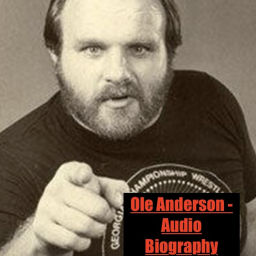
Podcast thumbnail for Ole Anderson - Audio Biography

Ole Anderson - Audio Biography

Claim This Podcast

by Inception Point AI

5.0(2 reviews)
1 episodes
Updated Inactive
Accepts GuestsHas SponsorsLocation 🇺🇸

Podcast Overview

Ole Anderson: A Wrestlers Journey Through Rebellion and Legacy From Minnesota roots to a rebellious spirit, Alan Robert Rogowski, better known as Ole Anderson, carved a unique path in the world of professional wrestling. Born in 1942, Anderson's career spanned over two decades, leaving an indelible mark on the industry as a wrestler, manager, promoter, and booker. Early Career and Family Ties: Anderson entered the wrestling world in 1967 under the ring name Rock Rogowski. In 1968, he joined his "kayfabe" (scripted) brothers Gene and Lars Anderson, forming the legendary Minnesota Wrecking Crew. This tag team became a mainstay in Jim Crockett Promotions, known for their brawling style and fierce competitiveness. While Lars eventually moved on, Gene and Ole remained a formidable duo, capturing the NWA World Tag Team Championship eight times throughout their career. Breaking with Tradition: In the late 1970s, Anderson began to distinguish himself from his brother and the traditional wrestling landscape. He adopted the ring name Ole Anderson and cultivated the persona of a brash, outspoken individual with a thick Minnesota accent. This character, while often depicted as a villain ("heel"), resonated with audiences due to its departure from the more reserved and heroic archetypes prevalent at the time. The Four Horsemen and Beyond: In 1986, Anderson made wrestling history as a founding member of The Four Horsemen. This iconic stable, alongside Ric Flair, Tully Blanchard, and Arn Anderson (his "kayfabe" cousin), revolutionized the industry with its focus on technical wrestling and behind-the-scenes machinations. While Anderson's in-ring career was nearing its end, his presence as a manager and strategist proved crucial to the group's success. Retirement and Legacy: Anderson officially retired from wrestling in 1988 but reappeared briefly as a Horseman member and later transitioned into management roles. He also dabbled in promoting and booking, demonstrating his versatility and dedication to the wrestling business. In 2024, Anderson passed away, leaving behind a legacy as a pioneer who helped usher in a new era of wrestling with his outspoken character and willingness to challenge traditional norms. He is remembered not only for his accomplishments in the ring but also for his impact on the evolution of the wrestling industry. Beyond the Ring: Outside the ring, Anderson was known for his sharp wit and business acumen. He was also an outspoken advocate for wrestlers' rights, challenging the monopolistic practices of some wrestling organizations. Ole Anderson's life and career offer a compelling story of an individual who carved his own path in a world often bound by tradition. He leaves behind a legacy of innovation, rebellion, and dedication that continues to inspire wrestlers and fans alike. This content was created in partnership and with the help of Artificial Intelligence AI.

Language

🇺🇲

Publishing Since

2/27/2024

2 verified contact emails on file for Ole Anderson - Audio Biography

Pitch yourself as a guest, propose sponsorships, or reach out directly to the host.

Recent Episodes

Episode thumbnail for Ole Anderson - Audio Biography

February 27, 2024

Ole Anderson - Audio Biography

Ole Anderson: A Wrestlers Journey Through Rebellion and Legacy From Minnesota roots to a rebellious spirit, Alan Robert Rogowski, better known as Ole Anderson, carved a unique path in the world of professional wrestling. Born in 1942, Anderson's career spanned over two decades, leaving an indelible mark on the industry as a wrestler, manager, promoter, and booker. Early Career and Family Ties: Anderson entered the wrestling world in 1967 under the ring name Rock Rogowski. In 1968, he joined his "kayfabe" (scripted) brothers Gene and Lars Anderson, forming the legendary Minnesota Wrecking Crew. This tag team became a mainstay in Jim Crockett Promotions, known for their brawling style and fierce competitiveness. While Lars eventually moved on, Gene and Ole remained a formidable duo, capturing the NWA World Tag Team Championship eight times throughout their career. Breaking with Tradition: In the late 1970s, Anderson began to distinguish himself from his brother and the traditional wrestling landscape. He adopted the ring name Ole Anderson and cultivated the persona of a brash, outspoken individual with a thick Minnesota accent. This character, while often depicted as a villain ("heel"), resonated with audiences due to its departure from the more reserved and heroic archetypes prevalent at the time. The Four Horsemen and Beyond: In 1986, Anderson made wrestling history as a founding member of The Four Horsemen. This iconic stable, alongside Ric Flair, Tully Blanchard, and Arn Anderson (his "kayfabe" cousin), revolutionized the industry with its focus on technical wrestling and behind-the-scenes machinations. While Anderson's in-ring career was nearing its end, his presence as a manager and strategist proved crucial to the group's success. Retirement and Legacy: Anderson officially retired from wrestling in 1988 but reappeared briefly as a Horseman member and later transitioned into management roles. He also dabbled in promoting and booking, demonstrating his versatility and dedication to the wrestling business. In 2024, Anderson passed away, leaving behind a legacy as a pioneer who helped usher in a new era of wrestling with his outspoken character and willingness to challenge traditional norms. He is remembered not only for his accomplishments in the ring but also for his impact on the evolution of the wrestling industry. Beyond the Ring: Outside the ring, Anderson was known for his sharp wit and business acumen. He was also an outspoken advocate for wrestlers' rights, challenging the monopolistic practices of some wrestling organizations. Ole Anderson's life and career offer a compelling story of an individual who carved his own path in a world often bound by tradition. He leaves behind a legacy of innovation, rebellion, and dedication that continues to inspire wrestlers and fans alike.

1 total episodes available

Deep-dive analytics for Ole Anderson - Audio Biography

Frequently asked questions

Have a different question and can't find the answer you're looking for? Reach out to our support team by sending us an email and we'll get back to you as soon as we can.

What is Ole Anderson - Audio Biography?

Ole Anderson: A Wrestlers Journey Through Rebellion and Legacy From Minnesota roots to a rebellious spirit, Alan Robert Rogowski, better known as Ole Anderson, carved a unique path in the world of professional wrestling. Born in 1942, Anderson's career spanned over two decades, leaving an indelible mark on the industry as a wrestler, manager, promoter, and booker. Early Career and Family Ties: Anderson entered the wrestling world in 1967 under the ring name Rock Rogowski. In 1968, he joined his "kayfabe" (scripted) brothers Gene and Lars Anderson, forming the legendary Minnesota Wrecking Crew. This tag team became a mainstay in Jim Crockett Promotions, known for their brawling style and fierce competitiveness. While Lars eventually moved on, Gene and Ole remained a formidable duo, capturing the NWA World Tag Team Championship eight times throughout their career. Breaking with Tradition: In the late 1970s, Anderson began to distinguish himself from his brother and the traditional wrestling landscape. He adopted the ring name Ole Anderson and cultivated the persona of a brash, outspoken individual with a thick Minnesota accent. This character, while often depicted as a villain ("heel"), resonated with audiences due to its departure from the more reserved and heroic archetypes prevalent at the time. The Four Horsemen and Beyond: In 1986, Anderson made wrestling history as a founding member of The Four Horsemen. This iconic stable, alongside Ric Flair, Tully Blanchard, and Arn Anderson (his "kayfabe" cousin), revolutionized the industry with its focus on technical wrestling and behind-the-scenes machinations. While Anderson's in-ring career was nearing its end, his presence as a manager and strategist proved crucial to the group's success. Retirement and Legacy: Anderson officially retired from wrestling in 1988 but reappeared briefly as a Horseman member and later transitioned into management roles. He also dabbled in promoting and booking, demonstrating his versatility and dedication to the wrestling business. In 2024, Anderson passed away, leaving behind a legacy as a pioneer who helped usher in a new era of wrestling with his outspoken character and willingness to challenge traditional norms. He is remembered not only for his accomplishments in the ring but also for his impact on the evolution of the wrestling industry. Beyond the Ring: Outside the ring, Anderson was known for his sharp wit and business acumen. He was also an outspoken advocate for wrestlers' rights, challenging the monopolistic practices of some wrestling organizations. Ole Anderson's life and career offer a compelling story of an individual who carved his own path in a world often bound by tradition. He leaves behind a legacy of innovation, rebellion, and dedication that continues to inspire wrestlers and fans alike.

This content was created in partnership and with the help of Artificial Intelligence AI.

How often does this podcast release new episodes?

This podcast updates inactive.

Where can I listen to this podcast?

This podcast is available on 8 platforms including Apple Podcasts, Spotify, and more. You can also use the RSS feed directly.

Does this podcast accept guests?

Information about guest appearances is not available.

Legal Disclaimer

Pod Engine is not affiliated with, endorsed by, or officially connected with any of the podcasts displayed on this platform. We operate independently as a podcast discovery and analytics service.

All podcast artwork, thumbnails, and content displayed on this page are the property of their respective owners and are protected by applicable copyright laws. This includes, but is not limited to, podcast cover art, episode artwork, show descriptions, episode titles, transcripts, audio snippets, and any other content originating from the podcast creators or their licensors.

We display this content under fair use principles and/or implied license for the purpose of podcast discovery, information, and commentary. We make no claim of ownership over any podcast content, artwork, or related materials shown on this platform. All trademarks, service marks, and trade names are the property of their respective owners.

While we strive to ensure all content usage is properly authorized, if you are a rights holder and believe your content is being used inappropriately or without proper authorization, please contact us immediately at hey@podengine.ai for prompt review and appropriate action, which may include content removal or proper attribution.

By accessing and using this platform, you acknowledge and agree to respect all applicable copyright laws and intellectual property rights of content owners. Any unauthorized reproduction, distribution, or commercial use of the content displayed on this platform is strictly prohibited.