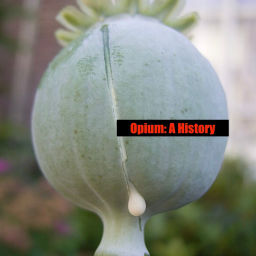
Podcast thumbnail for Opium: A History

Opium: A History

Claim This Podcast

by Inception Point AI

1 episodes
Updated Weekly
Accepts GuestsHas SponsorsLocation 🇺🇸

Podcast Overview

The history of opium is a fascinating and complex one, spanning thousands of years and touching every corner of the globe. From its earliest uses in ancient Mesopotamia to its role in shaping the modern world, opium has had a profound impact on human history, culture, and society. The opium poppy, Papaver somniferum, is believed to have originated in the Mediterranean region, where it has been cultivated for its medicinal and psychoactive properties for over 5,000 years. The earliest known references to opium date back to the Sumerian civilization of ancient Mesopotamia, where the poppy was known as "hul gil" or the "joy plant." The Sumerians used opium in religious ceremonies and as a medicinal remedy for pain and other ailments. From Mesopotamia, the use of opium spread to other ancient civilizations, including the Egyptians, Greeks, and Romans. In ancient Egypt, opium was used as a medicine and as a offering to the gods. The Greek physician Hippocrates, known as the father of Western medicine, recognized the medicinal properties of opium and prescribed it for a variety of ailments, including pain, diarrhea, and insomnia. The Roman Empire also made extensive use of opium, both as a medicine and as a recreational drug. The Roman philosopher and physician Galen wrote extensively about the medicinal uses of opium, and the drug was widely used by the Roman elite for its euphoric and sedative effects. As trade routes expanded in the ancient world, opium began to spread beyond the Mediterranean region. By the 7th century CE, Arab traders had introduced opium to Persia, India, and China, where it quickly gained popularity as both a medicine and a recreational drug. In Persia, opium was used to treat a variety of ailments, including dysentery, fever, and pain. The Persian physician Avicenna, one of the most influential medical writers of the Middle Ages, wrote extensively about the medicinal properties of opium in his famous work, "The Canon of Medicine." In India, opium has a long and complex history dating back over 1,000 years. The earliest known references to opium in India come from the Hindu scripture known as the Vedas, which mention a drink called "soma" that was used in religious ceremonies. Some scholars believe that soma may have contained opium, although this is still a matter of debate. Opium was also used in Ayurvedic medicine, the traditional system of medicine in India, where it was prescribed for a variety of ailments, including diarrhea, dysentery, and pain. The Mughal Empire, which ruled much of India from the 16th to the 19th centuries, cultivated opium poppies extensively and used opium as a source of revenue and as a tool of diplomacy. But it was in China that opium would have its most profound and lasting impact. Opium was first introduced to China by Arab traders in the 7th century CE, but its use remained limited until the 17th century, when Portuguese and Dutch traders began importing opium from India. By the early 18 This content was created in partnership and with the help of Artificial Intelligence AI.

Language

🇺🇲

Publishing Since

6/26/2024

2 verified contact emails on file for Opium: A History

Pitch yourself as a guest, propose sponsorships, or reach out directly to the host.

Recent Episodes

Episode thumbnail for Opium- A History

June 26, 2024

Opium- A History

The history of opium is a fascinating and complex one, spanning thousands of years and touching every corner of the globe. From its earliest uses in ancient Mesopotamia to its role in shaping the modern world, opium has had a profound impact on human history, culture, and society. <br />The opium poppy, Papaver somniferum, is believed to have originated in the Mediterranean region, where it has been cultivated for its medicinal and psychoactive properties for over 5,000 years. The earliest known references to opium date back to the Sumerian civilization of ancient Mesopotamia, where the poppy was known as "hul gil" or the "joy plant." The Sumerians used opium in religious ceremonies and as a medicinal remedy for pain and other ailments. <br />From Mesopotamia, the use of opium spread to other ancient civilizations, including the Egyptians, Greeks, and Romans. In ancient Egypt, opium was used as a medicine and as a offering to the gods. The Greek physician Hippocrates, known as the father of Western medicine, recognized the medicinal properties of opium and prescribed it for a variety of ailments, including pain, diarrhea, and insomnia. <br />The Roman Empire also made extensive use of opium, both as a medicine and as a recreational drug. The Roman philosopher and physician Galen wrote extensively about the medicinal uses of opium, and the drug was widely used by the Roman elite for its euphoric and sedative effects. <br />As trade routes expanded in the ancient world, opium began to spread beyond the Mediterranean region. By the 7th century CE, Arab traders had introduced opium to Persia, India, and China, where it quickly gained popularity as both a medicine and a recreational drug. <br />In Persia, opium was used to treat a variety of ailments, including dysentery, fever, and pain. The Persian physician Avicenna, one of the most influential medical writers of the Middle Ages, wrote extensively about the medicinal properties of opium in his famous work, "The Canon of Medicine." <br />In India, opium has a long and complex history dating back over 1,000 years. The earliest known references to opium in India come from the Hindu scripture known as the Vedas, which mention a drink called "soma" that was used in religious ceremonies. Some scholars believe that soma may have contained opium, although this is still a matter of debate. <br />Opium was also used in Ayurvedic medicine, the traditional system of medicine in India, where it was prescribed for a variety of ailments, including diarrhea, dysentery, and pain. The Mughal Empire, which ruled much of India from the 16th to the 19th centuries, cultivated opium poppies extensively and used opium as a source of revenue and as a tool of diplomacy. <br />But it was in China that opium would have its most profound and lasting impact. Opium was first introduced to China by Arab traders in the 7th century CE, but its use remained limited until the 17th century, when Portuguese and Dutch traders began importing opium from India. <br />By the early 18th century, the British East India Company had become the dominant force in the opium trade, and opium had become a major source of revenue for the British Empire. The Chinese government, recognizing the growing problem of opium addiction, attempted to ban the drug in 1729, but this only served to drive the trade underground and create a thriving black market. <br />In the early 19th century, the British Empire used its military and economic power to force China to open its markets to British goods, including opium. This led to the First Opium War (1839-1842), in which the British defeated the Chinese and forced them to sign the Treaty of Nanjing, which opened up five Chinese ports to British trade and ceded the island of Hong Kong to Britain. <br />The Second Opium War (1856-1860) resulted in even greater concessions from the Chinese government, including the legalization of opium and the opening of additional ports to foreign trade. By...

1 total episodes available

Deep-dive analytics for Opium: A History

Frequently asked questions

Have a different question and can't find the answer you're looking for? Reach out to our support team by sending us an email and we'll get back to you as soon as we can.

What is Opium: A History?

The history of opium is a fascinating and complex one, spanning thousands of years and touching every corner of the globe. From its earliest uses in ancient Mesopotamia to its role in shaping the modern world, opium has had a profound impact on human history, culture, and society. The opium poppy, Papaver somniferum, is believed to have originated in the Mediterranean region, where it has been cultivated for its medicinal and psychoactive properties for over 5,000 years. The earliest known references to opium date back to the Sumerian civilization of ancient Mesopotamia, where the poppy was known as "hul gil" or the "joy plant." The Sumerians used opium in religious ceremonies and as a medicinal remedy for pain and other ailments. From Mesopotamia, the use of opium spread to other ancient civilizations, including the Egyptians, Greeks, and Romans. In ancient Egypt, opium was used as a medicine and as a offering to the gods. The Greek physician Hippocrates, known as the father of Western medicine, recognized the medicinal properties of opium and prescribed it for a variety of ailments, including pain, diarrhea, and insomnia. The Roman Empire also made extensive use of opium, both as a medicine and as a recreational drug. The Roman philosopher and physician Galen wrote extensively about the medicinal uses of opium, and the drug was widely used by the Roman elite for its euphoric and sedative effects. As trade routes expanded in the ancient world, opium began to spread beyond the Mediterranean region. By the 7th century CE, Arab traders had introduced opium to Persia, India, and China, where it quickly gained popularity as both a medicine and a recreational drug. In Persia, opium was used to treat a variety of ailments, including dysentery, fever, and pain. The Persian physician Avicenna, one of the most influential medical writers of the Middle Ages, wrote extensively about the medicinal properties of opium in his famous work, "The Canon of Medicine." In India, opium has a long and complex history dating back over 1,000 years. The earliest known references to opium in India come from the Hindu scripture known as the Vedas, which mention a drink called "soma" that was used in religious ceremonies. Some scholars believe that soma may have contained opium, although this is still a matter of debate. Opium was also used in Ayurvedic medicine, the traditional system of medicine in India, where it was prescribed for a variety of ailments, including diarrhea, dysentery, and pain. The Mughal Empire, which ruled much of India from the 16th to the 19th centuries, cultivated opium poppies extensively and used opium as a source of revenue and as a tool of diplomacy. But it was in China that opium would have its most profound and lasting impact. Opium was first introduced to China by Arab traders in the 7th century CE, but its use remained limited until the 17th century, when Portuguese and Dutch traders began importing opium from India. By the early 18

This content was created in partnership and with the help of Artificial Intelligence AI.

How often does this podcast release new episodes?

This podcast updates weekly.

Where can I listen to this podcast?

This podcast is available on 4 platforms including Apple Podcasts, Spotify, and more. You can also use the RSS feed directly.

Does this podcast accept guests?

Yes, this podcast regularly features guests.

Legal Disclaimer

Pod Engine is not affiliated with, endorsed by, or officially connected with any of the podcasts displayed on this platform. We operate independently as a podcast discovery and analytics service.

All podcast artwork, thumbnails, and content displayed on this page are the property of their respective owners and are protected by applicable copyright laws. This includes, but is not limited to, podcast cover art, episode artwork, show descriptions, episode titles, transcripts, audio snippets, and any other content originating from the podcast creators or their licensors.

We display this content under fair use principles and/or implied license for the purpose of podcast discovery, information, and commentary. We make no claim of ownership over any podcast content, artwork, or related materials shown on this platform. All trademarks, service marks, and trade names are the property of their respective owners.

While we strive to ensure all content usage is properly authorized, if you are a rights holder and believe your content is being used inappropriately or without proper authorization, please contact us immediately at hey@podengine.ai for prompt review and appropriate action, which may include content removal or proper attribution.

By accessing and using this platform, you acknowledge and agree to respect all applicable copyright laws and intellectual property rights of content owners. Any unauthorized reproduction, distribution, or commercial use of the content displayed on this platform is strictly prohibited.