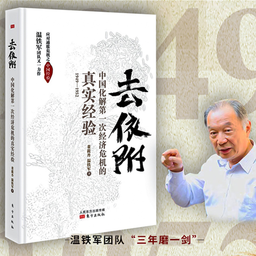
去依附:中国化解第一次经济危机的真实经验-温铁军
Claim This Podcastby 多云下的蛋
Podcast Overview
<p style="font-size:17px;line-height:30px;margin:10px 0px;color:#333333;font-weight:900;" data-flag="subtitle"><span><a href="https://www.ximalaya.com/album/76000508" style="color:#4990E2;text-decoration:none;"><span><span>更多专辑请点击:《全球化与国家竞争》</span></span></a></span></p><p style="font-size:17px;line-height:30px;margin:10px 0px;color:#333333;font-weight:900;" data-flag="subtitle"><span><a href="https://www.ximalaya.com/album/75984938" style="color:#4990E2;text-decoration:none;"><span><span>《居危思危》、《告别百年激进》</span></span></a></span></p><p style="font-size:17px;line-height:30px;margin:10px 0px;color:#333333;font-weight:900;" data-flag="subtitle"><span><a href="https://www.ximalaya.com/album/75992036" style="color:#4990E2;text-decoration:none;"><span><span>《八次危机》、《去依附》</span></span></a></span></p><p style="font-size:17px;line-height:30px;margin:10px 0px;color:#333333;font-weight:900;" data-flag="subtitle"><span><a href="https://www.ximalaya.com/album/75648223" style="color:#4990E2;text-decoration:none;"><span><span>《解构现代化》</span></span></a></span></p><p style="color:#333333;font-weight:normal;font-size:16px;line-height:30px;font-family:Helvetica,Arial,sans-serif;hyphens:auto;text-align:justify;">中国成功化解了1949—1952年的第1次通胀危机,其经验不仅对其他深陷“发展陷阱”的发展中国家具有指导意义,也正是解决我国现在经济问题之关键。吸纳中国本土的成功经验,使中国经济平稳增长,才能在世界百年未有之大变局中抓住中国的机遇。</p><p style="color:#333333;font-weight:normal;font-size:16px;line-height:30px;font-family:Helvetica,Arial,sans-serif;hyphens:auto;text-align:justify;" data-flag="normal">本书为温铁军团队继《八次危机》后推出的Z新研究成果,详细记录了我国应对第1次通胀危机的真实经验。1949年中华人民共和国成立,当时既要应对民国延续下来的长期高通胀,又要处置经济发展所内生的新矛盾,正如作者所言“一波未平,一波又起”。最终,中国共产党靠土改提高农民生产积极性,靠增量农产品稳定供给压低城市物价,成功吸纳了过量增发的货币,实现了经济的软着陆。</p><p style="color:#333333;font-weight:normal;font-size:16px;line-height:30px;font-family:Helvetica,Arial,sans-serif;hyphens:auto;text-align:justify;" data-flag="normal">中国靠乡村土改缓解了通胀危机,而大多数没有开展土地革命的发展中国家至今仍难以从“发展陷阱” 中自拔。这些国家虽然在政治上取得独立,在经济上却又陷入了困境。对比中国经验,探寻如何应对此前半殖民地经济遗留下来的高通胀,归纳其经验和机制,对深化发展经济学理论研究,指导广大发展中国家经济发展,甚至指导世界各国应对通胀危机,都具有重要意义。</p><p style="color:#333333;font-weight:normal;font-size:16px;line-height:30px;font-family:Helvetica,Arial,sans-serif;hyphens:auto;text-align:justify;" data-flag="normal">对发展经济学的创新,和对发展中国家的启示。民国转向现代化纸币信用的金融改革与当代金融“深改”类似,都是应对输入型危机的产物。其实,远在改成法币之前16世纪中叶开始的白银本位时代,明清政府就遭到国内白银余缺受国际白银供给波动的困扰了。法币的推行,不仅彻底改变了中国自明朝以来的白银币制,也使中国越过金本位而直接演进到纸币时代。沉痛教训至今仍值得记取。<br /></p>
Language
🇨🇳
Publishing Since
5/12/2023
1 verified contact email on file for 去依附:中国化解第一次经济危机的真实经验-温铁军
Pitch yourself as a guest, propose sponsorships, or reach out directly to the host.
Recent Episodes

May 19, 2023
第49章:第七章 结语 对发展经济学的创新和对发展中国家的启示

May 19, 2023
第48章:国家资本的初步壮大

May 19, 2023
第47章:第二次逆周期调节
49 total episodes available
Similar Podcasts
Discover related shows you might enjoy
Deep-dive analytics for 去依附:中国化解第一次经济危机的真实经验-温铁军
Frequently asked questions
Have a different question and can't find the answer you're looking for? Reach out to our support team by sending us an email and we'll get back to you as soon as we can.
- What is 去依附:中国化解第一次经济危机的真实经验-温铁军?
<p style="font-size:17px;line-height:30px;margin:10px 0px;color:#333333;font-weight:900;" data-flag="subtitle"><span><a href="https://www.ximalaya.com/album/76000508" style="color:#4990E2;text-decoration:none;"><span><span>更多专辑请点击:《全球化与国家竞争》</span></span></a></span></p><p style="font-size:17px;line-height:30px;margin:10px 0px;color:#333333;font-weight:900;" data-flag="subtitle"><span><a href="https://www.ximalaya.com/album/75984938" style="color:#4990E2;text-decoration:none;"><span><span>《居危思危》、《告别百年激进》</span></span></a></span></p><p style="font-size:17px;line-height:30px;margin:10px 0px;color:#333333;font-weight:900;" data-flag="subtitle"><span><a href="https://www.ximalaya.com/album/75992036" style="color:#4990E2;text-decoration:none;"><span><span>《八次危机》、《去依附》</span></span></a></span></p><p style="font-size:17px;line-height:30px;margin:10px 0px;color:#333333;font-weight:900;" data-flag="subtitle"><span><a href="https://www.ximalaya.com/album/75648223" style="color:#4990E2;text-decoration:none;"><span><span>《解构现代化》</span></span></a></span></p><p style="color:#333333;font-weight:normal;font-size:16px;line-height:30px;font-family:Helvetica,Arial,sans-serif;hyphens:auto;text-align:justify;">中国成功化解了1949—1952年的第1次通胀危机,其经验不仅对其他深陷“发展陷阱”的发展中国家具有指导意义,也正是解决我国现在经济问题之关键。吸纳中国本土的成功经验,使中国经济平稳增长,才能在世界百年未有之大变局中抓住中国的机遇。</p><p style="color:#333333;font-weight:normal;font-size:16px;line-height:30px;font-family:Helvetica,Arial,sans-serif;hyphens:auto;text-align:justify;" data-flag="normal">本书为温铁军团队继《八次危机》后推出的Z新研究成果,详细记录了我国应对第1次通胀危机的真实经验。1949年中华人民共和国成立,当时既要应对民国延续下来的长期高通胀,又要处置经济发展所内生的新矛盾,正如作者所言“一波未平,一波又起”。最终,中国共产党靠土改提高农民生产积极性,靠增量农产品稳定供给压低城市物价,成功吸纳了过量增发的货币,实现了经济的软着陆。</p><p style="color:#333333;font-weight:normal;font-size:16px;line-height:30px;font-family:Helvetica,Arial,sans-serif;hyphens:auto;text-align:justify;" data-flag="normal">中国靠乡村土改缓解了通胀危机,而大多数没有开展土地革命的发展中国家至今仍难以从“发展陷阱” 中自拔。这些国家虽然在政治上取得独立,在经济上却又陷入了困境。对比中国经验,探寻如何应对此前半殖民地经济遗留下来的高通胀,归纳其经验和机制,对深化发展经济学理论研究,指导广大发展中国家经济发展,甚至指导世界各国应对通胀危机,都具有重要意义。</p><p style="color:#333333;font-weight:normal;font-size:16px;line-height:30px;font-family:Helvetica,Arial,sans-serif;hyphens:auto;text-align:justify;" data-flag="normal">对发展经济学的创新,和对发展中国家的启示。民国转向现代化纸币信用的金融改革与当代金融“深改”类似,都是应对输入型危机的产物。其实,远在改成法币之前16世纪中叶开始的白银本位时代,明清政府就遭到国内白银余缺受国际白银供给波动的困扰了。法币的推行,不仅彻底改变了中国自明朝以来的白银币制,也使中国越过金本位而直接演进到纸币时代。沉痛教训至今仍值得记取。<br /></p> - How often does this podcast release new episodes?
This podcast updates daily.
- Where can I listen to this podcast?
This podcast is available on 4 platforms including Apple Podcasts, Spotify, and more. You can also use the RSS feed directly.
- Does this podcast accept guests?
Information about guest appearances is not available.
Legal Disclaimer
Pod Engine is not affiliated with, endorsed by, or officially connected with any of the podcasts displayed on this platform. We operate independently as a podcast discovery and analytics service.
All podcast artwork, thumbnails, and content displayed on this page are the property of their respective owners and are protected by applicable copyright laws. This includes, but is not limited to, podcast cover art, episode artwork, show descriptions, episode titles, transcripts, audio snippets, and any other content originating from the podcast creators or their licensors.
We display this content under fair use principles and/or implied license for the purpose of podcast discovery, information, and commentary. We make no claim of ownership over any podcast content, artwork, or related materials shown on this platform. All trademarks, service marks, and trade names are the property of their respective owners.
While we strive to ensure all content usage is properly authorized, if you are a rights holder and believe your content is being used inappropriately or without proper authorization, please contact us immediately at hey@podengine.ai for prompt review and appropriate action, which may include content removal or proper attribution.
By accessing and using this platform, you acknowledge and agree to respect all applicable copyright laws and intellectual property rights of content owners. Any unauthorized reproduction, distribution, or commercial use of the content displayed on this platform is strictly prohibited.


