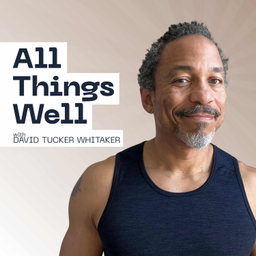
Jesus did “all things well” (Mark 7:37), and those that follow and serve him should strive to do the same.
This weekly podcast show doesn’t just explore scripture, it applies scripture to our everyday lives, in areas like health & wellness, business, investing, technology, and more.
Catch David Tucker Whitaker and guests live every Tuesday, or watch/listen to the replays on YouTube, Spotify, and Apple Podcasts.
Learn more at tuckerwhit.com
www.allthingswell.net (https://www.allthingswell.net/s/podcast?utm_medium=podcast)
This week, we continue our Stewardship Series with a discussion about a resource that we can’t get more of: time. We don’t know how much of it we have, and so we are charged to make good us of it.
“Look carefully then how you walk, not as unwise but as wise, making the best use of the time, because the days are evil. Therefore do not be foolish, but understand what the will of the Lord is.”
— Ephesians 5:15-17
Most conversations about time management go straight to productivity hacks. Time blocking. Morning routines. Inbox zero.
This one goes deeper.
Hard Truth: Most people aren’t misusing time because they’re lazy or because they’re workaholics. Those are symptoms. The root cause is fear. Fear of failing. Fear of stopping. Fear of what they’ll have to face when the busyness runs out.
Key Questions Explored:
* Why do people who work themselves to exhaustion also have the most regrets?
* What is the psychology behind procrastination— nd why does “I’ll do it when...” seldom works?
* What does the Bible mean when it calls rest a commandment, not a reward?
* How do you know whether your busyness is purpose or anxiety wearing ambition’s clothes?
* What would change if you treated rest as an act of obedience?
This conversation goes places most productivity content never reaches — personal testimonies, biblical profiles of time misuse, and a real framework for understanding which season you’re actually in.
Listen to the episode (or watch the live stream recording on YouTube at yt.tuckerwhit.com) and prepare to have an important evaluation of how you’re stewarding your time.
This is a public episode. If you'd like to discuss this with other subscribers or get access to bonus episodes, visit www.allthingswell.net/subscribe (https://www.allthingswell.net/subscribe?utm_medium=podcast&utm_campaign=CTA_2)
2 Apr 2026
Faithful with Little
This week, we continued our Stewardship Series with an important, and in-depth conversation, about financial stewardship, wealth formation, and what God desires to see from us before He trusts us with more. The lesson started with Luke 16:10-11:
“One who is faithful in a very little is also faithful in much, and one who is dishonest in very little is also dishonest in much. If then you have not been faithful in the unrighteous wealth, who will entrust to you the true riches?”
Most believers who desire wealth have the prayer requests ready. The vision board. The faith declaration.
What they are often missing, unfortunately, is the thing that God desires most—a track record of faithfulness with what’s already in their hands.
Hard Truth: Financial instability in the church is rarely just an income problem. It’s a formation problem. Low financial literacy. Low discipline. Emotional spending. No accountability. Short time horizons. The even harder truth is that if wealth was transferred to us today, very few of us would actually know what to do with it—which is why God hasn’t allowed it.
Key Questions Explored:
* Why do so many believers want the fruit of wealth but neglect the practices that make wealth safe?
* What is the “wealth transfer” actually about — and are you in position to receive or facilitate it?
* What does a biblical, practical wealth readiness system actually look like?
This conversation goes deep—personal testimonies, real theology, and practical tools for building a stewardship foundation worth trusting. Listen to the episode (or watch the live stream recording on YouTube at yt.tuckerwhit.com) and prepare to have your financial stewardship muscles stretched.
This is a public episode. If you'd like to discuss this with other subscribers or get access to bonus episodes, visit www.allthingswell.net/subscribe (https://www.allthingswell.net/subscribe?utm_medium=podcast&utm_campaign=CTA_2)
25 Mar 2026
How to Be a Good Steward
In one of our most challenging episodes yet, we explored the depths of stewardship, and why so many of us are falling short in different areas of our assignments. The anchor scripture was Luke 12:42–48:
“And the Lord said, who then is the faithful and wise manager whom his master will set over his household? to give them their portion of food at the proper time. Blessed is that servant whom his master will find so doing when he comes. Truly, I say to you, he will set him over all his possessions. But if that servant says to himself, my master is delayed in coming and begins to beat the male and female servants and to eat and drink and get drunk, the master will come on a day and when he does not expect him and at an hour he does not know and he will cut him in pieces and put him with the unfaithful. And that servant who knew his master’s will but did not get ready or act according to his will will receive a severe beating. But the one who did not know and did what deserved a beating will receive a light beating. Everyone to whom much was given of him, much will be required. And from him to whom they entrusted much, they will demand the more.”
Most of us know what stewardship means. We’ve heard the sermons. We know the categories—time, talent, treasure.
What we don’t talk about is why we keep falling short even when we know better. Even when we genuinely want to do better.
This session doesn’t offer easy answers. It names the actual problem—and it’s not laziness, nor disobedience. It’s something more insidious—something the research has a clinical name for, and something the body of Christ has been walking in for longer than we want to admit.
Hard Truth: The enemy doesn’t need to convince you that God can’t help you. He just needs to convince you there’s nothing you can do to help yourself.
That’s learned helplessness, and it shows up in every area of life—health, finances, relationships, ministry—in ways we don’t always recognize as powerlessness until someone points it out.
Key questions explored in this session:
* What’s actually stopping you from stewarding your life well — and why is it rarely what you think?
* What happens when “just trust God” becomes a way of opting out of your assignment?
* Why does a sense of powerlessness directly predict self-destructive habits — and what does that mean for the body of Christ?
This is part one of the stewardship series. It sets the stage for more deep and insightful conversations to come. It will step on some toes. That’s the point. Listen to the episode (or watch the live stream recording on YouTube at yt.tuckerwhit.com) and prepare to be challenged—in a good way.
This is a public episode. If you'd like to discuss this with other subscribers or get access to bonus episodes, visit www.allthingswell.net/subscribe (https://www.allthingswell.net/subscribe?utm_medium=podcast&utm_campaign=CTA_2)
Reach and audience
Public platform figures. Ratings count people who left a rating, not total listeners.
Apple Podcasts (US)
5.0 / 5
1 ratings
Host of All Things Well?
Claim your podcast to manage its listing and keep your show details accurate.
Pod Engine is an independent podcast discovery and analytics service and is not affiliated with or endorsed by this podcast. Artwork and show content belong to their owners. Full legal notice.
Explore this show Podcast research with Pod Engine