- 12
- Episodes
- Weekly
- Cadence
- 2026
- First episode
About American Regret
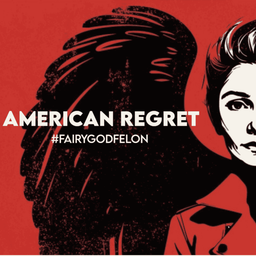
Smart people don't ruin their lives by accident. They do it by being convincing — and the person they convince is themselves. American Regret is a forensic examination of how capable, self-aware people talk themselves into the choices that end their lives as they knew them — and how the rest of us are doing the exact same thing right now, just with smaller stakes and no federal agents involved yet. Every episode takes one person who had everything to lose and lost it: the cancer researcher who trusted the wrong person, the dealer who cooperated with the DEA for six years and called it bad luck, the Border Patrol agent who refused to cooperate and did the time. We don't tell their stories for the shock. We dissect them for the pattern — the rationalization, the language people use on themselves, the four seconds of hearing yourself clearly that separates the people who stayed free from the ones who didn't. This isn't true crime and it isn't self-help. There's no healing arc, no five steps, no redemption on a schedule. Just the unflinching architecture of self-deception, examined by someone who built her own and did her time taking it apart. Your host is Deana Martin — the Fairy GodFelon. She's not a doctor or a coach. She's the smartest person who was ever wrong about everything, finally telling the truth. New episodes every two weeks. Listen close. You're going to recognize someone. The problem is it's going to be you.
- Publisher
- American Regret
- Category
- society & culture · true crime
- Language
- en
- Explicit
- No
- First episode
- 7 Jul 2026
- Latest episode
- 19 Oct 2026
Latest episodes
12 episodes in the feed.
19 Oct 2026
Episode 5B: Unopened Letters: She Never Had to Apologize.
A son who was eleven in a towel when the rifles came through the door, his mother home from fourteen years in federal prison, and the argument neither of them could have until the recorder was running. THIS EPISODE, THE BOOTH STAYS EMPTYNormally I sit with someone, then come back to the booth and tell you what they couldn't see about themselves. About twelve minutes into my conversation with Hector, his mother, in the room with us, corrected him. He pushed back, and fourteen years of unsaid things came up for air. I stopped being an interviewer and became a referee, a translator, sometimes just the second felon in the room saying what the two of them couldn't say to each other. Everything I'd normally tell you from the booth, I said to their faces. THE HOOKHector was eleven, wrapped in a towel, when four men with rifles came through the bathroom door. He shut it in their faces. Then he got dressed and went to school that same day like nothing happened, and kept doing a version of that for the next fourteen years while his mother served her sentence. She wrote him every week. When she came home, she found the letters in a pile, unopened. THE PATTERNHow does prison change a person? Ask the kid who stayed outside. When a parent goes away, the world expects the child to be quiet the whole time they're gone and grateful when they come home. Hector did the quiet part for fourteen years: internalizing everything, holding himself and everyone around him to a standard, letting the phone ring when he knew answering meant getting chewed out. Then she came home, and reconnecting with a parent after years apart turned out to be where the work started. Two people who love each other, both changed by the years, each convinced the other one has to bend. QUESTIONS THIS EPISODE ANSWERS- How does prison change a person, and how long does it take them to come back?- How do you reconnect with a parent after years of no contact?- How do you rebuild a relationship with someone who isn't the person they were when they left?- Why do kids of incarcerated parents stop answering the phone?- What is it like to be the child left behind when a parent goes to prison? KEY MOMENTS00:18 Fourteen years of letters, written weekly, opened never. He says twice she had nothing to apologize for. The letters say he couldn't stand to hear her try.03:08 Eleven years old, a towel, four rifles in the bathroom doorway. He went to school that same day.07:25 "I internalize things. Even the most minor things, I internalize them."16:53 The standoff. "You have to accept me with everything... but as a felon." / "But I think you should also accept us as not being that."20:07 Two rocks crashing: the diagnosis of what they do to each other, said to both their faces.26:04 "She never had to apologize for anything." Then the pile of unopened letters.31:31 "Try doing a year. And come back and tell me that you didn't change."34:12 Institutionalization: what prison does to a person, and why coming home isn't a rubber band snapping back.52:39 Why he didn't answer her calls for years. "Why would I answer just to get my ass chewed out?"55:07 To the parent inside: "You don't really know what's going on out here... it's hard out here, especially for a young kid." THE FAIRY GODFELON TAKEHector says, twice, that his mother never had anything to apologize for. Then you learn that when she came home, she found fourteen years of her weekly letters in a pile, unopened. Both things are true, and the gap between them is the whole man. Opening one meant hearing his mother apologize for being gone, and he could not stand to hear her do it. That's a kid who learned at eleven that you survive a thing by acting like it isn't happening, and who ran that program for fourteen years until it became the only way he knew how to love anybody: hold them to a standard, never let them see what it costs you. When you hear the two of them go at each other in this episode, you're hearing two people who ref
19 Oct 2026
HE VS. SHE: Dublin Was a R*pe Club and a Payday
FCI Dublin was nicknamed the r*pe club, and it earned the name. The warden went to federal prison. So did the chaplain. The government paid $116 million to 103 women. I was the unit legal clerk in Danbury when the Dublin women transferred in, and at least four of them told me, in their own words, what they did with the payday. If you came here with a side in the gender war already picked, I’m about to take it from you. The Pattern What happens when a real prison sexual abuse scandal turns into a payout, and everyone involved does the same math: what do I want, and is the door open? Guards, inmates and the Bureau of Prisons all answered it. The gender war needs FCI Dublin to be he versus she. Every person in it was on their own side. Questions This Episode Answers What happened at FCI Dublin, the women’s prison called the r*pe club? Why did the government pay $116 million in the FCI Dublin settlement? Can a prison inmate legally consent to sex with a guard? Did women file false claims in the FCI Dublin settlement? Why does every gender war argument turn into men versus women? Key Moments 00:00 — “FCI Dublin was nicknamed the r*pe club, and I did time with women who turned it into a payday.” Both camps get told to stay. 00:01 — The scoreboard. Cornell goes on one board, Lindsay Clancy on the other. Nobody keeps a scoreboard of their own side’s worst day. 00:02 — Who holds the pen. A guard decides when you eat, who you call, and whether your release date holds. That’s why the law says you can’t say yes to him. 00:03 — The Lambo. She seduced the guard on purpose, sued, won, and bought the car. The law calls her a victim. She’d call herself a businesswoman. 00:04 — The DNA. A garment, a split sample, two women, two six-figure settlements. Nobody had touched either of them. 00:05 — Voluntary opportunists. Every dollar drawn against the complaint of a woman who really was assaulted. 00:06 — The final score. Gender has nothing to do with it. 00:07 — How one prison becomes a verdict on half the species, and who pays for it: the next woman who reports a guard. The Fairy GodFelon Take Everyone in Dublin made a decision, and the gender war erases every one of them. The guard who knew the law and decided she was worth the risk made a choice. So did the woman who decided what she would trade for a lifestyle waiting on the outside, and the woman who heard the BOP was writing checks and wrote herself a story to match. The Bureau of Prisons made one too: it bought its way out of a scandal rather than fix the place that produced it. A slogan lets you skip every one of those decisions and go straight to a verdict on half the species, which is exactly why slogans sell. Score the decision, and the he-versus-she board stops working. What To Do With This Pick the slogan you reach for when a story like this breaks. Men are predators. Women lie. Whichever one feels true to you. Now name one person you actually know who breaks it. Then ask yourself why arguing about half the species feels easier than looking at what that one person decided. Resources & Related Mentioned in this episode: FCI Dublin prosecutions: former warden Ray Garcia (70 months), former chaplain James Highhouse (80 months) The $116 million settlement with 103 women (2024) The Prison Rape Elimination Act (PREA) The Cornell Chi Phi case, reopened September 2026 The Lindsay Clancy mistrial, September 2026 Next Episode Tease The Dublin staff knew how to keep a secret. Next time: the guards’ brotherhood. Credits Host: Deana Martin, The Fairy GodFelon. Production: American Regret. Follow & Listen Listen everywhere: pod.link/6788405697 (Apple, Spotify, iHeartRadio, Podbean, and more) Watch on YouTube: youtube.com/@AmericanRegret Instagram: instagram.com/fairygodfelon TikTok: tiktok.com/@americanregret Facebook: facebook.com/AmericanRegret Reddit: reddit.com/r/AmericanRegretPod
15 Oct 2026
From Rodeo Drive to a Five-Day Breakfast Shift
A few years ago I ran what was arguably the largest weed delivery business of its time: a million dollars a month, a house on Toluca Lake, shopping on Rodeo Drive. Last week a breakfast place fired me after five days for being too proud. Before that, I watched the owner spend twenty minutes standing over a teenage hostess in front of customers, and I said nothing. The pattern: an owner who can name his worst trait out loud, then staffs his floor with kids too young to make him do anything about it. 00:00 From Rodeo Drive to a breakfast shift 00:31 The kids at the host station 01:09 The corned beef hash standoff 02:10 The server nobody would name 02:29 Twenty minutes at the host stand 03:26 What I did, and what I didn't 04:05 The 20-year-old manager 05:15 Fired for being too proud 05:53 Why he hires young 06:09 What I told him on the way out 07:17 Watch the staff 07:52 What I regret Every owner has a worst trait. The dangerous ones know exactly what theirs is, say it out loud, and build a staff too young to push back. Confession without consequence becomes a permission slip. The bystander math has its own architecture too: I had run kitchens, I knew what a correction looked like, and I still weighed a breakfast paycheck against a kid's dignity and let the paycheck win for twenty minutes. I was sentenced to 48 months in federal prison. Some lessons are priceless secondhand. Subscribe to American Regret so the next episode finds you. Listen: https://lp1.americanregret.net/tune-in Instagram: https://www.instagram.com/fairygodfelon/ TikTok: https://www.tiktok.com/@americanregret Facebook: https://www.facebook.com/AmericanRegret Reddit: https://www.reddit.com/r/AmericanRegretPod
8 Oct 2026
CORNELL: Your Mother Must be SO PROUD
f your son was one of the seven men in that room at Cornell, you’d find a way to call it a mistake. If your daughter was the one on the other end of it, you’d call it the worst night of her life. You already know both of those sentences are true. Everybody covering this case is arguing about who, where, when, and why — because those four questions have an exit on every side. I’m not interested in the exits. I raised a son who was active in a fraternity. I’ve sat on the side of the courtroom that decides someone’s fate. And people close to me have survived exactly what’s being argued about here like it’s abstract. So forget who, where, when, and why. Here’s what’s actually in dispute: intoxicated and absent are not the same word. There’s a line somewhere between “had a few drinks” and her own words to investigators — “the lights are on, but nobody’s home.” And here’s the one piece of this case you don’t need a jury for: four men and zero women went to check on her. Nobody in the history of actual wellness checks has ever needed that ratio to ask if somebody’s okay. Three questions, yes or no. Would you have traded places with her? Would you have wanted your sister there instead? Your daughter? And would your mother have been proud of what you did in that room? If your answer starts with “you have to understand,” you’re not answering the question — you’re building an excuse, and part of you already knows it. The DA’s own decision called her intoxicated, not forced — his word — in the same decision that closed this case without ever picking up the phone to call her. I have real questions about that. And I still wonder why boys come first in 2026. Tell me I’m wrong. If this one got under your skin, that’s the show. Subscribe for the next one. Listen Everywhere: https://lp1.americanregret.net/tune-inInstagram: https://instagram.com/fairygodfelonTikTok: https://tiktok.com/@americanregretFacebook: https://facebook.com/americanregretReddit: https://reddit.com/r/americanregret
6 Oct 2026
I'll Choose the Man over the Bear...Every Time.
My daughter once described online dating as wading through a pile of shit looking for something shiny. I thought that was hilarious enough to climb into a porta-potty and make a reel about it. Nobody watched it. The metaphor wasn't wrong about the pile — it was wrong about the shiny thing. Everybody standing in it thinks they're the one. This is the full accounting: the dating profiles that should come with a warning label, the exact moment a man becomes "they," and the three men who actually taught me what pattern recognition costs — Keith, Adam, and Eric. It ends on the bear. You know the one. I'm still picking the man, every time, and I'll tell you exactly why. If you've ever built an entire theory about the opposite sex out of one bad profile, this one's for you. 0:00 The Shiny Thing1:14 Gentlemen, Your Dating Profile Needs Help2:23 When "A Man" Becomes "They"2:43 Categories, Keith, and 25 Years in the Wild5:11 Adam, Eric, and Mistaking the Opposite for the Answer8:02 The Bear9:28 The Real Close New solocasts and full episodes drop regularly — subscribe so you don't miss the next one. Instagram: https://www.instagram.com/fairygodfelon/TikTok: https://www.tiktok.com/@americanregretFacebook: https://www.facebook.com/AmericanRegret
2 Oct 2026
Episode 5A: What You Do With a Consequence That Was Never Yours?
HOOK Someone else's mess just became your mess. You didn't sign up for it or do anything to deserve it — you happened to be in the room, or the family, or on the lease when their choice became everyone's problem. Suhay was twenty, asleep with her one-year-old, when she turned over and saw a gun pointed at her face. Two days later, the letter came: she'd passed every exam for the Border Patrol Academy, and the federal system no longer wanted her. She lost a career she didn't choose to lose, and fourteen years she never sentenced herself to. The person who got arrested isn't the subject here. The subject is what you do with a consequence that was never yours. THE PATTERN When someone else's choice lands on you — a parent, a partner, a sibling whose decision became your problem — the easiest thing in the world is to spend years building a case against them in your head, pulling it out anytime your own life isn't working. Suhay refuses to do that. She names the pattern she inherited without using her mother's failures as the alibi for it. You don't have to forgive someone to stop running their tab. QUESTIONS THIS EPISODE ANSWERS How do you stop blaming your parents — for everything, for the past, for the patterns you're still repeating? How do you stop repeating the same relationship patterns you watched growing up? What happens to the kids when a parent goes to prison and the consequences land on people who didn't commit the crime? How do you grieve a loss you never had time to mourn because you were keeping everyone else alive? When does having a feeling about someone else's situation cross the line into doing damage? KEY MOMENTS 00:00 — "I just saw a gun pointed in my face." The raid, from the inside, before anything is explained. 00:02–00:03 — Twenty years old, refusing to hand over her baby: "I'll step out, but I'm not gonna give you my baby. I'll walk out with my baby." Her grandmother in tears, her brother in a towel, the nanny crying on the floor. 00:04 — (Fairy GodFelon) "What do you do with a consequence that is not yours?" The question the episode is built to answer. 00:10–00:11 — Two days later, the letter. She'd passed every exam for the Border Patrol Academy. Eliminated from consideration. "Some labels you inherit just by sharing a last name." 00:18 — (Fairy GodFelon) Feeling demands a vehicle. Having a feeling about something is not the same as having standing in it. Which side of that gap are you on? 00:24 — "I've made the worst choices, and I don't blame my mom." The cleanest line in the conversation. She names the inherited pattern and refuses the alibi in the same breath. 00:29 — The homecoming. Martha comes home without telling anyone, the same weekend Suhay gets COVID bad enough to call an ambulance herself. "I opened the door and my mom's standing right there. I thought I'd died and gone to heaven." She hands her mother all four grandkids and leaves for the hospital for three weeks. 00:32–00:33 — Why she kept her distance for fourteen years: "Every time I would leave the prison, it was heartbreak again. I would hate it when I got mail from my mom. It's real, and you get to relive it time after time." 00:35 — (Fairy GodFelon) The bill on postponed grief. If you kept it together for years because somebody had to, the loss didn't evaporate. It got stored. Pay it slowly, but pay it. THE FAIRY GODFELON TAKE There's a version of this story where Suhay spends fourteen years building a case against her mother — a tidy explanation she could reach for every time her own life wobbled. She had every right to it. She was twenty, holding a baby, with a brother to raise, a grandmother starting to falter, and a career the federal government erased two days after the raid for the crime of sharing a last name. Nobody would have blamed her for being bitter. But here's what she actually does: she names the pattern she inherited — the relationships where the minimum felt like enough, the same shape repeating —
2 Oct 2026
Christa Pike Survived Her Own Execution. Now What? l Solo
I served time with a woman who did something comparably brutal to what put Christa Pike on death row. She's doing twenty-one years at a federal camp. Pike was scheduled to die Wednesday night, and she survived the execution. Same government, two eighteen-year-olds, two completely different answers, and a botched execution that raises a harder question than anyone's actually asking. I'm not telling you Cinthya Proctor deserved worse, or that Christa Pike deserves less. That's not my call, on either side. What I will tell you is that the standard moves depending on who's standing in front of it. After Wednesday night, I've landed somewhere specific on what should happen to Pike now. You don't have to land there too, but you don't get to call this simple anymore. Full show: lp1.americanregret.net/tune-in Tags: Christa Pike, Cinthya Proctor, Tennessee execution, death penalty, botched execution, Colleen Slemmer, death row, American Regret, Fairy GodFelon, true crime commentary
27 Sept 2026
I Was the Hillbilly: My Son's Wedding as a Convicted Felon | Solo
My son got married in Tennessee, and I went down there carrying every Northern assumption you can have about a Southern wedding. The bride's side looked like Pinterest. Our side looked like the Feds opened intake. This is a solo episode about life after federal prison and how far a felony follows you, into rooms where nobody is even talking about prison. The flower boys stole the show. I got two minutes on the dance floor with my son. Then the bride's father played saxophone into three million views, and I figured out what a criminal record really rearranges. A felony rearranges your biography. The worst chapter becomes the first thing people know. And they're not wrong. So what do you do with that? You build the next evidence. In this episode:– What it's like to be the mother of the groom with a felony record– Why the worst chapter of your life becomes the first thing people know– Living with regret without living in it– Building a second chance instead of arguing for the old version of yourself Watch the video version: https://youtu.be/zF08eQqa6B4 I'm Deana Martin, your Fairy GodFelon. I was sentenced to 48 months in federal prison, and I have zero patience for self-delusion. American Regret takes apart how smart people talk themselves into catastrophic decisions, so you can catch yourself before you become the story. Listen everywhere: https://lp1.americanregret.net/tune-inInstagram: https://www.instagram.com/fairygodfelon/TikTok: https://www.tiktok.com/@americanregretFacebook: https://www.facebook.com/AmericanRegret
11 Sept 2026
Episode 4: The Tables: Turned
EPISODE 4: THE TABLES: TURNED | The DEA and What You Have in Common With a Cartel Hitman Featuring: Chris Macolini — Former DEA analyst (15 years), now international corporate investigator. Runtime: ~38 min Release Date: [TK] HOOK A DEA analyst sat across a table from a man selling counterfeit cancer medicine to dying children. He met a thirteen-year-old who'd committed twenty murders. He watched fourth graders recite how to cook crack. And after fifteen years of it, he came away with one conclusion you won't want to hear: the logic running through all of them is the same logic running through you. Different stakes. Identical machine. This episode is about what you have in common with people you'd swear you're nothing like — and why you can't see it. THE PATTERN Why do you keep making the same mistakes — in your relationships, at work, in your life? Because the rationalization that destroys people is the same sentence every single time: "just this once," "it's not that bad," "I'll get out before it gets bad." It doesn't matter whether you're a cartel boss, a teenage hitman, or a woman shopping on Amazon at 2am. Same machine. The only reason you can't see it running in your own head is that your stakes feel smaller than everyone else's. QUESTIONS THIS EPISODE ANSWERS Why do I keep making the same mistakes — in my relationships, at work, in my life? What do ordinary people have in common with criminals, cartel members, and people in prison? What rationalizations do people use right before they make a life-destroying decision? Why is it so much easier to see other people's bad decisions than your own? How do you catch yourself rationalizing before the consequences arrive? KEY MOMENTS 00:01 — A DEA analyst explains the job: everything an agent does except the arrest. The person who sees the dirty stuff before the badge shows up. 00:05 — The invasion of Panama. A search warrant on Noriega's house, bullets pinging off the helicopter. "Who's got it better than me?" 00:08 — The universal pattern, named: "It's not that bad. It's a gray area. I'll just do it one time." The same logic, every defendant, every crime. 00:09 — Deana's own version: "I actually said to somebody, the feds don't care about marijuana anymore." The denial that preceded the badges at the door. 00:11 — The counterfeit cancer drug dealer. "The kids are gonna die anyways. What do you care?" (Fairy GodFelon: the rationalization machine in plain sight.) 00:12 — The 13-year-old who killed once for survival and twenty more times because he'd already crossed the line. The clearest map of how the pattern traps you. 00:15 — The fourth graders who can recite how to make crack. The math that makes crime rational when McDonald's pays four dollars an hour. 00:30 — "Once you get into it, it's hard to get out, even in your own mind." The sentence that should scare you more than any of the crimes. THE FAIRY GODFELON TAKE You can see the rationalization clearly in Chris's stories because they're extreme. The man selling fake cancer medicine to dying kids. The ten-year-old handed a gun. The fourth graders doing the math on corner work versus McDonald's. The horror sits in plain sight, so the justification is obvious — you can trace exactly where reasonable logic turned into catastrophe. But that's the trap. You can see it in them precisely because their stakes are life and death, and yours aren't. The justification you're running right now feels completely different because you're not selling fake drugs, you're just lying to your partner about something small, or cutting a corner nobody will notice, or ignoring a red flag because dealing with it is harder than letting it slide. Same machine. Same sentence. The cartel boss and the woman shopping on Amazon at 2am are running identical software, and the only one who gets to feel superior is the one whose consequences haven't arrived yet. Chris spent fifteen years watching the pattern destroy people who all thought their
25 Jul 2026
Episode 3 - The Cost of "NO"
EPISODE 3: THE COST OF NO | What Happens When You Can't Give the Feds What They Want Featuring: Martha — Former U.S. Customs and Border Protection agent, El Paso. Served 14 years of a 20-year federal sentence. Runtime: ~54 min Release Date: 7/25/26 Get every episode before you go looking for it: Join the list! HOOK In the last episode, a man cooperated with the feds for six and a half years and walked free. This is the other half of that story. Martha was a federal agent for thirteen years. When the government wanted information she didn't have, her "I don't know" got written down as "refusing to cooperate." She did fourteen years for a bag of marijuana they never found. Same border. Same machinery. Opposite answer. This is what it costs to have nothing to give. THE PATTERN The moment you regret is almost never the moment it all went wrong. It's the earlier one — the moment you saw it going wrong, said so out loud, and chose not to change course anyway, because changing course meant admitting you'd already made a mistake you didn't know how to undo. Martha saw the red flag. She told the people around her about it. Then she stayed. The gap between noticing and acting is where the regret lives. QUESTIONS THIS EPISODE ANSWERS What happens when the feds want information you genuinely don't have — and won't believe you? How does "refusing to cooperate" get used against you in federal sentencing when you have nothing to trade? What is the trial penalty, and why do people who can't or won't cooperate serve so much longer? Why does the federal system treat law enforcement officers differently when they're the ones being prosecuted? What is the First Step Act and how does someone come home early under it? KEY MOMENTS 00:00 — "Right before my arrest, I was a federal agent for U.S. Customs and Border Protection. I had been there for 13 years." Who she was before the system decided who she'd be. 00:02 — "My priority was my job." The regret she names before the case even starts — provision mistaken for presence, the kids raised by a village while she worked doubles. 00:08 — The phone number exchange in a restaurant. She watches it happen, files it under "probably nothing." (Fairy GodFelon: "She filed away a phone number, and 14 years later came home to grandchildren who'd never met her.") 00:14 — The DEA asks about a man who'd been dead for years. She says she doesn't know. They write down "refusing to cooperate." The trap that has no exit. 00:16 — The judge stacks the cases and ups the points to make an example of a government employee. From probation-eligible to 20 years. 00:21 — The FAFSA threat. The prosecutor whispers that she'll take Martha's daughter's baby away over one question on a financial aid form. "And I believed her. I did." 00:28 — "Prison breaks you." The cost marked on every relationship, every gap in her memory. 00:38 — The origin of American Regret. The camera check, the moment to pause, the tool that survived RDAP and became this show. 00:53 — The final accounting. Matt kept his freedom and lives with the knowing. Martha kept her silence and lost the years. Same deal, opposite price. THE FAIRY GODFELON TAKE Sit in the trap with me for a second, because most of you have never had to. How do you prove you don't know something? You can't. There's no evidence for the absence of knowledge, nothing to point to, no document that shows what never entered your head. The DEA asked Martha about a dead man's business and her honest answer — I don't know — became proof she was hiding something, because the alternative didn't serve them. If she genuinely knew nothing, then arresting her accomplished nothing. So they decided she was refusing. Her empty hands became clenched fists. And here's the part that should land closer to home than federal prison: you do this to the people in your life all the time. You decide what their silence means. You decide the gap in their story is defiance instead of the truth
25 Jul 2026
Episode 2 - Snitch Math
EPISODE 2: SNITCH MATH | What Happens When You Become a Confidential Informant Featuring: Matt — Former drug trafficker, DEA confidential informant (2002-2006) Runtime: ~51 min Release Date: 7/25/26 Get every episode before you go looking for it: Join the list! NOTE: TO PRESERVE THE INTERVIEWEE'S IDENTITY, THIS EPISODE WAS RERECORDED BY VOICE ACTOR, ADAM ROCKE (ADAM@ADAMROCKE.COM) HOOK There's someone in your life right now telling themselves they had no choice. Maybe it's you. Today's story is about a guy who cooperated with the DEA for six and a half years against the partner he warned was being investigated. He'll tell you the cooperation was forced on him. He'll also list every choice he made to get there. This episode is about the math you do when the story needs to land a certain way. THE PATTERN The first compromise is the one that costs you. Everything after is a payment plan you didn't realize you were signing. Matt's episode dissects the cascade — how one decision rewrites the next ten so they feel inevitable instead of chosen, and how the brain that engineered the cascade then spends twenty years calling it luck. QUESTIONS THIS EPISODE ANSWERS What actually happens when you become a confidential informant, and what does the DEA expect from you? Why do former cooperators always say they had no choice — and what does that tell you about their decision-making? How does the federal cooperation system work, and who really serves the time? What is hypervigilance and why can't people who learn it ever turn it off? How do people convince themselves bad decisions were forced on them, years after the fact? KEY MOMENTS 00:00 — "Rex is dead." "Hell yeah, he is, and I'm happy about that." The cold open that tells you what kind of relationship this was. 00:11 — The DEA leaves a business card. Matt goes straight to the target, hands him the card, calls him an idiot. The decision that built the runway for everything that followed. 00:12 — The hitman introduction. The moment Matt manufactures his own necessity and convinces himself it was forced on him. 00:14 — "I had bad fucking luck for 20 years, if I'm being honest." Twenty years of phenomenally good decisions producing bad outcomes. Listen for what he won't name. 00:19 — "My only bad decision was hanging around Rex." A worldview held together by one carefully chosen exception. 00:23 — The fortress: smart guys versus stupid guys, threats versus non-threats, always on the right side. The categorical thinking that kept him alive and trapped him. 00:31 — The 4 AM gun decision. The architecture of who counts as a threat and why he won't examine it. 00:35 — "Second nature. If it's not, you're fucked." Hypervigilance described as a survival tool. What he doesn't call it: trauma. 00:49 — The cascade explained out loud. The first compromise creates the threat that justifies the next compromise that creates the threat that justifies the next. THE FAIRY GODFELON TAKE The bad decisions aren't the interesting part of Matt. The interesting part is the hour he'll spend contradicting himself about them. He'll tell us he had no choice while listing every choice he made. He'll call Rex a fucking idiot while explaining the six and a half years it took the feds to build a case against him. He needs both versions true at the same time, because if Rex is actually stupid, the threat that justified cooperation gets thinner, and if the cooperation wasn't forced, the story Matt's been telling himself for twenty years stops working. That's ex post rationalization in real time, and most of you are doing it about something right now. Not federal cooperation — something smaller. The job you're staying in. The relationship you're tolerating. The thing you keep telling yourself you had no choice about, while you choose it again every morning. Matt's gift to this show is that his stakes were federal time and a man's life, so the architecture shows up in plain sight. Yours is harder to s
7 Jul 2026
Episode 1 - The Wrong Kind of American
EPISODE 1: THE WRONG KIND OF AMERICAN Featuring: Alia — Jordanian-born, Muslim, U.S. citizen, cancer researcher, federal inmate Runtime: ~38 min Release Date: 7/7/26 Get every episode before you go looking for it: Join the list! HOOK Naturalized citizens are scared right now, especially Muslims. They're watching the news, watching ICE expand its reach, wondering if a piece of paper they earned can be taken back. This episode is for them — and for anyone who's ever assumed that being American on the inside meant being treated as American on the outside. Today's story is about a brilliant cancer researcher who made that assumption, and paid for it in federal prison, separation from her children, and the career she spent her whole life building. THE PATTERN What happens when an intelligent, naturalized Muslim-American makes life decisions based on how she sees herself — only to discover the system sees something else entirely, and treats her accordingly. Her regret doesn't sit on the choice she made. It sits on the assumption she never thought to test: that her citizenship would be read the same way she earned it. QUESTIONS THIS EPISODE ANSWERS Are naturalized citizens losing their citizenship in the current immigration enforcement climate? Can your citizenship be revoked if you commit a felony? Is harboring an undocumented person a felony — and what does that actually mean in federal court? What do federal informants get in return for testifying against the people who employed them? What is a T visa, and how does someone qualify for one by cooperating with prosecutors? KEY MOMENTS 00:01 — "I spent 18 months in Danbury Federal Prison face to face with my choices, and these are choices I defended until I was forced by circumstances and consequences to listen." 00:05 — Alia describes herself: educated, ambitious, progressive family, the first college-educated woman in her line. The self-portrait the system would later ignore. 00:08 — The nanny "decides to stay." The single decision the entire case turns on — made casually, in a context Alia understood as cultural normalcy. 00:13 — "I was told by many lawyers that if you are a white lady who came from Europe, probably you will pay a fine and that's it." The moment she names the gap. 00:14 — The 97% conviction rate. 85% time served. Federal is not state. (Fairy GodFelon: "The system took what should have been a civil matter and weaponized it.") 00:21 — "I Googled myself on my birthday and found this monster." The moment she sees how the system has rendered her. 00:26 — The judge admits bias. Makes eye contact for the only time in the trial. "I know." 00:30 — The cooperator gets the T visa. Permanent legal status. In exchange for the testimony that puts Alia in federal prison. ("Alia calls it betrayal. The rest of us call it Tuesday.") 00:36 — "When you're solving an urgent problem, what future problem are you creating? And when that future arrives, who gets to choose what happens next?" THE FAIRY GODFELON TAKE Alia isn't in federal prison because she hired the wrong nanny. She's there because she made decisions based on the American she believed herself to be, while the system quietly built its case against the Muslim, Middle Eastern, foreign woman it saw. The gap between those two people is where her regret lives — and millions of naturalized citizens are standing in that same gap right now, watching the news and wondering if the paper they earned can be taken back. You think who you are protects you. What exposes you is who they think you are. The tragedy was never that Alia got misunderstood. It's that she assumed she'd be understood at all. WHAT TO DO WITH THIS Look at how you describe yourself in your head. Now look at how the people with power over your future — your employer, your ex, your in-laws, the IRS, the agency, the system you're operating inside — would describe you if asked under oath. If those two descriptions don't match, you're not protected by who
Contact American Regret
- Guest appearances
- Books guests
Based on episode analysis; this does not confirm that the show is currently accepting guests.
Host of American Regret?
Claim your podcast to manage its listing and keep your show details accurate.
Pod Engine is an independent podcast discovery and analytics service and is not affiliated with or endorsed by this podcast. Artwork and show content belong to their owners. Full legal notice.
Explore this show
Podcast research with Pod Engine