Caregiver SOS
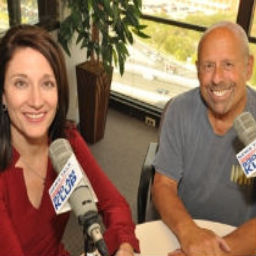
Hosted by Carol Zernial and Ron Aaron · Caregiver SOS
5.0from 6 ratings
- 772
- Episodes
- 6
- Ratings
- Daily
- Cadence
- 2015
- First episode
About Caregiver SOS
Hear Caregiver SOS every Sunday at 6pm on News Ta…
- Publisher
- Caregiver SOS
- Category
- health & fitness
- Language
- en
- Explicit
- No
- First episode
- 20 Apr 2015
- Latest episode
- 10 Oct 2026
Latest episodes
772 episodes in the feed.
10 Oct 2026
Unlocking Connection & Purpose for Persons Living with Dementia | Dr. Gitlin
In this episode of Caregiver SOS On Air, hosts Ron Aaron and Carol Zernial welcome internationally renowned intervention scientist, gerontologist, and Drexel University Dean Emerita Dr. Laura Gitlin. Together, they explore how tailored activities can transform dementia care, restore a sense of purpose for individuals living with cognitive decline, and alleviate caregiver stress. Episode Summary Dr. Gitlin shares her nearly 40-year journey in gerontology, starting from early observations in nursing homes where residents living with dementia were left inactive and unengaged. Highlighting how family caregivers frequently struggle to find meaningful ways to engage their loved ones, Dr. Gitlin explains the origin and framework of the Tailored Activity Program (TAP). Rather than relying on one-size-fits-all activities, TAP focuses on identifying a person’s intrinsic interests and modifying tasks to match their current cognitive and physical abilities. The discussion covers practical examples across various stages of dementia, the role of occupational therapists (OTs) and other care providers, and the profound outcomes of tailored activities—from reducing hospitalizations to bringing moments of joy and happiness. Key Takeaways Matching Interests to Current Capacities: Meaningful engagement requires connecting activities to intrinsic interests while adapting them to current functional levels. For example, a lifelong traveler with limited mobility might enjoy travel videos, color-focused visual programs, or photography books. The Enduring Need for Purpose: The fundamental need for a role, purpose, and identity remains throughout every stage of dementia. Engaging in tailored activities helps satisfy this need regardless of disease progression. Therapeutic Benefits for Caregivers & Recipients: Properly matched activities can reduce challenging behaviors (such as agitation, shadowing, or repetitive questioning), decrease hospitalizations, and lower caregiver burden and depression. Adaptation Across Disease Stages: Early/Moderate Stages: Goal-directed activities like completing a crafted gift box. Severe/Late Stages: Sensory-rich experiences, including tactile materials, calming music, armchair exercises, procedural memory tasks (like holding or playing an instrument), or uplifting videos. The Role of Occupational Therapy: While TAP is designed around the expertise of OTs who assess cognitive capacity and environmental factors, elements of the program can be delivered by trained volunteers, nurses, social workers, and family caregivers. Focusing on What Remains: Traditional neurological tests evaluate lost capabilities, whereas TAP identifies remaining strengths to guide communication strategies, adapt environments, and set appropriate expectations. Key Moments & Highlights Introduction: Hosts Ron Aaron and Carol Zernial introduce Dr. Laura Gitlin and set the stage for discussing engagement in dementia care. Origin of the Work: Dr. Gitlin discusses observing resident inactivity in long-term care facilities and hearing family caregivers ask, "What do I do with my loved one?" Tailoring Activities: Why single solutions (like generic music or crafts) don't work, and how to adapt activities around intrinsic interests. Real-World Connections & "Wowzitude": Host Carol Zernial highlights the Wowzitude Memory Travels program and shares how recognizing a loved one's past professional role can explain and redirect behaviors. Stage-Specific Activity Examples: From goal-directed crafts in early stages to sensory and procedural memory activities in advanced stages. Measuring Success & The Priority of Joy: Shifting focus from standard clinical metrics toward fostering moments of joy, laughter, and personal satisfaction. Delivery & Payment Models: How OTs and other professionals integrate TAP into care plans, along with navigate prescription requirements and Medicare reimbursement considerations in the U.S. Caregiver Realizations & Lasting Impact: How caregivers gain new perspective on their loved one's abilities, featuring a moving story of a caregiver utilizing TAP strategies years later. About Dr. Gitlin Laura N. Gitlin, PhD, FGSA, FAAN is internationally and nationally ranked among the top social scientists. She is an intervention scientist, dean emerita, and a distinguished professor in the College of Nursing and Health Professions, Drexel University. She co-founds and is chief scientific officer of Plans4Care, Inc. She is the author/co-author of over 550 scientific publications and seven books. Her recent co-authored, Handbook of Intervention Science: From Design to Implementation (Academic Press), was reviewed as “lifting intervention science to new heights”. She works with numerous proven programs such as COPE, Adult Day Service Plus, Get Busy Get Better and the Tailored Activity Program. Guest Contact: To learn more about Dr. Laura Gitlin's research and work, email her directly at LNG45@drexel.edu (mailto:LNG45@drexel.edu). Hosts Ron Aaron and Carol Zernial, and their guests talk about Caregiving and how to best cope with the stresses associated with it. Learn about "Caregiver SOS" and the "Teleconnection Hotline" programs. Caregiver SOS On Air is a presentation of the WellMed Charitable Foundation. For more resources, tips, and past episodes, visit caregiversos.org or email your questions to radio@wellmed.net. See omnystudio.com/listener (https://omnystudio.com/listener) for privacy information.
3 Oct 2026
Laughter Through the Tears: Finding Joy in Caregiving & Grief | Keith Price
In this moving and lighthearted episode of Caregiver S.O.S. On Air, host Ron Aaron and guest co-host Tina Smith (Senior Director of Caregiver Program Operations at the WellMed Charitable Foundation) welcome back comedian, actor, writer, and radio host Keith Price to discuss navigating the intense emotional weight of caregiving through humor and connection. Keith shares his personal journey of managing long-distance caregiving from New York to Texas while supporting his aging parents. He reflects on the double loss of his mother and father just six weeks apart, the physical and mental toll of 24/7 caregiving routines, and how unexpected emotional triggers—like TV commercials—continue to surface years after a loss as a reminder of enduring love. Drawing on wisdom passed down from comedy icon Joan Rivers, Keith highlights how finding a "sliver of laughter" in the darkest moments can be a vital tool for survival, catharsis, and resilience. Key Takeaways The Dual Reality of Laughter and Tears: Crying and laughing stem from the same emotional place; finding humor during tragic times is not disrespectful, but rather a essential survival mechanism for healing. Long-Distance Caregiving Demands: Balancing long-distance travel with 24/7 caregiving duties creates unique strain and exhaustion, underscoring the deep empathy needed for primary caregivers. Grief is an Expression of Love: Sudden bursts of sorrow long after losing a loved one are natural reminders of the lasting bond and affection you still carry. Joan Rivers' Advice on Survival: Finding even a tiny sliver of humor amid hardship provides the emotional relief necessary to keep going through loss. Accepting Your Limits: Caregivers often wrestle with feelings of guilt or asking if they did enough; recognizing that you did the best you could with the tools you had is vital for peace of mind. About Keith Out Comedian, Actor, Writer, radio personality, Keith Price is a dynamic and diverse comic energy who brings every aspect of himself to the stage for the purpose of laughter and understanding. He was the first out, African-American personality on Sirius XM Satellite Radio. He produces and performs in comedy shows in and outside of New York City. He also is the host and executive producer of his own podcast, Keith Price’s Curtain Call available on Broadway World, ITunes, Google Play Music, as well as, MOCHAA with Bobby Rivers. Hosts Ron Aaron and Carol Zernial, and their guests talk about Caregiving and how to best cope with the stresses associated with it. Learn about "Caregiver SOS" and the "Teleconnection Hotline" programs. Caregiver SOS On Air is a presentation of the WellMed Charitable Foundation. For more resources, tips, and past episodes, visit caregiversos.org or email your questions to radio@wellmed.net. See omnystudio.com/listener (https://omnystudio.com/listener) for privacy information.
26 Sept 2026
Bridging the Gap: Fostering Hope and Purpose Through Intergenerational Caregiving | Caleb Balaraju
In this episode of Caregiver S.O.S. On Air, host Ron Aaron and guest co-host Tina Smith are joined by Caleb Balaraju from the Bethlehem Intergenerational Center. Caleb shares insights from his work supporting older adults, persons living with dementia, children, and family caregivers through a shared-space model that integrates adult day care with child care. Episode Summary The discussion highlights how bridging generations enriches the lives of both children (ranging from infants to four-year-olds) and older adults (ranging from their early 50s to upper 80s). Caleb explains how the center provides essential respite care for family caregivers while creating an environment where young children and seniors engage in everyday routines together. The episode explores strategies for facilitating conversations between children and individuals with cognitive decline, overcoming the social isolation often felt by aging adults, and integrating local community partners. Key Takeaways Combating Senior Isolation: Social isolation can lead to a loss of community connections as health and cognitive challenges arise. Engaging seniors in purpose-driven, structured activities—such as plant watering, laundry folding, community garden drop-offs, and neighborhood cleanup walks—helps restore a sense of belonging and visibility. Fostering Connection Amid Dementia: Children naturally hesitate when someone does not communicate as expected. Staff bridge this gap by offering prompt secondary or clarifying questions to keep conversations fluid. Mutual Benefits: Intergenerational interaction fosters empathy and maturity in children, who often remember seniors' names and share weekend stories. For seniors with dementia, these interactions frequently trigger "sparks" of confidence, mental clarity, and energetic bursts of expression. Community and Network Collaboration: Beyond internal programming, the center collaborates with local churches, youth groups, neighborhood playgrounds, and local non-profits, serving as a model for researchers and higher education interns studying public health and intergenerational care. About Caleb -Time with the Program: I have spent the past two years helping develop the Adult Day Center, providing direct care to participants, and supporting caregivers and their families. One of our key accomplishments has been achieving certification for our Adult Day Center through the Dementia Institute. Education & Credentials: I earned my Bachelor of Social Work (BSW) from Calvin University and am currently pursuing my Master of Social Work (MSW) at Western Michigan University. I am also a Dementia Certified Professional through the Dementia Institute. I would like to discuss how intergenerational relationships can benefit older adults, children, caregivers, and the broader community. We can explore how meaningful connections across generations can reduce isolation, create a sense of purpose and belonging, and provide unique opportunities for learning, companionship, and mutual support. Hosts Ron Aaron and Carol Zernial, and their guests talk about Caregiving and how to best cope with the stresses associated with it. Learn about "Caregiver SOS" and the "Teleconnection Hotline" programs. Caregiver SOS On Air is a presentation of the WellMed Charitable Foundation. For more resources, tips, and past episodes, visit caregiversos.org or email your questions to radio@wellmed.net. See omnystudio.com/listener (https://omnystudio.com/listener) for privacy information.
Who has been a guest on Caregiver SOS
Names identified in recent episode analyses. Showing up to five guests.
- Martin Schreiber
- Scott Lien
- Tia Newcomer
- Chris Durrance
- Susannah Fox
Reach and audience
Public platform figures. Ratings count people who left a rating, not total listeners.
- Apple Podcasts (US)
- 5.0 / 5
- 1 ratings
- Spotify
- 5.0 / 5
- 5 ratings
Podcast Authority Score: 45 / 100
A composite of feed quality, social presence, YouTube performance and engagement. Read the methodology.
- Quality
- 58
- Social presence
- 0
- YouTube
- 0
- Engagement
- 81
Host of Caregiver SOS?
Claim your podcast to manage its listing and keep your show details accurate.
Pod Engine is an independent podcast discovery and analytics service and is not affiliated with or endorsed by this podcast. Artwork and show content belong to their owners. Full legal notice.
Explore this show
Podcast research with Pod Engine