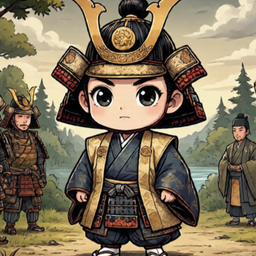
Step back in time and explore the rich tapestry of Japanese history. "Chronicles of Japan" brings you captivating stories of legendary samurai, ancient emperors, powerful shoguns, and the cultural milestones that shaped the Land of the Rising Sun. From the ancient Jomon period to the modern Meiji Restoration, we delve deep into the battles, philosophies, and daily lives of historical figures. Join us on an educational journey to uncover the truths, myths, and legends of Japan’s fascinating past. Subscribe now to never miss an episode of history coming alive.
Why Japan's Castles Used Dry-Stone Walls Without Mortar to Absorb Cannonballs
The introduction of Portuguese matchlocks in 1543 revolutionized Japanese military architecture, forcing Sengoku daimyo to abandon flammable wooden mountain redoubts and construct massive stone-walled citadels.To withstand concentrated firearm volleys and artillery bombardment, warlords recruited the secretive Anoshu stonemasons guild of Mount Hiei to engineer colossal ishigaki ramparts without using brittle mortar. Utilizing the physics of loose kuriishi gravel backfill for drainage and shock dissipation, interlocking sangizumi corner quoins, and steep concave "musha-gaeshi" fan curves, these monumental walls resisted earthquakes, cannonballs, and scaling infiltrators alike. Castle design rapidly evolved from primitive yamashiro outposts to sprawling flatland-mountain citadels like Oda Nobunaga’s magnificent Azuchi Castle, Toyotomi Hideyoshi’s golden Osaka Castle, and the white heron keep of Himeji. This video explores the ingenious ballistics, masugata courtyard kill-zones, concealed ishi-otoshi drop chutes, and fireproof plaster techniques that turned Japanese castles into impregnable fortresses and administrative masterpieces of the Sengoku era.#japanesecastles #sengokuperiod #samuraihistory #azuchicastle #osakacastle #anoshu #ishigaki #japanhistory
22 Sept 2026
How Takeda Shingen Crushed Tokugawa Ieyasu at the Battle of Mikatagahara
The Battle of Mikatagahara in 1573 was the most crushing and humiliating defeat of Tokugawa Ieyasu’s life, where Takeda Shingen's invincible Kai cavalry annihilated his army in two hours.Drawn out from Hamamatsu Castle by Shingen’s deliberate psychological insult of marching past his stronghold toward Mikawa, thirty-one-year-old Ieyasu foolishly led eleven thousand troops onto the freezing windswept plateau of Mikatagahara. Facing twenty-seven thousand veteran Takeda warriors deployed in a lethal Fish Scale formation, the allied Tokugawa-Oda army was utterly torn apart by thunderous cavalry shock charges. As senior generals fell and loyal retainers like Natsume Yoshinobu sacrificed their lives disguising themselves as the daimyo, Ieyasu barely escaped on horseback, terror-stricken and soil-stained from panic. Inside Hamamatsu, general Sakai Tadatsugu bluffed the pursuing Takeda vanguard by throwing open the castle gates and sounding a war drum in the daring "Empty Castle" stratagem. This catastrophic disaster inspired Ieyasu to commission the famous "Shikamie" portrait of his terrified face, transforming a humiliating defeat into a lifelong masterclass in strategic patience that ultimately won him the shogunate.#mikatagahara #tokugawaieyasu #takedashingen #samuraihistory #sengokuperiod #shikamie #hamamatsucastle #japanhistory
22 Sept 2026
What Made Oda Nobunaga Declare Himself the Demon King of the Sixth Heaven?
In September 1571, Oda Nobunaga executed one of the most ruthless and shocking military actions in Japanese history by encircling and burning the sacred mountain of Mount Hiei to the ground.For over eight centuries, Enryaku-ji on Mount Hiei had stood as the supreme mother temple of Tendai Buddhism, housing thousands of fearsome sohei warrior monks whose armed protests and sacred palanquins intimidated emperors, courtiers, and shoguns alike. When the corrupt monastic leadership sheltered Nobunaga’s deadliest enemies, the Azai and Asakura clans, Nobunaga issued a final ultimatum demanding neutrality. When the monks defied him, Nobunaga ordered thirty thousand samurai—led by Akechi Mitsuhide and Toyotomi Hideyoshi—to seal the mountain passes and ignite an apocalyptic firestorm across the slopes. Over five hundred historic temple halls, including the central Kompon Chudo where the 800-year-old eternal flame was extinguished, were reduced to ashes alongside thousands of monks and defenders. This devastating act permanently ended independent monastic military power in feudal Japan and earned Nobunaga the terrifying moniker of the "Demon King of the Sixth Heaven."#mounthiei #enryakuji #odanobunaga #warriormonks #sohei #samuraihistory #sengokuperiod #japanhistory
Contact Chronicles of Japan
Guest appearances
Does not typically book guests
Based on episode analysis; this does not confirm that the show is currently accepting guests.
Host of Chronicles of Japan?
Claim your podcast to manage its listing and keep your show details accurate.
Pod Engine is an independent podcast discovery and analytics service and is not affiliated with or endorsed by this podcast. Artwork and show content belong to their owners. Full legal notice.
Explore this show Podcast research with Pod Engine