
DELTA DIALOG is a series of discussions and interviews on AI and technology as in its development, usage in different sectors and industries, and how it engages or better said changes the world. Together with experts from diverse industries, the show explores many perspectives regarding AI and technology that has everyday implications around the world.
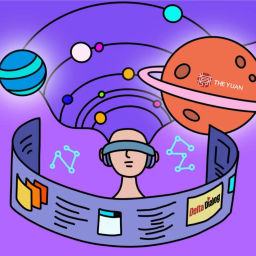
DELTA DIALOG
Claim This Podcastby Emir Mustafa Isler
62 episodes
Updated Weekly
Accepts GuestsHas SponsorsLocation 🇺🇸
Podcast Overview
DELTA DIALOG is a series of discussions and interviews on AI and technology as in its development, usage in different sectors and industries, and how it engages or better said changes the world. Together with experts from diverse industries, the show explores many perspectives regarding AI and technology that has everyday implications around the world.
Language
🇺🇲
Publishing Since
11/21/2022
1 verified contact email on file for DELTA DIALOG
Pitch yourself as a guest, propose sponsorships, or reach out directly to the host.
Recent Episodes
September 5, 2024
AI: Tool or Sentient Entity? - with Tomoko Mitsuoka and Emir Mustafa Isler
<p><strong>Overview:</strong> In this episode of the Delta Dialog, Tomoko shares her insights into responsible AI development, the importance of educating the public on AI, and the challenges of balancing technological innovation with social values.</p> <p><strong>Key Topics:</strong></p> <p><strong>1. AI: Tool or Sentient Entity?</strong></p> <ul> <li>Tomoko emphasizes that AI remains a tool, despite some users feeling as though they are interacting with sentient beings. AI generates responses based on probabilities, not conscious thought.</li> </ul> <p><strong>2. Ethical Concerns in AI Development</strong></p> <ul> <li>A notable example discussed is Stanford University's controversial model to identify sexual orientation from photos, which raised ethical questions about the purpose and potential harm of such technologies.</li> </ul> <p><strong>3. Cultural Perspectives on Morals and AI</strong></p> <ul> <li>Tomoko highlights how AI ethics are influenced by different societal morals. She shares insights into how cultural differences, such as religious restrictions on certain foods, impact perspectives on AI and technology.</li> </ul> <p><strong>4. Opportunities and Challenges of AI</strong></p> <ul> <li>Opportunities include AI supporting aging societies, especially in Japan, and aiding healthcare through predictive analysis. However, the environmental cost of AI, such as energy consumption for data centers, presents significant challenges.</li> </ul> <p><strong>5. The Future of AI in Japan</strong></p> <ul> <li>Japan aims to develop its own AI systems rather than relying on foreign technology. Tomoko discusses how open-source data initiatives can contribute to this goal while ensuring ethical development.</li> </ul> <p><strong>6. The Relationship Between AI and Humans</strong></p> <ul> <li>Tomoko warns of potential isolation resulting from AI systems designed to cater to individual needs, and the danger of people avoiding real human interaction. However, she also sees AI’s potential to aid mental health by reducing trauma and depression.</li> </ul> <p><strong>7. AI Ethics and Interdisciplinary Dialogue</strong></p> <ul> <li>The importance of engaging in dialogue across disciplines—engineers, sociologists, psychologists—is emphasized. Tomoko advocates for discussions about the societal impacts of AI, not just its technical development.</li> </ul> <p><strong>Key Quotes:</strong></p> <ol> <li>"Technology should support society, not the other way around."</li> <li>"AI is not sentient—it’s all about statistics, yet we often treat it as more."</li> <li>"The open-source approach can democratize AI development, but we must remain vigilant about its ethical use."</li> </ol> <p><strong>Final Thoughts:</strong></p> <p>Tomoko urges listeners to be more mindful of AI's social impact, emphasizing that understanding AI doesn't require a technical background. She encourages open-mindedness and the importance of interdisciplinary conversations to shape the future of AI responsibly.</p>
August 28, 2024
Culture and AI - with Tomoko Mitsuoka and Emir Mustafa Isler
<p><strong>Overview:</strong> In this episode of the Delta Dialog, we talk about AI from a cultural and ethical perspective. Tomoko brings her unique insights, grounded in both Japanese and Western viewpoints, to explore how different cultural and religious beliefs influence the perception and development of artificial intelligence.</p> <p><strong>Key Topics:</strong></p> <p><strong>1. Cultural Differences in AI Perception</strong></p> <ul> <li>Tomoko discusses how cultural background shapes people's understanding of AI. </li> </ul> <ul> <li>The influence of Japanese pop culture, particularly anime, has familiarized Japanese society with AI and robots, portraying them as human-like companions rather than threats.</li> </ul> <p><strong>2. Ethics and AI Regulation</strong></p> <ul> <li>Tomoko suggests that while a neutral approach to AI design is preferable, cultural differences should be considered to create inclusive and effective regulations.</li> </ul> <ul> <li>The possibility of forming an international organization dedicated to AI governance was mentioned as a means to achieve a consensus on ethical standards globally.</li> </ul> <p><strong>3. Influence of Religion on AI Views</strong></p> <ul> <li>Tomoko explains how in Shintoism, objects and nature are often imbued with spirits, leading to a more holistic and integrated approach to AI. </li> </ul> <ul> <li>Discussions include how religious beliefs shape ethical guidelines and influence public perception of AI, impacting the development and acceptance of AI technologies.</li> </ul> <p><strong>4. AI Literacy and Education</strong></p> <ul> <li>Tomoko emphasizes the need for a well-informed society about AI. </li> </ul> <ul> <li>Bridging the gap between those with access to technology and those without is crucial for a more inclusive approach to AI literacy.</li> </ul> <p><strong>5. Impact of Pop Culture on AI Perception</strong></p> <ul> <li>The portrayal of AI in Japanese anime versus Western media significantly shapes public attitudes. </li> </ul> <p><strong>6. The Concept of Tsukumogami and AI</strong></p> <ul> <li>Tomoko introduces the concept of Tsukumogami, where objects cherished over time are believed to gain spirits.</li> </ul> <p><strong>Conclusion:</strong> The episode concludes that understanding and respecting cultural perspectives are vital for developing ethical AI. By fostering global collaboration and enhancing AI literacy, societies can better prepare for AI's challenges and opportunities.</p>
August 19, 2024
AI and Biomarkers - with Marcus Ranney and Emir Mustafa Isler
<p><strong>Overview:</strong> In this episode of Delta Dialog, we talk about what revolves around the rapidly evolving field of personalized health through biomarkers, the integration of AI, and the future of healthcare. Dr. Ranney shares his insights on how biomarkers, wearable devices, and large language models like BioGPT are transforming the way we approach health and longevity.</p> <p><strong>Key Topics Discussed:</strong></p> <p><strong>1. Introduction to Personalized Health:</strong></p> <ul> <li>The role of biomarkers in biohacking and personalized health.</li> </ul> <ul> <li>The shift from episodic health checks to real-time, continuous health monitoring through wearable devices.</li> </ul> <p><strong>2. Technological Innovations in Healthcare:</strong></p> <ul> <li>The impact of AI and large language models on healthcare.</li> </ul> <ul> <li>The potential of BioGPT and other AI models in improving health outcomes by interpreting large datasets.</li> </ul> <p><strong>3. Ethical Considerations in AI and Healthcare:</strong></p> <ul> <li>Addressing bias in AI models, especially in diverse countries like India.</li> </ul> <ul> <li>The importance of creating region-specific AI solutions that consider cultural and biological differences.</li> </ul> <p><strong>4. Global Healthcare Perspectives:</strong></p> <ul> <li>Comparing healthcare systems in the US, UK, and India.</li> </ul> <ul> <li>Challenges and opportunities in healthcare financing and sustainability.</li> </ul> <p><strong>5. Empowering Patients Through Technology:</strong></p> <ul> <li>How digital biomarkers and personalized health protocols can empower patients to take charge of their health.</li> </ul> <ul> <li>The role of lifestyle changes and passive data collection in improving health outcomes.</li> </ul> <p><strong>6. Public Health Advocacy:</strong></p> <ul> <li>The climate crisis as the most critical public health emergency.</li> </ul> <ul> <li>The need for collective action to address environmental impacts on health.</li> </ul> <p><strong>7. Advice for Aspiring Healthcare Professionals:</strong></p> <ul> <li>Embracing curiosity and continuous learning as a career strategy.</li> </ul> <ul> <li>The importance of interdisciplinary collaboration in advancing healthcare.</li> </ul> <p><strong>8. Work-Life Harmony:</strong></p> <ul> <li>Dr. Ranney's approach to balancing professional and personal life.</li> </ul> <ul> <li>The role of outdoor activities and family time in maintaining energy and enthusiasm.</li> </ul> <p><strong>Final Remarks:</strong></p> <p>Dr. Marcus Ranney emphasizes the importance of falling in love with the human body, highlighting it as the most incredible machine we possess. He encourages listeners to take care of their bodies to achieve amazing things.</p>
62 total episodes available
Deep-dive analytics for DELTA DIALOG
Frequently asked questions
Have a different question and can't find the answer you're looking for? Reach out to our support team by sending us an email and we'll get back to you as soon as we can.
- What is DELTA DIALOG?
- How often does this podcast release new episodes?
This podcast updates weekly.
- Where can I listen to this podcast?
This podcast is available on 9 platforms including Apple Podcasts, Spotify, and more. You can also use the RSS feed directly.
- Does this podcast accept guests?
No, this podcast does not typically feature guests.
Legal Disclaimer
Pod Engine is not affiliated with, endorsed by, or officially connected with any of the podcasts displayed on this platform. We operate independently as a podcast discovery and analytics service.
All podcast artwork, thumbnails, and content displayed on this page are the property of their respective owners and are protected by applicable copyright laws. This includes, but is not limited to, podcast cover art, episode artwork, show descriptions, episode titles, transcripts, audio snippets, and any other content originating from the podcast creators or their licensors.
We display this content under fair use principles and/or implied license for the purpose of podcast discovery, information, and commentary. We make no claim of ownership over any podcast content, artwork, or related materials shown on this platform. All trademarks, service marks, and trade names are the property of their respective owners.
While we strive to ensure all content usage is properly authorized, if you are a rights holder and believe your content is being used inappropriately or without proper authorization, please contact us immediately at hey@podengine.ai for prompt review and appropriate action, which may include content removal or proper attribution.
By accessing and using this platform, you acknowledge and agree to respect all applicable copyright laws and intellectual property rights of content owners. Any unauthorized reproduction, distribution, or commercial use of the content displayed on this platform is strictly prohibited.