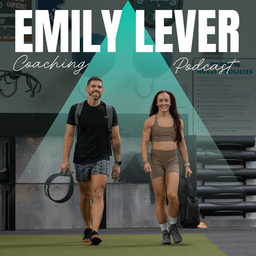
The Emily Lever Coaching Podcast is hosted by experienced fitness and nutrition coach Emily and her husband AJ Lever — both nurse practitioners — who bring honest, practical conversations to anyone looking for a more sustainable, grounded approach to health. Together, they break down realistic nutrition, efficient fitness, mindset shifts, and the "why" behind healthy habits, all through the lens of their clinical experience and years of coaching. With relatable stories, clear explanations, and zero guilt-driven advice, Emily and AJ offer supportive, sustainable strategies that fit into real-life schedules for parents, professionals, and anyone ready to feel better in their body and daily routine.

Emily Lever Coaching Podcast
Claim This Podcastby Emily Lever
Podcast Overview
The Emily Lever Coaching Podcast is hosted by experienced fitness and nutrition coach Emily and her husband AJ Lever — both nurse practitioners — who bring honest, practical conversations to anyone looking for a more sustainable, grounded approach to health. Together, they break down realistic nutrition, efficient fitness, mindset shifts, and the "why" behind healthy habits, all through the lens of their clinical experience and years of coaching. With relatable stories, clear explanations, and zero guilt-driven advice, Emily and AJ offer supportive, sustainable strategies that fit into real-life schedules for parents, professionals, and anyone ready to feel better in their body and daily routine.
Language
🇺🇲
Publishing Since
11/30/2025
1 verified contact email on file for Emily Lever Coaching Podcast
Pitch yourself as a guest, propose sponsorships, or reach out directly to the host.
Recent Episodes

August 3, 2026
38. Summer Training: How to adjust your workouts for the heat
<p dir="ltr">Summer heat can make every workout feel harder, but that doesn't mean you're losing progress. In this episode, we break down what's actually happening in your body when you train in high temperatures, how to adjust your expectations and intensity, and practical strategies for hydrating, recovering, and modifying your workouts so you can stay consistent, and keep moving forward, all season long. </p> <p><strong> </strong></p> <p dir="ltr"><strong>5 Key Takeaways</strong></p> <ol> <li dir="ltr" aria-level="1"> <p dir="ltr" role="presentation"><strong>Heat is a real training stressor</strong></p> <ul> <li dir="ltr" aria-level="2"> <p dir="ltr" role="presentation">Higher temperatures spike your heart rate at the same workload and drain energy faster, so feeling "sluggish" in the heat is physiological, not a lack of effort.</p> </li> </ul> </li> <li dir="ltr" aria-level="1"> <p dir="ltr" role="presentation"><strong>You can still progress with lower numbers</strong></p> <ul> <li dir="ltr" aria-level="2"> <p dir="ltr" role="presentation">In the heat, you may lift less weight or run slower, but if you're taking muscles to true fatigue and maintaining effort, you're still driving adaptation and progress.</p> </li> </ul> </li> <li dir="ltr" aria-level="1"> <p dir="ltr" role="presentation"><strong>Mindset matters as much as metrics</strong></p> <ul> <li dir="ltr" aria-level="2"> <p dir="ltr" role="presentation">Instead of chasing PRs in hot conditions, shift your focus to consistency, pacing, and form so you don't misinterpret tough sessions as "failure."</p> </li> </ul> </li> <li dir="ltr" aria-level="1"> <p dir="ltr" role="presentation"><strong>Hydration and electrolytes are non‑negotiable</strong></p> <ul> <li dir="ltr" aria-level="2"> <p dir="ltr" role="presentation">Heat training increases sweat, fluid, and electrolyte loss. Front-loading hydration, salting meals, and using electrolytes (especially for longer sessions) support performance and recovery.</p> </li> </ul> </li> <li dir="ltr" aria-level="1"> <p dir="ltr" role="presentation"><strong>Recovery drives long-term gains</strong></p> <ul> <li dir="ltr" aria-level="2"> <p dir="ltr" role="presentation">Under-eating plus heat is a recipe for burnout. Matching your fueling, fluids, and rest to your training load is essential to avoid regression and protect both strength and endurance.</p> </li> </ul> </li> </ol> <p><strong><br /> <br /></strong></p> <p dir="ltr">"Heat changes your performance, but it doesn't mean that just because it's changing your performance that it's not progressing you." - Emily</p> <p><strong><br /> <br /></strong></p> <p dir="ltr"><strong>Connect with Emily and AJ</strong></p> <p dir="ltr">Website: <a href= "https://www.emilylevercoaching.com/">https://www.emilylevercoaching.com/</a></p> <p dir="ltr">Instagram: <a href= "https://www.instagram.com/bedellever/">https://www.instagram.com/bedellever/</a></p> <p><strong> </strong></p> <p dir="ltr"><strong>References</strong></p> <p dir="ltr"><a href= "https://link.springer.com/article/10.1186/s44410-025-00011-9">https://link.springer.com/article/10.1186/s44410-025-00011-9</a></p> <p dir="ltr"><a href= "https://pubmed.ncbi.nlm.nih.gov/31377851/">https://pubmed.ncbi.nlm.nih.gov/31377851/</a></p> <p><strong> </strong></p> <p dir="ltr"><strong>Enjoyed the Episode?</strong></p> <p dir="ltr">If this conversation resonated with you, make sure to subscribe, leave a review, and share this episode with a friend who's stuck in the start-over cycle. Your support helps more people find the podcast and build healthier habits that last.</p> <p dir="ltr">Until next time—keep showing up, stay consistent, and remember: small steps add up to big change.</p>

July 27, 2026
37. Why You're Always Hungry - The Science of Satiety (Part 2)
<p dir="ltr">Dive deep into the science of hunger, how sleep, hormones, blood sugar, and meal composition all work together to influence how hungry we feel and the choices we make around food. They explain the roles of leptin and ghrelin, why lack of sleep and chronic dieting can backfire, and how building balanced, protein-forward meals can stabilize energy, reduce cravings, and support sustainable fat loss. The conversation wraps with practical strategies for reframing snacks, eating mindfully, and learning to view hunger as information rather than something to fear.</p> <p><strong> </strong></p> <p dir="ltr"><strong>5 Key Takeaways</strong></p> <ol> <li dir="ltr" aria-level="1"> <p dir="ltr" role="presentation">Sleep powerfully affects hunger hormones</p> <ul> <li dir="ltr" aria-level="2"> <p dir="ltr" role="presentation">Lack of sleep lowers leptin (fullness hormone) and raises ghrelin (hunger hormone), making you feel hungrier and crave high-calorie, sugary foods.</p> </li> </ul> </li> <li dir="ltr" aria-level="1"> <p dir="ltr" role="presentation">Chronic dieting can harm metabolism and health</p> <ul> <li dir="ltr" aria-level="2"> <p dir="ltr" role="presentation">Years of cutting calories, skipping meals, and overusing caffeine can lead to constant hunger, lab abnormalities, and a body that clings to fat as a protective mechanism.</p> </li> </ul> </li> <li dir="ltr" aria-level="1"> <p dir="ltr" role="presentation">Blood sugar swings drive cravings and crashes</p> <ul> <li dir="ltr" aria-level="2"> <p dir="ltr" role="presentation">Sugary, low-fiber, low-protein foods cause sharp spikes and drops in blood glucose, triggering intense hunger and making it hard to sustain a calorie deficit.</p> </li> </ul> </li> <li dir="ltr" aria-level="1"> <p dir="ltr" role="presentation">Build balanced, satisfying plates</p> <ul> <li dir="ltr" aria-level="2"> <p dir="ltr" role="presentation">Start with a full hand-sized portion of protein, add half a plate of veggies and/or a quarter plate of fruit, include a carb source (like rice, potatoes, or quinoa), and finish with a small portion of healthy fats (about 2 tbsp to ¼ cup).</p> </li> </ul> </li> <li dir="ltr" aria-level="1"> <p dir="ltr" role="presentation">Eat consistently and mindfully, not fearfully</p> <ul> <li dir="ltr" aria-level="2"> <p dir="ltr" role="presentation">Don't skip meals or hoard calories for dinner. Treat snacks like smaller balanced meals, stay hydrated, prioritize sleep, and pause to ask, "Am I physically hungry or just stressed/bored?" to make more intentional food choices.</p> </li> </ul> </li> </ol> <p><strong><br /> <br /></strong></p> <p dir="ltr">"A good reframe would be: instead of 'How do I eat less?' think 'How do I stay full for longer? " - AJ</p> <p><strong><br /> <br /></strong></p> <p dir="ltr"><strong>Connect with Emily and AJ</strong></p> <p dir="ltr">Website: <a href= "https://www.emilylevercoaching.com/">https://www.emilylevercoaching.com/</a></p> <p dir="ltr">Instagram: <a href= "https://www.instagram.com/bedellever/">https://www.instagram.com/bedellever/</a></p> <p><strong> </strong></p> <p dir="ltr"><strong>References</strong></p> <p dir="ltr"><a href= "https://link.springer.com/article/10.1186/s44410-025-00011-9">https://link.springer.com/article/10.1186/s44410-025-00011-9</a></p> <p dir="ltr"><a href= "https://pubmed.ncbi.nlm.nih.gov/31377851/">https://pubmed.ncbi.nlm.nih.gov/31377851/</a></p> <p><strong> </strong></p> <p dir="ltr"><strong>Enjoyed the Episode?</strong></p> <p dir="ltr">If this conversation resonated with you, make sure to subscribe, leave a review, and share this episode with a friend who's stuck in the start-over cycle. Your support helps more people find the podcast and build healthier habits that last.</p> <p dir="ltr">Until next time—keep showing up, stay consistent, and remember: small steps add up to big change.</p>

July 20, 2026
36. Why You're Always Hungry - The Science of Satiety (Part 1)
<p dir="ltr">Emily and AJ break down why you might feel hungry all the time, even when you're eating regularly or trying to lose weight. They unpack the difference between physical hunger and other forms like emotional, habit, and environmental hunger, and explain how dieting extremes can create fear around feeling hungry at all. The conversation then shifts into practical, science-backed strategies: prioritizing protein and fiber, choosing less ultra-processed foods, and using mindful eating and hydration to better honor your body's true needs.</p> <p><strong> </strong></p> <p dir="ltr"><strong>5 Key Takeaways</strong></p> <ol> <li dir="ltr" role="presentation"><strong>Not All Hunger Is Physical</strong><br /> Hunger can be physical (true calorie need) or emotional, habitual, and environmental. Learning to distinguish these helps you make better choices, especially in a fat loss phase.</li> <li dir="ltr" role="presentation"><strong>Emotional & Habit Hunger Are Often Coping Mechanisms</strong><br /> Emotional or "heart hunger" uses food—often high-carb, high-fat comfort foods—as a way to cope with stress or difficult feelings, and can become a reinforced habit over time.</li> <li dir="ltr" role="presentation"><strong>Mindless Eating Comes from Automatic Habits</strong><br /> Snacking while working, studying, or watching TV can become subconscious "habit hunger," where you're eating without registering fullness, taste, or satisfaction.</li> <li dir="ltr" role="presentation"><strong>Protein, Fiber, and Food Quality Matter</strong><br /> Starting the day with enough protein (more than just one egg) and plenty of fiber from fruits, vegetables, whole grains, and beans keeps you fuller longer than ultra-processed, snacky foods.</li> <li dir="ltr" role="presentation"><strong>Hydration Can Reduce Cravings and "Fake Hunger"</strong><br /> Many people are underhydrated; drinking water—especially before reaching for a snack—can reduce cravings, support digestion, and help your hunger cues stabilize.</li> </ol> <p><strong><br /> <br /></strong></p> <p dir="ltr">"Having hunger cues, feeling hungry before meals is very healthy. It probably means your metabolism is moving well." - Emily</p> <p><strong><br /> <br /></strong></p> <p dir="ltr"><strong>Connect with Emily and AJ</strong></p> <p dir="ltr">Website: <a href= "https://www.emilylevercoaching.com/">https://www.emilylevercoaching.com/</a></p> <p dir="ltr">Instagram: <a href= "https://www.instagram.com/bedellever/">https://www.instagram.com/bedellever/</a></p> <p><strong> </strong></p> <p dir="ltr"><strong>References</strong></p> <p dir="ltr"><a href= "https://link.springer.com/article/10.1186/s44410-025-00011-9">https://link.springer.com/article/10.1186/s44410-025-00011-9</a></p> <p dir="ltr"><a href= "https://pubmed.ncbi.nlm.nih.gov/31377851/">https://pubmed.ncbi.nlm.nih.gov/31377851/</a></p> <p><strong> </strong></p> <p dir="ltr"><strong>Enjoyed the Episode?</strong></p> <p dir="ltr">If this conversation resonated with you, make sure to subscribe, leave a review, and share this episode with a friend who's stuck in the start-over cycle. Your support helps more people find the podcast and build healthier habits that last.</p> <p dir="ltr">Until next time—keep showing up, stay consistent, and remember: small steps add up to big change.</p>
38 total episodes available
Deep-dive analytics for Emily Lever Coaching Podcast
Frequently asked questions
Have a different question and can't find the answer you're looking for? Reach out to our support team by sending us an email and we'll get back to you as soon as we can.
- What is Emily Lever Coaching Podcast?
- How often does this podcast release new episodes?
This podcast updates daily.
- Where can I listen to this podcast?
This podcast is available on 4 platforms including Apple Podcasts, Spotify, and more. You can also use the RSS feed directly.
- Does this podcast accept guests?
No, this podcast does not typically feature guests.
Legal Disclaimer
Pod Engine is not affiliated with, endorsed by, or officially connected with any of the podcasts displayed on this platform. We operate independently as a podcast discovery and analytics service.
All podcast artwork, thumbnails, and content displayed on this page are the property of their respective owners and are protected by applicable copyright laws. This includes, but is not limited to, podcast cover art, episode artwork, show descriptions, episode titles, transcripts, audio snippets, and any other content originating from the podcast creators or their licensors.
We display this content under fair use principles and/or implied license for the purpose of podcast discovery, information, and commentary. We make no claim of ownership over any podcast content, artwork, or related materials shown on this platform. All trademarks, service marks, and trade names are the property of their respective owners.
While we strive to ensure all content usage is properly authorized, if you are a rights holder and believe your content is being used inappropriately or without proper authorization, please contact us immediately at hey@podengine.ai for prompt review and appropriate action, which may include content removal or proper attribution.
By accessing and using this platform, you acknowledge and agree to respect all applicable copyright laws and intellectual property rights of content owners. Any unauthorized reproduction, distribution, or commercial use of the content displayed on this platform is strictly prohibited.
