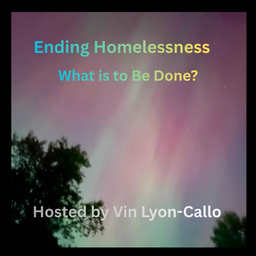
A Podcast Featuring Discussions with Academics, Activists, and Advocates.
It is hard to imagine today but there was a time in the not too distant past without so many people living in camps, on the streets, or in shelters. How did today's conditions of homelessness being largely accepted as "just the way things" are come to be? Why is it that despite the well-meaning helping efforts and hundreds of millions of dollars spent over the last four decades homelessness remains widespread? How has homelessness become as American as Apple Pie, Football, and Mass Shootings? And, of course, it is not just the US as homelessness has become a normal part of the social landscape of nations across the globe. Can we imagine and enact different policies and practices that might prevent and end homelessness? Vin Lyon-Callo has been asking these questions in his research, teaching, and activism for the last four decades. Through conversations and dialogue with activists, advocates, and academics, this podcast aims to explore how we got here and return our attention to the quest to end homelessness rather than simply manage people who are homeless or unhoused.
Homelessness, Mental Health, and the Possibility of Thriving: Discussion with Carrie Anne Marshall
Economic insecurity, housing insecurity, and emotional insecurity are rampant in North America today. Are these interconnected or separate issues? If we are to fully understand homelessness and housing challenges, don’t we need to consider the material and non-material conditions that help to produce and maintain homelessness in interconnected ways? Do sentiments about who deserve housing or even to live well need to be considered? What can be done? Can homelessness be prevented? Can people thrive after homelessness? Is housing itself a solution? I am thrilled to have Carrie Anne Marshall join me on the Ending Homelessness: What is to Be Done? podcast today to discuss work done with a range of colleagues that can help lend important insights to these questions.
Professor Marshall is Director of the Social Justice in Mental Health Research Lab in the School of Occupational Therapy at Western University in Ontario and the Research Chair in Homelessness Prevention and Mental Health Equity there as well. She is the co-author on multiple insightful research papers that we draw from in our discussion as well as the 2026 co-authored book “Bridging the Transition to Housing: A Homelessness Prevention Framework.
The conversation explores the interconnected issues of economic, housing, and emotional insecurity, particularly in the context of homelessness. It emphasizes the importance of social connections and community support in addressing these challenges. The conversation delves into the multifaceted challenges of homelessness, emphasizing the importance of community connection, a life with meaning, countering loneliness and boredom, the stigma faced by unhoused individuals, and the need for systemic change in addressing these issues. It highlights the experiences of both those affected by homelessness and the service providers working to support them, the possibilities of prevention of homelessness, and the hope for crafting communities and housing where people can thrive rather than just survive.
28 Sept 2026
Building a World Without Homelessness?
Vin Lyon-Callo explores the interconnected social and economic conditions that contribute to homelessness, emphasizing the need to address broader systemic issues such as housing affordability, economic disparities, and racial inequalities. It also highlights the importance of community connections and the impact of neoliberal capitalist-driven inequalities on homelessness and despair as well as the possibilities of working to alter those conditions to prevent and end homelessness.
15 Sept 2026
Unsheltered Homelessness, Community Concerns, and Avoiding Criminalization
Claire Herbert from the University of Oregon joins the discussion. The conversation explores the range of informal housing and why that has been increasing in the US, the growing criminalization of homelessness and how we might understand the complexities of why that is happening increasingly across the nation, visible vs. less visible homelessness and how responses might differ, and the negative impacts of criminalization. The benefits and desire for community and community connections is explored as well. The discussion provides insights into the complexities of homelessness and the challenges faced by both the homeless and the community. The conversation delves into the challenges faced by individuals living outside, the impact of displacement on community bonds, the role of calls and complaints in governing homelessness, and the need for intermediary steps to improve the situation. It also highlights the impact of economic inequality and housing affordability on homelessness.
Reach and audience
Public platform figures. Ratings count people who left a rating, not total listeners.
Apple Podcasts (US)
5.0 / 5
4 ratings
Spotify
5.0 / 5
3 ratings
Contact Ending Homelessness: What is to Be Done
Guest appearances
Books guests
Based on episode analysis; this does not confirm that the show is currently accepting guests.
Host of Ending Homelessness: What is to Be Done?
Claim your podcast to manage its listing and keep your show details accurate.
Pod Engine is an independent podcast discovery and analytics service and is not affiliated with or endorsed by this podcast. Artwork and show content belong to their owners. Full legal notice.
Explore this show Podcast research with Pod Engine