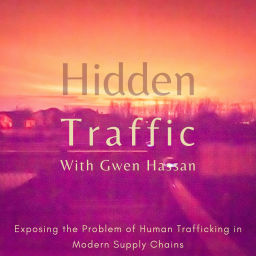
What is human trafficking? What is modern slavery? Where does it show up in the daily life of an organization? Human trafficking doesn't always take the form we first imagine - it can be found at almost any level of an organization's supply chain. What can compliance professionals do to assess human trafficking risk and how can they leverage the resources of the organizations they work for to help root out this tragic problem? Gwen Hassan is here to help - this is Hidden Traffic.
The Truth Behind Chinese Forced Labor Camps with Nury Turkel
Many of us may not realize the extent to which forced labor and unethical practices can influence the products we rely on every day. In this episode of The Hidden Traffic Podcast, Gwen Hassan and Nury Turkel explore the Uyghur Forced Labor Prevention Act (UFLPA) and the serious loopholes in global trade compliance. Their conversation reveals troubling gaps in the law, especially the de minimis rule, which allows items valued under $800 to bypass inspections when entering the U.S. Originally meant to streamline trade, this exemption has now become a tool for unchecked imports, including forced-labor goods and even illicit substances like fentanyl.
Nury highlights the urgency of corporate accountability, noting that UFLPA compliance is too often seen as a procedural task rather than a meaningful ethical commitment. He emphasizes that corporate leaders have the power to drive change, urging them to advocate for stricter enforcement and proactive measures across their supply chains. Nury’s perspective is clear: this isn’t just about regulatory adherence—it’s about embedding ethical practices that prioritize human rights and transparency in business operations.
Consumers, too, play a vital role in holding companies to higher standards. Increased public awareness and demand for responsibly sourced goods create a ripple effect, encouraging companies to be more transparent. Nury’s closing message to listeners is a reminder that each conscious choice contributes to a global movement against forced labor. By fostering accountability at every level, we can push toward a world where ethical practices are the norm, not the exception.
Resources:
Nury Turkel on the Web | LinkedIn | X (Twitter) | Hudson Institute Events
No Escape: The True Story of China's Genocide of the Uyghurs
30 May 2024
Trade Law and Human Rights with Dean Pinkert
Many of us may not realize the intricate web of human rights violations that can be hidden within the supply chains of the products we use every day. In this episode of the Hidden Traffic Podcast, Dean Pinkert from the Corporate Accountability Lab sheds light on the complexities of leveraging trade laws to tackle human rights abuses, specifically the Uyghur Forced Labor Prevention Act and the challenges of tracing supply chains. As we delve into the nuances of trade law enforcement and the implications of circumvention tactics, one question arises: How can companies effectively navigate the intersection of trade law and human rights to ensure ethical sourcing practices?
The Corporate Accountability Lab, based in Chicago, focuses on incubating ideas to address human rights and environmental abuses through innovative approaches. Dean explains how trade laws, such as the Uyghur Forced Labor Prevention Act, can serve as a promising yet blunt instrument in combating human rights violations in supply chains. Supply chains can be difficult and complex to navigate. Dean sheds light on the challenges companies face in tracing their supply chains back to the raw material level and the importance of applying inferences where necessary.
Dean emphasizes the need for companies to leverage available technologies, such as machine learning on supply chain links, to ensure compliance with regulations and ethical standards. He also highlights the interconnected nature of labor and environmental abuses, urging companies to be vigilant in addressing any signs of wrongdoing within their supply chains. The key takeaway is clear: transparency, diligence, and swift action are crucial in combating human rights violations and ensuring ethical practices in global trade.
Despite the difficulty and interruption it might bring, Dean underscores the importance of reporting any instances of abuse or corruption, emphasizing the need for companies to act swiftly and responsibly. The message is clear: awareness and proactive measures are essential in a world where human rights violations can lurk beneath the surface of everyday products. We can strive towards a more ethical and responsible global supply chain by working together and staying vigilant.
Resources
Dean Pinkert on LinkedIn | Corporate Accountability Lab
1 Apr 2024
Using Soap to Prevent Exploitation with Kelsey Hill, Founder of Beyond Beauty for Survivors
Have you ever considered the impact of basic necessities on vulnerability to human trafficking? Kelsey Hill, the founder of Beyond Beauty for Survivors, shares her eye-opening journey and the crucial work her organization is doing to prevent human trafficking in Uganda. Through her experiences, Kelsey highlights the importance of providing resources like food, water, and education to vulnerable populations to reduce the risk of exploitation. It's incredible to see how simple resources like reusable pads and soap production machines can make a significant difference in the lives of those at risk.
Kelsey's story sheds light on the harsh realities faced by women and children in Uganda, where poverty and lack of resources contribute to their vulnerability to trafficking. By focusing on prevention and long-term job sustainability, Beyond Beauty aims to empower survivors and offer them opportunities for a better future. The organization's efforts to provide essential resources like food, water, and medical care, as well as job opportunities through soap production and other initiatives, are truly inspiring.
The impact of Beyond Beauty's work goes beyond just providing immediate aid. By creating sustainable solutions and empowering women and children with skills and resources, the organization is helping to break the cycle of vulnerability and exploitation. Kelsey's dedication to making a difference in the lives of survivors and at-risk individuals is a testament to the power of grassroots initiatives and community support in combating human trafficking.
As we reflect on Kelsey's journey and the work of Beyond Beauty for Survivors, it's a reminder that even small actions can have a significant impact on those in need. By supporting organizations like Beyond Beauty and getting involved in prevention efforts, we can all play a role in ending human trafficking and creating a safer, more equitable world for everyone. Let's join Kelsey in her mission to empower survivors and prevent exploitation, one life at a time.
Resources
Kelsey Hill on LinkedIn | Beyond Beauty for Survivors
Reach and audience
Public platform figures. Ratings count people who left a rating, not total listeners.
Apple Podcasts (US)
5.0 / 5
3 ratings
Spotify
5.0 / 5
1 ratings
Host of Hidden Traffic with Gwen Hassan?
Claim your podcast to manage its listing and keep your show details accurate.
Pod Engine is an independent podcast discovery and analytics service and is not affiliated with or endorsed by this podcast. Artwork and show content belong to their owners. Full legal notice.
Explore this show Podcast research with Pod Engine