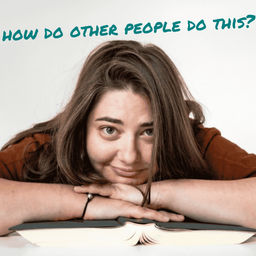
How Do Other People Do This?
Elizabeth Katie
5.0from 2 ratings
- 10
- Episodes
- 2
- Ratings
- Bi-weekly
- Cadence
- 2026
- First episode
About How Do Other People Do This?
Meant to be an examination of the smallest bits of our life that get affected by mental health conditions, "How Do Other People Do This?", explores the everyday realities of navigating life with these (often) invisible disorders. Each episode shed light on a different condition, while guests offer personal insights, practical tips, and unique coping skills intended to help others. While many podcasts offer wide overviews of experiences or therapists and scientists that provide the clinical perspective, each episode of this podcast features a real in-depth discussion of how our every day routines get upended, along with the creative coping skills you won't hear anywhere else.
- Publisher
- Elizabeth Katie
- Category
- health & fitness
- Language
- en
- Explicit
- Yes
- First episode
- 22 May 2026
- Latest episode
- 9 Oct 2026
Latest episodes
10 episodes in the feed.
9 Oct 2026
The OCD Brain & The Logic Behind the Illogical
In the Season 1 finale of How Do Other People Do This?, Elizabeth sits down with OCD advocate, artist, and founder of Vase Your Fears, Halima Flynt, for an honest conversation about OCD, creativity, recovery, and the power of community. Halima shares her journey of living with OCD, finding effective treatment, and learning to rebuild trust in herself. From running an OCD peer support group to using pottery and art to reconnect with her creativity, she shows us what it can look like to find your own way through recovery, even when it isn't perfect. We talk about the importance of finding people who understand, challenging misconceptions about OCD, navigating the ups and downs of recovery, and learning to work with your brain instead of against it. Halima also shares practical advice for everyday life, including making small changes to work with your OCD & ADHD and remembering that you can put things where you need them, not just where they belong. Plus, she leaves us with some powerful reminders. In this episode, we discuss: Halima's journey to diagnosis, treatment, and OCD recovery Why community and peer support can make such a difference How OCD can affect creativity and everyday life Using pottery and art to reconnect with yourself The messy, ongoing reality of recovery Challenging harmful stereotypes and misconceptions about OCD Learning to recognize the difference between your own instincts and OCD-driven fear Practical ways to work with your brain instead of against it Why everyone is creative, even when they don't see themselves as an artist Find Halima and her work: Vase Your Fears: Visit the website (https://vaseyourfears.com/) OCD North Carolina: Visit the website (https://ocdnorthcarolina.org/) International OCD Foundation: Visit the website (https://iocdf.org/) This episode is for informational purposes only and is not a substitute for professional mental health care. Elizabeth and her guests share personal experiences, not medical advice. Thank you for listening to Season 1. We're ending where we began, with a conversation about OCD, and we're so grateful to Halima for sharing her story and helping us close out the season with creativity, honesty, and community.
26 Sept 2026
Connecting the Trauma Dots & the Power of Play
What if the things that help us cope don't always have to look like traditional mental health practices? What if we could use color, imagination, movement, and play to connect with our bodies and process difficult emotions? In this episode of How Do Other People Do This?, I sit down with Brie Emery, a creative director, educator, and founder of Design Love Fest, to talk about the intersection of creativity, neuroscience, and emotional health. Brie shares her journey through trauma, EMDR, anxiety, and panic attacks, and how rediscovering creativity for herself helped her reconnect with her mental health. We talk about her new project, Do the Dots, a 90-second practice that uses color, attention, and body awareness to help you notice and navigate difficult emotions. And yes, we actually try it together during the episode. From drawing with your inner child to turning difficult emotions into characters, imagining your way through nightmares, and learning to be comfortable with being bad at something, Brie offers some of the most creative and unexpected approaches to emotional processing we've explored on the podcast. We also talk about ADHD, the pressure to get creativity right, the importance of play as adults, and why safety doesn't always have to be a big, life-changing feeling. Sometimes, it can be a fuzzy journal, a favorite color, or a little bit of imagination. If you've ever struggled with traditional meditation, felt disconnected from your creativity, or wondered how to work through emotions that are difficult to put into words, this conversation is for you. In This Episode, We Talk About Brie's journey from creative director and blogger to exploring neuroarts and emotional health. How the pandemic and EMDR brought childhood trauma to the surface. Rediscovering creativity after years of making art part of her career. Do the Dots: Brie's 90-second practice for connecting color, body awareness, and attention. Why there are no wrong answers when it comes to noticing what you feel. Using bilateral attention and shifting between sensations in the body. How creativity can help us step outside the stories we tell ourselves. The importance of play and imagination in adulthood. Drawing as a way to connect with younger parts of ourselves. Turning difficult emotions into characters through the Theater of Magical Perception. Using imagination and movement to work through anger, fear, and nightmares. ADHD, sensory overload, hyperfixation, and the challenges of transitions. Finding small moments of safety in everyday life. Disclaimer This podcast is for informational and educational purposes only and is not a substitute for professional mental health care, therapy, or medical advice. The experiences and practices discussed in this episode are personal perspectives and may not be appropriate for everyone. If you are struggling, consider reaching out to a qualified mental health professional for support.
11 Sept 2026
Stubborn Optimism, Writing Through It, & the Bipolar Of It All
In this episode of How Do Other People Do This?, Elizabeth talks with comedian, writer, and mental health advocate Maria Minnelli about living with bipolar I disorder. Maria was diagnosed in 2020 after experiencing a severe depressive episode during the pandemic. She shares what finally led her to seek therapy, what her diagnosis taught her about her own emotions, and why bipolar disorder can be so difficult to recognize and understand, even for the person experiencing it. We talk about the differences between bipolar I and bipolar II, recognizing the signs of mania and hypomania, the fear of being "too happy," and why sleep, routine, and paying attention to emotional changes have become important parts of Maria's life. Maria also opens up about using comedy and writing as a way to process her experiences. Her solo show, Baby Bipolar, turns her diagnosis and personal experiences into storytelling and comedy, giving her a way to connect with other people who may feel less alone in their own struggles. We also talk about mental health stigma, medication, delayed diagnoses, comparing people's struggles, and the importance of giving yourself permission to simply not be okay. In this episode, we discuss: Maria's bipolar I diagnosis during the pandemic The difference between bipolar I and bipolar II Mania, hypomania, and depressive episodes Learning to recognize changes in your emotions Why people with bipolar disorder may become afraid of feeling happy The role of sleep, food, routine, and stability Using writing and comedy as a coping strategy Turning difficult experiences into something that can help others Mental health stigma and medication Why mental health should be treated as part of overall health The challenges of getting a bipolar diagnosis Why we shouldn't compare one person's struggles to another's Giving yourself permission to not be okay (and sometimes to be okay) Becoming an advocate and using your voice to help others feel less alone Guest: Maria Minnelli Comedian, writer, and bipolar mental health advocate Creator of Baby Bipolar The information shared on this podcast is for general, informational, and educational purposes only and is not intended as medical, mental health, or therapeutic advice.
28 Aug 2026
My OCD: The Chaos & the Calm
Sometimes taking care of your mental health means putting the podcast on pause. After an unexpected medication change, saying goodbye to a beloved therapist, and a particularly difficult stretch with OCD, Elizabeth takes a moment to share what was happening behind the scenes, and why it felt important to practice what How Do Other People Do This? preaches. In this mini episode, Elizabeth answers some of the questions she gets most often from friends, listeners, guests, and DMs, offering a candid look at what OCD can actually look like in everyday life, what happens during a downward spiral, and the coping strategies that have helped her through some of her hardest days. She talks about: What OCD looks like when it's severe and what it looks like when it's subtle Whether reassurance can actually help during an OCD loop What she does on her absolute worst mental health days How creative hobbies like writing, music, art, and LEGOs can help her feel grounded What she notices in her body when she's beginning to spiral How trauma and somatic work helped her reconnect her mind and body Her favorite trick for de-puffing your eyes after a serious cry session Why reaching out for support doesn't always have to mean asking for reassurance And the advice that has stayed with her This episode is a little different from our usual format, but maybe that's the point. Mental health isn't always neat, consistent, or convenient. Sometimes the most important thing we can do is admit that we're struggling, lean on our people, and give ourselves permission to take a step back. If you're struggling right now, please know that you are not alone. Your life is worth it, and reaching out for support can make a difference. Content note: This episode discusses OCD, mental health struggles, medication changes, panic attacks, trauma, and suicide prevention. The information shared on this podcast is for general, informational, and educational purposes only and is not intended as medical, mental health, or therapeutic advice.
7 Aug 2026
Mission: Tackling Social Anxiety
What does it feel like to walk into a room where everyone already seems to know each other? For singer-songwriter and producer Josh Sahunta, it's a feeling he knows all too well. In this episode, Josh opens up about developing social anxiety after the pandemic, attending the Key West Songwriters Festival as the "new guy," and learning how to keep showing up, even when every instinct tells him to leave. Together, we talk about networking, music, imposter syndrome, and why sometimes success simply starts with putting yourself in the room. We also discuss Josh's latest single, "Human," a heartfelt reflection on how quickly life passes, grief, growing older, and learning to appreciate the people around us while we still can. In this episode, we discuss: Why social anxiety isn't always something you're born with, and how the pandemic changed Josh's relationship with people. The emotional reality of attending networking events when you don't know anyone. Practical ways to push through social anxiety without expecting it to disappear. Why giving yourself permission to leave after 30–45 minutes can make difficult events more manageable. How helping another anxious person can actually calm your own anxiety. The difference between networking and genuine human connection. Imposter syndrome in the studio even when working with top musicians. Using anxiety as preparation instead of seeing it only as an obstacle. Josh's songwriting process behind his newest single, "Human." Life in Nashville, chasing creative dreams, and balancing career with family. Connect With Us If you enjoyed this episode, please subscribe, leave a review, and share it with someone who might benefit from hearing it. Follow How Do Other People Do This? for more conversations about mental health, everyday challenges, and the creative ways people navigate them. Content Note: This podcast shares personal experiences with mental health and is not a substitute for professional medical advice. Please listen in a way that feels safe for you and rely on the treatment plan you've created with your healthcare providers.
10 Jul 2026
Okayness, RuneScape, & Finding A Common Thread
What happens after you survive the thing that was supposed to define you? This week, singer-songwriter Andrew Marshall joins Elizabeth to talk about surviving childhood leukemia, competing on The Voice, navigating chronic pain and back surgery in his twenties, and the unexpected mental health challenges that come after the crisis is over. Together they explore why trauma doesn't have to become your identity, the pressure creatives place on themselves, and how therapy, gratitude, and finding joy again can help you move forward. Whether you're navigating anxiety, depression, chronic illness, or simply wondering how to rebuild after life changes, this conversation is a reminder that healing isn't about becoming someone new, it's about integrating every part of your story. In This Episode Andrew's leukemia diagnosis at 16 and how it changed his life Meeting John Mayer through Make-A-Wish What it's really like competing on The Voice Why surviving trauma doesn't mean you're done healing Living with anxiety after major health challenges Recovering from back surgery and chronic pain The pressure of being an artist in Nashville Separating your identity from your trauma Therapy, meditation, gratitude, and practical mental health tools Rediscovering fun and creativity after burnout Resources Mentioned Make-A-Wish Foundation Blood Cancer United Meditation and mindfulness practices Gratitude journaling RuneScape (yes, really!) Connect With Us If you enjoyed this episode, please subscribe, leave a review, and share it with someone who might benefit from hearing it. Follow How Do Other People Do This? for more conversations about mental health, everyday challenges, and the creative ways people navigate them. Content Note: This podcast shares personal experiences with mental health and is not a substitute for professional medical advice. Please listen in a way that feels safe for you and rely on the treatment plan you've created with your healthcare providers.
26 Jun 2026
Postpartum Depression, Friendship Marriages, & Being Hot On The Inside
In this episode of How Do Other People Do This?, we talk about postpartum depression, mental health struggles, creativity, and the support systems that help us keep going. Our guest Rachel Wong shares her experience with suicidal depression, postpartum anxiety and depression, and finding her way back to music after taking a break. We talk about the reality that sometimes the first step is not a new coping trick. Sometimes it is therapy, medication, and finding the support you need to get back to a place where you can function. Rachel opens up about how motherhood, mental health, and creativity have shaped her life, and how she learned to build routines, protect her energy, and find people who truly show up for her. We also talk about: Why therapy and medication can be important tools in mental health care Rachel’s experience with postpartum depression and anxiety Finding your support system and letting people see your struggles How music can be both healing and challenging The pressure artists face to constantly create Learning to separate your identity from your work Building a healthier relationship with success Creative coping skills that help during difficult moments Why talking things out with trusted people can be a form of connection and release Trigger warning: This episode includes discussions of suicide, suicide attempts, postpartum depression, anxiety, and mental health struggles. Please listen in a way that feels safe for you and rely on the support plan you have created with your provider if needed. There is no piece of content more important than your own well-being. About Rachel Wong Rachel Wong is a queer AAPI pop and R&B artist from Portland, Oregon. She blends 2000s R&B nostalgia with modern moody pop. Rachel has been recognized as one of Willamette Week’s best new bands of 2025 and won Best Pop Song at the 2025 PNW Music Awards. Her music has received radio play across the UK, Canada, Singapore, and the Bay Area. Her songs have also been featured in sync opportunities, including Love Island. Resources Mentioned Therapy and mental health support Medication as a mental health tool EMDR therapy Affirmation apps Ahead app for mental health exercises Calm app for sleep and relaxation Remember If you or someone you know is struggling, you do not have to handle it alone. Reaching out to a trusted person, mental health professional, or crisis support can be an important first step. Content Note: This podcast shares personal experiences with mental health and is not a substitute for professional medical advice. Please listen in a way that feels safe for you and rely on the treatment plan you've created with your healthcare providers.
12 Jun 2026
ADHD & Existing In Chaos
In this episode of How Do Other People Do This?, Elizabeth sits down with Nashville transplant and tech professional Ellie Hurdle to talk about receiving an ADHD diagnosis later in life, navigating a world that wasn't built for neurodivergent brains, and finding creative systems that actually work. Ellie shares what it was like to spend years believing she was simply "lazy" before discovering ADHD was the missing piece of the puzzle. Together, Elizabeth and Ellie discuss everything from procrastination and clutter to body doubling, accountability, and the unique challenges of moving from the nonstop energy of New York City to the slower pace of Nashville. Most importantly, Ellie shares several practical strategies she uses every day, including: color-coded whiteboards, strategic sticky notes, and a surprisingly brilliant tech hack involving NFC tags that might just change how you manage recurring tasks. Whether you've been diagnosed with ADHD, suspect you might have it, or love someone who does, this conversation offers validation, humor, and actionable ideas for working with your brain instead of against it. In This Episode We Discuss: Getting diagnosed with ADHD as an adult Why ADHD is often missed in girls and women The impact of labels like "lazy" and "unmotivated" ADHD, self-esteem, and self-compassion Procrastination and deadline-driven productivity Body doubling and accountability strategies Using whiteboards and visual planning systems Sticky note hacks for task completion NFC tags and phone automations for recurring chores Losing keys, glasses, and everything else ADHD in New York vs. Nashville Finding community after a big move Reframing ADHD as a source of creativity Memorable Quote "ADHD is a superpower. No one is going to have the same ideas you do." Resources Mentioned Driven to Distraction by Driven to Distraction Apple's Shortcuts app (for creating NFC-triggered automations) Connect With Us If you enjoyed this episode, please subscribe, leave a review, and share it with someone who might benefit from hearing it. Follow How Do Other People Do This? for more conversations about mental health, everyday challenges, and the creative ways people navigate them. Content Note: This podcast shares personal experiences with mental health and is not a substitute for professional medical advice. Please listen in a way that feels safe for you and rely on the treatment plan you've created with your healthcare providers.
29 May 2026
Trichotillomania & Tuning Forks
Samantha on Trichotillomania, BFRBs, & Learning to Sit With the Urge Today’s episode is a very special one for a number of reasons. Samantha is not only a conflict resolution expert, mediator, volunteer organizer, and all-around incredible human being, she also happens to be my sister. In this episode, Sam talks openly about her 20+ year journey with trichotillomania, a body-focused repetitive behavior (BFRB) that causes compulsive hair pulling. Together, we unpack what BFRBs actually are, how they differ from everyday habits like nail biting or skin picking, and what it means to live with a condition that can feel both invisible and incredibly visible at the same time. We talk about: What trichotillomania and BFRBs actually are The overlap between BFRBs, anxiety, and OCD The role genetics may play in these disorders Shame, visibility, and self-esteem Why awareness matters more than “just stopping” Meditation, mindfulness, and why traditional advice doesn’t always help in the moment Somatic therapy, tuning forks, and the surprising role vibration might play in regulation Support groups and the importance of being understood without explanation The practical reality of coping: fidget toys, crafts, makeup routines, sleeping positions, and tiny systems that make daily life manageable One of the things I loved most about this conversation is how honest it is. Sam is incredibly pragmatic, deeply self-aware, and very funny, which means this episode moves between insight, science, sibling banter, and absolute chaos in the best possible way. There’s also something really important underneath this conversation, the idea that mental health isn’t just about “fixing” ourselves. Sometimes it’s about learning how our bodies communicate with us (it's trying to tell us something!), learning to recognize patterns, and building systems that help us move through life a little more gently. If you deal with OCD, anxiety, BFRBs, or honestly just being a human person trying to figure out how to function in the world, I think there’s something in this episode for you. And if you’ve ever wondered how other people do this, this episode is exactly why this podcast exists. Thank you for listening to our very first episode. Truly. Resources mentioned: CBT (Cognitive Behavioral Therapy) DBT (Dialectical Behavioral Therapy) Somatic Therapy BFRB Support Groups HabitAware wearable bracelets NAC (N-acetyl cysteine) And remember, you are absolutely stronger than you think. Content Note: This podcast shares personal experiences with mental health and is not a substitute for professional medical advice. Please listen in a way that feels safe for you and rely on the treatment plan you've created with your healthcare providers.
22 May 2026
Welcome Episode
Episode 0: Why This Podcast Exists Welcome to How Do Other People Do This? In this introductory episode, host Elizabeth Katie shares the deeply personal story behind the podcast, from growing up with anxiety and ADHD to navigating severe OCD, trauma therapy, medication changes, and the difficult reality of trying to function during mental health struggles. After reaching a particularly low point and searching for practical, real-world coping advice that felt honest and relatable, Elizabeth realized the resource she needed didn’t really exist. This podcast was born from that gap. Rather than focusing only on clinical information or broad wellness advice, How Do Other People Do This? explores the everyday realities of living with mental health conditions and neurodivergence. Each episode features real people sharing the small but meaningful tips, routines, coping mechanisms, and survival strategies that help them navigate daily life. Future episodes will feature conversations about trichotillomania, OCD, ADHD, depression, and more, with an emphasis on honesty, humor, community, and the everyday tools that make life a little easier. If you’ve ever wondered how other people manage the things that feel impossible, this podcast is for you. Tune in and follow to join the conversation.
Reach and audience
Public platform figures. Ratings count people who left a rating, not total listeners.
- Apple Podcasts (US)
- 5.0 / 5
- 2 ratings
Contact How Do Other People Do This?
- Guest appearances
- Books guests
Based on episode analysis; this does not confirm that the show is currently accepting guests.
Host of How Do Other People Do This??
Claim your podcast to manage its listing and keep your show details accurate.
Pod Engine is an independent podcast discovery and analytics service and is not affiliated with or endorsed by this podcast. Artwork and show content belong to their owners. Full legal notice.
Explore this show
Podcast research with Pod Engine