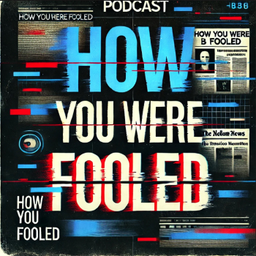
Every day, we take in countless facts, ideas, and beliefs—many of which we assume to be true. But what if some of them were never true at all? *How You
Intelligence can improve reasoning, but it does not automatically protect people from bias. Highly intelligent people may be better at analyzing evidence, spotting weaknesses, and building arguments, yet those same abilities can also help them defend conclusions they already want to believe.
This episode explores motivated reasoning, confirmation bias, overconfidence, identity, and the halo effect. Smart people can become especially skilled at explaining away contradictory evidence, protecting earlier decisions, or extending expertise from one field into areas where they actually know much less.
Good decision-making therefore requires more than intelligence. It also depends on humility, emotional regulation, openness to opposing evidence, and the willingness to ask what would genuinely change your mind.
So, were we fooled? Partly. Intelligence is valuable, but it is not a guarantee of wisdom. The central lesson is that being good at thinking is not enough; what matters is whether we use that ability to test our beliefs, rather than simply defend them.
8 Oct 2026
Confidence Means Competence
Confidence is persuasive because certainty often feels like evidence. In meetings, interviews, media, and everyday conversations, people who speak clearly and decisively can appear more knowledgeable, even when their understanding is limited.
This episode explores how the confidence heuristic, the halo effect, social expectations, and media incentives can make certainty look like competence. Experts may actually sound less certain because they understand complexity, exceptions, and missing information, while less knowledgeable people may offer simpler and more absolute answers.
Confidence can be useful when it helps someone act, communicate, or persist. But it becomes dangerous when it replaces evidence, blocks feedback, or creates the illusion that certainty equals accuracy. Real competence often includes the ability to recognize limits and say, “I’m not sure.”
So, were we fooled? Partly. Confidence can reflect real experience, but it is not proof of expertise. The central lesson is to judge ideas by evidence, reasoning, and results—not simply by how certain the speaker sounds.
1 Oct 2026
Talent Is Something You’re Born With
The idea of “natural talent” is appealing because extraordinary performance often looks effortless from the outside. While people are born with real differences in traits and abilities, those differences are only part of the story.
This episode explores how practice, instruction, opportunity, family support, confidence, access to resources, and environment can amplify small early advantages into major differences later in life. What eventually looks like inborn genius may actually be the result of years of development that remain invisible to outsiders.
The belief in fixed talent can also shape behavior. People who interpret early difficulty as proof that they “are not talented” may quit before they have had enough practice to improve, while those who receive encouragement often persist longer and gain more opportunities to grow.
So, were we fooled? Partly. People do differ, and natural advantages can matter. But talent is rarely destiny. The central lesson is that ability develops through the interaction of predisposition, practice, feedback, opportunity, and persistence—and what looks effortless today may have taken years to build.
Contact How You Were Fooled
Guest appearances
Does not typically book guests
Based on episode analysis; this does not confirm that the show is currently accepting guests.
Host of How You Were Fooled?
Claim your podcast to manage its listing and keep your show details accurate.
Pod Engine is an independent podcast discovery and analytics service and is not affiliated with or endorsed by this podcast. Artwork and show content belong to their owners. Full legal notice.
Explore this show Podcast research with Pod Engine