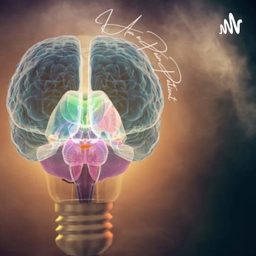
The link between brain fog and inflammation. Here are three practical levers you can pull starting today to begin calming microglial activation:
Protect Your Sleep Architecture: Microglia do the vast majority of their "housekeeping" while you are in deep sleep. Aim for consistent sleep and wake times to allow your brain’s glymphatic system to flush out metabolic waste.
Reduce Systemic Spikes: High sugar intake and chronic physical stress keep inflammatory cytokines elevated. Focus on balanced meals with healthy fats and protein to keep blood sugar stable throughout the workday.
Micro-Rest Breaks: Give your executive brain a break during the day. Even 2 to 3 minutes of slow, diaphragmatic breathing lowers cortisol and tells your brain's defense mechanism that it can safely stand down.
15 Sept 2026
People Pleasing & Your Allostatic Load
Allostatic load, on the other hand, is the cumulative wear and tear on your body when that stress response stays permanently switched on.
Here is where chronic pain and social dynamics collide. When you continuously mold your day, your behavior, and your energy around the external expectations of others—whether that’s family dynamics, societal pressures, workplace demands, or the unspoken needs of a partner—your brain doesn't view it as a harmless preference. It registers as a continuous social threat.
To your primitive nervous system, disappointing someone, causing friction, or risking disapproval triggers an evolutionary alarm: Potential rejection equals isolation, and isolation equals danger.
To keep the peace, you adapt.
You say "yes" when every cell in your body is screaming "no."
You soften your opinions.
You curate your behavior.
You scan the emotional temperature of every room you walk into before you even check in with how you are feeling.
Your brain stays hyper-vigilant, keeping cortisol elevated around the clock. Over time, this chronic psychological strain doesn't stay in your head—it shifts directly into your body as physical symptoms:
Unexplained muscle tension, jaw clenching, and heightened pain sensitivity
Persistent brain fog and mental fatigue
Disrupted sleep patterns and GI issues
A low-grade feeling of emotional numbness or irritability
1. Listen to Your Somatic Early Warning Signs
Your body registers a boundary breach long before your conscious mind processes it. Start paying attention to your physical baseline when a request comes in. Does your stomach tighten? Does your breathing become shallow? Does your jaw clench or your posture drop? These physical responses are real-time neurobiological signals warning you that an expectation is about to overdraw your biological bank account.
2. Pause Before You Auto-Respond
People-pleasing is a deeply entrenched neural highway. To break the automatic "yes," you have to build in a speed bump. Give yourself a script: "Let me check my schedule and capacity, and I'll get back to you." That simple phrase pauses the automatic reaction and gives your prefrontal cortex time to step in and assess if you actually have the biological energy to give.
3. Separate Disharmony from Danger
When you say no or honor your limits, it might create temporary friction. The other person might be disappointed, and your brain might respond with a quick spike of anxiety or guilt. You must remind yourself: discomfort is not danger. Your body can handle a temporary moment of social discomfort far better than it can handle months or years of internal, physiological strain.
9 Sept 2026
Reclaiming Yourself from Dopamine
How to Reset Your Baseline: 3 Steps to Clear the Noise
Create "Friction By Design"
The Fix: Make cheap dopamine harder to reach. Put your phone in another room while working, turn off non-essential notifications, or use website blockers during your focus hours.
Embrace Unscheduled Boredom
The Fix: Resist the urge to pull out your phone during line waits, commutes, or coffee breaks. Allow your brain 5–10 minutes a day to rest without input. This quiet space is often where creative strengths surface.
Swap "Passive Consumption" for "Active Engagement"
The Fix: When you need a break, choose low-dopamine, high-rest restoration: a short walk outside, stretching, journaling, or listening to a single piece of music.
Reach and audience
Public platform figures. Ratings count people who left a rating, not total listeners.
Apple Podcasts (US)
5.0 / 5
1 ratings
Spotify
5.0 / 5
1 ratings
Podcast Authority Score: 8 / 100
A composite of feed quality, social presence, YouTube performance and engagement. Read the methodology.
Quality
15
Social presence
0
YouTube
0
Engagement
0
Contact I am a Pain Patient
Guest appearances
Does not typically book guests
Based on episode analysis; this does not confirm that the show is currently accepting guests.
Questions about I am a Pain Patient
Who hosts I am a Pain Patient?
host host the show. Published by Mary Stange.
How often do new episodes come out?
The show publishes daily, based on its RSS feed.
Does I am a Pain Patient take guests?
The show does not typically feature guests, based on episode analyses.
Host of I am a Pain Patient?
Claim your podcast to manage its listing and keep your show details accurate.
Pod Engine is an independent podcast discovery and analytics service and is not affiliated with or endorsed by this podcast. Artwork and show content belong to their owners. Full legal notice.
Explore this show Podcast research with Pod Engine