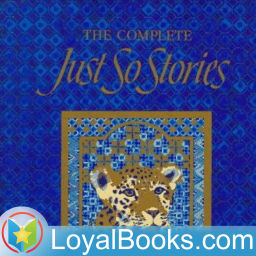
Podcast thumbnail for Just So Stories by Rudyard Kipling

Just So Stories by Rudyard Kipling

Claim This Podcast

by Loyal Books

3.5(11 reviews)
13 episodes
Updated Inactive
Accepts GuestsHas SponsorsLocation 🇬🇧

Podcast Overview

Written originally for his own children, Rudyard Kipling's Just So Stories have continued to delight generations of youngsters since they were first published in 1902. The thirteen stories collected in this book are meant for very young children, but they engage older kids and adults too with their charming conversational style and simple plot lines. These stories are typical examples of the “origin” story, where children are provided with imaginative rather than practical explanations for the “why” “what” “how” “where” “who” “when” questions of childhood. The Just So Stories were tales that Kipling would tell his own daughter who tragically died in infancy of pneumonia. An early forerunner of these stories can be found in The Second Jungle Book in the chapter, “How Fear Came” where the story of how the tiger got its stripes is narrated to Mowgli. All the fables in the Just So Stories follow a similar theme. They relate how a particular creature is altered from an original form into its present appearance either by a magical spirit or a human being. So the reader encounters wonderful and fantastical reasons why The Whale Got Its Throat, The Camel Got Its Hump, The Rhinoceros Got Its Skin, How the Alphabet was Made, and so on. Written in a pretend grand style, as though the narrator was recounting a great and important myth, the stories are studded with fabulous made up words and turns of phrase that catch the reader's attention. Comic exaggeration, wordplay, lots of spontaneous, funny poems, juxtapositions of everyday events with the fantastical tales, amusing and entertaining “explanations” and a short poem at the beginning of each story serve to highlight Kipling's prodigious story telling talents. The reader is always called “Best Beloved” which adds to the personal touch, reminding us of the original listeners of these stories, who were Kipling's own children. Some of the stories may seem politically incorrect to modern day readers, but they must be read in the context in which they were written and could in fact become a starting point for discussions on such issues as race, gender etc. with your own children.

Language

🇺🇲

Publishing Since

12/21/2023

1 verified contact email on file for Just So Stories by Rudyard Kipling

Pitch yourself as a guest, propose sponsorships, or reach out directly to the host.

Recent Episodes

Episode thumbnail for 01 How the Whale got his Throat

January 2, 2024

01 How the Whale got his Throat

More great books at LoyalBooks.com

Episode thumbnail for 02 How the Camel got his Hump

January 1, 2024

02 How the Camel got his Hump

More great books at LoyalBooks.com

Episode thumbnail for 03 How the Rhinoceros got his Skin

December 31, 2023

03 How the Rhinoceros got his Skin

More great books at LoyalBooks.com

13 total episodes available

Deep-dive analytics for Just So Stories by Rudyard Kipling

Frequently asked questions

Have a different question and can't find the answer you're looking for? Reach out to our support team by sending us an email and we'll get back to you as soon as we can.

What is Just So Stories by Rudyard Kipling?

Written originally for his own children, Rudyard Kipling's Just So Stories have continued to delight generations of youngsters since they were first published in 1902. The thirteen stories collected in this book are meant for very young children, but they engage older kids and adults too with their charming conversational style and simple plot lines.

These stories are typical examples of the “origin” story, where children are provided with imaginative rather than practical explanations for the “why” “what” “how” “where” “who” “when” questions of childhood. The Just So Stories were tales that Kipling would tell his own daughter who tragically died in infancy of pneumonia.

An early forerunner of these stories can be found in The Second Jungle Book in the chapter, “How Fear Came” where the story of how the tiger got its stripes is narrated to Mowgli. All the fables in the Just So Stories follow a similar theme. They relate how a particular creature is altered from an original form into its present appearance either by a magical spirit or a human being. So the reader encounters wonderful and fantastical reasons why The Whale Got Its Throat, The Camel Got Its Hump, The Rhinoceros Got Its Skin, How the Alphabet was Made, and so on.

Written in a pretend grand style, as though the narrator was recounting a great and important myth, the stories are studded with fabulous made up words and turns of phrase that catch the reader's attention. Comic exaggeration, wordplay, lots of spontaneous, funny poems, juxtapositions of everyday events with the fantastical tales, amusing and entertaining “explanations” and a short poem at the beginning of each story serve to highlight Kipling's prodigious story telling talents.

The reader is always called “Best Beloved” which adds to the personal touch, reminding us of the original listeners of these stories, who were Kipling's own children. Some of the stories may seem politically incorrect to modern day readers, but they must be read in the context in which they were written and could in fact become a starting point for discussions on such issues as race, gender etc. with your own children.

How often does this podcast release new episodes?

This podcast updates inactive.

Where can I listen to this podcast?

This podcast is available on 8 platforms including Apple Podcasts, Spotify, and more. You can also use the RSS feed directly.

Does this podcast accept guests?

Information about guest appearances is not available.

Legal Disclaimer

Pod Engine is not affiliated with, endorsed by, or officially connected with any of the podcasts displayed on this platform. We operate independently as a podcast discovery and analytics service.

All podcast artwork, thumbnails, and content displayed on this page are the property of their respective owners and are protected by applicable copyright laws. This includes, but is not limited to, podcast cover art, episode artwork, show descriptions, episode titles, transcripts, audio snippets, and any other content originating from the podcast creators or their licensors.

We display this content under fair use principles and/or implied license for the purpose of podcast discovery, information, and commentary. We make no claim of ownership over any podcast content, artwork, or related materials shown on this platform. All trademarks, service marks, and trade names are the property of their respective owners.

While we strive to ensure all content usage is properly authorized, if you are a rights holder and believe your content is being used inappropriately or without proper authorization, please contact us immediately at hey@podengine.ai for prompt review and appropriate action, which may include content removal or proper attribution.

By accessing and using this platform, you acknowledge and agree to respect all applicable copyright laws and intellectual property rights of content owners. Any unauthorized reproduction, distribution, or commercial use of the content displayed on this platform is strictly prohibited.