- 56
- Episodes
- 2
- Ratings
- Weekly
- Cadence
- 2025
- First episode
About Maximum FUN Dog Agility
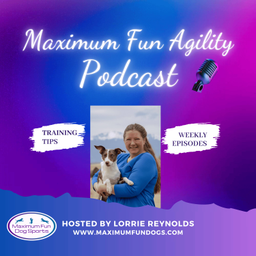
Are you a dog lover eager to jump into dog agility or a current agility competitor who could use some extra tips to take your team to the next level? The Maximum Fun Dog Agility podcast is your go-to source. Lorrie Reynolds, who's been in the agility training and trialing arena since 2002, unveils insights into building your perfect dog agility team and provides expert advice in short, information-packed episodes. Explore your passion, conquer obstacles, and embrace fun agility training with your canine companion!
- Publisher
- Lorrie Reynolds
- Category
- education · kids & family · leisure
- Language
- en
- Explicit
- No
- First episode
- 3 Jun 2025
- Latest episode
- 23 Jun 2026
Latest episodes
56 episodes in the feed.
23 Jun 2026
Episode 056 - 7 Reasons to Record Your Dog Agility Training Sessions
Show Notes 7 Reasons to Record Your Dog Agility Training Sessions Quick Answer Why should you record your dog agility training sessions? Recording your agility training sessions allows you to analyze your dog’s emotional state, review your handling and cues, evaluate reward timing and placement, and track your progress over time. Video provides valuable insights that are difficult to notice while you are actively training. Episode Overview In this episode of the Maximum Fun Agility podcast, Lorrie Reynolds explains why recording your dog agility training sessions can dramatically improve your training results. When you are running your dog, it is nearly impossible to observe everything happening during the exercise. Video allows you to slow down and analyze your training so you can see both your successes and the areas that need improvement. By reviewing training footage, handlers can identify issues with timing, communication, reward placement, and criteria that might otherwise go unnoticed. 1. Evaluate Your Dog’s Emotional State Video allows you to analyze how your dog is feeling during training. When reviewing footage, watch for signs of: Confidence and enthusiasm Hesitation or uncertainty Stress signals or distraction Physical discomfort Your dog should move through exercises confidently and happily. Subtle changes in posture, hesitation, or movement may indicate confusion or even a physical issue. 2. Monitor Reward Frequency Many handlers unintentionally reward too infrequently during training. When reviewing video, ask yourself: How often did I reward my dog? Did I reward attempts and progress? Did I accidentally repeat exercises without reinforcing effort? Maintaining a high reward frequency helps keep your dog motivated and engaged in learning. 3. Review Your Training Mechanics Video can reveal small timing errors that are difficult to notice during training. You can evaluate: The timing of your clicker or marker word When reinforcement is delivered How your dog responds to the marker Proper timing helps your dog clearly understand which behavior earned the reward. 4. Evaluate Reward Placement Reward placement plays a major role in shaping your dog’s behavior. When reviewing video, watch where your reward is delivered and how it affects your dog’s movement. Strategic reward placement can: Reinforce correct positions Encourage forward motion Prevent anticipation or position shifts 5. Analyze Your Handling and Cues It is very difficult to know exactly what your body is doing while you are running your dog. Video allows you to examine: Your body language Your timing of cues Whether your signals match what you intended to communicate Reviewing footage can reveal moments where your cues were unclear or late. 6. Check Whether You Maintained Your Criteria Video helps determine whether you are consistently reinforcing your performance criteria. When reviewing training sessions, ask yourself: Did I reward the correct behavior? Did I accidentally reward something below my criteria? Did I miss rewarding improvements? Maintaining clear criteria helps your dog learn faster and prevents confusion. 7. Track Your Progress Over Time One of the most motivating benefits of recording training sessions is seeing how much your team improves. Video allows you to: Compare sessions over time Track improvements in performance Document successful training moments Looking back at older recordings can be especially helpful when you feel stuck in training. It provides a clear reminder of how far your team has come. Training Tip From This Episode Before your next training session, take a few minutes to set up your camera or phone. Even if you only review the footage once and then delete it, the insights you gain from watching your training session can significantly improve your communication and results. Related Episodes Episode 049 – Dog Agility Training Criteria: Plan Performance Criteria Before You Train Episode 051 – How Important Are Verbal Cues for Dog Agility Episode 045 – Are You a Good Dog Agility Navigator? Resources Mentioned Maximum Fun Dog Sports https://www.maximumfundogs.com (https://www.maximumfundogs.com) Stay Connected If you enjoyed this episode of the Maximum Fun Agility podcast, please subscribe and consider leaving a review. Reviews help more agility handlers discover the podcast. You can also join our community and receive free weekly training tips, articles, and resources by signing up at: https://www.maximumfundogs.com (https://www.maximumfundogs.com) Additional Resources: Website: https://www.maximumfundogs.com (https://www.maximumfundogs.com) Shop: https://courses.maximumfundogs.com/shop (https://courses.maximumfundogs.com/shop) Email: support@maximumfundogs.com (mailto:support@maximumfundogs.com) Articles: https://www.maximumfundogs.com/articles (https://www.maximumfundogs.com/articles) The Agility Playground: https://courses.maximumfundogs.com/2025-bb-tap1-7D (https://courses.maximumfundogs.com/2025-bb-tap1-7D)
16 Jun 2026
Episode 055 - 5 Reasons to Start Your Dog Training Session With a Known Behavior
Show Notes Suggested SEO Title How to Start a Dog Training Session: 5 Reasons to Begin With a Known Behavior Quick Answer Starting a dog training session with a behavior your dog already knows helps establish focus, build confidence, and increase motivation. A quick success at the beginning of training raises reward frequency and creates a positive emotional state that carries through the rest of the session. This simple strategy strengthens your relationship with your dog and improves overall training results. Episode Overview Many dog trainers jump straight into the hardest behavior they want to work on during a training session. While that seems efficient, it often creates frustration for both the dog and the handler. In this episode of the Maximum Fun Agility Podcast, Lorrie explains why the best way to start a dog training session is with something your dog already understands. Beginning with a familiar behavior helps your dog focus, increases motivation, reinforces existing skills, and builds confidence before tackling more challenging tasks. If you want your dog training sessions to be more productive, enjoyable, and successful, this simple habit can make a big difference. Key Points From This Episode 1. Starting With a Known Behavior Establishes Focus Beginning your dog training session with an easy task helps your dog quickly understand that training has started. Instead of becoming distracted by the environment, your dog learns that paying attention to you leads to rewards and engagement. A quick success right away helps create a positive learning environment for the rest of the session. 2. It Reinforces Previously Learned Skills Many trainers unintentionally allow basic behaviors to weaken because they focus only on new or difficult skills. By revisiting known behaviors briefly at the beginning of a session, you reinforce those skills and maintain their reliability. This prevents previously trained behaviors from deteriorating over time. 3. Early Success Builds Confidence Confidence plays a huge role in successful dog training. Starting with something your dog already knows allows them to earn reinforcement immediately. That early success creates a positive emotional state that helps your dog approach new challenges with enthusiasm rather than hesitation. You can also warm up with foundation skills related to the behavior you plan to train. 4. High Reward Frequency Increases Motivation Reward frequency is one of the biggest factors in maintaining motivation during dog training. Beginning with familiar behaviors allows you to reward quickly and frequently at the start of a session. This builds momentum and encourages your dog to stay engaged throughout the training process. 5. It Strengthens Your Training Relationship Starting a training session with success creates a positive emotional association with working together. When your dog feels successful and motivated from the beginning, you can work through more difficult behaviors without damaging the relationship or creating frustration. Over time, this approach builds stronger teamwork between you and your dog. Training Tip Before beginning your next training session, plan to start with a behavior your dog already knows well. Examples include: Sit Down Hand target A favorite trick A quick win at the start helps your dog focus, increases motivation, and sets the tone for a productive training session. Listener Challenge For your next few training sessions, intentionally begin with a known behavior and reward it several times before starting your main exercise. Notice how quickly your dog engages and whether it improves the rest of your training session. Related Episodes You may also enjoy these episodes of the Maximum Fun Agility Podcast: • Episode 049 – Dog Agility Training Criteria: Plan Performance Criteria Before You Train • Episode 056 – 7 Reasons to Record Your Dog Agility Training Sessions • Episode 015 – Why Reward Placement Matters in Dog Training These episodes expand on training mechanics, reward timing, and building reliable behaviors. Resources Mentioned Learn more about improving your dog agility training and communication with your dog at: Maximum Fun Dog Sports https://www.maximumfundogs.com (https://www.maximumfundogs.com) Want More Dog Agility Training Help? If you want to build a confident agility dog and improve your teamwork on the course, join The Agility Playground. The Agility Playground is a membership community designed to help agility teams improve communication, independence, and performance through structured training challenges and lessons. You can learn more and start your 7-day free trial here: https://courses.maximumfundogs.com/2025-bb-tap1-7D (https://courses.maximumfundogs.com/2025-bb-tap1-7D) Additional Resources: Website: https://www.maximumfundogs.com (https://www.maximumfundogs.com) Shop: https://courses.maximumfundogs.com/shop (https://courses.maximumfundogs.com/shop) Email: support@maximumfundogs.com (mailto:support@maximumfundogs.com) Articles: https://www.maximumfundogs.com/articles (https://www.maximumfundogs.com/articles) The Agility Playground: https://courses.maximumfundogs.com/2025-bb-tap1-7D (https://courses.maximumfundogs.com/2025-bb-tap1-7D)
9 Jun 2026
Episode 054 - How to Build Confidence in Dog Agility Training by Pushing Your Limits
Show Notes Build Your Confidence By Pushing Your Dog Training Limits Quick Answer How can agility handlers build confidence in their training? One of the best ways to build confidence in dog agility training is by pushing your limits with challenging exercises and working with people who encourage you to try new things. Training partners, instructors, and seminars can help handlers expand their skills and discover what their teams are truly capable of achieving. Episode Overview In this episode of the Maximum Fun Agility podcast, Lorrie Reynolds discusses how pushing your training limits can help build confidence for both handler and dog. Many agility handlers become comfortable working within their current skill level. While this can feel safe, it may prevent teams from discovering what they are truly capable of accomplishing. By training with people who challenge you and encourage you to try harder exercises, you can expand your abilities and gain confidence in your skills. Why Challenging Yourself Builds Confidence Confidence doesn’t always come from doing things you already know you can do. It often develops when you attempt exercises that initially seem difficult and discover that your team is capable of more than you expected. When handlers consistently push their limits in training, they begin to trust both their own skills and their dog’s abilities. The Value of Training Partners Training with someone who challenges you can be incredibly valuable. Training partners can help by: Encouraging you to try more advanced exercises Providing feedback on your handling Creating friendly challenges that push both teams to improve Celebrating successes along the way Training with another person often makes practice sessions more productive and more enjoyable. Finding the Right People to Train With Confidence-building opportunities can come from many different places. These might include: A skilled instructor who challenges your team Seminar instructors who push your abilities Training partners who enjoy friendly competition An online training community that provides challenges and accountability The key is finding people who believe in your abilities and encourage you to expand your limits. Training Tip From This Episode If you want to grow as an agility team, look for opportunities to challenge yourself. Train with people who encourage you to try more difficult sequences, explore new handling options, and push your skills beyond what feels comfortable. You may be surprised by how much your team is capable of achieving. Related Episodes Episode 050 – Can a Training Partner Improve Your Dog Agility Sessions? Episode 035 – When Is Failure a Good Thing in Dog Agility? Episode 037 – Does Your Agility Dog Lack Confidence? Resources Mentioned Maximum Fun Dog Sports https://www.maximumfundogs.com (https://www.maximumfundogs.com) Continue Your Agility Journey If you’re looking for a supportive community and monthly challenges that help push your agility skills to the next level, join The Agility Playground. The Agility Playground membership provides structured exercises, challenges, and coaching designed to help agility teams continue improving. You can learn more and join the community at: https://courses.maximumfundogs.com/2025-bb-tap1-7D (https://courses.maximumfundogs.com/2025-bb-tap1-7D) Additional Resources: Website: https://www.maximumfundogs.com (https://www.maximumfundogs.com) Shop: https://courses.maximumfundogs.com/shop (https://courses.maximumfundogs.com/shop) Email: support@maximumfundogs.com (mailto:support@maximumfundogs.com) Articles: https://www.maximumfundogs.com/articles (https://www.maximumfundogs.com/articles) The Agility Playground: https://courses.maximumfundogs.com/2025-bb-tap1-7D (https://courses.maximumfundogs.com/2025-bb-tap1-7D)
Reach and audience
Public platform figures. Ratings count people who left a rating, not total listeners.
- Apple Podcasts (US)
- 4.5 / 5
- 2 ratings
Podcast Authority Score: 29 / 100
A composite of feed quality, social presence, YouTube performance and engagement. Read the methodology.
- Quality
- 57
- Social presence
- 0
- YouTube
- 0
- Engagement
- 0
Contact Maximum FUN Dog Agility
- Guest appearances
- Does not typically book guests
Based on episode analysis; this does not confirm that the show is currently accepting guests.
Host of Maximum FUN Dog Agility?
Claim your podcast to manage its listing and keep your show details accurate.
Pod Engine is an independent podcast discovery and analytics service and is not affiliated with or endorsed by this podcast. Artwork and show content belong to their owners. Full legal notice.
Explore this show
Podcast research with Pod Engine