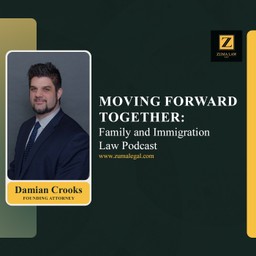
About Moving Forward Together: Family and Immigration Law Podcast
Moving Forward Together: Family and Immigration Law Podcast ofrece información clara y accesible sobre temas de derecho de familia e inmigración que afectan a miles de familias en Illinois. Con la guía de abogados experimentados, cada episodio busca ayudar a padres y madres a entender sus derechos, tomar decisiones informadas y avanzar con mayor seguridad en momentos legales complejos.
Asylum in the United States: Who Qualifies and How the Process Works
In this episode of Moving Forward Together: Family and Immigration Law Podcast, host Evan Mack sits down with Attorney Mary Mamoka from Zuma Law to delve into the intricacies of the asylum process in the United States. Mary, who specializes in asylum and special immigration juvenile status cases, shares her insights on who qualifies for asylum, the application process, and the types of evidence that can support a claim. She explains the critical one-year deadline for filing asylum applications and discusses the potential for exceptions under extraordinary circumstances.
Mary also outlines the differences between affirmative and defensive asylum applications, and the factors that can affect the timeline of a case. Listeners will gain a deeper understanding of how asylum can offer protection to individuals facing persecution and what options are available if an application is denied. This episode is essential for anyone seeking to understand the asylum process or considering applying for asylum in the U.S.
29 Sept 2026
FOIA Requests in Immigration Cases: Why They Matter and What They Can Reveal
In this episode of Moving Forward Together: Family and Immigration Law Podcast, host Lisa Mosbey sits down with Attorney Aaron Brancato from Zuma Law to explore the intricacies of the Freedom of Information Act (FOIA) requests in immigration cases. Aaron delves into the purpose and process of FOIA requests, explaining how they can be crucial for individuals seeking to obtain records held by the U.S. government.
He discusses the types of information that can be uncovered, such as historical immigration records and notes made by officers, and the potential impact on an individual’s immigration case. Aaron also provides insights into the benefits of having an attorney assist with FOIA requests, including understanding complex legal jargon and ensuring consistency across applications. By the end of the episode, listeners will gain a deeper understanding of how FOIA requests can be a powerful tool in navigating the immigration process.
15 Sept 2026
Federal APA Lawsuits in Immigration Cases: When Can You Sue USCIS?
In this episode of Moving Forward Together: Family and Immigration Law Podcast, host Lisa Mosbey is joined by attorney Aaron Brancato of Zuma Law to explore the intricacies of Administrative Procedure Act (APA) lawsuits within immigration law. Aaron, who specializes in immigration cases, shares his expertise on when and how these lawsuits can be used to address unreasonable delays or arbitrary decisions by government agencies such as USCIS and ICE. He explains the differences between APA and mandamus lawsuits, highlighting scenarios where one may be more advantageous than the other. Aaron also discusses the potential outcomes of successful APA lawsuits and addresses common misconceptions about their impact on immigration cases. This episode provides valuable insights for individuals and families facing immigration challenges, offering practical legal guidance and support.
1 Sept 2026
Consular Processing vs Adjustment of Status: Which Immigration Path Makes More Sense?
In this episode of Moving Forward Together: Family and Immigration Law Podcast, host Lisa Mosbey sits down with attorney Magdalena Wilk from Zuma Law to explore the intricacies of adjustment of status and consular processing for obtaining a green card. Magdalena, who specializes in family-based immigration and deportation defense, shares her insights on the differences between these two pathways, eligibility criteria, and the potential risks involved. She discusses recent USCIS policy changes that have brought consular processing into the spotlight and explains why understanding the legal consequences of leaving the United States is crucial for families. Listeners will gain valuable knowledge on how to navigate these complex immigration processes and make informed decisions to avoid family separation and other adverse outcomes.
18 Aug 2026
New USCIS Adjustment of Status Policy: What Families Need to Know
In this episode of Moving Forward Together: Family and Immigration Law Podcast, host Lisa Mosbey welcomes attorney Magdalena Wilk from Zuma Law to discuss recent changes to adjustment of status policies. Magda, an expert in family-based immigration and deportation defense, explains the implications of new guidance from USCIS that affects green card applicants.
She highlights how officer discretion now plays a larger role in evaluating applications, particularly concerning visa overstays and expired statuses. Magda clarifies misconceptions about the necessity of leaving the U.S. for consular processing and advises on the categories of applicants impacted by these changes. This episode is essential for families navigating immigration processes, offering insights into how to approach applications under the new policy framework.
7 Jul 2026
Immigration Delays and Mandamus Lawsuits: What Happens After You Sue USCIS?
In this episode of Moving Forward Together: Family and Immigration Law Podcast, host Evan Mack is joined by Attorney Karen Ramirez from Zuma Law to discuss the intricacies of mandamus lawsuits in the context of immigration delays. Karen, who specializes in removal proceedings and asylum cases, shares her insights on the process and implications of filing a mandamus lawsuit against USCIS. She explains the roles of various government agencies involved, the typical responses from immigration authorities, and the potential impact on case timelines. Karen also highlights the differences between federal court proceedings and traditional immigration processes, providing valuable advice for families considering this legal route. Listeners will gain a deeper understanding of how mandamus lawsuits can be a strategic tool in addressing prolonged immigration delays.
23 Jun 2026
Mandamus Lawsuits in Immigration Cases: What They Are and When They May Help
In this episode of Moving Forward Together: Family and Immigration Law Podcast, host Evan Mack is joined by Attorney Karen Ramirez from Zuma Law to explore the intricacies of mandamus lawsuits in immigration cases. Karen, an immigrant herself, brings a personal and professional perspective to the discussion, focusing on how these lawsuits can compel government agencies to act on delayed immigration petitions. She explains when and why a mandamus lawsuit might be necessary, especially in cases involving asylum, work permits, and naturalization. The conversation delves into the factors that determine if a delay is unusually long and the steps to take before filing such a lawsuit, including inquiries with USCIS and reaching out to local congressmen. Karen also outlines the federal court process once a lawsuit is filed and provides real-life examples to illustrate how these cases can resolve long-standing delays. Listeners will gain valuable insights into the strategic use of mandamus lawsuits to navigate complex immigration challenges.
9 Jun 2026
Navigating Cancellation of Removal in Immigration Court
In this episode of Moving Forward Together: Family and Immigration Law Podcast, host Shameika Rhymes is joined by Attorney Karen Ramirez-Holt from Zuma Law to discuss the intricacies of cancellation of removal in immigration court. Karen, who specializes in representing individuals in removal proceedings, explains the two types of cancellation of removal—42A for legal permanent residents and 42B for non-permanent residents. She details the eligibility criteria, including continuous presence, good moral character, and the impact of criminal records. The conversation covers the importance of proving hardship to qualifying relatives and the types of evidence that strengthen a case. Karen shares insights on the procedural aspects of filing for cancellation and highlights a real-life case to illustrate how thorough documentation can lead to successful outcomes. This episode is essential for anyone facing removal proceedings and seeking to understand their options for remaining in the United States.
26 May 2026
Navigating Immigration Court: Missing Dates and Reopening Cases
In this episode of Moving Forward Together: Family and Immigration Law Podcast, host Shameika Rhymes is joined by attorney Karen Ramirez from Zuma Law to discuss the intricacies of immigration court proceedings. Karen, who specializes in removal proceedings with a focus on asylum and detention cases, shares her insights on what happens when someone misses an immigration court date. She explains the implications of an in absentia order and how it can affect an individual’s case, including potential deportation and barriers to re-entry. Karen also outlines the process for reopening a case, emphasizing the importance of exceptional circumstances and the need to keep addresses updated with immigration authorities. This episode provides valuable information for individuals and families navigating the complexities of immigration law, offering guidance on how to address missed court dates and the steps involved in reopening a case.
12 May 2026
Corte de Inmigración para Familias: Qué Esperar y Cómo Prepararse
En este episodio, Carlos Marroquín conversa con el abogado Phil Schlichting sobre cómo funciona la corte de inmigración en Estados Unidos. Se explica qué es este sistema, qué situaciones pueden llevar a una persona a enfrentar un proceso de deportación y cuáles son las defensas más comunes, como el asilo o la cancelación de deportación. Además, se detallan las etapas del proceso, los actores clave dentro de la corte y la importancia de prepararse adecuadamente con evidencia y asesoría legal para enfrentar el caso con mayor claridad y confianza.
28 Apr 2026
Estatus Especial de Inmigrante Juvenil (SIJS): Quién Califica y Cómo Funciona
En este episodio, el abogado Phil Schlichting explica el Estatus Especial de Inmigrante Juvenil (SIJS) y cómo puede brindar protección migratoria a menores que han sufrido abandono, negligencia o abuso por parte de uno o ambos padres. Se detalla quiénes califican, cómo intervienen las cortes familiares y de tutela, y por qué este proceso comienza fuera del sistema migratorio tradicional. Además, se destacan los factores clave como la edad, el rol del tutor y la importancia de actuar a tiempo para no perder la elegibilidad.
14 Apr 2026
Immigration Waivers Explained: Who Qualifies and How They Work
Attorney Damian Crooks of Zuma Law breaks down immigration waivers, explaining grounds of inadmissibility, common reasons for inadmissibility, eligibility for waivers, and the concept of extreme hardship in immigration law. He details the evidence needed to prove extreme hardship and the collaborative effort required in the waiver process. Damian also discusses the different types of waivers, timelines, government review, and how waivers offer opportunities for individuals with complex immigration histories.
31 Mar 2026
Visas for Victims of Crime: U-Visas, VAWA, and T-Visas Explained
Damian Crooks from Zuma Law discusses the immigration protections available to victims of crime, including U-VISA, VAWA petitions, and T-VISA. He explains the eligibility criteria and benefits of each form of relief, offering valuable insights for families seeking safety and stability.
3 Mar 2026
Inmigración Familiar 101: Cómo Traer a un Cónyuge o Familiar a los Estados Unidos
En este episodio, se explican las principales opciones para traer a un cónyuge, prometido o familiar a los Estados Unidos a través de peticiones familiares. Se analizan las diferencias entre la visa de prometido y el matrimonio consular, los requisitos para demostrar una relación de buena fe y los factores que influyen en los tiempos de procesamiento. Además, se aborda la diferencia entre familiares inmediatos y categorías de preferencia, así como la importancia de revisar el historial migratorio antes de iniciar cualquier proceso.
17 Feb 2026
Enfrentar la Deportación: Qué Hacer y Quién Puede Ayudar
En este episodio, se explica cómo funciona la corte de inmigración y por qué recibir una carta con una fecha de corte no significa una orden de deportación. Se abordan defensas comunes como la visa U para víctimas de delitos, el asilo político y la cancelación de deportación, así como los errores más frecuentes que ponen en riesgo un caso. Además, se destaca la importancia de asistir a corte, presentar un plan de defensa desde la primera audiencia y preparar evidencia sólida para proteger a las familias inmigrantes.
6 Jan 2026
Manutención de Menores en Illinois: Cómo Se Calcula y Cuándo Puede Cambiar
En este primer episodio, la abogada Daniela Espinoza explica cómo funciona la manutención de menores en el estado de Illinois, cómo se calcula y en qué circunstancias puede modificarse. Se analiza el modelo de ingresos compartidos, por qué el estado toma en cuenta los ingresos de ambos padres y qué otros factores influyen en el cálculo, como el tiempo de crianza, el seguro médico y los gastos adicionales de los hijos. Además, se aclaran errores comunes al intentar calcular la manutención por cuenta propia y se brindan recomendaciones prácticas para padres que atraviesan este proceso por primera vez.
Reach and audience
Public platform figures. Ratings count people who left a rating, not total listeners.
Spotify
5.0 / 5
1 ratings
Contact Moving Forward Together: Family and Immigration Law Podcast
Guest appearances
Books guests
Based on episode analysis; this does not confirm that the show is currently accepting guests.
Host of Moving Forward Together: Family and Immigration Law Podcast?
Claim your podcast to manage its listing and keep your show details accurate.
Pod Engine is an independent podcast discovery and analytics service and is not affiliated with or endorsed by this podcast. Artwork and show content belong to their owners. Full legal notice.
Explore this show Podcast research with Pod Engine