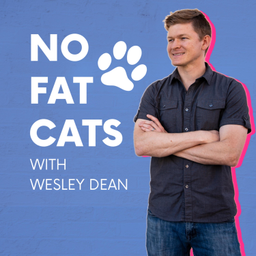
Helping high performing creative teams get even better.
This is a podcast about strategy, execution and leadership for creatives and those working in the communications role of their company or organization.
It’s hard to believe that it’s been 50 episodes. That seems like a big number. It’s time to reflect on how far I have come and what I have learned with the podcast.
When I started off my goal was to get good at podcasting. I didn’t really have a very clearly defined strategy. I knew I liked creativity, strategy and leadership. I knew that I wanted to talk about storytelling and filming.
It was a lot of fun and while I didn’t directly monetize off of the podcast, because I produced one, it gave me the confidence to tell other people that I could produce a podcast. That in turn led to me producing a podcast for USAID that was a great opportunity in many ways.
Along the way I have learned about launch and podcast and how hard it is actually to get podcast downloads. In part because it's not that easy to find a podcast.
It’s a lot easier to see content on social media or see podcast excerpts posted on social than it is to download a podcast.
Perhaps the best way to actually grow a podcast is to appear on other people’s podcasts. Because if someone listens to a podcast already, then they are more likely to listen to another podcast.
When it comes to growing an audience, you are best off really niching down so that you speak directly to one particular audience. In the US there are tons of podcasts on leadership, video business, creativity and productivity. At this stage of the game, you probably aren’t going to stand out unless you bring a unique voice on one particular topic.
Which has led me to make the decision to refocus the podcast. I’ve realized that I have loved episodes that deal with Cross-cultural Creative issues. And while I would love to talk about leadership and productivity, it’s just too crowded of a space. However if you limit the issues so that they all deal with things through a cross-cultural lens, all of a sudden you are talking to a much more specific crowd.
So for now Episode 50 is going to be my last of the No Fat Cats while I rework my new podcast and relaunch. In part I made my decision because No Fat Cats doesn’t translate well cross-culturally and I need something that people can get across different cultures.
8 Sept 2020
49. Making it Easy for Your Podcast Guests to Share Your Show — Gabe Petersen
Gabe Petersen was bored and at home scrolling through LinkedIn when he realized that he had a lot of connections. It was towards the beginning of COVID-19 people didn’t have anywhere to go and were happy to jump on zoom calls, especially if it meant they would get to be on a podcast.
And that is what Gabe did. With his background in real estate, he started The Real Estate Investing Club Podcast where he has produced over 40 episodes within the span of four months.
What Gabe found worked the best for promoting his podcast was when he created all of the additional content and sent it to his guests as a package that could easily be distributed to everyone and shared on social media.
Referenced Links
Rich Dad Poor Dad (https://www.richdad.com/)
Gabe’s editing software: www.movavi.com (https://www.movavi.com/mac.html)
Sellmymobilehomeparks.com
https://www.therealestateinvestingclub.com (https://www.therealestateinvestingclub.com/)
Contact Gabe:
Twitter (https://twitter.com/GabePetersen/)
Facebook (https://www.facebook.com/gabrielwpetersen)
Instagram @gabrielwpetersen (https://www.instagram.com/gabrielwpetersen/)
Linked In (https://www.linkedin.com/in/gabe-petersen/)
1 Sept 2020
48. Why You Need a Business Mentor — Eric Thayne
Eric Thayne started filming super hero videos as a kid with his friends in his backyard using Hi8 tapes. He has always loved filming and producing beautiful looking images.
He continued pursuing his passion and love of filming and turned it into a business where he started off shooting anything people would pay him to do. But he had this passion and desire to get better and produce more cinematic pieces.
Eventually he was ready to take the next big step and spent about $10K on a Canon C100mkii and the original Ronin gimbal. He went out with the camera, expecting it to look great, but was quickly disappointed.
The images didn’t look particularly cinematic. He even sent the camera back to Canon, because he thought it was broken. Canon sent it back saying it was fine.
It was then that he realized that it’s not just the camera that makes something look cinematic, it’s how you light everything you are filming that matters most.
He learned how to improve his skill set by learning from other producers and DPs who were doing the kind of work that he aspired to be doing.
Then he realized that other people were struggling to produce cinematic images as well. Plenty of people had good cameras, but weren’t getting the look they wanted.
That’s where Cinema Mastery was born. However mastering cameras and light are one thing, but managing SEO, email sequences and marketing a business is another.
At that point Eric brought on a mentor who had done what he wanted to do to help him grow his business. And over the years that is what he credits with his success. It’s the thousands of dollars he has spent on courses, business mentors and coaches that has led to having over 13,000 people take his online courses or sign up for some type of coaching from him.
Check his story out!
Referenced Links
www.cinemamastery.com (https://cinemamastery.com/)
Eric Thayne on Instagram @ericthayne (https://www.instagram.com/ericthayne)
Reach and audience
Public platform figures. Ratings count people who left a rating, not total listeners.
Apple Podcasts (US)
5.0 / 5
7 ratings
Host of No Fat Cats - A Podcast for Creative Teams?
Claim your podcast to manage its listing and keep your show details accurate.
Pod Engine is an independent podcast discovery and analytics service and is not affiliated with or endorsed by this podcast. Artwork and show content belong to their owners. Full legal notice.
Explore this show Podcast research with Pod Engine