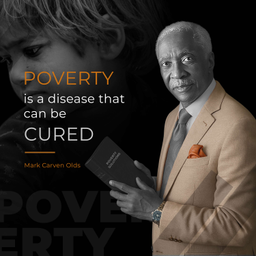
POVERTY IS A DISEASE THAT CAN BE CURED
Claim This Podcastby Mark
Podcast Authority
Beta
Podcast Overview
<p>The disease of poverty forces one into isolationism by eroding the social, emotional, and economic connections that sustain individuals and communities. Poverty often creates a cycle of exclusion, where those affected may feel shame, rejection, or a sense of inadequacy that causes them to withdraw from society. This withdrawal is not always voluntary but often a response to systemic barriers and societal stigmatization. Here's how poverty contributes to isolationism:</p><p><b>1. Stigma and Shame</b></p><ul><li>Society often attaches a negative stigma to poverty, leading individuals to internalize feelings of inferiority or unworthiness. This shame discourages them from seeking help or engaging in social activities, resulting in self-imposed isolation.</li></ul><p><b>2. Erosion of Relationships</b></p><ul><li>The stress of financial instability can strain personal relationships. Family and friends may distance themselves, or individuals in poverty may avoid social circles out of embarrassment or fear of judgment.</li></ul><p><b>3. Limited Access to Resources</b></p><ul><li>Poverty restricts access to transportation, technology, and public spaces, physically separating individuals from opportunities to connect with others or participate in community life.</li></ul><p><b>4. Mental Health Challenges</b></p><ul><li>The psychological toll of poverty—depression, anxiety, and feelings of hopelessness—can deepen isolation, as individuals may lack the energy or motivation to maintain social connections.</li></ul><p><b>5. Social Exclusion</b></p><ul><li>Systems of inequality and discrimination often exclude those living in poverty from educational, economic, and social opportunities, creating a societal divide that fosters alienation.</li></ul><p><b>6. Lack of Trust</b></p><ul><li>Experiences of exploitation or unmet promises can cause individuals in poverty to distrust institutions and even peers, leading them to retreat into isolation as a protective measure.</li></ul><p><b>7. Survival Priorities</b></p><ul><li>When survival consumes all energy and focus, there’s little room for social engagement or building relationships. Isolation becomes a byproduct of prioritizing immediate needs over long-term connections.</li></ul><p><b>Breaking the Cycle:</b></p><p>To address this forced isolationism, it’s crucial to foster inclusive communities, provide equitable opportunities, and challenge the stigmas surrounding poverty. Empowerment through education, access to resources, and emotional support can rebuild trust and connections, helping individuals reintegrate into society and break free from the isolating grip of poverty.</p>
Language
🇺🇲
Publishing Since
5/25/2025
Unlock The Full Podcast Authority Score Report
See how your podcast performs across key metrics
Podcast Authority
Beta
Recommendations available
Unlock the full report to see detailed tips
Unlock comprehensive insights including:
- • YouTube presence analysis
- • Social media reach metrics
- • RSS compliance scoring
- • Podcast 2.0 features
- • Technical standards
Detailed Analytics
- Complete breakdown of all 19 authority metrics
- Personalized recommendations for each metric
- Industry benchmarks and comparisons
- Technical RSS feed analysis and compliance scoring
Growth Strategies
- Step-by-step action plans for improvement
- Quick wins to boost your score immediately
- Pro tips from successful podcasters
See how your show performs across every key metric
High authority scores make your podcast more attractive to industry leaders and influencers who want to appear on credible shows.
Sponsors look for podcasts with proven authority and engagement. Your score demonstrates your podcast's value to potential partners.
Understanding your strengths and weaknesses helps you make data-driven decisions to expand your listener base effectively.
1 verified contact email on file for POVERTY IS A DISEASE THAT CAN BE CURED
Pitch yourself as a guest, propose sponsorships, or reach out directly to the host.
Recent Episodes

November 26, 2025
Rewriting the Story of Poverty
Send us a text “Rewriting the Story of Poverty.” On this Thanksgiving Day 2025, as gratitude fills our homes, we must face a truth we often avoid: Poverty is not seasonal. It’s not glamorous. It is both visible and silent—enslaving individuals and communities, robbing potential and imprisoning creativity. Poverty has a historiography—a story shaped by policies, prejudice, and systems. It has been protected by hegemony, the dominance of a narrative that tells us poverty is inevitable, na...

November 26, 2025
“A Thanksgiving Reckoning: The Cure for Poverty Begins With Us.”
Send us a text Ladies and gentlemen, brothers and sisters around the world… On this Thanksgiving Day 2025, as tables are filled, families are gathered, and gratitude is spoken aloud, we must also confront a truth that too often remains unspoken: Poverty is not thankful. It is not festive. It is not seasonal. Poverty is not sexy, nor is it glamorous. It is both clearly visible and simultaneously silent. It sits quietly beside abundance, even on a day like today. It enslaves ...

October 15, 2025
“Poverty Is Not a Condition — It Is a Disease. And Every Disease Has a Cure.”
Send us a text “Poverty Is Not a Condition — It Is a Disease. And Every Disease Has a Cure.” - Mark Carven Olds, 2025 Because this isn’t just a message — It’s a Movement. It’s not a speech to be remembered. It’s a summons to be answered. A call to turn conviction into contribution. A challenge to see poverty not as destiny — but as design. And design, when broken, can be rebuilt. This is the work of healing systems. This is how we diagnose despair a...
26 total episodes available
Deep-dive analytics for POVERTY IS A DISEASE THAT CAN BE CURED
Frequently asked questions
Have a different question and can't find the answer you're looking for? Reach out to our support team by sending us an email and we'll get back to you as soon as we can.
- What is POVERTY IS A DISEASE THAT CAN BE CURED?
<p>The disease of poverty forces one into isolationism by eroding the social, emotional, and economic connections that sustain individuals and communities. Poverty often creates a cycle of exclusion, where those affected may feel shame, rejection, or a sense of inadequacy that causes them to withdraw from society. This withdrawal is not always voluntary but often a response to systemic barriers and societal stigmatization. Here's how poverty contributes to isolationism:</p><p><b>1. Stigma and Shame</b></p><ul><li>Society often attaches a negative stigma to poverty, leading individuals to internalize feelings of inferiority or unworthiness. This shame discourages them from seeking help or engaging in social activities, resulting in self-imposed isolation.</li></ul><p><b>2. Erosion of Relationships</b></p><ul><li>The stress of financial instability can strain personal relationships. Family and friends may distance themselves, or individuals in poverty may avoid social circles out of embarrassment or fear of judgment.</li></ul><p><b>3. Limited Access to Resources</b></p><ul><li>Poverty restricts access to transportation, technology, and public spaces, physically separating individuals from opportunities to connect with others or participate in community life.</li></ul><p><b>4. Mental Health Challenges</b></p><ul><li>The psychological toll of poverty—depression, anxiety, and feelings of hopelessness—can deepen isolation, as individuals may lack the energy or motivation to maintain social connections.</li></ul><p><b>5. Social Exclusion</b></p><ul><li>Systems of inequality and discrimination often exclude those living in poverty from educational, economic, and social opportunities, creating a societal divide that fosters alienation.</li></ul><p><b>6. Lack of Trust</b></p><ul><li>Experiences of exploitation or unmet promises can cause individuals in poverty to distrust institutions and even peers, leading them to retreat into isolation as a protective measure.</li></ul><p><b>7. Survival Priorities</b></p><ul><li>When survival consumes all energy and focus, there’s little room for social engagement or building relationships. Isolation becomes a byproduct of prioritizing immediate needs over long-term connections.</li></ul><p><b>Breaking the Cycle:</b></p><p>To address this forced isolationism, it’s crucial to foster inclusive communities, provide equitable opportunities, and challenge the stigmas surrounding poverty. Empowerment through education, access to resources, and emotional support can rebuild trust and connections, helping individuals reintegrate into society and break free from the isolating grip of poverty.</p> - How often does this podcast release new episodes?
This podcast updates daily.
- Where can I listen to this podcast?
This podcast is available on 4 platforms including Apple Podcasts, Spotify, and more. You can also use the RSS feed directly.
- Does this podcast accept guests?
No, this podcast does not typically feature guests.
Legal Disclaimer
Pod Engine is not affiliated with, endorsed by, or officially connected with any of the podcasts displayed on this platform. We operate independently as a podcast discovery and analytics service.
All podcast artwork, thumbnails, and content displayed on this page are the property of their respective owners and are protected by applicable copyright laws. This includes, but is not limited to, podcast cover art, episode artwork, show descriptions, episode titles, transcripts, audio snippets, and any other content originating from the podcast creators or their licensors.
We display this content under fair use principles and/or implied license for the purpose of podcast discovery, information, and commentary. We make no claim of ownership over any podcast content, artwork, or related materials shown on this platform. All trademarks, service marks, and trade names are the property of their respective owners.
While we strive to ensure all content usage is properly authorized, if you are a rights holder and believe your content is being used inappropriately or without proper authorization, please contact us immediately at hey@podengine.ai for prompt review and appropriate action, which may include content removal or proper attribution.
By accessing and using this platform, you acknowledge and agree to respect all applicable copyright laws and intellectual property rights of content owners. Any unauthorized reproduction, distribution, or commercial use of the content displayed on this platform is strictly prohibited.