4 Oct 2026
Organizational Change: Adapt, Communicate & Protect Your Professional Reputation
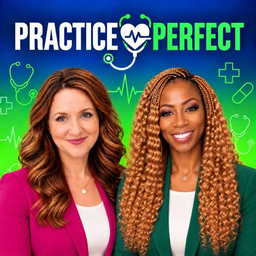
<p>Change at work is inevitable. New leadership, new processes, new technology, new expectations—and sometimes an entirely new organization. But how we respond to that change can say a lot about us as professionals.</p><p>In this episode of <strong>Practice Perfect</strong>, Jennifer McNamara and Maya Turner get into the soft skills that can make or break your professional growth.</p><p>They discuss why organizational change can feel uncomfortable, why discomfort does not automatically mean a decision is wrong, and how employees and leaders can navigate change without allowing emotion to drive their decisions.</p><p>Jennifer and Maya also break down an important distinction: <strong>project management vs. micromanagement.</strong> Accountability, deadlines, checkpoints, and expectations are not necessarily micromanagement. The difference often comes down to trust.</p><p>The conversation also turns to professional communication and social media. You can disagree. You can raise concerns. You can challenge a decision. And when there are legitimate concerns involving compliance, fraud, harassment, safety, or unethical conduct, those concerns should be reported through the appropriate channels.</p><p>But disagreement does not require destroying someone else&#39;s dignity.</p><p><strong>In this episode, Jennifer and Maya discuss:</strong></p><p>• Adapting to organizational change without reacting emotionally<br>• Why soft skills matter at every level of your career<br>• Maintaining professional relationships even when you disagree<br>• Project management vs. micromanagement<br>• Trust, accountability, and expectations in the workplace<br>• Communicating concerns professionally<br>• Knowing the difference between a personality conflict and a legitimate compliance concern<br>• The AAPC Code of Ethics and professional conduct<br>• Why your social media presence matters professionally<br>• How online comments can follow you into future employment, leadership, and even expert witness work<br>• The importance of mentors when navigating difficult professional situations</p><p>One of the biggest takeaways from this conversation:</p><p><strong>You can disagree with someone without attacking who they are.</strong></p><p>Instead of, “This person clearly doesn&#39;t know how to code,” consider, “I disagree with this coding interpretation.”</p><p>Instead of, “They&#39;re a terrible leader,” consider, “I have concerns about this leadership decision.”</p><p>Professionalism doesn&#39;t mean never disagreeing. It means knowing how to disagree without losing your integrity in the process.</p><p>🎙️ <strong>Practice Perfect Podcast</strong><br>Hosted by <strong>Jennifer McNamara</strong> with co-host <strong>Maya Turner</strong></p><p>Practice Perfect brings real conversations about medical coding, compliance, leadership, revenue cycle, professional development, and the realities of working in healthcare.</p><p><strong>Resources Mentioned:</strong><br><a href="https://www.aapc.com/about-us/code-of-ethics" target="_blank" rel="noopener noreferer">AAPC Code of Ethics</a> — Review AAPC&#39;s ethical principles, including integrity, respect, commitment, competence, fairness, and responsibility.</p><p>Learn more about Healthcare Inspired and our education programs at <strong>HealthcareInspiredLLC.com</strong>.</p><p></p>