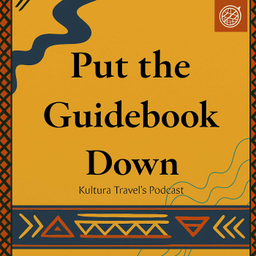
Put the Guidebook Down explores the psychology of modern travel: memory, identity, and who we become somewhere no one knows our name. The episodes focus on questions that modern travel keeps raising and mostly avoids, or the questions that influencers tend to skip around.
puttheguidebookdown.substack.com (https://puttheguidebookdown.substack.com?utm_medium=podcast)
Nobody sprays a stranger with a water pistol because the sidewalk is crowded. This episode uses intergroup threat theory to argue that overtourism backlash runs on two separate threats, one to housing and resources and one to a community’s identity, and that the 2026 wave of taxes, rental bans and visitor caps mostly addresses the first. It moves from Barcelona’s water-pistol protest to Bali’s villa boom and a foreigners-only run club, then to the policies cities are testing now. Pillar: Modern Travel Critique.
Timestamps:
0:00 — Barcelona’s water-pistol protest:
why the backlash is about more than crowded streets
1:01 — The usual overtourism explanation:
visitor numbers, infrastructure, and tourism taxes
2:41 — Intergroup threat theory:
the difference between resource pressure and identity-based resentment
6:25 — Bali case study:
digital nomads, development, rising rents, and exclusion of locals
11:28 — The 2026 policy response:
Barcelona, Venice, Amsterdam, Machu Picchu, and the Acropolis
16:36 — A travel creator’s perspective:
privilege, responsibility, and traveling with awareness
19:20 — Closing reflection:
the question of what visitors are competing for—and changing
Listen now on Spotify, Apple Podcasts, YouTube, or iHeart.
Subscribe on YouTube (https://www.youtube.com/@puttheguidebookdown?sub_confirmation=1)
Instagram: @Putheguidebookdown
This is a public episode. If you would like to discuss this with other subscribers or get access to bonus episodes, visit puttheguidebookdown.substack.com (https://puttheguidebookdown.substack.com?utm_medium=podcast&utm_campaign=CTA_1)
6 Oct 2026
Why You Can't Relax Until the Trip Is Already Over
You can be standing in front of the view you traveled across the world for and still be thinking about an email. This episode covers the research showing the mind wanders almost half the time regardless of the setting, and that the wandering lowers mood instead of following it. It also covers temporal scarcity, the finding that noticing an experience is about to end is what pulls attention back into it. Pillar: Travel Psychology.
Timestamps:
0:00 — The vacation paradox:
Why trips often don’t feel relaxing until after they’re over
1:07 — The expectation of travel:
Why a great destination alone doesn’t guarantee presence
2:09 — Why the mind wanders:
The problem isn’t the trip—it’s where attention goes
2:43 — The research on mind-wandering:
Why distraction affects happiness, even during enjoyable experiences
4:27 — Travel logistics and personal experience:
How planning, multitasking, and backpacking can pull you out of the moment
6:45 — The solution:
Why “trying harder” to be present isn’t enough
7:18 — Temporal scarcity:
Research on noticing that meaningful experiences are finite
8:34 — Putting it into practice:
Using the idea during a trip to Greece
10:34 — Observational grounding:
The art of noticing as a way back into the moment
11:06 — The core takeaway:
Mind-wandering isn’t a sign you chose the wrong trip
11:39 — Reframing the issue:
Presence sometimes needs to be created deliberately
12:45 — A practical challenge:
A simple habit to try on your next trip—or today
13:23 — Closing and sign-off
This is a public episode. If you would like to discuss this with other subscribers or get access to bonus episodes, visit puttheguidebookdown.substack.com (https://puttheguidebookdown.substack.com?utm_medium=podcast&utm_campaign=CTA_1)
22 Sept 2026
Nostalgia Doesn't Sell Trips Anymore. A Future You Haven't Had Does.
That travel ad that made you want to book wasn't selling you a place. This episode covers forestalgia, a 2024 research finding showing travel marketing has shifted from nostalgia to manufacturing longing for an idealized future, and why that pitch consistently outperforms nostalgia, especially for trips close enough to actually imagine booking. Pillar: Modern Travel Critique.
Timestamps:
00:00 — Travel Ads Sell a Future, Not a Memory
01:11 — Why Nostalgia Marketing Is Losing
02:16 — The Research Behind “Forestalgia”
04:01 — Social Media, FOMO, and Selling a Lifestyle
06:22 — Why Near-Term Trips Feel More Persuasive
08:15 — Urgency Marketing, Adventure Travel, and Cultural Tourism
11:14 — The Ethical Problem With Manufactured Longing
13:02 — How to Notice What’s Really Pulling You Toward a Trip
Listen now on Spotify, Apple Podcasts, YouTube, or iHeart.
This is a public episode. If you would like to discuss this with other subscribers or get access to bonus episodes, visit puttheguidebookdown.substack.com (https://puttheguidebookdown.substack.com?utm_medium=podcast&utm_campaign=CTA_1)
Reach and audience
Public platform figures. Ratings count people who left a rating, not total listeners.
Apple Podcasts (US)
5.0 / 5
1 ratings
Spotify
5.0 / 5
3 ratings
Contact Put the Guidebook Down
Guest appearances
Does not typically book guests
Based on episode analysis; this does not confirm that the show is currently accepting guests.
Host of Put the Guidebook Down?
Claim your podcast to manage its listing and keep your show details accurate.
Pod Engine is an independent podcast discovery and analytics service and is not affiliated with or endorsed by this podcast. Artwork and show content belong to their owners. Full legal notice.
Explore this show Podcast research with Pod Engine