- 14
- Episodes
- 1
- Ratings
- Monthly
- Cadence
- 2026
- First episode
About Raw Talent
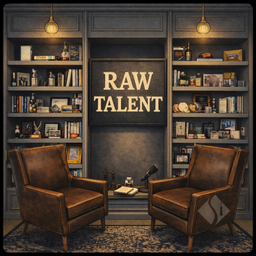
Your people strategy is your growth strategy. But most companies get talent development wrong. They treat it like a checkbox. A day-long seminar. A generic online course. A rah-rah speech that fades by Monday morning. Meanwhile, the real work of building leaders happens (or doesn't) in the messy, everyday moments: the one-on-ones that go nowhere, the high performer who tanks as a new manager, the team that can't have a hard conversation. Raw Talent is the podcast that tackles all of it. Hosted by Jackson Sprayberry and Anderson Williams from Shore Capital Partners' Talent Development team, each episode is an unscripted, no-fluff conversation about what actually moves the needle when developing people inside fast-growing businesses. This isn't theory. This is what works, and what doesn't, when the stakes are real, the timelines are tight, and "we'll figure it out later" isn't an option. Whether you're a founder, a first-time manager, or a seasoned exec wondering why your team can't seem to level up, this one's for you. New seasons drop quarterly. Subscribe wherever you listen. Raw Talent is a production of Shore Capital Partners. Learn more at shorecp.university/podcasts.
- Publisher
- Shore University
- Category
- business · business · education
- Language
- en
- Explicit
- No
- First episode
- 30 Mar 2026
- Latest episode
- 2 Sept 2026
Latest episodes
14 episodes in the feed.
2 Sept 2026
Telling Stories Through Bread: 33 Years of Companion Baking - Microcap Moments
In this episode, Josh Allen, founder of Companion Baking in St. Louis, Missouri, shares how he turned a love of baking discovered in the Bay Area into a frozen artisan bread manufacturer shipping custom products across all 48 contiguous states. Guided by his grandfather's advice to listen to his customers, Josh built the business one customer and one product at a time, pivoted from wholesale to frozen manufacturing, and made helping customers tell their stories through bread the heart of what Companion does. He also reflects on why he always took the private equity calls out of curiosity, what made Shore different, and why partnering now rather than later lets him stay part of the journey as Companion builds its platform. Key Takeaways: Listen to your customers and they'll tell you how to grow. One customer, one product, one SKU at a time built a 33-year business. Say yes first and figure it out later. The willingness to solve a customer's problem tomorrow, like renting a van to deliver bread two hours away, opened the pivot to frozen that transformed the company. Sell the story, not the SKU. When customers help design their own bread, price fades and the relationship becomes sticky. Partner while you still have runway. Choosing partnership now instead of an exit later keeps a founder part of the next chapter, with a board, new leaders, and resources a small business could never afford alone. Chapters: 00:00 – Introduction 02:25 – From the Bay Area Back to St. Louis 08:45 – One Customer, One Product at a Time 12:18 – Telling Stories Through Bread 17:16 – Why Partner, and Why Shore 24:43 – Building the Platform Listen to our podcasts at: https://www.shorecp.university/podcasts (https://www.shorecp.university/podcasts) You'll also find other Microcap Moments episodes, alongside our series Everyday Heroes and Bigger. Stronger. Faster., highlighting the people and stories that make the microcap space unique. Other ways to connect: Blog: https://www.shorecp.university/blog (https://www.shorecp.university/blog) Shore University: https://www.shorecp.university/ (https://www.shorecp.university/) Shore Capital Partners: https://www.shorecp.com/ (https://www.shorecp.com/) LinkedIn: https://www.linkedin.com/company/shore-university (https://www.linkedin.com/company/shore-university) This podcast is the property of Shore Capital Partners LLC. None of the content herein is investment advice, an offer of investment advisory services, or a recommendation or offer relating to any security. See the “Terms of Use” page on the Shore Capital website for other important information.
26 Aug 2026
Behind the CXO Title: Nick Sherrard on Engineering the Win-Win-Win - Bigger. Stronger. Faster.
In this episode, I talk with Nick Sherrard, Chief of Staff at Thermal Shipping Solutions and a member of the CXO Fellows Program. Nick shares how an internship at a Shore portfolio company showed him just how quickly he could make a measurable difference in a microcap business, and what it means to be Chief of Staff in a fast-growing, family-founded company. An engineer by training, he reflects on thinking in inputs, outputs, and bottlenecks, finding the root causes behind recurring fire drills, and driving change without authority by making every solution a win-win-win. Nick also describes the role of the CXO cohort, part joint therapy and part best practice sharing, and shares the best advice he's ever gotten: don't confuse urgency with importance. Key Takeaways: In a microcap business, you can make a measurable difference fast, and the impact is clearly yours. Nobody else in your company is living the same highs and lows as the CXO. The cohort is part joint therapy and part best practice sharing. Thinking in inputs, outputs, and bottlenecks turns recurring fire drills into root causes you can actually fix. When you can't mandate anything, change happens by making every solution a win-win-win. If you can't make that case, you're probably solving the wrong problem. Don't confuse urgency with importance. This job is a marathon, not a sprint. Chapters: 00:00 – Introduction 05:41 – The Cohort and the Operator Path 17:00 – An Engineer's Mindset 22:20 – Playing the Libero 30:02 – Urgency vs. Importance Listen to our podcasts at: https://www.shorecp.university/podcasts (https://www.shorecp.university/podcasts) You’ll also find other Bigger. Stronger. Faster. episodes, alongside our Microcap Moments and Everyday Heroes series—highlighting the people and stories that make the microcap space unique. Other ways to connect: Blog: https://www.shorecp.university/blog (https://www.shorecp.university/blog) Shore University: https://www.shorecp.university/ (https://www.shorecp.university/) Shore Capital Partners: https://www.shorecp.com/ (https://www.shorecp.com/) LinkedIn: https://www.linkedin.com/company/shore-university (https://www.linkedin.com/company/shore-university) This podcast is the property of Shore Capital Partners LLC. None of the content herein is investment advice, an offer of investment advisory services, or a recommendation or offer relating to any security. See the “Terms of Use” page on the Shore Capital website for other important information.
20 Aug 2026
The Network Effect: Building H2O Care Partners - Microcap Moments
In this episode, Keith Caldwell, CEO of H2O Care Partners, and Sarah Longstreet, the company's Chief Marketing Officer, share the story of building a national water treatment platform. It began in 2021 when Keith met Mark St. Hilaire, founder of H2O Care in Massachusetts, and saw an opportunity to combine doing good with the growth potential of a fragmented, family-run industry. Today the platform spans more than thirty brands across nearly twenty states, supported by a Boston-based resource team of over forty across marketing, finance, hiring, technology, and operations. Keith and Sarah reflect on the network effect that emerges when great local businesses come together, how each new partner brings superpowers that get shared across the platform, and why preserving local brands, community ties, and long-tenured teams is central to how they scale. They also discuss what makes the right partner, from founders approaching retirement to those just getting started, and what's next as the platform continues to grow. Key Takeaways: Great partnerships start with people. Keeping the local name, the team, and the reputation intact is what makes strong family businesses open to joining a platform. The network effect is real. Every new partner brings a superpower that can be captured in playbooks and shared so the whole platform gets better. Scaling doesn't have to cost you culture. Centralize what lifts everyone, like marketing, finance, and technology, and keep brands, community ties, and daily decisions local. The right partner comes down to mindset: teams and customers first, a strong reputation in the industry, and a genuine desire to grow. Chapters: 00:00 – Introduction 02:57 – The Origin of H2O Care Partners 07:54 – The Network Effect 11:04 – Scaling Culture, Not Just Operations 14:16 – Finding the Right Partners 18:01 – Driving Organic Growth 25:44 – What's Next Listen to our podcasts at: https://www.shorecp.university/podcasts (https://www.shorecp.university/podcasts) You'll also find other Microcap Moments episodes, alongside our series Everyday Heroes and Bigger. Stronger. Faster., highlighting the people and stories that make the microcap space unique. Other ways to connect: Blog: https://www.shorecp.university/blog (https://www.shorecp.university/blog) Shore University: https://www.shorecp.university/ (https://www.shorecp.university/) Shore Capital Partners: https://www.shorecp.com/ (https://www.shorecp.com/) LinkedIn: https://www.linkedin.com/company/shore-university (https://www.linkedin.com/company/shore-university) This podcast is the property of Shore Capital Partners LLC. None of the content herein is investment advice, an offer of investment advisory services, or a recommendation or offer relating to any security. See the “Terms of Use” page on the Shore Capital website for other important information.
30 Jun 2026
Why Acquisitions Fail on the People Side (and How to Fix It)
In this episode, Jackson Sprayberry, Anderson Williams, and Cynthia Hiskes close out Season 2 with the widest lens of the series: why acquisitions fail on the people side and what to do about it. They explore how a lack of early communication creates anxiety that turns into headwinds before integration even begins, why clarifying the founder's role is critical to the entire organization's stability, and the difference between change (what happens externally) and transition (what happens internally). The conversation shifts to how talent strategies need to evolve over the hold period, from hiring athletes early on to developing specialists and frontline managers at scale. The episode wraps with a direct call to action: don't let another 5% of the hold period go by without having the conversations that matter. Key Takeaways: The biggest integration failures start with silence. Communicating what you know and what you don't know early prevents months of unnecessary anxiety. Clarifying the founder's role isn't just about the founder. It cascades through every team member who used to look to that person for answers. Change is the event. Transition is the emotional and psychological recalibration that follows. If you don't manage the transition, resistance will stall the integration. Talent strategies have to evolve with the business. What you need at launch (athletes and generalists) is different from what you need at scale (specialists and skilled frontline managers). Chapters: 00:00 - Introduction 01:47 - What Makes Integration Succeed or Fail 06:45 - Change vs. Transition 10:58 - When Your Talent Strategy No Longer Fits 17:19 - Why Talent Strategy Is Business Strategy Listen to our podcasts at: https://www.shorecp.university/podcasts (https://www.shorecp.university/podcasts) You'll also find other Raw Talent episodes, alongside our Bigger. Stronger. Faster., Microcap Moments, and Everyday Heroes series, highlighting the people and stories that make the microcap space unique. Other ways to connect: Blog: https://www.shorecp.university/blog (https://www.shorecp.university/blog) Shore University: https://www.shorecp.university/ (https://www.shorecp.university/) Shore Capital Partners: https://www.shorecp.com/ (https://www.shorecp.com/) LinkedIn: https://www.linkedin.com/company/shore-university (https://www.linkedin.com/company/shore-university) This podcast is the property of Shore Capital Partners LLC. None of the content herein is investment advice, an offer of investment advisory services, or a recommendation or offer relating to any security. See the “Terms of Use” page on the Shore Capital website for other important information.
30 Jun 2026
Stop Hiring Reactively. Build a Real Talent Strategy
In this episode, Jackson Sprayberry, Anderson Williams, and Cynthia Hiskes step back from individual people decisions and ask whether the organization has a talent strategy at all. Without one, every hiring decision feels urgent, personal, and reactive. The conversation covers what a real talent strategy includes, the unique challenge of working with both selected and inherited talent in an acquisition-driven environment, and why someone has to own the strategy even if there's no HR leader in seat yet. They explore how org design should match the stage of the business, why not every role needs a top-of-the-nine-box performer, and how ongoing career conversations give leaders better information than annual reviews ever could. The episode makes the case that talent strategy is not a hiring plan. It's how you attract, retain, and engage the people who will build the business. Key Takeaways: If you don't have a talent strategy, every hiring decision will feel reactive. A clear direction helps you know when you're veering off course. In acquisition-driven growth, you're working with both the people you select and the people you inherit. Your strategy has to address both. Someone has to own the talent strategy. If ownership is assumed to live everywhere, it will live nowhere. You don't need an HR leader to get started. Not every role needs a top performer. What matters is having the right talent profile in the right seat at the right stage of the business. Chapters: 00:00 - Introduction 01:33 - What a Talent Strategy Actually Looks Like 05:02 - Building a Strategy in an Acquisition Model 12:46 - Who Owns the Talent Strategy 16:27 - Org Design and Stage Relevance 19:54 - When to Look Outward vs. Build From Within Listen to our podcasts at: https://www.shorecp.university/podcasts (https://www.shorecp.university/podcasts) You'll also find other Raw Talent episodes, alongside our Bigger. Stronger. Faster., Microcap Moments, and Everyday Heroes series, highlighting the people and stories that make the microcap space unique. Other ways to connect: Blog: https://www.shorecp.university/blog (https://www.shorecp.university/blog) Shore University: https://www.shorecp.university/ (https://www.shorecp.university/) Shore Capital Partners: https://www.shorecp.com/ (https://www.shorecp.com/) LinkedIn: https://www.linkedin.com/company/shore-university (https://www.linkedin.com/company/shore-university) This podcast is the property of Shore Capital Partners LLC. None of the content herein is investment advice, an offer of investment advisory services, or a recommendation or offer relating to any security. See the “Terms of Use” page on the Shore Capital website for other important information.
30 Jun 2026
Beyond KPIs: The People Metrics That Predict Success
In this episode, Jackson Sprayberry, Anderson Williams, and Cynthia Hiskes tackle what performance management systems actually measure and what they miss. They make the case that an output-only mindset is dangerous, especially in a fast-moving environment where how someone delivers results matters just as much as whether they hit the number. The conversation covers how to embed values into performance reviews, why human capital metrics belong on the same dashboard as financial data, and the real cost of turnover that most companies never calculate. The episode closes with a direct challenge: if leaders say their people are the most important part of the business, the dashboard should reflect that. Key Takeaways: Measuring only what someone delivered without evaluating how they delivered it creates blind spots that erode culture and team performance. Performance management systems should be treated as a database for future action, not just a backward-looking scorecard. Human capital metrics like engagement, turnover, and promotion rates belong on the business dashboard alongside financial results. Manager consistency matters. If one manager's reviews all look green but performance is slipping, the system isn't telling the truth. Chapters: 00:00 - Introduction 03:55 - Embedding Values Into Performance Management 08:27 - Metrics Beyond the Scorecard 13:23 - People Metrics on the Business Dashboard 19:23 - Connecting the Dots to Talent Strategy Listen to our podcasts at: https://www.shorecp.university/podcasts (https://www.shorecp.university/podcasts) You'll also find other Raw Talent episodes, alongside our Bigger. Stronger. Faster., Microcap Moments, and Everyday Heroes series, highlighting the people and stories that make the microcap space unique. Other ways to connect: Blog: https://www.shorecp.university/blog (https://www.shorecp.university/blog) Shore University: https://www.shorecp.university/ (https://www.shorecp.university/) Shore Capital Partners: https://www.shorecp.com/ (https://www.shorecp.com/) LinkedIn: https://www.linkedin.com/company/shore-university (https://www.linkedin.com/company/shore-university) This podcast is the property of Shore Capital Partners LLC. None of the content herein is investment advice, an offer of investment advisory services, or a recommendation or offer relating to any security. See the “Terms of Use” page on the Shore Capital website for other important information.
30 Jun 2026
Is It the Employee or You: How to Find the Real Problem
In this episode, Jackson Sprayberry, Anderson Williams, and Cynthia Hiskes slow down to do the diagnostic work most leaders skip. Before deciding that someone is the problem, have you actually done your own work first? The conversation walks through the five whys approach, the will, skill, and fit framework, and why leaders so often project their frustrations onto the situation rather than diagnosing it clearly. They explore the difference between technical problems (which have known solutions) and adaptive challenges (which require the person themselves to change), and why coachability may be the single most important factor in these conversations. The episode closes by identifying when individual people problems start to signal something bigger: a system problem. Key Takeaways: Before diagnosing people as the problem, leaders need to ask whether they provided clarity, coaching, and the right environment for success. The five whys approach forces leaders to move past emotion and drill down to what's actually driving underperformance. Will, skill, and fit often blur together. Leaders make better decisions when they separate the three and have honest conversations about each. When you see the same patterns across different people or teams, it's no longer a people problem. It's a system problem. Chapters: 00:00 - Introduction 01:01 - Have You Done Your Own Work First? 04:41 - Will, Skill, and Fit 07:16 - Technical vs. Adaptive Change 09:36 - When People Problems Become System Problems Listen to our podcasts at: https://www.shorecp.university/podcasts (https://www.shorecp.university/podcasts) You'll also find other Raw Talent episodes, alongside our Bigger. Stronger. Faster., Microcap Moments, and Everyday Heroes series, highlighting the people and stories that make the microcap space unique. Other ways to connect: Blog: https://www.shorecp.university/blog (https://www.shorecp.university/blog) Shore University: https://www.shorecp.university/ (https://www.shorecp.university/) Shore Capital Partners: https://www.shorecp.com/ (https://www.shorecp.com/) LinkedIn: https://www.linkedin.com/company/shore-university (https://www.linkedin.com/company/shore-university) This podcast is the property of Shore Capital Partners LLC. None of the content herein is investment advice, an offer of investment advisory services, or a recommendation or offer relating to any security. See the “Terms of Use” page on the Shore Capital website for other important information.
30 Jun 2026
When to Develop an Employee vs. When to Replace Them
In this episode, Jackson Sprayberry, Anderson Williams, and Cynthia Hiskes kick off Season 2 of Raw Talent with one of the bluntest questions leaders face: when do you invest in the talent you have, and when is it time to move on? They explore why most leaders answer that question too quickly, driven by frustration or loyalty rather than real diagnosis. The conversation unpacks how high-growth environments amplify the pressure, why the "messy middle" performers are the hardest to evaluate, and how a lack of role clarity often masquerades as a people problem. The episode makes a clear case that this decision should never be a gut call. It depends on how critical the role is, how urgent the need is, and whether the person has the coachability to close the gap in time. Key Takeaways: Most leaders default to keep or move on too quickly, driven by emotion rather than diagnosis. In high-growth environments, job descriptions go stale fast. Leaders have to continuously reset expectations so performance conversations stay grounded. The hardest calls aren't the top performers or the clear misses. They're the messy middle, where will, skill, and fit blur together. A strong performance management cadence makes the develop-or-replace decision feel like a natural next step, not a last-minute crisis. Chapters: 00:00 - Introduction 01:56 - Why This Question Keeps Surfacing 05:35 - High-Growth Pressure on People Decisions 10:36 - The Founder Dynamic 11:52 - Performance Management and Clarity Listen to our podcasts at: https://www.shorecp.university/podcasts (https://www.shorecp.university/podcasts) You'll also find other Raw Talent episodes, alongside our Bigger. Stronger. Faster., Microcap Moments, and Everyday Heroes series, highlighting the people and stories that make the microcap space unique. Other ways to connect: Blog: https://www.shorecp.university/blog (https://www.shorecp.university/blog) Shore University: https://www.shorecp.university/ (https://www.shorecp.university/) Shore Capital Partners: https://www.shorecp.com/ (https://www.shorecp.com/) LinkedIn: https://www.linkedin.com/company/shore-university (https://www.linkedin.com/company/shore-university) This podcast is the property of Shore Capital Partners LLC. None of the content herein is investment advice, an offer of investment advisory services, or a recommendation or offer relating to any security. See the “Terms of Use” page on the Shore Capital website for other important information.
17 Jun 2026
Building Trust at Scale: Joe Rice and the CXponent Story - Microcap Moments
In this episode, Joe Rice, CEO of CXponent, shares how watching his father run a business sparked a lifelong pull toward entrepreneurship and building something of his own. He describes how CXponent cuts through the overwhelming noise of technology vendors and AI tools to help mid-market companies make better decisions, and why trust, not technology, remains the foundation of every client relationship. Joe reflects on his first company, what he learned from that exit, and what drew him back to build again. He talks candidly about what founders should weigh before joining a platform, the importance of readiness and timing, and why Shore's focus on stacking talent and investing in organic growth made it the right fit. Throughout the conversation, Joe makes clear that even in a market being reshaped by AI, the work still comes down to people, presence, and being a partner clients can count on. Key Takeaways: The technology landscape has never been more crowded. The advisors who win are the ones who cut through the noise and bring clients certainty, not just options. You cannot fake trust. Building the kind of client relationships that lead to board-level work takes time, expertise, and a willingness to get into the details. Joining a platform is not an exit. It is a choice to go further, faster, with peers who are still building. Once you get a taste of creating opportunity and space for other people, you are probably forever addicted. The best founders are not looking for a way out. They are looking for a way to keep going. Chapters: 00:00 – Introduction 10:05 – Joe's Origin Story 11:28 – Building CXponent with Shore 14:29 – Founder Readiness and Timing 19:40 – What's Ahead for CXponent Listen to our podcasts at: https://www.shorecp.university/podcasts (https://www.shorecp.university/podcasts) You'll also find other Microcap Moments episodes, alongside our series Everyday Heroes and Bigger. Stronger. Faster., highlighting the people and stories that make the microcap space unique. Other ways to connect: Blog: https://www.shorecp.university/blog (https://www.shorecp.university/blog) Shore University: https://www.shorecp.university/ (https://www.shorecp.university/) Shore Capital Partners: https://www.shorecp.com/ (https://www.shorecp.com/) LinkedIn: https://www.linkedin.com/company/shore-university (https://www.linkedin.com/company/shore-university) This podcast is the property of Shore Capital Partners LLC. None of the content herein is investment advice, an offer of investment advisory services, or a recommendation or offer relating to any security. See the “Terms of Use” page on the Shore Capital website for other important information.
30 Mar 2026
Are We Getting Better?: Measuring What Actually Matters
In this episode, Jackson and Anderson close out the season by addressing the question every leader eventually faces: how do you know talent development is actually working? They acknowledge that measuring behavior change is harder than measuring defects on a line, but argue that the value is no less real. The conversation moves through leading and lagging indicators, the business metrics that connect to people investment, and the observable cultural shifts that show up before the numbers do. The episode includes a powerful story about a first-time manager who nearly left because no one helped her shift from doing the work to leading through others, and wraps with practical, start-tomorrow advice for tracking progress. Key Takeaways: The ROI of talent development is real, but it shows up in things like turnover, internal promotions, and customer satisfaction rather than this quarter's margins. It's easier to notice failure than to recognize the problems that never happened because of proactive investment. Observable culture shifts (better meetings, fewer complaints, people coming with solutions) show up before the spreadsheet metrics do. Start with the behavior you want to change, name how you'll know it changed, and map that to business outcomes on the front end. Chapters: 00:00 - How Do You Know It's Working? 01:14 - Why Measuring Development Is Hard 06:20 - Satisfaction vs. Behavior Change 09:36 - The Business Case for People Investment 15:53 - Observable Signs Before the Numbers 20:19 - Start With the End in Mind Listen to our podcasts at: https://www.shorecp.university/podcasts (https://www.shorecp.university/podcasts) You'll also find other Raw Talent episodes, alongside our Bigger. Stronger. Faster., Microcap Moments, and Everyday Heroes series, highlighting the people and stories that make the microcap space unique. Other ways to connect: Blog: https://www.shorecp.university/blog (https://www.shorecp.university/blog) Shore University: https://www.shorecp.university/ (https://www.shorecp.university/) Shore Capital Partners: https://www.shorecp.com/ (https://www.shorecp.com/) LinkedIn: https://www.linkedin.com/company/shore-university (https://www.linkedin.com/company/shore-university) This podcast is the property of Shore Capital Partners LLC. None of the content herein is investment advice, an offer of investment advisory services, or a recommendation or offer relating to any security. See the “Terms of Use” page on the Shore Capital website for other important information.
30 Mar 2026
Building a Learning Culture at Scale: Growth Without Dilution
In this episode, Jackson and Anderson explore how to scale professional development across an organization without turning it into a generic, one-size-fits-all program. They discuss the tension between customization and consistency, how to sequence learning so people are ready for each next conversation, and why the best development content is probably already inside your company. The episode highlights real examples of scenario-based sessions where executive teams organically shifted from practice to real problem-solving, and makes the case that scaling development ultimately depends on trust, relationships, and leaders who model what they expect from others. Key Takeaways: Standardize the learning goal, not the delivery. The conversation that needs to happen matters more than the slides. Sequencing matters. People can't tackle complex challenges if they haven't built the foundational skills first. Your best content is already in your company. Real people solving real problems is more powerful than any external program. Development won't scale if leadership behavior contradicts the principles being taught. It has to be modeled from the top. Chapters: 00:00 - Scaling Without Going Generic 04:00 - Scenario-Based Learning That Works 07:36 - Sequencing Development Over Time 09:36 - Building a Teaching and Learning Organization 12:45 - Trust as the Foundation for Scale Listen to our podcasts at: https://www.shorecp.university/podcasts (https://www.shorecp.university/podcasts) You'll also find other Raw Talent episodes, alongside our Bigger. Stronger. Faster., Microcap Moments, and Everyday Heroes series, highlighting the people and stories that make the microcap space unique. Other ways to connect: Blog: https://www.shorecp.university/blog (https://www.shorecp.university/blog) Shore University: https://www.shorecp.university/ (https://www.shorecp.university/) Shore Capital Partners: https://www.shorecp.com/ (https://www.shorecp.com/) LinkedIn: https://www.linkedin.com/company/shore-university (https://www.linkedin.com/company/shore-university) This podcast is the property of Shore Capital Partners LLC. None of the content herein is investment advice, an offer of investment advisory services, or a recommendation or offer relating to any security. See the “Terms of Use” page on the Shore Capital website for other important information.
30 Mar 2026
Practice Makes Performance: Turning Learning Into Habit
In this episode, Jackson and Anderson tackle why so much professional development doesn't stick. They unpack the gap between feeling inspired in a session and actually changing behavior back on the job, and why the real problem is often a lack of practice, reflection, and feedback after the fact. The conversation gets into what managers should be doing in the weeks following a development experience, why role play matters even when it feels awkward, and how real-time feedback beats a quarterly review every time. The episode lands on a simple but powerful framework: reps, reflection, and feedback are the trio that makes learning stick. Key Takeaways: If people leave a development session feeling great but don't change behavior, it was entertainment, not development. The biggest enemy of new habits is the pressure of day-to-day work pulling people back to their defaults. Managers should be asking "what are you doing differently?" in one-on-ones and coming prepared with their own observations. Feedback should be generative and ongoing, not a grade delivered once a quarter. Chapters: 00:00 - Why Learning Doesn't Stick 02:35 - The Applause vs. Application Problem 06:59 - Reinforcing Learning on the Job 08:59- The Power of Role Play and Naming It 11:13 - Real-Time Feedback Over Delayed Reviews Listen to our podcasts at: https://www.shorecp.university/podcasts (https://www.shorecp.university/podcasts) You'll also find other Raw Talent episodes, alongside our Bigger. Stronger. Faster., Microcap Moments, and Everyday Heroes series, highlighting the people and stories that make the microcap space unique. Other ways to connect: Blog: https://www.shorecp.university/blog (https://www.shorecp.university/blog) Shore University: https://www.shorecp.university/ (https://www.shorecp.university/) Shore Capital Partners: https://www.shorecp.com/ (https://www.shorecp.com/) LinkedIn: https://www.linkedin.com/company/shore-university (https://www.linkedin.com/company/shore-university) This podcast is the property of Shore Capital Partners LLC. None of the content herein is investment advice, an offer of investment advisory services, or a recommendation or offer relating to any security. See the “Terms of Use” page on the Shore Capital website for other important information.
30 Mar 2026
Creating a Culture That Grows Leaders: Readiness Before the Title
In this episode, Jackson and Anderson dig into how to build leaders before there's a vacancy. They explore the small, everyday behaviors that signal leadership potential, why rewarding only excellence can backfire, and the critical difference between leading and managing. The conversation covers how to create stretch opportunities without micromanaging, why your next promotion depends on developing someone behind you, and what it takes to make talent development a cultural norm rather than a special event. The episode makes a compelling case that leadership readiness doesn't come from titles or performance metrics alone. It comes from visibility, accountability, and a culture that expects growth. Key Takeaways: Leadership potential shows up in small moments: asking why, offering solutions unprompted, and influencing peers without authority. Only rewarding excellence incentivizes people to hide failure rather than take the healthy risks that drive learning. Leading and managing are both essential but different. One without the other leaves teams either uninspired or directionless. You won't get promoted out of your role if there's nobody ready to step into it behind you. Chapters: 00:00 – Building Leaders Before the Vacancy 01:20 – Recognizing Leadership Potential Early 04:22 – Smart Risks and Healthy Failure 9:32 – Clarity vs. Micromanagement 15:53 – Leading vs. Managing 18:13 – Making Development the Norm Listen to our podcasts at: https://www.shorecp.university/podcasts (https://www.shorecp.university/podcasts) You'll also find other Raw Talent episodes, alongside our Bigger. Stronger. Faster., Microcap Moments, and Everyday Heroes series, highlighting the people and stories that make the microcap space unique. Other ways to connect: Blog: https://www.shorecp.university/blog (https://www.shorecp.university/blog) Shore University: https://www.shorecp.university/ (https://www.shorecp.university/) Shore Capital Partners: https://www.shorecp.com/ (https://www.shorecp.com/) LinkedIn: https://www.linkedin.com/company/shore-university (https://www.linkedin.com/company/shore-university) This podcast is the property of Shore Capital Partners LLC. None of the content herein is investment advice, an offer of investment advisory services, or a recommendation or offer relating to any security. See the “Terms of Use” page on the Shore Capital website for other important information.
30 Mar 2026
What Talent Development Really Means: Beyond Training and Programs
In this episode, Jackson Sprayberry and Anderson Williams kick off the Raw Talent series by tackling a deceptively simple question: what is talent development? They break down why so many companies get it wrong by treating development as a one-day event or an HR checkbox, and they draw a critical line between training (which teaches people how to do today's job) and professional development (which builds the judgment, communication, and adaptability needed to push a business forward). The conversation covers how development has evolved with technology, why context and relevance matter more than polished content, and what it actually looks like when a company is developing its people well. The episode sets the foundation for the entire season: if you're growing a business, you have to be growing people. Key Takeaways: Training teaches people how to execute today's work. Professional development builds the judgment and behavior to move the business forward. Generic, off-the-shelf content might increase access, but it often lacks the relevance needed to drive real behavior change. Development has to be immediately applicable. If someone leaves a session and doesn't know what to try tomorrow, it didn't work. When done well, talent development creates shared language, aligned communication, and connected thinking across every layer of the organization. Chapters: 00:00 – What Is Talent Development? 02:21 – Training vs. Professional Development 06:25 – Reactive vs. Proactive Development 08:55 – How Talent Development Has Evolved 17:02 – What Good Looks Like Listen to our podcasts at: https://www.shorecp.university/podcasts (https://www.shorecp.university/podcasts) You'll also find other Raw Talent episodes, alongside our Bigger. Stronger. Faster., Microcap Moments, and Everyday Heroes series, highlighting the people and stories that make the microcap space unique. Other ways to connect: Blog: https://www.shorecp.university/blog (https://www.shorecp.university/blog) Shore University: https://www.shorecp.university/ (https://www.shorecp.university/) Shore Capital Partners: https://www.shorecp.com/ (https://www.shorecp.com/) LinkedIn: https://www.linkedin.com/company/shore-university (https://www.linkedin.com/company/shore-university) This podcast is the property of Shore Capital Partners LLC. None of the content herein is investment advice, an offer of investment advisory services, or a recommendation or offer relating to any security. See the “Terms of Use” page on the Shore Capital website for other important information.
Reach and audience
Public platform figures. Ratings count people who left a rating, not total listeners.
- Apple Podcasts (US)
- 5.0 / 5
- 1 ratings
Contact Raw Talent
- Guest appearances
- Books guests
Based on episode analysis; this does not confirm that the show is currently accepting guests.
Host of Raw Talent?
Claim your podcast to manage its listing and keep your show details accurate.
Pod Engine is an independent podcast discovery and analytics service and is not affiliated with or endorsed by this podcast. Artwork and show content belong to their owners. Full legal notice.
Explore this show
Podcast research with Pod Engine