- 6
- Episodes
- 2026
- First episode
About Real Food Revolution
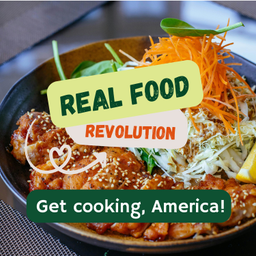
Is food getting too complicated for you? So complicated you have lost interest in trying to eat healthy? With my 30 years of clinical nutrition experience, I have seen it all. Every week, I share the Good, The Bad and The Ugly in the world of Nutrition so that you can start feeding yourself with joy and confidence again!
- Publisher
- Marie-France Lalancette
- Category
- health & fitness · health & fitness
- Language
- en
- Explicit
- No
- First episode
- 2 Jul 2026
- Latest episode
- 5 Jul 2026
Latest episodes
6 episodes in the feed.
5 Jul 2026
Something fishy for Dinner? Ep.006
You bought it because it's affordable, practical, and good for you. But what if the species on the label isn't what's actually in the can? In this episode, Marie-France exposes the mercury hierarchy in canned tuna (albacore carries three times the mercury of skipjack), the structural seafood fraud problem — 59% mislabeling rate for tuna in Oceana's landmark study — and what MSC certification does and doesn't actually guarantee. Then Part 2: the human cost. What the ILO's 2026 survey found on forced labour in longline tuna fleets. What to look for at the shelf. And why your GSTM1 and GSTP1 genes change how much mercury risk you personally carry. FOR MY CRISPY UNCUT BONUS THIS WEEK: Get the Cheat Sheet to choose your fish, and the Oceana Reports studies classifying fish by Mercury content. Become a member here: It's free: https://www.nutri-genious.com/en/realfoodrevolution Disclaimer and disclosure This content is intended solely for informational and educational purposes. The content presented herein does not constitute medical advice, diagnosis, or treatment, and should not be relied upon as a substitute for professional medical guidance. Always seek the advice of your physician or other qualified health provider with any questions you may have regarding a medical condition, diet, supplement use, or lifestyle changes. Never disregard professional medical advice or delay in seeking it because of something you have heard here. The author and publishers disclaim any liability for any adverse effects resulting directly or indirectly from the application of information contained within. Visit my website or Book an exploratory call: https://www.nutri-genious.com/en Subscribe to my You tube Channel: https://www.youtube.com/@nutrigenious Get my online resources: https://payhip.com/MarieFranceLalancette/ Get my books on Barnes & Noble: https://www.barnesandnoble.com/search?q=Marie-France%20Lalancette Sources: Mozaffarian D. & Wu J.H.Y. (2011). Omega-3 Fatty Acids and Cardiovascular Disease: Effects on Risk Factors, Molecular Pathways, and Clinical Events. Journal of the American College of Cardiology, 58(20), 2047–2067. doi: 10.1016/j.jacc.2011.06.063. Cited for: risk-benefit analyses conclude health benefits of modest fish consumption significantly outweigh potential risks for general adult population; 1–2 servings/week associated with 36% reduction in fatal CHD. FAO/WHO Expert Committee (2011). Report of the Joint FAO/WHO Expert Consultation on the Risks and Benefits of Fish Consumption. FAO Fisheries and Aquaculture Report No. 978. Cited for: benefits of dietary omega-3s outweigh mercury risks in childbearing women; fish consumption during pregnancy lowers risk of delayed fetal brain development. Hibbeln J.R. et al. (2007). Maternal seafood consumption in pregnancy and neurodevelopmental outcomes in childhood (ALSPAC study): an observational cohort study. The Lancet, 369(9561), 578–585. doi: 10.1016/S0140-6736(07)60277-3. N=11,875 pregnant women. Mothers consuming less than 340g seafood/week had children at increased risk of lowest quartile verbal IQ. Positive associations with performance IQ, verbal IQ, mathematical reasoning, and birthweight. Primary citation for omega-3 / pregnancy / cognition argument. Dietary Guidelines Advisory Committee (2020). Scientific Report of the 2020 Dietary Guidelines Advisory Committee. US Department of Agriculture. Seafood intake during pregnancy associated favorably with cognitive development and language outcomes in young children. Mercury Data FDA Mercury Monitoring Program — fda.gov/food/environmental-contaminants-food/mercury-levels-commercial-fish-and-shellfish-1990-2012. Mean mercury by species: bigeye 0.689 ppm (maximum observed: 1.816 ppm); albacore/white tuna (fresh/frozen) 0.36 ppm; canned light tuna (skipjack) 0.13 ppm. CORRECTION NOTE: The 1.816 ppm figure for bigeye is the MAXIMUM observed value, not the mean. Script uses 'up to 1.816 ppm' and separately states mean of 0.689 ppm. Karimi R., Fitzgerald T.P., Fisher N.S. (2012). A Quantitative Synthesis of Mercury in Commercial Seafood. Environmental Health Perspectives. PMC3556626. Cited for: mean mercury in white canned tuna (0.407 ppm) significantly exceeding the 0.17 ppm figure used in FDA risk assessments. NOTE: Journal is Environmental Health Perspectives, not 'Environmental Health Research' as previously listed. Health Canada Mercury Guidance (current). canada.ca. White canned albacore tuna: up to 300g/week for pregnant and nursing women; up to 150g/week for children aged 5–11; up to 75g/week for children 1–4. Canned light/skipjack tuna: no specific weekly limit. CORRECTION: Previous script version had 150g for pregnant women and 300g for light tuna — both were incorrect. These figures have been corrected in this version. Consumer Reports (2023). Mercury in canned tuna: unpredictable spikes. CBS News, February 2023. Cited for: 1 in 5 cans showing mercury spikes that would change FDA's serving recommendations. Verify: confirm this figure appears in the 2023 CBS/CR report before broadcast. Seafood Fraud Oceana (2013). Oceana Study Reveals Seafood Fraud Nationwide. DNA testing of 1,215 samples, 674 outlets, 21 states. Mislabeling: 33% overall, 59% for tuna. oceana.org/reports. Oceana (2018). Casting a Wider Net. 449 fish tested; 21% mislabeled; 1 in 3 stores sold mislabeled seafood. usa.oceana.org/reports. Barendse J. et al. (2019). Seafood mislabelling rate MSC Critique Corporate Accountability Lab (2025). MSC: The Blue Tick Deceiving Consumers. Cited for: MSC critiques including labor protections gap, conflict of interest from industry-paid certification. Greenpeace Canada Greenpeace Canada Tuna Sustainability Rankings (2011–2017). greenpeace.org/canada. Most recent published ranking: 2017 (Raincoast Trading #1, Wild Planet #2). NOTE: Verify whether a post-2017 ranking has been published before citing current brand standings. Forced Labour ILO (2026). Towards fair seas: Recruitment and working conditions for migrant workers in the fishing and seafood processing sectors in South-East Asia. Cited for: 1 in 8 (13%) migrant workers in forced labour; 20% of fishers; 24% on longline tuna vessels; 94 hr/week average; 61% in debt to finance migration; half had identity documents retained. Tickler D. et al. (2018). Modern slavery and the race to fish. Science Advances, 4(8). PMC6059758. Cited for: forced labour in Pacific tuna supply chains across PNG, Solomon Islands, Fiji, Thai and Taiwanese fleets; disconnect between industry and NGO assessments. Nutrigenomics GSTM1 null variant prevalence: median 50% globally (range 18–66% by ethnicity). Caito S. & Aschner M. (2015). Neurotoxicity of metals. Handbook of Clinical Neurology, Vol. 131. See also: Valko M. et al. (2005). Metals, toxicity and oxidative stress. Current Medicinal Chemistry, 12(10). Practical Guide — Omega-3 by Species Seafood Nutrition Partnership / Oregon State University Omega-3 Content Reference Chart. Species hierarchy per 100g: mackerel Atlantic 2.5g EPA+DHA; herring 2.0–2.5g; salmon wild 1.5–2.5g; sardines ~2.0g; skipjack light tuna 0.25–0.5g; albacore white tuna 0.5–1.0g. Other: AquaBounty Technologies / FDA (2015, supplemented 2018, 2019). AquAdvantage Salmon approval. FDA approved as new animal drug application November 2015. Eggs produced at PEI facility; grown out at Albany, Indiana facility. FDA: fda.gov/animal-veterinary/aquadvantage-salmon. Health Canada (2016). AquAdvantage Salmon approved for commercial sale in Canada. Canada becomes second country to approve. No mandatory GMO labeling requirement for GE salmon in Canada as of 2026. Lundebye A-K. et al. (2017). Lower levels of Persistent Organic Pollutants, metals and the marine omega-3 fatty acid DHA in farmed compared to wild Atlantic salmon. Cited for: contradictory finding — some contaminant levels higher in wild than farmed; omega-6 substantially higher in farmed. Represents the complexity of the wild vs. farmed debate. Environmental Working Group (2003). PCBs in Farmed Salmon. Cited for: earlier data showing higher PCB levels in farmed vs. wild. Note: feed composition has changed significantly since 2003, reducing contaminant levels in farmed fish while also reducing omega-3 quality.
4 Jul 2026
Bugs in your kitchen? Ep.005
You are carrying approximately 4.5 pounds of bacteria — roughly the weight of your brain. They regulate your immunity, your mood, your metabolism, and your cancer risk. In this episode, Marie-France explores how your microbiome communicates with your brain, why diversity is the single most important measure of gut health, and how your FUT2 gene influences the entire system. Plus: why probiotic pills often fail without prebiotics — and the simplest real-food strategies to feed your inner ecosystem starting today. FOR MY CRISPY UNCUT BONUS THIS WEEK: Get the checklist to help you choose your probiotics. Become a member here: It's free: https://www.nutri-genious.com/en/realfoodrevolution Visit my website or Book an exploratory call: https://www.nutri-genious.com/en Subscribe to my You tube Channel: https://www.youtube.com/@nutrigenious Get my online resources: https://payhip.com/MarieFranceLalancette/ Get my books on Barnes & Noble: https://www.barnesandnoble.com/search?q=Marie-France%20Lalancette Disclaimer and disclosure This content is intended solely for informational and educational purposes. The content presented herein does not constitute medical advice, diagnosis, or treatment, and should not be relied upon as a substitute for professional medical guidance. Always seek the advice of your physician or other qualified health provider with any questions you may have regarding a medical condition, diet, supplement use, or lifestyle changes. Never disregard professional medical advice or delay in seeking it because of something you have heard here. The author and publishers disclaim any liability for any adverse effects resulting directly or indirectly from the application of information contained within. Get my book recommendation of the month: Fiber Fueled by Dr. Will Bulsiewicz: https://www.barnesandnoble.com/w/the-fiber-fueled-cookbook-will-bulsiewicz-md/1140126676?ean=9780593418772 Sources: Sender R. et al. (2016). Revised Estimates for the Number of Human and Bacteria Cells in the Body. Cell, 164(3). Cited for: 1.3x more bacterial cells than human cells. Yano J.M. et al. (2015). Indigenous bacteria from the gut microbiota regulate host serotonin biosynthesis. Cell, 161(2), 264–276. Cited for: ~90% of serotonin produced in gut, not brain. Thursby E. & Juge N. (2017). Introduction to the human gut microbiota. Biochemical Journal, 474(11). Cited for: microbiome diversity and its role in immunity and inflammation. Barcik W. et al. (2017). Immune regulation by histamine and histamine-secreting bacteria. Current Opinion in Immunology, 48, 108–113. Cited for: histamine-producing bacterial strains and immune modulation. Calles-Enríquez M. et al. (2010). Sequencing and Transcriptional Analysis of the Streptococcus thermophilus Histamine Biosynthesis Gene Cluster. Applied & Environmental Microbiology, 76(18). Cited for: S. thermophilus strains capable of histamine production; recommendation to use histamine-negative strains in fermented dairy. Stuivenberg G. et al. (2022). In vitro assessment of histamine and lactate production by a multi-strain synbiotic. Journal of Food Science & Technology, 59(9), 3419–3427. PMC9304488. Cited for: histamine production by probiotic bacteria; health implications of histamine-producing gut colonization. Maintz L. & Novak N. (2007). Histamine and histamine intolerance. American Journal of Clinical Nutrition, 85(5), 1185–1196. Cited for: DAO deficiency as primary cause of histamine intolerance; clinical symptom profile. Ruiz-López M.A. et al. (2024). Pilot Study on the Prevalence of Diamine Oxidase Gene Variants in Patients with Symptoms of Histamine Intolerance. Nutrients, 16(8), 1142. PMC11054051. Cited for: 79% of histamine-intolerant individuals harbor AOC1 gene variants associated with reduced DAO activity. Schnedl W.J. & Enko D. (2021). Histamine Intolerance Originates in the Gut. Nutrients, 13(4), 1262. Cited for: role of gut bacteria in histamine accumulation and intolerance. Bonder M.J. et al. (2016). The influence of a short-term gluten-free diet on the human gut microbiome and FUT2 secretor status. Scientific Reports. Cited for: FUT2 non-secretor status and gut microbiome vulnerability.
4 Jul 2026
Kids on Diets. Wegovy? Ozempic? Ep.004
Every well-meaning parent who has ever counted their child's calories, bought low-fat snacks "for the kids," or praised a child for eating light needs to hear what the science actually says about where that leads. In this episode, Marie-France walks through the biology of restriction: the metabolic adaptations that make the body fight back harder with every diet attempt, the yo-yo cycle that begins in childhood, and why the more "careful" you are about your child's weight, the more you may be setting them up for a lifetime of struggle. This is not blame. It is biology. DISCLAIMER: This content is intended solely for informational and educational purposes. The content presented herein does not constitute medical advice, diagnosis, or treatment, and should not be relied upon as a substitute for professional medical guidance. Always seek the advice of your physician or other qualified health provider with any questions you may have regarding a medical condition, diet, supplement use, or lifestyle changes. Never disregard professional medical advice or delay in seeking it because of something you have heard in this podcast. The author and publishers disclaim any liability for any adverse effects resulting directly or indirectly from the application of information contained within. Book: Mommy I'm Hungry: https://www.barnesandnoble.com/w/mommy-im-hungry-marie-france-lalancette/1150467326?ean=2940185540039 Sources: Neumark-Sztainer, D. et al. (2006). Obesity, Disordered Eating, and Eating Disorders in a Longitudinal Study of Adolescents: How Do Dieters Fare 5 Years Later? Journal of the American Dietetic Association, 106(4), 559–568. Cited for: dieting predicted weight gain, overweight, disordered eating, and eating disorder onset 5 years later in adolescents. Neumark-Sztainer, D. et al. (2012). Dieting and Disordered Eating Behaviors from Adolescence to Young Adulthood. PMC3140795. 10-year longitudinal study (Project EAT, N=1,902). Cited for: dieting at adolescence predicted significantly greater BMI increases at 10-year follow-up. Dulloo, A.G. et al. (2018). Collateral fattening: When a deficit in lean body mass drives overeating. Obesity, 26(2), 305–312. Cited for: 25–40% of weight lost on low-calorie diet is lean mass, not fat. Camps, S.G. et al. (2013). Weight loss, weight maintenance, and adaptive thermogenesis. American Journal of Clinical Nutrition, 97(5), 990–994. Cited for: 60–80% of regained weight is fat; only 20–40% lean mass. Martins, C. et al. (2022). Metabolic adaptation delays time to reach weight loss goals. Obesity, 30(2), 400–409. PMC8852805. Cited for: metabolic adaptation averaging ~100 kcal/day reduction in RMR after moderate weight loss. Hollstein, T. & Piaggi, P. (2022). Tissue losses and metabolic adaptations both contribute to the reduction in resting metabolic rate following weight loss. International Journal of Obesity. DOI: 10.1038/s41366-022-01090-7. Cited for: persistent RMR reduction beyond lean mass loss. Francis, L.A. & Birch, L.L. (2005). Maternal influences on daughters' restrained eating behavior. Health Psychology, 24(6), 548–554. Cited for: maternal restrained eating directly predicted daughters' restrained eating. Linville, D. et al. (2011). Mothers' and daughters' disordered eating correlated; transmission mediated by maternal commentary and modeling. Cited for: intergenerational transmission mechanism. Levitt, D.H., Santos, A., & Lubbers, B. (2024). Body Neutral Parenting: A Grounded Theory of How to Help Cultivate Healthy Body Image in Children and Adolescents. The Professional Counselor, 14(2), 174–193. Cited for: body-neutral parenting framework; practical guidance; healthy body image built through thousands of small interactions. Journal of Eating Disorders (2024). Maternal perspectives on the intergenerational transmission of eating disorders. DOI: 10.1186/s40337-024-01088-8. Cited for: diet culture experienced as constant external threat even by mothers actively trying to protect children. Hartmann, A.S. et al. (2024). Subclinical patterns of disordered eating behaviors in daily life of adolescents and young adults. PMC11157754. Cited for: 22% of children and adolescents affected by problematic eating disorder symptoms. Warnick, J.L. et al. (2022). Weight stigma and mental health in youth: A systematic review and meta-analysis. Journal of Pediatric Psychology, 47(3), 237–255. Cited for: weight stigma associated with depression, anxiety, and disordered eating in children. Smith, D.L. et al. (2024). Biopsychosocial correlates of body satisfaction in 7– to 8-year-old children. Journal of Eating Disorders, 12, 215. Cited for: self-esteem and parental attitudes mattered more for body satisfaction than body size in 7–8-year-olds. Sumithran, P. et al. (2011). Long-term persistence of hormonal adaptations to weight loss. New England Journal of Medicine, 365(17), 1597–1604. Cited for: hormonal adaptations to weight loss persist long-term, driving regain.
3 Jul 2026
Against the Grains? Ep.003
Are grains the enemy — or is it just gluten? In this episode, Marie-France Lalancette, author of 8 books on nutrition, separates good carbs from bad, looks at the real science on carbohydrate reduction for cancer prevention, and explains why moderate carb intake often works as well as strict keto without the deprivation or the risks. She also addresses gluten: who genuinely needs to avoid it (HLA-DQ2/DQ8 gene variants), and why avoiding gluten does not mean cutting all carbohydrates. This episode is for anyone confused by the grain debate. CRISPY UNCUT — The Good, The Bad and the Ugly on the Keto Diet You are ambivalent about starting a keto diet? Start with getting my free e-book by becoming a member: It's Free! https://www.nutri-genious.com/en/realfoodrevolution Get my online courses: https://payhip.com/MarieFranceLalancette Get my books on Barnes and Noble: https://www.barnesandnoble.com/search?q=Marie-France%20Lalancette Book a free exploratory call: https://www.nutri-genious.com/en/contact DISCLAIMER: This content is intended solely for informational and educational purposes. The content presented herein does not constitute medical advice, diagnosis, or treatment, and should not be relied upon as a substitute for professional medical guidance. Always seek the advice of your physician or other qualified health provider with any questions you may have regarding a medical condition, diet, supplement use, or lifestyle changes. Never disregard professional medical advice or delay in seeking it because of something you have read in this content. The author and publishers disclaim any liability for any adverse effects resulting directly or indirectly from the application of information contained within. Sources: Alessio F. et al. (2020). Beyond the HLA Genes in Gluten-Related Disorders. Frontiers in Nutrition. PMC7688450. Cited for: HLA-DQ2/DQ8 prevalence 30–40% in general population; only ~3% of carriers develop celiac disease. Poff A.M., Ari C., Seyfried T.N., D'Agostino D.P. (2013). The Ketogenic Diet and Hyperbaric Oxygen Therapy Prolong Survival in Mice with Systemic Metastatic Cancer. PLOS ONE. DOI: 10.1371/journal.pone.0065522. Cited for: KD + HBO2T effect on survival in mice with metastatic cancer. Khodabakhshi A. et al. (2021). Effects of Ketogenic metabolic therapy on patients with breast cancer: A randomized controlled clinical trial. Clinical Nutrition, 40(3):751–758. DOI: 10.1016/j.clnu.2020.06.028. Cited for: KD + chemotherapy reduced tumor size in breast cancer patients. Kaemmerer C. et al. (2021). Low Carb and Ketogenic Diets Increase Quality of Life, Physical Performance, Body Composition, and Metabolic Health of Women with Breast Cancer (KOLIBRI study). Nutrients, 13(3):1029. Cited for: LCD group showed most impressive QoL improvement; keto not superior. Chavez-Dominguez R. et al. (2020). The Double-Edge Sword of Autophagy in Cancer: From Tumor Suppression to Pro-tumor Activity. Frontiers in Oncology. PMC7575731. Cited for: autophagy as double-edged sword; cancer cells hijack autophagy in established tumors. Levine B., Kroemer G. (2009). The Double-Edged Sword of Autophagy Modulation in Cancer. Clinical Cancer Research, 15(17):5308–5316. American Association for Cancer Research. Cited for: autophagy localizes to hypoxic tumor regions and supports cancer cell survival. Gao X. et al. (2026). The Dual Role of Autophagy in Cancer: Mechanisms and Therapeutic Strategies. MedComm – Oncology. Cited for: once tumors are established, cancer cells hijack autophagy machinery for survival. Ruiz-Ojeda F.J. et al. (2025). Polyphenols and exercise in autophagy regulation: potential benefits for cancer management and healthspan. Frontiers in Nutrition. Cited for: polyphenols and aerobic exercise activate AMPK/mTOR pathway and induce autophagy without extreme restriction.
3 Jul 2026
Air Fryers Frying your Brain? Ep.002
Air fryers became the symbol of healthy cooking. Less oil, less fat, fast and convenient. But what happens when you heat a non-stick basket to 200°C? In this episode, Marie-France examines the acrylamide problem — a carcinogen formed when starchy foods cook at high heat — along with the risks of degrading non-stick coatings and plastic components under high temperatures. Learn which materials are safe, which to avoid, and how to use your air fryer without turning it into a chemical delivery device. Become a member for free and get My Crispy Uncut Bonus this week: Get the list of Air Fryers and their performance at independant testing. https://www.nutri-genious.com/en/realfoodrevolution Get my online courses: https://payhip.com/MarieFranceLalancette Get my books: https://www.barnesandnoble.com/search?q=Marie-France%20Lalancette Book a free exploratory call: https://www.nutri-genious.com/en/contact DISCLAIMER: This content is intended solely for informational and educational purposes. The content presented herein does not constitute medical advice, diagnosis, or treatment, and should not be relied upon as a substitute for professional medical guidance. Always seek the advice of your physician or other qualified health provider with any questions you may have regarding a medical condition, diet, supplement use, or lifestyle changes. Never disregard professional medical advice or delay in seeking it because of something you have heard here. The author and publishers disclaim any liability for any adverse effects resulting directly or indirectly from the application of information contained within. Sources and quotes: 1. EPA — Drinking Water Regulation U.S. Environmental Protection Agency. PFAS National Primary Drinking Water Regulation. Federal Register, Vol. 89, No. 82, pp. 32532 ff. Published April 26, 2024. Effective June 25, 2024. Docket ID: EPA-HQ-OW-2022-0114. https://www.federalregister.gov/documents/2024/04/26/2024-07773/pfas-national-primary-drinking-water-regulation 2. NIEHS — PFAS Mixtures Ríos-Bonilla KM, Aga DS, Lee J, König M, Qin W, Cristobal JR, Atilla-Gokcumen GE, Escher BI. Neurotoxic effects of mixtures of perfluoroalkyl substances (PFAS) at environmental and human blood concentrations. Environmental Science & Technology. 2024;58(38):16774–16784. [This is the underlying peer-reviewed study. NIEHS highlighted it in their December 2024 Environmental Factor newsletter: factor.niehs.nih.gov/2024/12/papers/dert] 3. FDA — Food Packaging Phase-Out U.S. Food and Drug Administration. FDA Announces PFAS Used in Grease-Proofing Agents for Food Packaging No Longer Being Sold in the U.S. HFP Constituent Update. February 28, 2024. https://www.fda.gov/food/hfp-constituent-updates/fda-announces-pfas-used-grease-proofing-agents-food-packaging-no-longer-being-sold-us 4. Mišlanová & Valachovičová (2025) Mišlanová C, Valachovičová M. Health Impacts of PFASs: A Comprehensive Review. Life. 2025;15(4):573. DOI: 10.3390/life15040573.
2 Jul 2026
Food or Food-ish? Ep.001
Your pantry is your personal pharmacy — and right now, it's probably full of products pretending to be food. In this first episode, with her 30 years of clinical practice in nutrition, 10 years working with Precision Nutrition, Marie-France Lalancette gives you a three-step pantry reset, a five-second test you can use in any grocery aisle, and three swaps to make this week that will immediately start sending better signals to your DNA. No special ingredients. No complicated diet. Just the honest truth about what's on your shelves — and what to do about it. CRISPY UNCUT — Olive Oil is adulterated: how to choose a good one You have probably heard it. Maybe from a nutritionist, maybe from a cooking show, maybe from a well-meaning friend who read it somewhere online. Olive oil is not always pure. Become a member and get my Crispy Uncut Bonuses: for free! https://www.nutri-genious.com/en/realfoodrevolution Get my books and online courses: https://payhip.com/MarieFranceLalancette Book a free exploratory call: https://www.nutri-genious.com/en/contact Sources and quotes: The landmark study (food preference + dopamine): Rivera HM, Kievit P, Kirigiti MA, Bauman LA, Baquero K, Blundell P, Dean TA, Valleau JC, Takahashi DL, Frazee T, Douville L, Majer J, Smith MS, Grove KL, Sullivan EL. Maternal high-fat diet and obesity impact palatable food intake and dopamine signaling in nonhuman primate offspring. Obesity. 2015;23(11):2157–2164. doi:10.1002/oby.21306. PMID: 26530932. The 2022 study (social behaviour + neurodevelopment): Mitchell AJ, Khambadkone SG, Dunn G, Bagley J, Tamashiro KLK, Fair D, Gustafsson HC, Sullivan EL. Maternal Western-style diet reduces social engagement and increases idiosyncratic behavior in Japanese macaque offspring. Brain, Behavior, and Immunity. 2022;105:109–121. doi:10.1016/j.bbi.2022.07.004. PMID: 35809877. The 2023 study (serotonin system): Dunn GA, Thompson JR, Mitchell AJ, Papadakis S, Selby M, Fair D, Gustafsson HC, Sullivan EL. Perinatal Western-style diet alters serotonergic neurons in the macaque raphe nuclei. Frontiers in Neuroscience. 2023;16:1067479. doi:10.3389/fnins.2022.1067479. Here are the two complete references, one for each claim: For the 50% cardiovascular death, 48% anxiety, 12% diabetes, and 22% depression figures — all from the same study: Lane MM, Gamage E, Du S, Ashtree DN, McGuinness AJ, Gauci S, Baker P, Lawrence M, Rebholz CM, Srour B, Touvier M, Jacka FN, O'Neil A, Segasby T, Marx W. Ultra-processed food exposure and adverse health outcomes: umbrella review of epidemiological meta-analyses. BMJ. 2024;384:e077310. doi:10.1136/bmj-2023-077310. PMID: 38418082. PMC: PMC10899807. For the 3% increased mortality risk per 10% increase in UPF proportion: Nilson EAF, Delpino FM, Batis C, Machado PP, Moubarac JC, Cediel G, Corvalan C, Ferrari G, Rauber F, Martinez-Steele E, Louzada MLC, Levy RB, Monteiro CA, Rezende LFM. Premature mortality attributable to ultraprocessed food consumption in 8 countries. American Journal of Preventive Medicine. 2025;68(6):1120–1129. doi:10.1016/j.amepre.2025.02.018.
Contact Real Food Revolution
- Guest appearances
- Does not typically book guests
Based on episode analysis; this does not confirm that the show is currently accepting guests.
Host of Real Food Revolution?
Claim your podcast to manage its listing and keep your show details accurate.
Pod Engine is an independent podcast discovery and analytics service and is not affiliated with or endorsed by this podcast. Artwork and show content belong to their owners. Full legal notice.
Explore this show
Podcast research with Pod Engine