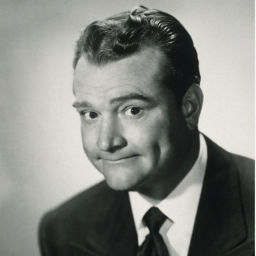
Podcast thumbnail for Red Skelton - Old Time Radio Shows

Red Skelton - Old Time Radio Shows

Claim This Podcast

by Inception Point AI

5.0(7 reviews)
55 episodes
Updated Weekly
Accepts GuestsHas SponsorsLocation 🇺🇸

Podcast Overview

In the tapestry of American entertainment, Red Skelton threads a vibrant color of joy. His journey with NBC began in 1939, a time when radio was the hearth around which America gathered. Sponsored by Avalon Cigarettes, Skelton's voice became a familiar comfort with "Avalon Time." As the world braced for change, on October 7, 1941, Skelton offered a new respite, "The Raleigh Cigarette Program." Here, he wove together a patchwork of characters, each unique in their follies and affections, from the lovably disoriented Cauliflower McPugg to the ever inebriated Willie Lump-Lump.One could hear the laughter of a nation in Junior's catchphrase, "I dood it!" — a phrase that wiggled its way into the very lexicon of America. There was the crafty San Fernando Red, with his peculiar seagull companions, Gertrude and Heathcliffe, and the endearing Clem Kadiddlehopper, whose naiveté often outshone the glitter of high society, much to the chagrin of his cynical father.In those times of global unrest, Skelton's show became a vessel for unity, aiding the war effort by selling bonds, and graced by the Nelson family and the melodic waves of the Ozzie Nelson Orchestra.Yet, the laughter paused in March 1944 when duty called Skelton to serve. Despite a trying time overseas that challenged his spirits, he returned with his humor unscathed, remarking with a chuckle, "I was the only celebrity who went in and came out a private."The show's heartbeats resumed on December 4, 1945, with Skelton breathing life into new follies and characters. The show blossomed with the voices of Lurene Tuttle and Verna Felton, the orchestral talents of David Forrester and David Rose, and the vocals of Anita Ellis, before its final curtain in 1949.As time marches on, an irony unfurls: though Skelton's television legacy casts a long shadow, it's the echoes of his radio days that now find a way into the eager hands of nostalgia seekers, a testament to the enduring allure of a voice and a spirit that captivated a nation. This content was created in partnership and with the help of Artificial Intelligence AI.

Language

🇺🇲

Publishing Since

11/5/2023

2 verified contact emails on file for Red Skelton - Old Time Radio Shows

Pitch yourself as a guest, propose sponsorships, or reach out directly to the host.

Recent Episodes

Episode thumbnail for 917  Barbers with Red Skelton

May 3, 2024

917 Barbers with Red Skelton

Episode thumbnail for It Pays To Look Wel with Red Skelton

April 28, 2024

It Pays To Look Wel with Red Skelton

It Pays To Look Wel with Red Skelton

Episode thumbnail for 430  Dentist  The with Red Skelton

April 18, 2024

430 Dentist The with Red Skelton

55 total episodes available

Deep-dive analytics for Red Skelton - Old Time Radio Shows

Frequently asked questions

Have a different question and can't find the answer you're looking for? Reach out to our support team by sending us an email and we'll get back to you as soon as we can.

What is Red Skelton - Old Time Radio Shows?

In the tapestry of American entertainment, Red Skelton threads a vibrant color of joy. His journey with NBC began in 1939, a time when radio was the hearth around which America gathered. Sponsored by Avalon Cigarettes, Skelton's voice became a familiar comfort with "Avalon Time." As the world braced for change, on October 7, 1941, Skelton offered a new respite, "The Raleigh Cigarette Program." Here, he wove together a patchwork of characters, each unique in their follies and affections, from the lovably disoriented Cauliflower McPugg to the ever inebriated Willie Lump-Lump.One could hear the laughter of a nation in Junior's catchphrase, "I dood it!" — a phrase that wiggled its way into the very lexicon of America. There was the crafty San Fernando Red, with his peculiar seagull companions, Gertrude and Heathcliffe, and the endearing Clem Kadiddlehopper, whose naiveté often outshone the glitter of high society, much to the chagrin of his cynical father.In those times of global unrest, Skelton's show became a vessel for unity, aiding the war effort by selling bonds, and graced by the Nelson family and the melodic waves of the Ozzie Nelson Orchestra.Yet, the laughter paused in March 1944 when duty called Skelton to serve. Despite a trying time overseas that challenged his spirits, he returned with his humor unscathed, remarking with a chuckle, "I was the only celebrity who went in and came out a private."The show's heartbeats resumed on December 4, 1945, with Skelton breathing life into new follies and characters. The show blossomed with the voices of Lurene Tuttle and Verna Felton, the orchestral talents of David Forrester and David Rose, and the vocals of Anita Ellis, before its final curtain in 1949.As time marches on, an irony unfurls: though Skelton's television legacy casts a long shadow, it's the echoes of his radio days that now find a way into the eager hands of nostalgia seekers, a testament to the enduring allure of a voice and a spirit that captivated a nation.

This content was created in partnership and with the help of Artificial Intelligence AI.

How often does this podcast release new episodes?

This podcast updates weekly.

Where can I listen to this podcast?

This podcast is available on 8 platforms including Apple Podcasts, Spotify, and more. You can also use the RSS feed directly.

Does this podcast accept guests?

Yes, this podcast regularly features guests.

Legal Disclaimer

Pod Engine is not affiliated with, endorsed by, or officially connected with any of the podcasts displayed on this platform. We operate independently as a podcast discovery and analytics service.

All podcast artwork, thumbnails, and content displayed on this page are the property of their respective owners and are protected by applicable copyright laws. This includes, but is not limited to, podcast cover art, episode artwork, show descriptions, episode titles, transcripts, audio snippets, and any other content originating from the podcast creators or their licensors.

We display this content under fair use principles and/or implied license for the purpose of podcast discovery, information, and commentary. We make no claim of ownership over any podcast content, artwork, or related materials shown on this platform. All trademarks, service marks, and trade names are the property of their respective owners.

While we strive to ensure all content usage is properly authorized, if you are a rights holder and believe your content is being used inappropriately or without proper authorization, please contact us immediately at hey@podengine.ai for prompt review and appropriate action, which may include content removal or proper attribution.

By accessing and using this platform, you acknowledge and agree to respect all applicable copyright laws and intellectual property rights of content owners. Any unauthorized reproduction, distribution, or commercial use of the content displayed on this platform is strictly prohibited.