- 164
- Episodes
- Daily
- Cadence
- 2020
- First episode
About Talk with Linda Reed-Enever
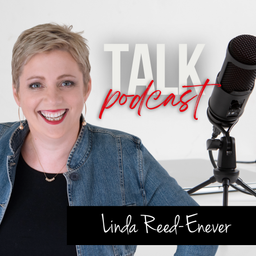
Talk is home to talk on Marketing, PR, Social Media and sharing your message with the PR and Marketing go to girl Linda Reed-Enever. With her enthusiasm for new experiences and love of finding new things Linda was destined to grow to be either a professional Geo-Cacher, or become the inspiring leader in Communications that she is today and in Talk she shares her tips with you via 5 Minute Marketing Ideas and Ask Linda where you ask her your marketing questions and she answers them. As well as tips and updates on all things marketing
- Publisher
- Linda Reed-Enever
- Category
- business · business
- Language
- en
- Explicit
- No
- First episode
- 27 May 2020
- Latest episode
- 8 Oct 2026
Latest episodes
164 episodes in the feed.
8 Oct 2026
Lessons You Can Learn from Past Promotions
Every time you promote something in your business, you learn something. The trouble is, most of us are already onto the next thing before we stop long enough to work out what those lessons actually were. It doesn't have to be a huge launch either. A workshop, new service, event, webinar, seasonal offer or simply a month where you made a concerted effort to bring in more bookings can tell you a lot about your marketing. In this episode of the Talk podcast, we're looking at how to review those past promotions so the next one starts with what you already know, rather than starting from scratch. Lessons you can learn from past… Did the Promotion Actually Work? Sales and bookings matter, but they aren't the whole story. You might have sold out but had to work ridiculously hard to do it, or perhaps sales were lower than expected while enquiries were higher than ever. Look beyond the final number and ask what actually happened. Did everyone buy in the final few days? Were people interested but the timing didn't suit? Did you attract plenty of attention but lose people before they converted? Those details give you something useful to work with next time. Look at What Got People Interested Go back through the emails, posts, videos, networking, referrals and conversations around the promotion. What actually got a response? Sometimes the beautifully designed sales graphic isn't the hero at all. It might be the story you told, the video you recorded or a phrase people kept repeating back to you. Equally, if something you spent hours creating did absolutely nothing, that's useful information too. It isn't personal. It's data you can learn from. Did You Give the Promotion Enough Time? Small business owners are particularly good at deciding to run something next week and then wondering why eight people haven't immediately rearranged their lives to book. Your audience has calendars, commitments, bills, kids and plenty of other things competing for their attention. They often need time to discover the offer, think about it, see it again, work out whether it fits and then act. When reviewing a promotion, look at whether you genuinely gave it enough room to work. Did You Talk About It Enough? You have lived and breathed the promotion. You wrote the page, created the graphics, sent the emails, and probably talked about it with your team and over dinner. Your audience hasn't. Don't measure how much you promoted something by how tired you became of hearing about it. Look at how many genuine opportunities your audience had to see it, understand it and take action. Quite often, when we actually count them, there were far fewer than we imagined. Listen to the Questions People Asked The questions you answered during a promotion are marketing material for next time. If several people asked whether something was suitable for them, what was included, how it worked or what they needed to bring, make a note of it. Those questions can become additions to your sales page, emails, social posts, FAQs or videos. Your audience is quite literally telling you what information they need before they can make a decision. Find the Friction If people showed interest but didn't take the next step, have a look at the experience from their side. Could they find the price? Did the button actually work? Was the next step obvious? Were there too many choices? Did you ask them to complete an enormous form just to ask a simple question? You've already done the work to get someone interested. Don't accidentally make it difficult for them once they arrive. Was It Worth the Effort? A campaign can make money and still be something you don't want to repeat in exactly the same way. Consider the time, cost and energy involved. Were you creating everything at the last minute? Answering messages at all hours? Using ten different systems to make the promotion work? Business takes work, but there may be things you can prepare earlier, template or automate so the next campaign works better without creating unnecessary work for you. Don't Throw Away What Worked You don't get bonus points for creating every marketing campaign from scratch. Keep the emails that performed well. Save the images that connected. Record the questions people asked. Keep the wording that resonated and note the processes that made things easier. Over time, this is one of the ways marketing becomes easier. You build on what you have already learnt instead of repeatedly returning to a blank page. Your Challenge After your next promotion, give yourself 10 to 15 minutes to write down: What worked and what didn't? What surprised me? What did customers ask? What would I start earlier next time? What would I use again? What could I make easier? Not every promotion will be your best one. Sometimes the timing will be wrong, the message won't quite land, or you'll discover your customers wanted something different from what you expected. But a promotion isn't wasted when you learn from it. Before you rush into the next campaign, go back and review the last one. Your past promotions have already given you a head start. Use it. Highlights 00:00 Why Reviews Matter 01:13 Did It Work 02:05 What Sparked Interest 03:29 Timing And Frequency 05:32 Questions To Capture 06:21 Where People Got Stuck 07:40 Was It Worth It 08:37 Reuse What Worked 09:18 Quick Review Checklist 09:56 Final Takeaways
1 Oct 2026
Setting Boundaries While Staying Visible
There can be this strange pressure in business that staying visible means always being available. Always replying, always posting, always saying yes to the coffee meeting, message, collaboration or quick question. But visibility and availability are two very different things. You can have content working while you're offline, a website answering questions, emails going out and podcasts introducing people to your ideas. Good boundaries actually make your visibility more sustainable because you can show up when you want to, rather than feeling like you always have to be there. Visibility Is Not Availability Your audience can see you, learn from you and engage with your ideas without having unlimited access to you personally. Availability is whether you answer the DM at 9 pm, take the unscheduled call or squeeze someone into an already full week. It's very easy to blur those lines, especially when every platform comes with another inbox and another notification. But you don't have to treat every platform as a customer service channel. Decide where enquiries, bookings, support and conversations belong, then make those pathways easy for people to follow. Teach People How to Work With You There's no point setting boundaries and then getting frustrated because nobody knows they exist. If someone wants to work with you, give them the booking link. If they need account support, send them to the team. If their question belongs in your membership Q&A, show them where to ask it. You're not shutting people out. You're helping them get what they need in the right place. And once those pathways are clear, remember that not everything needs an immediate response. A notification is not automatically an emergency, and a Sunday afternoon DM does not suddenly become your Sunday afternoon job. Build Visibility That Works Without You Your job as a business owner isn't to be online all the time. It's to create visibility that doesn't depend on you being there. A blog can answer a question while you're with a client, a podcast can introduce someone to your thinking while you're having dinner, and an email sequence can point someone towards a useful resource while you're out for the day. This is also why your website and email list are such important assets. They can explain your services, take bookings, deliver resources and help people take the next step without needing to message you first. Create When You Have the Headspace Marketing doesn't need to creep into every moment of your week. Batch a few videos, write a group of posts, schedule your emails and use the One-to-Eight Multiplier to take one useful idea across several formats. Create when you have the energy and headspace for it, time block that work and then let your content do its job. You don't need to be constantly creating or watching your phone for your marketing to be working. Boundaries Apply to Opportunities Too The more visible you become, the more opportunities can appear. Podcast interviews, networking events, collaborations, coffee meetings, speaking opportunities and those familiar "Can I pick your brain?" requests. You know the ones. More opportunities don't mean every opportunity needs a yes. Ask yourself: Does this support where I'm going, or is it simply something I can do? And remember, boundaries don't need to be dramatic. Sometimes they're wonderfully boring: these are my booking hours, I answer emails during business hours, this is what's included, and this meeting finishes at 11. Key Takeaway Being visible does not require unlimited access to you. The goal is to create a business where people can find you, understand what you do, learn from you and take the next step while you still have enough space to actually do the work. Your challenge: Look back over the last week and ask yourself, where did people have more access to me than I actually wanted them to have? Maybe it was your DMs, meetings running over, emails late at night or saying yes when you didn't really have the space. Pick one boundary to tighten this week. Just one. You don't need to rebuild your whole business at once. Resources to Support Your Marketing Journey The Marketing Tree Method Explore how to build a sustainable marketing ecosystem where your content and marketing assets work together. https://www.enevergroup.com.au/product/the-marketing-tree-method/ Book a 1:1 Strategy Call Need help creating a marketing approach that works around you and your business? Book a strategy call with me. https://www.enevergroup.com.au/booking-linda/ Highlights 00:00 Staying Visible Without Always Being Available 01:00 Visibility vs Availability 02:20 Decide Where People Can Access You 03:10 Teach People How to Work With You 04:00 Not Everything Needs an Immediate Response 04:45 Build Visibility That Works Without You 05:30 Batch and Repurpose Your Content 06:00 Boundaries Apply to Opportunities Too 06:40 Why Boundaries Can Be Boring 07:10 Choose One Boundary to Tighten
24 Sept 2026
Marketing Strategies for the Quiet Watchers
Have you ever published something, looked at the engagement and thought, "Well, clearly nobody cared about that"? There are hardly any comments, not many likes and maybe one share from your business bestie. But not everyone who is paying attention will show you they're paying attention. Some people are quiet watchers. They read your posts, watch your videos, open your emails and listen to your podcast for months, sometimes years, without engaging. Then one day they contact you and say, "I've been following you for ages." They weren't hiding. They were watching. In this episode of the Talk Podcast, I'm exploring what quiet watchers are looking for and why silence doesn't necessarily mean your marketing isn't working. Why People Watch Quietly There are lots of reasons people consume content without engaging. Some are naturally private, and others are busy listening while driving, watching while making dinner or reading between meetings. Others are quietly working out whether you're the right person for them. They're looking at your advice, how you communicate and how consistently you show up. And some simply aren't ready yet. They're staying connected until the timing is right for them. Silence Doesn't Mean Disinterest Likes and comments are useful signals, but they're not the whole marketing picture. Someone might never comment on your videos but remember something you taught six months later. They might never share a post publicly but recommend you privately to a friend, or read every email without replying. Buying decisions are rarely the result of one perfect post. They're built through repeated moments of familiarity and trust. Quiet Watchers Notice Consistency Quiet watchers aren't only looking at one piece of content. They're noticing your patterns over time. They're looking at whether you continue to show up, whether your core message stays consistent, whether your advice makes sense and whether your actions match what you say. Your content is also giving them a preview of what it might be like to work with you, particularly when what you offer requires trust, expertise or a meaningful investment. Familiarity Builds Trust Consistent visibility helps people become familiar with you and your ideas. That doesn't mean you need to post constantly. It means finding a pattern that works for you and continuing to show up. A useful video today might not generate an enquiry today, but it could make you the person someone remembers when they need help next month. We're not only marketing to the people ready to buy now. We're building recognition with the people who may need us later. What Do Quiet Watchers Need? Your content needs to help quiet watchers understand three things: What you know: Share your expertise, teach something useful and show people how you think. Who you help: Be specific about the people you work with and the problems you solve. What to do next: Make it easy to find your service, book, download, join or contact you. A quiet watcher may never ask publicly how to work with you, so don't make them hunt for the answer. Give Them Low-Pressure Next Steps Not every call to action needs to ask someone to book a call or buy immediately. You can invite people to save the post, watch another video, read an article, listen to another episode, download a resource or join your email list. These smaller steps allow quiet watchers to move closer to your business at their own pace without feeling like we're proposing marriage on the first date. Measure More Than Likes and Comments When you're reviewing your marketing, look beyond public engagement. Pay attention to website visits, Google Search data, email opens, video watch time, downloads and enquiries. And listen to what people tell you when they finally contact you. If someone says, "I've been watching your videos for months", that's useful marketing information. Your content was working even if you couldn't see it in the comments. Keep Repeating Your Important Ideas Don't stop talking about something useful simply because you feel like you've already said it. Most of your audience hasn't seen everything you create, and sometimes people need to hear an idea again when they're ready for it. Take that useful idea and turn it into a video, blog, email, podcast or shorter social posts. Repetition helps your quiet watchers understand your message and build trust over time. Your Quiet Watcher Challenge Here's my challenge for you this week. Find one piece of content you thought didn't work because it didn't receive much visible engagement. Then ask yourself: Did it create any other signals? Look at website visits, watch time, email activity, downloads or enquiries. Have customers mentioned the idea elsewhere? Think about conversations, emails and enquiries. Is the idea still useful? Low engagement doesn't automatically mean a bad idea. How could you share it again? Try another format or approach and give people another opportunity to find it. Then keep showing up. A quiet post doesn't always mean an empty post. Sometimes quiet means someone is watching, learning and deciding whether you're the right person to help them take the next step. My Resources to Support Your Marketing The Marketing Tree Method Build a marketing ecosystem with different ways for your audience to discover you, learn from you and build trust over time. https://enevergroup.com.au/product/the-marketing-tree-method/ Book a Discovery Call with Me If you're showing up consistently but wondering whether your marketing is actually connecting, book a conversation with me and let's look at what your marketing is telling you. https://enevergroup.com.au/booking-linda/ Highlights 00:00 Meet the Quiet Watchers 01:00 Why People Watch Without Engaging 02:00 What Quiet Watchers Are Looking For 03:00 Silence Doesn't Mean Disinterest 04:00 Quiet Watchers Notice Consistency 05:00 Familiarity Builds Trust 06:00 What Quiet Watchers Need 07:00 Low-Pressure Next Steps 08:00 Measure Beyond Likes and Comments 09:00 Keep Repeating Your Important Ideas 10:00 Quiet Doesn't Mean Empty
Contact Talk with Linda Reed-Enever
- Guest appearances
- Does not typically book guests
Based on episode analysis; this does not confirm that the show is currently accepting guests.
Host of Talk with Linda Reed-Enever?
Claim your podcast to manage its listing and keep your show details accurate.
Pod Engine is an independent podcast discovery and analytics service and is not affiliated with or endorsed by this podcast. Artwork and show content belong to their owners. Full legal notice.
Explore this show
Podcast research with Pod Engine