- 10
- Episodes
- Weekly
- Cadence
- 2025
- First episode
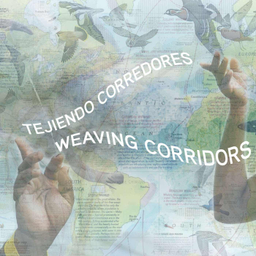
About Tejiendo Corredores ~ Weaving Corridors
A bilingual podcast that explores the notion of nature~culture corridors of planetary solidarity, through conversations with cultural practitioners, scientists, stewards of the land and organizers across geographies. ~~~~~~ Un podcast bilingüe que explora la noción de corredores natura~cultura de solidaridad planetaria, a través de conversaciones con agentes culturales, científicxs, cuidadores del territorio y organizaciones en diversas geografías. elaspalding.substack.com (https://elaspalding.substack.com/s/tejiendo-corredores-weaving-corridors?utm_medium=podcast)
- Publisher
- Ela Spalding
- Category
- science · society & culture
- Language
- en
- Explicit
- No
- First episode
- 22 Jun 2025
- Latest episode
- 21 May 2026
Latest episodes
10 episodes in the feed.
21 May 2026
GALA: Organizing like mycelium across the planet, with Yasmine Ostendorf-Rodríguez
In this episode, host Ela Spalding speaks with Yasmine Ostendorf-Rodríguez — founder of the Green Art Lab Alliance (GALA), the Nature Research Department and Future Materials Bank at Jan van Eyck Academie, and author of Let’s Become Fungal: Mycelium Teachings and the Arts. Together they explore how a global network of arts and ecology organizations can operate like mycelium — slowly, organically, and with deep solidarity. Here are some key links. (Español abajo) https://www.yasmine-ostendorf-rodriguez.info/ https://greenartlaballiance.com/ In the middle of the episode, I share a song of mine called Pearl River. I hope you enjoy! And please remeber that this is a listener-supported podcast. Consider becoming a paid subscriber to my Substack, donating directly here (https://buy.stripe.com/bJe28rbNm4d7aUe4mt0VO04), or sharing. Short Summary (English - Español abajo) Ela and Yasmine trace the twelve-year journey of GALA, now a network of eighty arts organizations across Europe, Latin America, Asia, and North America, all working at the intersection of art and ecological practice. They discuss what it means to grow a network without imperial ambition, how the alliance has offered real protection to activists at risk, and why measuring impact in audience numbers misses the point. Yasmine also shares teachings from her book *Let’s Become Fungal* — on decomposition and transformation, cross-border collaboration, and learning to resist the myth of purity — drawing direct parallels between mycelial logic and the way GALA operates. ~~~~~~~~ AQUÍ EN ESPAÑOL Resumen corto Ela y Yasmine recorren los doce años de historia de GALA, hoy una red de ochenta organizaciones artísticas en Europa, América Latina, Asia y América del Norte, todas trabajando en la intersección del arte y la práctica ecológica. Hablan sobre lo que significa hacer crecer una red sin ambición imperial, cómo la alianza ha ofrecido protección real a activistas en riesgo, y por qué medir el impacto en número de audiencias no alcanza. Yasmine también comparte enseñanzas de su libro *Let’s Become Fungal* — sobre descomposición y transformación, colaboración transfronteriza, y aprender a resistir el mito de la pureza — trazando paralelos directos entre la lógica micelial y el modo en que opera GALA. Get full access to Ela’s Substack at elaspalding.substack.com/subscribe (https://elaspalding.substack.com/subscribe?utm_medium=podcast&utm_campaign=CTA_4)
3 Apr 2026
Apoyar la vida en el territorio: Beatriz Schmitt conversa sobre comunidades, conservación y colaboración.
Este episodio ofrece una conversación profunda con Beatriz Schmitt, cuyo trabajo se sitúa en la intersección entre la conservación de la biodiversidad y el acompañamiento a las comunidades que habitan y cuidan esos territorios. Su recorrido comienza con una conexión íntima con la naturaleza desde la infancia, que se fortalece al llegar a Panamá. A lo largo del tiempo, su enfoque transita por el periodismo, la educación ambiental y el desarrollo comunitario, para centrarse finalmente en las relaciones: entre personas, territorios y formas de conocimiento. Uno de los ejes principales es el trabajo del Programa de Pequeñas Donaciones (PPD), que financia iniciativas comunitarias. Desde allí, Beatriz ha visto tanto el potencial de las acciones locales como las barreras estructurales que enfrentan, especialmente en términos de formalización y acceso a recursos. Un avance clave en Panamá fue la creación de las organizaciones de base comunitaria (OBC) como figura legal accesible. Esto permitió que pequeños grupos pudieran organizarse formalmente, generando un crecimiento significativo de iniciativas en el territorio y ofreciendo una radiografía más clara de quiénes están cuidando la biodiversidad. Este proceso se entrelaza con la creación del mapa de Corredores Natura Cultura, una colaboración entre Almanaque Azul, Estudio Nuboso y Dominique Ratton Pérez que integra información ecológica, divisiones políticas y actores comunitarios. El mapa funciona como una herramienta para imaginar colaboraciones y facilitar acciones concretas. Beatriz comparte ejemplos desde Darién: conservación de tortugas marinas a lo largo de décadas, organizaciones juveniles indígenas, y familias que combinan producción y conservación. Estas historias reflejan la importancia de la persistencia, las alianzas y el trabajo colectivo en contextos desafiantes. El episodio también explora el sonido como herramienta. Desde la radio comunitaria hasta la bioacústica, el escuchar se presenta como una forma de conocimiento y conexión. Proyectos que integran ciencia, música y territorio abren nuevas posibilidades para percibir y comunicar la vida. En conjunto, esta conversación propone una reflexión sobre el valor: cómo reconocer el trabajo de cuidado, cómo apoyar a quienes sostienen los territorios, y cómo tejer puentes entre disciplinas y contextos. Es una invitación a escuchar más profundamente y a participar en la construcción de corredores vivos de solidaridad. Enlaces * Programa de Pequeñas Donaciones (PPD Panamá) - Paquete educativo OBCs (https://sites.google.com/view/paqueteobcpa) * Fundación Avifauna (https://www.pipelineroad.org/es/avifauna-es) * Mapa de Corredores Natura Cultura (https://estudionuboso.org/corredores-natura-cultura/) * Pana Tortugas Red de conservación de tortugas marinas (https://panatortugas.org/) * Radio Noís (Colombia) (https://noisradio.co/radiovallena) Elementos Sonoros Este episodio incluye: * Grabaciones de monitoreo de biodiversidad - Investigación bioacústica con Brais Marchena * Concierto de Brais Marchena y Louis Navas (Valle Verde) en el cierre de la expo de Estudio Nuboso, Cúmulus en el MAC Panamá (Agosto, 2025) * Postales sonoras de Radio Noís (la radio va llena) para Hacia el Litoral (2015) Apoya el Podcast Si este episodio te resonó, puedes apoyar el proyecto aquí: ~~~~~~~~~ English ~~~~~~~~~~ Supporting life in the region: Beatriz Schmitt talks about communities, conservation and collaboration. This episode is a rich and layered conversation with Beatriz Schmitt, whose life and work revolve around protecting biodiversity while supporting the people who inhabit and sustain those ecosystems. Beatriz’s path began with a deep personal connection to nature, which she describes as present since childhood and intensified upon arriving in Panama. Over time, her work evolved across disciplines—journalism, environmental education, and community development—ultimately focusing not on science alone, but on relationships: between people, territories, and ways of knowing. A central part of the conversation explores the UN Small Grants Programme (PPD), which funds grassroots initiatives led by communities. Through this program, Beatriz has witnessed the power of local action, while also recognizing the structural barriers communities face—especially when it comes to legal recognition and access to funding. One major breakthrough in Panama was the creation of a legal framework for community-based organizations (OBCs), allowing even small groups to formalize their work. This led to an explosion of grassroots organizations across the country, creating a more detailed “social map” of who is actively caring for the territory. This mapping effort converged with the Natura Cultura Corridors Map, developed through collaboration between Almanaque Azul and Estudio Nuboso. The map brings together ecological data, political boundaries, and community actors, offering a powerful tool to visualize potential collaborations and pathways for action. Beatriz shares vivid examples from Darién, including long-term turtle conservation efforts, youth-led biodiversity monitoring, and families integrating conservation with livelihoods. These stories highlight the importance of persistence, alliances, and collective organization—especially in contexts with limited infrastructure and resources. The conversation also expands into the realm of sound. From early experiences with community radio to recent explorations in bioacoustics, sound emerges as a powerful medium for connection, storytelling, and scientific observation. Collaborations with researchers and artists demonstrate how listening—to ecosystems and to each other—can open new ways of understanding and engaging with the world. Ultimately, this episode invites us to rethink value: to recognize the invisible labor of care, to support those protecting life, and to build bridges across disciplines and territories. It is a call to listen more deeply, connect more intentionally, and participate in the weaving of living corridors of solidarity. Links * Programa de Pequeñas Donaciones (PPD Panamá) - Paquete educativo OBCs (https://sites.google.com/view/paqueteobcpa) * Fundación Avifauna (https://www.pipelineroad.org/es/avifauna-es) * Nature~Culture Corridor map, Estudio Nuboso (https://estudionuboso.org/corredores-natura-cultura/https://estudionuboso.org/en/nature-culture-corridors/) * Pana Tortugas Sea Turtle Conservation Network (https://panatortugas.org/) * Radio Noís (Colombia) (https://noisradio.co/radiovallena) Sound elements: This episode includes: * Biodiversity monitoring recordings of Bioacoustic research by Brais Marchena * Concert by Brais Marchena and Louis Navas (Valle Verde) at the closing event of the Estudio Nuboso exhibition, Cúmulus, at the MAC Panama (August 2025) * Sound postcards by Radio Noís (la radio va llena) for Hacia el Litoral (2015) Support the Podcast If this episode resonates with you, consider supporting the work: Get full access to Ela’s Substack at elaspalding.substack.com/subscribe (https://elaspalding.substack.com/subscribe?utm_medium=podcast&utm_campaign=CTA_4)
23 Feb 2026
Ep. 7 A Reintroduction to your host, Ela Spalding (English)
As we start a new lunar year, I’d like to reintroduce myself — and the living intention behind Tejiendo Corredores~Weaving Corridors. I am Ela Spalding, a multidisciplinary artist and facilitator born in Panama, now based in Mallorca, weaving bridges between nature and culture through sound, art, books, and collaborative encounters. This podcast continues nearly twenty years of work through Estudio Nuboso, a platform born in the cloud forest of Panama that connects artists, scientists, conservationists, and communities. In this short episode, I share the central question guiding this podcast: How can we weave nature~culture corridors of planetary solidarity? I reflect on biological corridors that allow life to move and thrive, and on cultural corridors — networks of solidarity between geographies, movements, and communities. I also invite listeners into SUELO, a field guide for reconnecting with the places we inhabit and recognizing our agency within them. This episode includes my sound work Suelo, here and now. Thank you for listening. Let’s keep on weaving! Support this podcast by donating here <3 (https://buy.stripe.com/bJe28rbNm4d7aUe4mt0VO04) Get full access to Ela’s Substack at elaspalding.substack.com/subscribe (https://elaspalding.substack.com/subscribe?utm_medium=podcast&utm_campaign=CTA_4)
23 Feb 2026
Ep. 7 Una reintroducción a su anfitriona, Ela Spalding (español)
Arrancando un nuevo año lunar, aprovecho este espacio para reintroducirme — y compartirles la intención viva detrás de Tejiendo Corredores~Weaving Corridors. Soy Ela Spalding, artista multidisciplinaria y facilitadora nacida en Panamá y actualmente radicada en Mallorca. A través del sonido, el arte, los libros y encuentros colaborativos, tiendo puentes entre naturaleza y cultura. Este podcast da continuidad a casi veinte años de trabajo desde Estudio Nuboso, una plataforma nacida en el bosque nuboso de Panamá que conecta artistas, científicas/os, conservacionistas y comunidades. En este episodio breve comparto la pregunta que guía este espacio: ¿Cómo podemos tejer corredores Natura–Cultura de solidaridad planetaria? Reflexiono sobre los corredores biológicos que permiten que la vida siga moviéndose y prosperando, y sobre los corredores culturales — redes de solidaridad entre geografías, movimientos y comunidades. También presento SUELO, una guía campo para reconectar con los lugares que habitamos y con nuestra agencia dentro de ellos. El episodio incluye mi obra sonora Suelo, aquí y ahora. Gracias por escuchar — seguimos tejiendo. Get full access to Ela’s Substack at elaspalding.substack.com/subscribe (https://elaspalding.substack.com/subscribe?utm_medium=podcast&utm_campaign=CTA_4)
29 Nov 2025
Bird Friendly coffee corridors with Melissa Mazurkewicz of STRI Panama.
In this episode, Ela Spalding speaks with Melissa Mazurkewicz, Bird Friendly Program Manager for Latin America at the Smithsonian Tropical Research Institute. They explore how Bird Friendly coffee and cacao protect biodiversity, support migratory birds, and create sustainable economic models for farming communities across Latin America and other regions of the world. The conversation highlights agroforestry, forest conservation, and the deep ecological and cultural connections created through this living example of nature–culture corridors. ~~~~~ Bird Friendly Coffee on the STRI website (https://stri.si.edu/story/bird-friendly) ~~~~~ (español) En este episodio, Ela Spalding conversa con Melissa Mazurkewicz, gerente del programa Bird Friendly para América Latina del Instituto Smithsonian de Investigaciones Tropicales. Hablan sobre cómo el café y cacao Bird Friendly protegen la biodiversidad, apoyan a las aves migratorias y generan modelos económicos sostenibles para las comunidades agrícolas en América Latina y otras regiones del mundo. La conversación destaca la agrosilvicultura, la conservación de bosques y las conexiones ecológicas y culturales que surgen a través de este ejemplo vivo de corredores natura–cultura. Get full access to Ela’s Substack at elaspalding.substack.com/subscribe (https://elaspalding.substack.com/subscribe?utm_medium=podcast&utm_campaign=CTA_4)
5 Nov 2025
Agua Salud y Reforestación Inteligente en STRI Panamá, con Jahir Batista
En este episodio, converso con el científico panameño Jahir Batista Rodríguez, investigador del proyecto Agua Salud del Smithsonian en Panamá. Hablamos sobre la importancia del agua, la reforestación con especies nativas, y el rol de las comunidades en proteger la cuenca del Canal y la comarca Ngäbe-Buglé. Jahir comparte su historia personal, su pasión por el agua, y cómo ciencia, educación y comunidad se unen para regenerar ecosistemas tropicales. EN In this episode, I speak with Panamanian scientist Jahir Batista Rodríguez, a researcher with the Agua Salud Project at the Smithsonian in Panama. We explore the importance of water, native-species reforestation, and community involvement in protecting the Panama Canal watershed and the Ngäbe-Buglé region. Jahir shares his personal story, his passion for water studies, and how science, education, and local communities work together to restore tropical ecosystems. Get full access to Ela’s Substack at elaspalding.substack.com/subscribe (https://elaspalding.substack.com/subscribe?utm_medium=podcast&utm_campaign=CTA_4)
12 Oct 2025
The importance of the tropics, ocean governance and bridging the nature~culture gap, with Joshua Tewksbury and Ana Spalding of STRI (Panama)
This episode explores the vital role of the tropics in planetary sustainability and the power of connecting nature and culture. Ela speaks with STRI scientists Joshua Tewksbury and Ana Spalding about the importance of tropical ecosystems, ocean governance, ecological corridors, and how cultural narratives and art can support environmental action. They discuss the newly ratified High Seas Treaty, marine connectivity between countries, and the potential of South–South and North–South collaboration to protect biodiversity and shift from crisis to opportunity in the tropics. ~~~~~~~~~ Español ~~~~~~~~~~~~ Este episodio explora el papel crucial de los trópicos en la sostenibilidad planetaria y el poder de conectar naturaleza y cultura. Ela conversa con los científicos de STRI Joshua Tewksbury y Ana Spalding sobre la importancia de los ecosistemas tropicales, la gobernanza oceánica, los corredores ecológicos y cómo las narrativas culturales y el arte pueden impulsar la acción ambiental. Hablan sobre la reciente ratificación del Tratado de Alta Mar, la conectividad marina entre países y el potencial de la colaboración Sur–Sur y Norte–Sur para proteger la biodiversidad y transformar la crisis en oportunidad en los trópicos. Get full access to Ela’s Substack at elaspalding.substack.com/subscribe (https://elaspalding.substack.com/subscribe?utm_medium=podcast&utm_campaign=CTA_4)
2 Aug 2025
Fundación Mar Adentro en Chile con Maya Errázuriz: arte, ciencia y regeneración
In this episode, Ela Spalding speaks with Maya Errázuriz, Director of Art and Publications at Fundación Mar Adentro in Chile. They explore the intersections of art, ecology, and conservation through the foundation's long-term work in Bosque Pehuén — a privately protected area bordering a national park in La Araucanía. Maya shares insights about their transdisciplinary residency program, ecological restoration, collaborations with scientists, and the growing role of sound in monitoring forest ecosystems. Together, they reflect on what it means to weave nature-culture corridors of planetary solidarity. ~~~ En este episodio, Ela Spalding habla con Maya Errázuriz, Directora de Arte y Publicaciones de la Fundación Mar Adentro en Chile. Exploran las intersecciones entre el arte, la ecología y la conservación a través del trabajo a largo plazo de la fundación en Bosque Pehuén, un área protegida privada que limita con un parque nacional en La Araucanía. Maya nos habla de su programa de residencias transdisciplinarias, la restauración ecológica, la colaboración con científicos y el creciente rol del sonido en el monitoreo de los ecosistemas forestales. Juntas, reflexionan sobre lo que significa tejer corredores natura-cultura de solidaridad planetaria. Get full access to Ela’s Substack at elaspalding.substack.com/subscribe (https://elaspalding.substack.com/subscribe?utm_medium=podcast&utm_campaign=CTA_4)
17 Jul 2025
Lucia Pietroiusti from Serpentine Galleries and the potential role of cultural institutions in an ecological society
Lucia Pietroiusti, Head of Ecologies at the Serpentine in London, discusses how cultural institutions can go beyond raising awareness about climate and actively contribute to ecological change. She shares the journey of the General Ecology project and how Serpentine has embedded environmental responsibility into its core operations — from artistic collaborations to institutional policy shifts. This episode explores the role of art in shaping culture, not just reflecting it, and reflects on the possibilities of building “nature-culture corridors” between disciplines, geographies, and communities. ES: Lucia Pietroiusti, directora de Ecologías en Serpentine Londres, habla sobre cómo las instituciones culturales pueden ir más allá de la concienciación ambiental para convertirse en agentes de cambio ecológico. Comparte el recorrido del proyecto de Ecología General y cómo el Serpentine ha integrado la responsabilidad ambiental en su estructura institucional — desde colaboraciones artísticas hasta cambios en las políticas internas. Este episodio explora el papel del arte en la creación de cultura, no solo en su representación, y reflexiona sobre la posibilidad de tejer corredores natura–cultura entre disciplinas, territorios y comunidades. Get full access to Ela’s Substack at elaspalding.substack.com/subscribe (https://elaspalding.substack.com/subscribe?utm_medium=podcast&utm_campaign=CTA_4)
22 Jun 2025
Almanaque Azul y el mapa de Corredores naturales de Panamá
En este primer episodio converso con Michelle Szejner y Mir Rodríguez Lombardo de la Fundación Almanaque Azul, autores del mapa de corredores naturales de Panamá (2023), que fue la semilla que me inspiró a pensar en la noción de tejer corredores natura-cultura de solidaridad planetaria. Hablamos sobre la motivación para crear ese primer mapa, cómo ha sido recibido, y la colaboración que luegue iniciamos con Almanaque, Estudio Nuboso y Dominique Ratton Pérez al crear un mapa de corredores natura-cultura en Panamá. Nos preguntamos, qué implicaciones tiene un mapa como éste, así como una noción como la que exploramos en este podcast. ~~~ In this first episode I talk with Michelle Szejner and Mir Rodriguez Lombardo of the Almanaque Azul Foundation, authors of the map of natural corridors of Panama (2023), which was the seed that inspired me to think about the notion of weaving nature-culture corridors of planetary solidarity. We talked about the motivation for creating that first map, how it has been received, and the collaboration we then initiated with Almanaque, Estudio Nuboso and Dominique Ratton Perez in creating a map of nature-culture corridors in Panama. We ask ourselves, what are the implications of such a map, as well as a notion such as the one we explore in this podcast. Get full access to Ela’s Substack at elaspalding.substack.com/subscribe (https://elaspalding.substack.com/subscribe?utm_medium=podcast&utm_campaign=CTA_4)
Contact Tejiendo Corredores ~ Weaving Corridors
- Guest appearances
- Books guests
Based on episode analysis; this does not confirm that the show is currently accepting guests.
Host of Tejiendo Corredores ~ Weaving Corridors?
Claim your podcast to manage its listing and keep your show details accurate.
Pod Engine is an independent podcast discovery and analytics service and is not affiliated with or endorsed by this podcast. Artwork and show content belong to their owners. Full legal notice.
Explore this show
Podcast research with Pod Engine