- 15
- Episodes
- Weekly
- Cadence
- 2026
- First episode
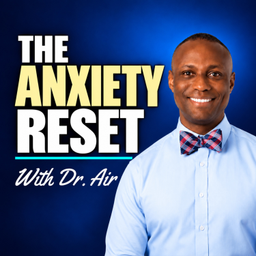
About The Anxiety Reset with Dr. Air
Anxiety is not just a brain chemistry problem. Quadruple Board-Certified Psychiatrist Dr. Air explains the hidden drivers of anxiety, from hormones, sleep, and chronic stress to blood sugar, inflammation, and gut health. If you're in midlife and your anxiety has changed, gotten worse, or never fully gone away, this show is for you. Learn practical, science-based ways to calm your nervous system, understand all your treatment options, and feel like yourself again. Not anti-medication, just a smarter, whole-body approach. For educational purposes only, not medical advice.
- Publisher
- Efosa Airuehia
- Category
- health & fitness
- Language
- en
- Explicit
- No
- First episode
- 9 Aug 2026
- Latest episode
- 16 Oct 2026
Latest episodes
15 episodes in the feed.
16 Oct 2026
Did Your Doctor Test For The Root Causes Of Your Anxiety?
Anxiety with normal blood tests can leave you wondering if your symptoms are “all in your head.” But chest tightness, racing thoughts, heart pounding, insomnia, fatigue, and nighttime anxiety can be very real even when routine labs and cardiac testing come back normal. In this video, Dr. Air explains why standard bloodwork may not tell the whole story. We explore three systems connected with anxiety that routine testing may not fully capture: the HPA stress axis, inflammation and immune signaling, and the gut-brain connection. We also look at thyroid autoimmunity and the surprising history of pellagra to show how physical biology can sometimes produce powerful psychiatric symptoms. Research has linked anxiety disorders with changes in stress-system regulation, inflammatory markers, gut-brain signaling, and autoimmune thyroid disease. Importantly, these associations do not mean everyone with anxiety needs extensive testing or that inflammation or gut problems “cause” every case of anxiety. Anxiety is complex and usually involves multiple interacting factors. Treatment may include therapy, medication, nutrition, movement, sleep, stress regulation, and addressing relevant medical contributors. Get your FREE anxiety/nervous system guide here - https://md.resetns.com/ (https://md.resetns.com/) This video is educational and is not a substitute for individualized medical care.
4 Oct 2026
5 Anxiety Medications: Which Ones Are Actually Addictive?
Are anxiety medications addictive? Can you become dependent on Xanax, Zoloft, Buspar, hydroxyzine, or propranolol? In this video, I break down five common anxiety medications and explain the critical difference between addiction, physical dependence, tolerance, and medication withdrawal. Many people avoid anxiety treatment because they fear getting “hooked” on medication. But not all anxiety medications carry the same risks. Benzodiazepines such as Xanax (alprazolam) can cause physical dependence and carry risks of misuse and addiction. SSRIs such as Zoloft (sertraline) are not considered addictive, but stopping them can cause antidepressant withdrawal symptoms. Buspar (buspirone) and hydroxyzine have much lower abuse potential, while propranolol is not addictive but may still need to be tapered after regular use. I also explain where gabapentin and Lyrica (pregabalin) fit, why withdrawal does not automatically mean addiction, and why abruptly stopping certain medications can be dangerous. If you take medication for anxiety, panic attacks, or an overactive nervous system, understanding these differences can help you have a more informed conversation with your prescriber. Get your FREE anxiety/nervous system guide here - https://md.resetns.com/ (https://md.resetns.com/) Educational content only. Never stop or change medication without speaking with your prescriber.
2 Oct 2026
Are You Addicted, Dependent, or Just Adjusting? Anxiety Medication Withdrawal Explained
Antidepressant withdrawal, antidepressant dependence, and antidepressant addiction are NOT the same thing. If you’ve ever experienced brain zaps, dizziness, nausea, anxiety, insomnia, or other symptoms after missing Effexor (venlafaxine), Paxil (paroxetine), Zoloft (sertraline), Lexapro (escitalopram), or another antidepressant, this video explains what may actually be happening. I break down the critical difference between physical dependence and addiction, why antidepressant withdrawal symptoms occur, and why stopping psychiatric medications too quickly can make your nervous system react. We also explore benzodiazepines like Xanax, Klonopin, Ativan, and Valium, including tolerance, physical dependence, GABA receptors, rebound anxiety, and why benzodiazepines should not be stopped suddenly. The FDA warns that physical dependence and withdrawal can occur even when benzodiazepines are taken as prescribed. You’ll also discover why antidepressant withdrawal is real, why medications such as Effexor may produce more discontinuation symptoms, and how even non-psychiatric medications like propranolol can cause rebound effects when abruptly discontinued. The key message: physical dependence does not automatically mean addiction. Your nervous system adapts to what it is repeatedly exposed to. Get your FREE anxiety/nervous system guide here - https://md.resetns.com/ (https://md.resetns.com/) Educational content only. Never stop or change psychiatric medication without discussing it with your prescriber.
26 Sept 2026
Which Anxiety Medication Actually Works? SSRIs vs Benzos vs Everything Else
Which anxiety medication actually works? SSRIs vs benzos vs everything else, explained in plain English by a psychiatrist. Some anxiety medications work slowly, some work fast, and some become risky if used the wrong way. In this video, quadruple board-certified psychiatrist Dr. Air breaks down the 7 main types of anxiety medication: how each one works, why doctors prescribe it, the side effects and trade-offs, and why medication is often a bridge, not the whole solution. From Zoloft, Lexapro, and Prozac to Effexor, Cymbalta, buspirone, hydroxyzine, gabapentin, propranolol, and Xanax, this is your complete guide to anxiety medications, so you can have a more informed conversation with your doctor. 📘 FREE GUIDE: Learn how to calm an overactive nervous system: https://md.resetns.com 7 TYPES OF ANXIETY MEDICATION: 1️⃣ SSRIs (Zoloft, Lexapro, Prozac) 2️⃣ SNRIs (Effexor, Cymbalta) 3️⃣ Buspirone (Buspar) 4️⃣ Hydroxyzine (Vistaril) 5️⃣ Gabapentin and pregabalin (Lyrica) 6️⃣ Beta blockers (propranolol) 7️⃣ Benzodiazepines (Xanax, Ativan, Klonopin, Valium) IN THIS VIDEO YOU'LL LEARN: ✔ How SSRIs work and why you may feel worse the first 2 weeks ✔ SSRI emotional blunting and weight gain (and which cause the most) ✔ How SNRIs differ from SSRIs ✔ Why Effexor is known for brain zaps and tough withdrawal ✔ Why buspirone is an underrated, non-addictive anxiety medication ✔ How hydroxyzine works fast for anxious nights ✔ When gabapentin and pregabalin are used for anxiety, and their dependence risk ✔ How propranolol blocks physical anxiety for performance and public speaking ✔ How benzodiazepines work on GABA, and why dependence can start within weeks ✔ Why anxiety medication should be a bridge, not the destination ✔ The root causes of anxiety no pill can fix CHAPTERS: 0:00 Why anxiety medications are confusing 0:26 1. SSRIs: how they work 1:01 SSRI startup anxiety and emotional blunting 1:38 SSRIs and weight gain 2:16 2. SNRIs: Effexor and Cymbalta 2:56 SNRI withdrawal and brain zaps 3:32 3. Buspirone 4:16 4. Hydroxyzine 4:50 5. Gabapentin and pregabalin 5:40 6. Beta blockers (propranolol) 6:45 7. Benzodiazepines 7:17 A panic attack on the highway 7:40 Tolerance, dependence, and withdrawal 8:26 Medication is a bridge, not the whole answer 9:13 You're not broken WHO THIS VIDEO IS FOR: If you're trying to decide which anxiety medication is right for you, have been on medication for years and still don't feel like yourself, or want to understand the pros and cons of SSRIs vs benzos, this video is for you. It's especially helpful for midlife adults, when hormones, sleep, inflammation, and chronic stress can change how anxiety and medication behave. Medications genuinely help and save lives. But what's underneath anxiety is almost never just brain chemistry. A nervous system stuck in fight-or-flight, broken sleep, shifting hormones, and chronic stress all need to be addressed too. 👉 Watch next: How to address the root causes of your anxiety. 🔔 Subscribe to The Anxiety Reset with Dr. Air for science-based, balanced anxiety education that bridges psychiatry, lifestyle medicine, and integrative care. ABOUT DR. AIR: Dr. Efosa Airuehia (Dr. Air) is a quadruple board-certified integrative psychiatrist and lifestyle medicine physician who has treated thousands of people with anxiety. He prescribes medication and believes it works best as part of a complete plan. ⚠️ MEDICAL DISCLAIMER: This video is for educational purposes only and is not medical advice. Do not start, stop, or change any medication without talking to your prescriber. Stopping benzodiazepines, SNRIs, or gabapentinoids suddenly can cause serious withdrawal, including seizures with benzos. If you're in crisis in the US, call or text 988. #AnxietyMedication #SSRI #Benzodiazepines #Xanax #Zoloft #Lexapro #Buspirone #Propranolol #Anxiety #AnxietyRelief #DrAir
26 Sept 2026
How Psychiatrists Treat Anxiety Now
How to treat anxiety now: the complete, updated roadmap from a psychiatrist. Treatment has changed. In this video, quadruple board-certified psychiatrist Dr. Air explains what psychiatrists recommend now, from gut health, inflammation, and mitochondria to CBT, vagus nerve work, wearables, newer medications, TMS, esketamine (Spravato), and emerging psychedelic treatments. If you've tried medication, therapy, meditation, and breathing exercises and still feel anxious, there are still options. We've moved beyond the "chemical imbalance" model. Anxiety is a whole-body, systems problem, and when you treat it that way, medication often works better, at lower doses, with fewer side effects. 😴 FREE SLEEP GUIDE: Optimize your sleep naturally: https://md.resetns.com THE ANXIETY TREATMENT PYRAMID: 🟩 Foundation: sleep, nutrition, movement, stress management, gut health, inflammation, mitochondria, and blood sugar 🟨 Middle: CBT, somatic therapy, breathwork, vagus nerve stimulation, and biofeedback 🟥 Top: SSRIs, SNRIs, short-term benzodiazepines, TMS, esketamine, and emerging psychedelics IN THIS VIDEO YOU'LL LEARN: ✔ Why anxiety is a systems problem, not just a chemical imbalance ✔ How the gut-brain axis and psychobiotics affect anxiety ✔ How inflammation (CRP, IL-6, TNF-alpha) creates "neuro-noise" ✔ Anti-inflammatory foods and supplements for anxiety ✔ How mitochondria power your brain, and nutrients that support them ✔ The link between blood sugar, insulin resistance, and anxiety ✔ Why CBT is the gold-standard therapy for anxiety ✔ How to activate your vagus nerve and try coherent breathing ✔ How wearables track heart rate variability (HRV) and stress ✔ SSRIs, SNRIs, benzodiazepines, buspirone, hydroxyzine, and propranolol explained ✔ How TMS, esketamine (Spravato), and psychedelics fit in CHAPTERS: 0:00 Anxiety treatment has changed 0:25 Meet Dr. Air 0:50 Melissa's story 1:11 Beyond the chemical imbalance model 1:56 The anxiety treatment pyramid 3:15 Gut health and psychobiotics 4:05 Inflammation and anxiety 4:49 Mitochondria: your brain's battery packs 5:36 Blood sugar and insulin resistance 6:15 Sleep and your free sleep guide 6:41 CBT: the gold standard 7:06 Somatic therapy and the vagus nerve 7:32 Coherent breathing 7:54 Wearables and HRV 8:51 Anxiety medications: SSRIs, SNRIs, and benzos 9:37 Buspirone, hydroxyzine, and propranolol 10:01 TMS, esketamine, and psychedelics 10:33 What to watch next WHO THIS VIDEO IS FOR: If you want to know the best treatment for anxiety today, feel stuck on SSRIs, or want a root-cause approach to anxiety, this video is for you. It's especially helpful for midlife adults, when chronic stress, hormonal shifts, and metabolic changes can make anxiety harder to treat. Anxiety treatment works best as a layered plan built on a strong foundation. When your gut, inflammation, blood sugar, and sleep are supported, every other treatment has a better chance of working. 👉 Watch next: Newer anxiety treatments and how they can help. 🔔 Subscribe to The Anxiety Reset with Dr. Air for science-based, balanced anxiety education that bridges psychiatry, lifestyle medicine, and integrative care. ABOUT DR. AIR: Dr. Efosa Airuehia (Dr. Air) is a quadruple board-certified integrative psychiatrist and lifestyle medicine physician. He's not anti-medication. He believes in the right medication, at the right dose, for the right person, built on a strong lifestyle foundation. ⚠️ MEDICAL DISCLAIMER: This video is for educational purposes only and is not medical advice. Talk to your doctor before starting supplements or making medication changes. Do not stop a benzodiazepine or antidepressant on your own. Psychedelic treatments are still being studied and should only be used in approved clinical settings. If you're in crisis in the US, call or text 988. #Anxiety #AnxietyTreatment #AnxietyRelief #NervousSystem #GutBrainAxis #VagusNerve #HRV #Spravato #TMS #Psychedelics #DrAir
26 Sept 2026
Before You Take Zoloft: What a Psychiatrist Wants You to Know
Before you take Zoloft (sertraline) for anxiety, watch this. Zoloft is one of the most prescribed antidepressants in the US, yet many people still struggle with anxiety years after starting it. In this video, quadruple board-certified psychiatrist Dr. Air explains how Zoloft works, the side effects most people are never warned about, why Zoloft can stop working, and how to build a complete anxiety treatment plan around it. This is not a video telling you Zoloft is good or bad. Zoloft can change lives, and for some people medication is the right first step. But serotonin is only one piece of the puzzle. Cortisol, inflammation, blood sugar, mitochondria, and midlife hormone changes can all keep anxiety going, and no SSRI fixes those on its own. 😴 FREE SLEEP GUIDE: Repair your sleep to calm anxiety: https://md.resetns.com IN THIS VIDEO YOU'LL LEARN: ✔ How Zoloft (sertraline) works as an SSRI ✔ How serotonin calms an overactive amygdala ✔ Why Zoloft's flexible dosing range can be a real advantage ✔ What startup anxiety is and why Zoloft can make anxiety worse at first ✔ Common Zoloft side effects: nausea, stomach upset, and loose stools ✔ Sexual side effects and emotional blunting on SSRIs ✔ SSRI discontinuation syndrome and brain zaps ✔ Why Zoloft can stop working after a year or two ✔ The hidden drivers of anxiety: cortisol, inflammation, blood sugar, mitochondria ✔ How perimenopause, menopause, and low testosterone affect anxiety and medication ✔ Why sleep helps anxiety medication work better ✔ How exercise, nutrition, supplements, and CBT complete your treatment plan ✔ Which hormones to have checked in midlife CHAPTERS: 0:00 Why are so many people on Zoloft still anxious? 0:28 Meet Dr. Air 1:02 What this video covers 1:27 How Zoloft works 2:10 Zoloft dosing flexibility 3:01 Startup anxiety: worse before better 3:23 Patient story: pushing through week one 4:06 Stomach side effects 4:23 Sexual side effects 4:39 Emotional blunting 4:49 Discontinuation syndrome and brain zaps 5:19 Why Zoloft can stop working 6:05 What's really driving your anxiety 7:17 Hormones, midlife, and anxiety 7:56 Sleep and your free sleep guide 8:16 A complete treatment plan around Zoloft 9:24 Supplements that support anxiety treatment 9:39 CBT: rewiring anxious patterns 9:52 Get your hormones checked 10:03 What to watch next WHO THIS VIDEO IS FOR: If you're thinking about starting Zoloft, just started sertraline, or have been on it for years and still feel anxious, this video is for you. It's especially helpful for adults in their 40s and 50s, when hormonal and metabolic changes can shift how well medication works. Zoloft can be part of recovery, but never the only part. When you address sleep, blood sugar, inflammation, movement, and stress patterns, medication often works better and lasting recovery becomes possible. 👉 Watch next: How to address the deeper causes of your anxiety. 🔔 Subscribe to The Anxiety Reset with Dr. Air for science-based, balanced anxiety education that bridges psychiatry, lifestyle medicine, and integrative care. ABOUT DR. AIR: Dr. Efosa Airuehia (Dr. Air) is a quadruple board-certified integrative psychiatrist and lifestyle medicine physician who has treated thousands of people with anxiety. He prescribes medication and believes it works best alongside root-cause care. ⚠️ MEDICAL DISCLAIMER: This video is for educational purposes only and is not medical advice. Do not start, stop, or change the dose of Zoloft or any medication without your prescriber. Talk to your doctor before adding supplements, since some can interact with SSRIs. Tell your doctor right away about severe side effects or thoughts of harming yourself. If you're in crisis in the US, call or text 988. #Zoloft #Sertraline #SSRI #AnxietyMedication #Anxiety #Antidepressants #SSRISideEffects #AnxietyRelief #Perimenopause #NervousSystem #DrAir
26 Sept 2026
The 5 Supplements I Actually Recommend for Anxiety as a Psychiatrist
The 5 best supplements for anxiety, from a psychiatrist. Which supplements really help with anxiety, and which are a waste of money? In this video, quadruple board-certified psychiatrist Dr. Air breaks down 5 natural supplements with real clinical evidence for anxiety and stress: ashwagandha, rhodiola, holy basil, L-theanine, and phosphatidylserine, plus a bonus, ginseng. You'll learn how each one works, when to take it, research-based doses, and what to look for on the label. Anxiety is often tied to a stress system that's stuck in the "on" position. Many of these supplements work by calming the HPA axis, lowering cortisol, and supporting GABA, serotonin, and dopamine signaling. But supplement quality matters more than most people realize, and the wrong brand can leave you with little or none of the active compound. 😴 FREE SLEEP GUIDE: Better sleep for people managing anxiety: https://md.resetns.com 5 SUPPLEMENTS FOR ANXIETY: 1️⃣ Ashwagandha (cortisol, stress, and sleep) 2️⃣ Rhodiola rosea (anxiety with fatigue and burnout) 3️⃣ Holy basil / tulsi (stress, cortisol, and inflammation) 4️⃣ L-theanine (fast, calm focus for situational anxiety) 5️⃣ Phosphatidylserine (blunting cortisol spikes) ➕ BONUS: Ginseng (adaptogen and deeper sleep) IN THIS VIDEO YOU'LL LEARN: ✔ How ashwagandha works on the HPA axis and cortisol ✔ Why ashwagandha is best taken at night and needs 4 to 8 weeks ✔ Why rhodiola works faster and should be taken in the morning ✔ Which supplement helps when you feel anxious and exhausted ✔ Why holy basil is overlooked by most Western psychiatrists ✔ How L-theanine calms you without making you drowsy ✔ How phosphatidylserine lowers cortisol response to stress ✔ Why most supplements in the US aren't tested before they hit shelves ✔ What pharmaceutical grade means (KSM-66, Sensoril, withanolides) ✔ What to look for on the label: standardized extracts and third-party testing ✔ Who should avoid ashwagandha CHAPTERS: 0:00 Which supplements actually help anxiety? 0:12 Supplement 1: Ashwagandha 1:39 Why the brand matters 1:46 Supplement 2: Rhodiola rosea 3:08 Part 2 preview 3:22 Supplement 3: Holy basil (tulsi) 4:06 What to look for on the label 4:18 Important note: talk to your doctor 4:31 Supplement 4: L-theanine 5:52 The truth about supplement quality 6:33 Ashwagandha example: KSM-66 and Sensoril 7:09 Free sleep guide 7:24 Supplement 5: Phosphatidylserine 8:12 Bonus: Ginseng 9:02 Coming up in Part 2 WHO THIS VIDEO IS FOR: If you're looking for natural anxiety relief, want to support your body alongside therapy or medication, or feel anxious, wired, and burned out, this video is for you. It's especially helpful for adults over 40, when chronic stress and hormonal shifts can push cortisol and anxiety higher. Supplements can be powerful tools, but they work best with a strong foundation of sleep, movement, nutrition, and stress regulation. This is Part 1 of a two-part series. 👉 Watch next: Part 2, five more supplements for anxiety, including one tested head-to-head against prescription anxiety medication. 🔔 Subscribe to The Anxiety Reset with Dr. Air for science-based, balanced anxiety education that bridges psychiatry, lifestyle medicine, and integrative care. ABOUT DR. AIR: Dr. Efosa Airuehia (Dr. Air) is a quadruple board-certified integrative psychiatrist and lifestyle medicine physician who helps adults treat anxiety with medication, lifestyle medicine, and integrative care. ⚠️ MEDICAL DISCLAIMER: This video is for educational purposes only and is not medical advice. Supplements can interact with medications and aren't right for everyone. Talk to your doctor before starting any supplement, especially if you're pregnant or breastfeeding, have a medical condition, or take prescription medication. If you're in crisis in the US, call or text 988. #AnxietySupplements #Ashwagandha #Rhodiola #HolyBasil #LTheanine #Phosphatidylserine #NaturalAnxietyRelief #Cortisol #Anxiety #NervousSystem #DrAir
26 Sept 2026
Lavender vs XANAX for Anxiety: What The Science Says
Lavender vs Xanax for anxiety: what does the science really say? Clinical trials have tested an oral lavender extract called Silexan against a prescription benzodiazepine and an SSRI for generalized anxiety disorder. In this video, quadruple board-certified psychiatrist Dr. Air explains how lavender works for anxiety, what the research found, why most lavender products won't give you the same results, and how Silexan fits into a complete, natural approach to calming your nervous system. Most people assume lavender calms you the same way Xanax does, only weaker. That's not true. Silexan doesn't act on the GABA pathway the way benzodiazepines do. It works through serotonin receptors and calcium channels in brain cells, which is why the studies reported calm without the sedation, brain fog, or dependence many people worry about with benzos. 😴 FREE SLEEP GUIDE: Built for anxiety-driven sleep problems: https://md.resetns.com IN THIS VIDEO YOU'LL LEARN: ✔ How lavender works for anxiety (linalool and linalyl acetate) ✔ Why Silexan works differently than Xanax, Valium, and lorazepam ✔ What the Silexan vs lorazepam study found for generalized anxiety ✔ How Silexan compared to paroxetine, a common SSRI ✔ Why lavender essential oil and aromatherapy are not the same as oral Silexan ✔ The dose used in clinical trials and how long it takes to work ✔ When aromatherapy is useful for stress and sleep ✔ How perimenopause, menopause, and low testosterone can worsen anxiety ✔ Silexan side effects (mild stomach upset, burping, lavender aftertaste) ✔ Who should talk to their doctor first (sedatives, sleep meds, opioids) ✔ Why sleep, movement, nutrition, and stress regulation make it work better CHAPTERS: 0:00 Lavender tested against a benzodiazepine 0:22 Meet Dr. Air 0:27 Rachel's story 1:10 Lavender doesn't work like Xanax 1:21 The active compounds in lavender 1:48 How Silexan calms the brain 2:02 Silexan vs lorazepam study 2:51 Silexan vs paroxetine (SSRI) 3:12 What other studies show 3:28 Not all lavender is the same 4:19 Free sleep guide 4:44 How to take Silexan for anxiety 4:56 Aromatherapy for short-term relief 5:16 Hormones, midlife, and anxiety 6:00 Side effects 6:21 Important drug interaction caution 6:36 Why Silexan works best with a strong foundation 7:29 Why one tool alone isn't enough 8:21 Rachel's results 8:54 More natural ways to treat anxiety WHO THIS VIDEO IS FOR: If you're looking for natural anxiety relief, want an alternative to benzodiazepines or SSRIs, or stopped medication because of side effects, this video is for you. It's especially helpful for midlife women and men whose anxiety got worse with hormonal changes, poor sleep, and years of chronic stress. Silexan is one of the most researched natural supplements for anxiety, but it's not a standalone fix. Your nervous system didn't get dysregulated from one thing, and it won't fully recover from one thing either. 👉 Watch next: More natural ways to treat anxiety. 🔔 Subscribe to The Anxiety Reset with Dr. Air for science-based, balanced anxiety education that bridges psychiatry, lifestyle medicine, and integrative care. ABOUT DR. AIR: Dr. Efosa Airuehia (Dr. Air) is a quadruple board-certified integrative psychiatrist and lifestyle medicine physician who helps adults treat anxiety with medication, lifestyle medicine, and integrative care. ⚠️ MEDICAL DISCLAIMER: This video is for educational purposes only and is not medical advice. Talk to your doctor before starting any supplement, especially if you take sedatives, sleep medications, benzodiazepines, opioids, or other medications, or if you're pregnant or breastfeeding. Do not stop a benzodiazepine or any prescription on your own. Stopping a benzo suddenly can be dangerous. If you're in crisis in the US, call or text 988. #Lavender #Silexan #Xanax #NaturalAnxietyRelief #Anxiety #AnxietyRelief #Benzodiazepines #GeneralizedAnxiety #Perimenopause #NervousSystem #DrAir
26 Sept 2026
Lexapro for Anxiety: What I Tell My Patients Before They Start
Lexapro for anxiety: what to expect, the timeline, side effects, and how to come off it safely. Lexapro (escitalopram) is one of the most commonly prescribed SSRIs for anxiety, yet many people stop it within the first month. In this video, quadruple board-certified psychiatrist Dr. Air explains how Lexapro works, why anxiety can get worse before it gets better, when it usually starts working, and how to taper off Lexapro without brain zaps and rebound anxiety. If you just started Lexapro and feel jittery, nauseous, emotionally flat, or more anxious than before, you're not alone, and it doesn't always mean the medication is failing. Understanding what's happening in your brain in the first few weeks can help you and your prescriber make better decisions. 😴 FREE SLEEP GUIDE: Better sleep for people managing anxiety: https://md.resetns.com IN THIS VIDEO YOU'LL LEARN: ✔ What Lexapro (escitalopram) is and how SSRIs work ✔ How serotonin helps regulate fear, mood, and stress ✔ Lexapro side effects in the first 1 to 2 weeks (jitteriness, nausea, akathisia) ✔ Why Lexapro can make anxiety worse at first (the amygdala explained) ✔ How long Lexapro takes to work for anxiety (what changes around weeks 3 and 4) ✔ How the prefrontal cortex helps calm an anxious brain ✔ How Lexapro may boost BDNF and neuroplasticity ✔ Why sleep and the HPA axis matter while you're on an SSRI ✔ Lexapro starting dose and typical dose range for anxiety ✔ What SSRI discontinuation syndrome and brain zaps are ✔ How to taper off Lexapro slowly and safely with your doctor ✔ Why lifestyle medicine matters most during a taper ✔ What to do if Lexapro isn't working after 8 to 12 weeks CHAPTERS: 0:00 Why do so many people quit Lexapro? 0:18 Meet Dr. Air 0:35 What is Lexapro and how SSRIs work 1:24 Side effects in the first 2 weeks 1:47 Why anxiety gets worse first (the amygdala) 2:23 Patient story: third time's the charm 2:53 What happens at weeks 3 and 4 3:34 The medication creates the conditions for healing 3:58 BDNF and neuroplasticity 4:58 Why sleep matters on Lexapro 5:22 Free sleep guide 5:36 Lexapro dosing for anxiety 6:10 Coming off Lexapro 6:29 Discontinuation syndrome and brain zaps 7:14 How to taper Lexapro safely 8:21 Lifestyle support during a taper 8:38 When Lexapro isn't enough 9:06 Root causes of anxiety most doctors miss WHO THIS VIDEO IS FOR: If you're thinking about starting Lexapro, just started escitalopram, or want to stop an SSRI, this video is for you. It's especially helpful for midlife adults, since hormonal shifts, metabolic changes, and years of stress can affect how your body responds to medication. Lexapro can be a powerful tool, but it works best as part of a bigger plan. Anxiety is not just a serotonin problem. Inflammation, gut health, hormones, mitochondrial stress, and a dysregulated nervous system can all play a role. 👉 Watch next: The hidden root causes of anxiety most doctors never check. 🔔 Subscribe to The Anxiety Reset with Dr. Air for weekly, science-based anxiety education that bridges psychiatry, lifestyle medicine, and integrative care. ABOUT DR. AIR: Dr. Efosa Airuehia (Dr. Air) is a quadruple board-certified integrative psychiatrist and lifestyle medicine physician who has treated thousands of people with anxiety. He's not anti-medication, but he believes medication works best alongside root-cause care. ⚠️ MEDICAL DISCLAIMER: This video is for educational purposes only and is not medical advice. Do not start, stop, taper, or change the dose of Lexapro or any medication without your prescriber. Tell your doctor right away if you have severe side effects or thoughts of harming yourself. If you're in crisis in the US, call or text 988. #Lexapro #Escitalopram #SSRI #AnxietyMedication #Anxiety #AnxietyRelief #SSRIWithdrawal #BrainZaps #MentalHealth #NervousSystem #DrAir
26 Sept 2026
5 Hidden Medical Causes of Anxiety That Most People Miss
5 hidden medical causes of anxiety that most people miss, plus a bonus cause that may be sitting in your medicine cabinet. If you've been on anxiety medication for months or years and still feel wired, on edge, and exhausted, an underlying medical condition could be driving your symptoms. In this video, quadruple board-certified psychiatrist Dr. Air explains the medical conditions that mimic anxiety, the lab tests to ask your doctor about, and why treating the root cause can change everything. Anxiety is not always just a brain chemistry problem. Thyroid disorders, blood sugar swings, low iron, sleep apnea, and gut-brain axis disruption can all overstimulate your nervous system and get misdiagnosed as anxiety every day. Many of these become more common in midlife, during perimenopause, and with chronic stress. 😴 FREE SLEEP GUIDE: How to optimize your sleep naturally: https://md.resetns.com 5 HIDDEN MEDICAL CAUSES OF ANXIETY: 5️⃣ Thyroid disorders (hyperthyroidism and hypothyroidism) 4️⃣ Blood sugar dysregulation (hypoglycemia and insulin resistance) 3️⃣ Low iron and low ferritin 2️⃣ Sleep apnea 1️⃣ Gut-brain axis disruption ➕ BONUS: Medications that cause or worsen anxiety IN THIS VIDEO YOU'LL LEARN: ✔ Why an overactive or underactive thyroid can feel exactly like anxiety ✔ Why TSH alone can miss thyroid problems (ask for Free T3, Free T4, antibodies) ✔ How blood sugar crashes trigger cortisol, adrenaline, and panic ✔ Simple steps to steady blood sugar (protein, fiber, healthy fat) ✔ Which labs to check: fasting glucose, insulin, and HbA1c ✔ How iron helps your brain make dopamine ✔ Why ferritin matters more than hemoglobin for anxiety ✔ How sleep apnea keeps your nervous system in threat mode all night ✔ Why morning anxiety can be a sign of sleep apnea ✔ Why about 90% of serotonin is made in your gut ✔ How probiotics and fermented foods may support anxiety relief ✔ Common medications that can increase anxiety CHAPTERS: 0:00 Still anxious on medication? 0:30 Meet Dr. Air 0:35 Cause 5: Thyroid disorders 1:41 Why you need a full thyroid panel 2:08 Cause 4: Blood sugar dysregulation 3:03 How to stabilize blood sugar 3:26 Cause 3: Low iron and dopamine 4:22 Why ferritin gets missed 5:00 Cause 2: Sleep apnea 6:16 Free sleep guide 6:45 Cause 1: Gut-brain axis disruption 7:52 Fermented foods and probiotics 8:16 Bonus: Medications that cause anxiety 9:02 The anxiety medication that can make things worse first WHO THIS VIDEO IS FOR: If your anxiety hasn't fully responded to medication or therapy, or you deal with fatigue, brain fog, a racing heart, morning anxiety, or panic between meals, this video is for you. It's especially helpful for midlife adults navigating hormonal shifts, metabolic changes, and years of chronic stress. Your anxiety is real, and it may have a cause that can be found and treated. Ask your doctor about the right labs and evaluations so you can build a complete treatment plan, not just a prescription. 👉 Watch next: The common anxiety medication that can make anxiety worse before it gets better. 🔔 Subscribe to The Anxiety Reset with Dr. Air for science-based, balanced anxiety education that bridges psychiatry, lifestyle medicine, and integrative care. ABOUT DR. AIR: Dr. Efosa Airuehia (Dr. Air) is a quadruple board-certified integrative psychiatrist and lifestyle medicine physician who helps adults find and treat the root causes of anxiety. ⚠️ MEDICAL DISCLAIMER: This video is for educational purposes only and is not medical advice. Talk to your doctor before ordering tests, taking supplements, or changing your diet. Do not start, stop, or change any medication without talking to your prescriber. If you're in crisis in the US, call or text 988. #Anxiety #AnxietyCauses #Thyroid #BloodSugar #Ferritin #SleepApnea #GutBrainAxis #Perimenopause #AnxietyRelief #NervousSystem #DrAir
26 Sept 2026
These Anxiety Symptoms Are Real, Not in Your Head
Physical anxiety symptoms are real, not in your head. Stomach problems, exhaustion with a racing mind, feeling detached from yourself, dizziness, and chest tightness can all come from anxiety and a dysregulated nervous system. In this video, quadruple board-certified psychiatrist Dr. Air explains 5 anxiety symptoms no one talks about, the science behind each one, and why normal tests don't mean you're imagining it. Most people think anxiety is just worry. But for many adults, anxiety feels physical, confusing, and sometimes terrifying. When your nervous system is stuck in fight-or-flight, adrenaline and cortisol affect your gut, heart, breathing, blood flow, sleep, and energy. Understanding why these symptoms happen is the first step to calming them. 😴 FREE SLEEP GUIDE: Simple ways to help your nervous system rest: https://md.resetns.com 5 PHYSICAL ANXIETY SYMPTOMS NO ONE TALKS ABOUT:5️⃣ "My stomach is always off" (anxiety and gut problems)4️⃣ "My body is exhausted but my mind won't shut off"3️⃣ "I feel off, not like myself" (depersonalization)2️⃣ "I feel dizzy or off-balance for no reason"1️⃣ "My chest feels tight, like something is wrong" IN THIS VIDEO YOU'LL LEARN:✔ How the gut-brain axis links anxiety to bloating, nausea, and IBS-like symptoms✔ Why your gut is called the "second brain"✔ Why most of your serotonin is made in your gut✔ Why anxiety causes fatigue even after 8 hours of sleep✔ How chronic stress wears out your mitochondria✔ What depersonalization is and why it's not psychosis✔ Why anxiety can cause dizziness and lightheadedness✔ Why anxiety chest pain can feel like a heart attack✔ How the anxiety-symptom loop keeps you stuck✔ Why a normal EKG doesn't mean it's all in your head✔ Why midlife hormone and metabolic changes can make stress responses stronger CHAPTERS:0:00 Anxiety isn't just worry0:14 Symptom 5: Stomach problems and anxiety0:34 The gut-brain axis and your "second brain"1:06 Serotonin and the gut-brain vicious cycle1:52 Symptom 4: Exhausted but wired2:30 Why stress drains your energy (mitochondria)3:17 Free sleep guide3:29 Symptom 3: Feeling detached from yourself3:52 Depersonalization: your brain's circuit breaker5:23 Symptom 2: Dizziness and feeling off-balance5:46 How adrenaline affects blood flow and balance6:39 Symptom 1: Chest tightness from anxiety7:43 The anxiety-symptom loop8:24 It's not your heart failing WHO THIS VIDEO IS FOR:If you've had normal tests but still feel physical symptoms like stomach issues, fatigue, dizziness, derealization, heart palpitations, or chest pressure, this video is for you. It's especially helpful for high-functioning midlife adults juggling careers, families, aging parents, and years of chronic stress. Your symptoms are real. They are not weakness, and you are not losing your mind. They are signals from a nervous system that has been under too much pressure for too long. When you calm the system and address root causes like sleep, gut health, inflammation, and stress, these symptoms often improve. 👉 Watch next: How to manage anxiety chest tightness. 🔔 Subscribe to The Anxiety Reset with Dr. Air for science-based, balanced anxiety education that bridges psychiatry, lifestyle medicine, and integrative care. ABOUT DR. AIR:Dr. Efosa Airuehia (Dr. Air) is a quadruple board-certified integrative psychiatrist and lifestyle medicine physician who helps adults understand and treat anxiety at its roots. ⚠️ MEDICAL DISCLAIMER:This video is for educational purposes only and is not medical advice. Chest pain, dizziness, and other physical symptoms can have medical causes. Get checked by a doctor, and if you have new or severe chest pain, trouble breathing, or fainting, call 911 or go to the ER. If you're in crisis in the US, call or text 988. #Anxiety #AnxietySymptoms #PhysicalAnxiety #NervousSystem #GutBrainConnection #Depersonalization #AnxietyChestPain #Dizziness #ChronicStress #AnxietyRelief #DrAir
26 Sept 2026
7 Weird Signs Your Nervous System Is Repairing Itself
7 weird signs your nervous system is repairing itself, even when healing from anxiety feels like getting worse. If you've been doing the work and suddenly feel more emotional, exhausted, or anxious, it may not be failure. In this video, quadruple board-certified psychiatrist Dr. Air explains the surprising signs of nervous system healing, why they happen, and why many people quit right before they turn the corner. When your nervous system has been stuck in fight-or-flight for years, healing doesn't feel like calm right away. It feels like an engine that's been redlining slowly dropping back to idle. Crying more, sleeping deeper, a calmer gut, and even feeling worse before you feel better can all be signs of real nervous system regulation and recovery from chronic stress and anxiety. 😴 FREE SLEEP & NERVOUS SYSTEM GUIDE: Simple ways to help your body feel safe enough to rest: https://md.resetns.com 7 SIGNS YOUR NERVOUS SYSTEM IS HEALING:1️⃣ You feel more, not less (emotional numbness starts to thaw)2️⃣ Your gut settles (the gut-brain axis and the vagus nerve)3️⃣ Your sleep gets deeper (no more 3 AM wake-ups)4️⃣ Your body downshifts (lower resting heart rate, better HRV)5️⃣ You can sit still without feeling restless6️⃣ Your old coping tools stop working7️⃣ Things feel worse right before they get better (the letdown effect) IN THIS VIDEO YOU'LL LEARN:✔ Why survival mode can make you feel numb or flat✔ How the vagus nerve connects your gut and brain✔ Why about 80% of vagus nerve fibers carry signals from gut to brain✔ Why your gut makes over 90% of your body's serotonin✔ What heart rate variability (HRV) says about your nervous system✔ Why stillness can feel dangerous when you have anxiety✔ Why wine, scrolling, and overworking lose their pull as you heal✔ What "leisure sickness" is and why you crash when you finally slow down✔ Why healing from anxiety is not a straight line CHAPTERS:0:00 Feeling worse after doing the work?0:23 Why this may not be failure0:42 Your nervous system is like a car engine1:09 Sign 1: You feel more, not less1:59 Sign 2: Your gut settles2:55 Sign 3: Your sleep gets deeper3:25 Free Sleep and Nervous System Guide3:40 Sign 4: Your body downshifts (HRV)4:24 Sign 5: You can finally sit still4:59 Sign 6: Your old coping tools stop working5:48 Sign 7: Worse before better5:53 Trevor's story6:16 Leisure sickness and the letdown effect7:02 When you still need medication or therapy7:45 Healing or medication withdrawal? WHO THIS VIDEO IS FOR:If you're healing from chronic anxiety, burnout, panic, or long-term stress and wondering whether you're getting better or worse, this video is for you. It's especially helpful for midlife adults who have spent years holding everything together and are finally starting to slow down. You are not broken, and you are not going backwards. You have a highly responsive nervous system that spent years on high alert. Every strange, backward feeling can be a sign it's learning that it's safe to come down. 👉 Watch next: Nervous system healing or medication withdrawal? How to tell the difference. 🔔 Subscribe to The Anxiety Reset with Dr. Air for science-based, balanced anxiety education that bridges psychiatry, lifestyle medicine, and integrative care. ABOUT DR. AIR:Dr. Efosa Airuehia (Dr. Air) is a quadruple board-certified integrative psychiatrist and lifestyle medicine physician who helps adults understand and treat anxiety at its roots. He's not anti-medication. Medication is a tool, not a verdict on who you are. ⚠️ MEDICAL DISCLAIMER:This video is for educational purposes only and is not medical advice. Do not start, stop, or change any medication without talking to your prescriber. If your symptoms are severe or getting worse, contact your doctor. If you're in crisis in the US, call or text 988. #NervousSystem #NervousSystemRegulation #Anxiety #AnxietyRelief #VagusNerve #FightOrFlight #HealingJourney #Burnout #HRV #GutBrainConnection #DrAir
26 Sept 2026
Xanax vs Klonopin vs Ativan vs Valium The Truth About How They Work
Xanax vs Klonopin vs Ativan vs Valium: which benzodiazepine is right for anxiety, and why does one leave you shaky by 2 PM while another stays in your body for days? In this video, quadruple board-certified psychiatrist Dr. Air explains how benzodiazepines really work, the key differences between alprazolam, clonazepam, lorazepam, and diazepam, and what every person taking them for anxiety or panic attacks should know. All four benzos act on the same GABA receptor, the brake pedal of your nervous system. The real difference is half-life: how long each drug stays in your body. That single factor explains interdose rebound anxiety, why the ER reaches for Ativan instead of Xanax, why Valium can linger for a week in older adults, and why the calm you feel can quietly teach your brain the wrong lesson. 📘 FREE GUIDE: Learn how to calm an overactive nervous system at https://md.resetns.com IN THIS VIDEO YOU'LL LEARN:✔ How benzodiazepines work on GABA receptors✔ The accidental 1957 discovery behind Librium and Valium✔ Half-life of Xanax vs Ativan vs Klonopin vs Valium✔ What interdose rebound anxiety is and why Xanax wears off fast✔ Benzo potency: 10 mg Valium vs 0.5 mg Xanax or Klonopin✔ Why Ativan is safer for the liver and older adults✔ Benzodiazepine tolerance, dependence, and the FDA boxed warning✔ Why a benzo should be a bridge, not the destination✔ Why you should never stop a benzodiazepine suddenly✔ Root causes of anxiety that medication alone won't fix CHAPTERS:0:00 Same brake pedal, different clock0:24 Nadine's story and the shame of needing a pill1:27 How benzodiazepines work (GABA explained)1:55 The accidental discovery of Librium and Valium2:53 Free nervous system guide3:00 Half-life: Xanax vs Ativan vs Klonopin vs Valium3:44 Why Xanax wears off: interdose rebound anxiety4:29 Potency and how the liver clears each benzo4:56 Why hospitals choose Ativan5:13 Benzos after 65: falls, confusion, and risk5:41 Why fast relief can backfire (safety behaviors)6:06 Tolerance and dependence: what the research shows6:50 Xanax vs exposure therapy for panic disorder7:27 When benzos help: the bridge, not the destination8:05 If you've been on a benzo for years8:49 What Nadine finally understood9:00 Root causes of anxiety beyond medication9:17 What's on the other side of the bridge? WHO THIS VIDEO IS FOR:If you take Xanax, Klonopin, Ativan, or Valium for anxiety, panic disorder, insomnia, or fear of flying, or you're wondering whether you're "addicted" because you keep a pill in your bag, this video is for you. It's especially helpful for midlife adults navigating anxiety alongside hormonal shifts, sleep disruption, and chronic stress. You are not weak for needing a brake pedal. You have a highly responsive nervous system that learned to stop hard. Understanding your medication is the first step. Addressing the deeper drivers, like inflammation, gut health, blood sugar, hormones, and mitochondria, is how lasting recovery happens. 👉 Watch next: How to really treat anxiety and calm your nervous system. 🔔 Subscribe to The Anxiety Reset with Dr. Air for science-based, balanced anxiety education that bridges psychiatry, lifestyle medicine, and integrative care. ABOUT DR. AIR:Dr. Efosa Airuehia (Dr. Air) is a quadruple board-certified integrative psychiatrist and lifestyle medicine physician who has treated thousands of people with anxiety. He's not anti-medication, but he believes anxiety is often over-treated with medication alone while its root causes are overlooked. ⚠️ MEDICAL DISCLAIMER:This video is for educational purposes only and is not medical advice. Do not start, stop, or change any medication without talking to your prescriber. Stopping a benzodiazepine suddenly can cause seizures and other serious withdrawal symptoms. If you're in crisis in the US, call or text 988. #Xanax #Klonopin #Ativan #Valium #Benzodiazepines #Anxiety #PanicAttacks #AnxietyMedication #AnxietyRelief #NervousSystem #DrAir
6 Sept 2026
Zoloft vs Lexapro vs Prozac vs Paxil: Which SSRI Is Right for You?
Zoloft vs Lexapro vs Prozac vs Paxil: which SSRI is best for anxiety? These four common anxiety medications all increase serotonin signaling, but they can feel very different when it comes to side effects, withdrawal symptoms, weight gain, sexual side effects, drug interactions, and how long they stay in your body. In this video, I compare sertraline (Zoloft), escitalopram (Lexapro), fluoxetine (Prozac), and paroxetine (Paxil). You’ll learn why Prozac’s long half-life can make missed doses and discontinuation different from Paxil, why Zoloft is commonly prescribed for anxiety, and why Lexapro is often considered when tolerability and medication interactions matter. I also explain SSRI discontinuation syndrome, including dizziness, nausea, increased anxiety, and the “brain zaps” some people experience when stopping certain antidepressants too quickly. Most importantly, there is no single “best SSRI” for everyone. The right medication depends on your symptoms, other medications, medical history, side-effect sensitivity, and individual response. Never suddenly stop or change an SSRI without discussing it with your prescriber. Antidepressant withdrawal can sometimes feel remarkably similar to anxiety returning. Get your FREE anxiety/nervous system guide here - https://md.resetns.com/ (https://md.resetns.com/) This video is educational and is not individual medical advice.
9 Aug 2026
Why You’re Exhausted All Day but Wired at Night: 5 Ways to Calm Your Nervous System
An overactive nervous system can leave you exhausted all day but wired at night. Racing thoughts, nighttime anxiety, chest tightness, trouble sleeping, and waking up anxious may all feel worse when your body struggles to shift from stress mode into rest mode. In this video, I explain 5 practical ways to calm your nervous system and reduce anxiety naturally. We’ll cover extended-exhale breathing and the physiological sigh, how caffeine can quietly interfere with sleep, why alcohol may make you sleepy but disrupt sleep later in the night, how exercise can reduce anxiety symptoms, and why a simple bedtime brain dump may help quiet racing thoughts. You’ll also learn why trying too hard to force yourself to relax can sometimes backfire and why the exhale matters during calming breathing exercises. Your nervous system can learn patterns of high alert, but those patterns can also change. Small changes practiced consistently can help your body become better at shifting from activation toward rest. Get your FREE anxiety/nervous system guide here - https://md.resetns.com/ (https://md.resetns.com/) This video is for education only and does not replace individualized medical advice. Talk with your healthcare professional about symptoms, medications, alcohol use, or significant sleep problems.
Contact The Anxiety Reset with Dr. Air
- Guest appearances
- Does not typically book guests
Based on episode analysis; this does not confirm that the show is currently accepting guests.
Host of The Anxiety Reset with Dr. Air?
Claim your podcast to manage its listing and keep your show details accurate.
Pod Engine is an independent podcast discovery and analytics service and is not affiliated with or endorsed by this podcast. Artwork and show content belong to their owners. Full legal notice.
Explore this show
Podcast research with Pod Engine