- 13
- Episodes
- 2026
- First episode
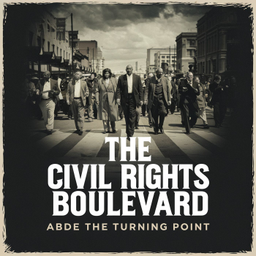
About The Civil Rights Movement
From Rosa Parks to the March on Washington — the history of America's Civil Rights Movement.
- Publisher
- Podra Network
- Category
- history
- Language
- en
- Explicit
- No
- First episode
- 8 Apr 2026
- Latest episode
- 16 Jul 2026
Latest episodes
13 episodes in the feed.
16 Jul 2026
Unfinished Business: The Ongoing Fight for Equality
In this thought-provoking episode of The Civil Rights Movement, host James Hartley examines the ongoing struggle for racial equality in America, exploring how the fight for civil rights extends far beyond the landmark achievements of the 1960s. Discover why legal victories like the Civil Rights Act of 1964 and Voting Rights Act of 1965, while transformative, represented just the beginning of a much longer journey toward true equality. Learn about the persistent challenges that emerged after these legislative wins, including housing discrimination through redlining, educational segregation despite Brown v. Board, and economic disparities that legislation alone couldn't address. The episode explores how new obstacles arose in subsequent decades, from the War on Drugs' disproportionate impact to modern voting rights challenges. Hartley also examines how technology and social media have revolutionized civil rights organizing, while discussing the complex narrative of post-racial America and its limitations. This episode provides essential context for understanding contemporary civil rights movements and why the fight for equality remains an ongoing, evolving struggle. Perfect for history students, educators, and anyone seeking to understand the continuous nature of America's civil rights journey and its relevance to current social justice movements.
9 Jul 2026
Black Power and the Movement's Evolution: From Integration to Self-Determination
In this episode of The Civil Rights Movement, host James Hartley explores the emergence of Black Power in the mid-1960s and its transformative impact on the struggle for racial equality. The episode examines how the movement evolved from integration-focused activism to emphasizing self-determination, cultural pride, and independent institution-building. Key topics include Stokely Carmichael's popularization of the 'Black Power' slogan during the 1966 March Against Fear, the founding and community programs of the Black Panther Party, and the philosophical tensions that emerged within the civil rights coalition. The episode also discusses the cultural renaissance sparked by Black Power, including the 'Black is Beautiful' movement, the establishment of Black Studies programs, and the influence on other minority rights movements. Hartley analyzes how organizations like the NAACP and leaders like Martin Luther King Jr. navigated these changing dynamics, and explores the lasting legacy of Black Power principles in contemporary discussions of racial justice. The episode provides historical context for understanding how social movements evolve and adapt to address limitations revealed through experience, offering insights into both the achievements and ongoing challenges in America's continuing struggle for racial equality.
2 Jul 2026
The Civil Rights Act of 1964: Victory in Congress
Explore the dramatic legislative battle behind the Civil Rights Act of 1964 in this detailed examination of one of America's most important laws. Host James Hartley chronicles the journey from President Kennedy's initial proposal through the longest filibuster in Senate history to President Johnson's historic signing ceremony. Discover how unlikely political alliances, strategic compromises, and relentless advocacy overcame seemingly impossible odds. Learn about key figures like Senate leaders Mike Mansfield and Everett Dirksen, civil rights strategist Clarence Mitchell Jr., and the role of the Leadership Conference on Civil Rights. The episode explores the bill's comprehensive provisions covering public accommodations, employment discrimination, federal funding, and voting rights. Special attention is given to the unexpected inclusion of sex as a protected category and its lasting impact on women's rights. From the 60-day Senate filibuster to the strategic use of 75 pens at the signing ceremony, this episode captures the political drama and historical significance of legislation that fundamentally transformed American society. Perfect for history enthusiasts, students of civil rights, and anyone interested in how landmark legislation becomes law through the complex interplay of grassroots activism and political leadership.
25 Jun 2026
Mississippi Burning: Freedom Summer and Its Price
Explore the pivotal summer of 1964 in Mississippi, when over 1,000 volunteers, mostly young college students, traveled south to register Black voters and establish Freedom Schools. This episode examines the Mississippi Summer Project's ambitious goals, the brutal murders of civil rights workers James Chaney, Andrew Goodman, and Michael Schwerner, and the lasting impact of their sacrifice. Learn about the systematic voter suppression that kept Black Mississippians from the polls, the formation of the Mississippi Freedom Democratic Party, and how the national outrage over the murders helped build momentum for the Voting Rights Act of 1965. We discuss the complex dynamics within the civil rights movement, including tensions between local organizers and outside volunteers, and the calculated decision to bring white students south to attract media attention. The episode also covers the FBI investigation, the discovery of other victims of racial violence during the search, and the limited legal consequences faced by the perpetrators. From the Freedom Schools that provided education in underserved communities to Fannie Lou Hamer's powerful testimony at the Democratic National Convention, Freedom Summer demonstrated both the potential for change and the extreme resistance to civil rights progress. This comprehensive look at one of the civil rights movement's most tragic yet transformative moments reveals how ordinary people challenged systemic injustice despite facing overwhelming danger and violence.
18 Jun 2026
Birmingham and Selma: The Battles That Broke Barriers
Join host James Hartley as he explores two defining moments of the Civil Rights Movement: the Birmingham Campaign of 1963 and the Selma to Montgomery marches of 1965. This episode examines how strategic nonviolent resistance broke down seemingly insurmountable barriers to equality and justice. Discover the deliberate strategy behind choosing Birmingham, America's most segregated city, and learn about the pivotal role of the Children's Crusade in capturing national attention. Explore how Bull Connor's violent response and the powerful imagery of peaceful protesters being attacked shifted public opinion nationwide. The episode also covers the fight for voting rights in Selma, Alabama, where African Americans comprised half the population but only 2% of registered voters. Learn about Bloody Sunday, when peaceful marchers were brutally attacked on the Edmund Pettus Bridge, and how those shocking images catalyzed federal action. From the Birmingham Campaign's success in desegregating public facilities to the Voting Rights Act of 1965 following the Selma marches, this episode reveals how ordinary people's extraordinary courage created lasting change. These campaigns demonstrate the power of strategic nonviolent resistance and organized activism in confronting systemic injustice. Perfect for history enthusiasts, students, and anyone interested in understanding how grassroots movements can transform society through sustained commitment to justice and equality.
11 Jun 2026
The March on Washington: A Dream Declared
Join host James Hartley as he explores the March on Washington for Jobs and Freedom, one of the most significant moments in civil rights history. On August 28, 1963, over 250,000 Americans gathered at the Lincoln Memorial to demand civil rights and economic justice. This episode examines the extensive planning behind the march, led by organizers like A. Philip Randolph and Bayard Rustin, who united diverse civil rights organizations in unprecedented cooperation. Discover the dual focus on both civil rights and economic equality that made this demonstration unique, and learn about the powerful speeches delivered that day, including Dr. Martin Luther King Jr.'s iconic 'I Have a Dream' address. The episode explores the immediate and long-term impact of the march on civil rights legislation, including its role in advancing the Civil Rights Act of 1964. Hartley also discusses the internal tensions within the civil rights movement and how the march established a template for future peaceful protests. Through careful historical analysis, this episode reveals how grassroots organizing, strategic coalition-building, and moral clarity combined to create a pivotal moment that helped reshape American society and advance the cause of racial justice and equality.
4 Jun 2026
Sit-Ins and Freedom Riders: Direct Action Takes Hold
In this compelling episode of The Civil Rights Movement, host James Hartley examines the pivotal direct action campaigns that transformed the struggle for civil rights in America. Beginning with the famous Greensboro sit-ins of February 1960, we explore how four college freshmen sparked a nationwide movement that spread to over fifty cities within weeks. The episode details the formation of the Student Nonviolent Coordinating Committee (SNCC) and the philosophy of nonviolent resistance that guided these young activists. We then turn to the Freedom Rides of 1961, examining how the Congress of Racial Equality organized interstate bus trips to challenge segregated transportation. The episode covers the escalating violence faced by Freedom Riders in Alabama, including the bombing of their bus in Anniston and brutal attacks in Birmingham and Montgomery. Hartley analyzes how these campaigns forced federal intervention, damaged America's international image during the Cold War, and demonstrated the economic power of organized resistance. The episode highlights how television coverage of peaceful protesters being attacked challenged white Americans' assumptions about race while inspiring a generation of civil rights activists. This comprehensive look at sit-ins and Freedom Rides reveals how direct action became the driving force behind social change in the 1960s civil rights movement.
28 May 2026
Little Rock Nine: Courage Under Fire
In this powerful episode of The Civil Rights Movement, host James Hartley examines one of the most pivotal moments in American civil rights history: the integration of Little Rock Central High School in 1957. Discover the remarkable courage of nine African American teenagers who faced violent opposition and federal intervention as they broke down educational segregation barriers. Learn about Elizabeth Eckford's iconic walk, President Eisenhower's deployment of federal troops, and the personal sacrifices made by Minnijean Brown, Ernest Green, and their fellow students. This episode explores how the Little Rock Nine's bravery during the school integration crisis helped transform American society and advance the civil rights movement. We examine the political tensions between state and federal authority, the role of Governor Orval Faubus, and the lasting impact of Brown v. Board of Education. Perfect for history enthusiasts, educators, and anyone interested in understanding the personal stories behind major civil rights milestones. Join us as we honor these young heroes who faced hatred with dignity and helped pave the way for educational equality in America.
21 May 2026
Montgomery Bus Boycott: 381 Days That Shook the South
Join host James Hartley as he explores the Montgomery Bus Boycott, the 381-day protest that began with Rosa Parks' arrest on December 1, 1955, and transformed the American civil rights movement. This episode examines the strategic planning behind the boycott, the emergence of Martin Luther King Jr. as a civil rights leader, and the extraordinary dedication of Montgomery's Black community who walked for over a year to challenge segregation. Learn about the Women's Political Council's preparation, the formation of the Montgomery Improvement Association, and the legal battle that culminated in the Supreme Court's Browder v. Gayle decision. Discover how this sustained campaign of nonviolent resistance created a blueprint for future civil rights actions and demonstrated the power of economic pressure in forcing social change. The episode covers the harassment and violence faced by participants, the community's remarkable organization of carpools and alternative transportation, and the broader impact this successful boycott had on the civil rights movement across the American South. Essential listening for understanding this pivotal moment in American history.
14 May 2026
Brown vs. Board: The Decision That Changed Everything
Join host James Hartley for an in-depth exploration of Brown vs. Board of Education, the landmark 1954 Supreme Court case that declared racial segregation in public schools unconstitutional. This episode examines the legal strategy behind the case, the courage of families like the Browns who challenged the system, and the far-reaching impact of this pivotal decision on American civil rights. Discover how the NAACP's legal team, led by Thurgood Marshall, systematically dismantled the separate but equal doctrine established in Plessy vs. Ferguson. Learn about the groundbreaking social science evidence, including the famous doll test, that proved segregation's psychological harm to children. The episode also covers the massive resistance that followed, including the crisis at Little Rock Central High School. From the five original lawsuits across different states to the ongoing challenges of educational equality today, this comprehensive look at Brown vs. Board reveals both the transformative power and limitations of legal change. Essential listening for anyone interested in civil rights history, educational policy, or the ongoing fight for equality in America. Perfect for students, educators, and history enthusiasts seeking to understand this watershed moment in American jurisprudence.
7 May 2026
Breaking Barriers: Jackie Robinson and the Integration of America's Pastime
In this compelling episode of The Civil Rights Movement, host James Hartley explores the groundbreaking story of Jackie Robinson's integration of Major League Baseball on April 15, 1947. Discover how Robinson broke baseball's color barrier when he joined the Brooklyn Dodgers, facing intense racism and pressure while maintaining extraordinary dignity and skill. Learn about the strategic role of Dodgers general manager Branch Rickey, the talent of the Negro Leagues, and Robinson's journey from the Kansas City Monarchs through the Montreal Royals to baseball immortality. This episode examines Robinson's Rookie of the Year and MVP achievements, his impact on teammates like Pee Wee Reese, and how his success opened doors for future Black players including Larry Doby, Willie Mays, and Hank Aaron. Explore how Robinson's courage preceded major civil rights milestones by nearly a decade, demonstrating integration's possibility in America's pastime. The episode covers Robinson's military service, his principled stand against discrimination, and his lasting legacy including the retirement of number 42 across all MLB teams. Perfect for history enthusiasts, sports fans, and anyone interested in civil rights pioneers who changed American society through athletic excellence and moral courage.
30 Apr 2026
Rising Voices: Early Civil Rights Leaders and the NAACP
Explore the founding of the NAACP and the courageous early civil rights leaders who challenged Jim Crow segregation in 1909 America. This episode examines the pivotal figures including W.E.B. Du Bois, Ida B. Wells-Barnett, James Weldon Johnson, and Moorfield Storey who built the institutional foundation for the modern civil rights movement. Learn how The Crisis magazine became a powerful voice for equality, reaching over 100,000 readers and documenting both racial violence and African American achievements. Discover the strategic approaches these pioneers used, combining legal challenges with grassroots organizing, and how they created a national network despite facing constant threats of violence. The episode covers the Springfield riots of 1908 that sparked national action, the philosophical differences between Du Bois and Booker T. Washington, and the anti-lynching campaigns that raised national awareness. Understanding these foundational years reveals how organized resistance challenged entrenched oppression and established principles that guided decades of civil rights activism. Essential listening for anyone seeking to understand the origins of America's ongoing struggle for racial equality and justice.
8 Apr 2026
The Seeds of Change: From Reconstruction to Jim Crow
Join host James Hartley as he explores the critical period from Reconstruction to Jim Crow, examining how the promise of freedom after the Civil War gave way to systematic segregation. This episode covers the transformative years from 1865-1900, analyzing the Constitutional amendments that promised equality, the brief flourishing of African American political participation during Reconstruction, and the devastating rollback of rights that followed. Learn about key figures like Senators Hiram Revels and Blanche Bruce, civil rights pioneers Ida B. Wells-Barnett, Booker T. Washington, and W.E.B. Du Bois, and how their early resistance efforts laid the groundwork for the modern civil rights movement. Discover how the Compromise of 1877 ended federal protection for freed slaves, the rise of white supremacist groups, and the legal establishment of 'separate but equal' through Plessy v. Ferguson. This comprehensive look at a pivotal era reveals how the seeds of both progress and resistance were planted, shaping the struggle for civil rights that would define the next century. Essential listening for understanding the historical foundations of America's ongoing fight for racial equality and justice.
Contact The Civil Rights Movement
- Guest appearances
- Does not typically book guests
Based on episode analysis; this does not confirm that the show is currently accepting guests.
Host of The Civil Rights Movement?
Claim your podcast to manage its listing and keep your show details accurate.
Pod Engine is an independent podcast discovery and analytics service and is not affiliated with or endorsed by this podcast. Artwork and show content belong to their owners. Full legal notice.
Explore this show
Podcast research with Pod Engine