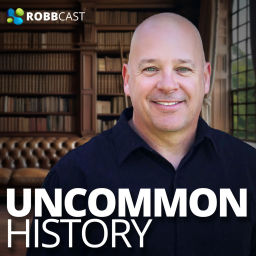
Curious what really happens when the mind steps outside ordinary waking life?
This podcast explores the science, history, and culture of altered states — from psychedelics and plant medicines to meditation, hypnosis, anesthesia, dreaming, sensory deprivation, and everything in between.
We dig into the research without the jargon overload, unpack the stories and traditions that shaped these experiences across cultures and centuries, and talk honestly about what people actually encounter when consciousness shifts. No hype, no lectures — just clear, thoughtful conversations about one of the most fascinating (and least understood) parts of being human.New episodes regularly.
Come along for the ride.
What Actually Happens When You Die? (The Final Minutes)
Examine the physiology of near-death experiences and how the brain reacts when oxygen supply is abruptly cut off.
We explore the critical window of brain function when the heart stops, causing rapid depletion of fuel and oxygen. This analysis investigates the biological mechanisms at play during the moments of clinical death, moving past speculation to look at the high energy demands that sustain our cognitive processes. It is for those interested in the physiological reality of the dying process.
By observing the relationship between cerebral metabolism and the cessation of vital signs, we can better grasp the limits of human consciousness. We break down the clinical sequence of events that occur as neural activity falters, providing a clearer picture of what happens at the boundary of life. This inquiry bridges the gap between medical reality and the subjective accounts often reported during these critical moments.
Subscribe for weekly explorations of the human mind, and comment below on your perspective regarding the nature of the near-death experience.
If you enjoyed this episode, the best way to support the show is to subscribe, leave a rating or review, and share it with someone who might find it interesting. You can find new episodes, links, and more at robbcast.com. Just a quick note: this podcast is for informational and educational purposes only. Nothing here is medical advice, and exploring altered states always comes with real risks and responsibilities. Until next time — stay curious.
6 Oct 2026
Ibogaine: Everything You Need to Know About the Pros and Cons
Opioid withdrawal symptoms may be significantly reduced by a compound derived from a traditional, yet dangerous, root. This substance, a potent rainforest shrub root, has been used in ceremonial contexts for centuries.
We examine the intersection of these botanical compounds and modern medical inquiry to understand how this root interacts with the human body. By analyzing the evidence from recent clinical trials, we look at the potential for therapeutic application and the inherent risks of such a treatment.
This inquiry is for those interested in the relationship between historical plant knowledge and the physiological reality of addiction. We also consider the nature of opioid withdrawal when viewed through the lens of modern pharmacology.
Subscribe for weekly explorations of the human mind, and comment below on your perspective regarding the future of addiction research.
If you enjoyed this episode, the best way to support the show is to subscribe, leave a rating or review, and share it with someone who might find it interesting. You can find new episodes, links, and more at robbcast.com. Just a quick note: this podcast is for informational and educational purposes only. Nothing here is medical advice, and exploring altered states always comes with real risks and responsibilities. Until next time — stay curious.
25 Sept 2026
Where Did You Go? What Really Happens Under Anesthesia?
Examine the mechanics of anesthesia and what happens to the mind when it is rendered unconscious during surgery. We explore the transition between wakefulness and induced sedation.
By observing the sequence of medical procedures from prep to procedure, we consider the architecture of the mind under clinical control. It is for those interested in the intersection of biological science and the subjective experience of being put under.
We break down the clinical reality of anesthesia and how it alters our perception of time and self. By analyzing the patient experience, we can better grasp the cognitive processes that define our internal reality when the body is undergoing a major surgical experience.
This inquiry bridges the gap between physiological monitoring and the loss of human consciousness. Subscribe for weekly explorations of the human mind, and comment below on your perspective regarding the nature of medical sedation.
If you enjoyed this episode, the best way to support the show is to subscribe, leave a rating or review, and share it with someone who might find it interesting. You can find new episodes, links, and more at robbcast.com. Just a quick note: this podcast is for informational and educational purposes only. Nothing here is medical advice, and exploring altered states always comes with real risks and responsibilities. Until next time — stay curious.
Reach and audience
Public platform figures. Ratings count people who left a rating, not total listeners.
Apple Podcasts (US)
5.0 / 5
3 ratings
Spotify
5.0 / 5
1 ratings
Contact Uncommon History
Guest appearances
Books guests
Based on episode analysis; this does not confirm that the show is currently accepting guests.
Host of Uncommon History?
Claim your podcast to manage its listing and keep your show details accurate.
Pod Engine is an independent podcast discovery and analytics service and is not affiliated with or endorsed by this podcast. Artwork and show content belong to their owners. Full legal notice.
Explore this show Podcast research with Pod Engine