- 10
- Episodes
- 2020
- First episode
About 吴先生的读书会之《燕山夜话》
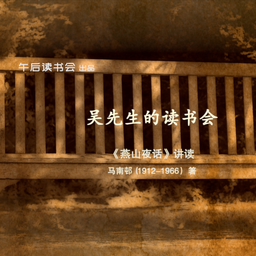
杂文集《燕山夜话》,作者马南邨(1912-1966),本名邓拓。《燕山夜话》为作者自1961年起在《北京晚报》开设的杂文专栏,后汇为五集出版。 “吴先生的读书会”由【午后读书会】制作出品,本专辑选取《燕山夜话》中的十篇文章,以读书会的形式进行讲读,老书新读,欢迎收听。
- Publisher
- 午后读书会
- Category
- history · society & culture
- Language
- zh
- Explicit
- No
- First episode
- 13 Apr 2020
- Latest episode
- 14 Apr 2020
Latest episodes
10 episodes in the feed.
14 Apr 2020
用耳读书:《杨大眼的耳读法》—吴先生的读书会之《燕山夜话》
杂文集《燕山夜话》,作者马南邨(1912-1966),本名邓拓。《燕山夜话》为作者自1961年起在《北京晚报》开设的杂文专栏,后汇为五集出版。 “吴先生的读书会”由【午后读书会】制作出品,本系列选取《燕山夜话》中的十篇文章,以读书会的形式进行讲读,老书新读,欢迎收听。 《杨大眼的耳读法》 马南邨 读书能用耳朵来代替眼睛吗?一般说来,这是不可能的;但是在特殊的情况下,这不只是可能的,而且是必需的。 谁发明用耳朵读书的方法呢?要详细做考证就很麻烦。在这里,我想举出杨大眼,把他作为用耳朵读书的人们的代表。 杨大眼是中国古代的一位将军,生当公元五世纪末和六世纪初。那时候正是南北朝时期,这个北魏的骁将屡战屡捷,威名大震。《魏书》卷七十三及《北史》卷三十七都为他立传。据《北史》载称:“大眼虽不学,恒遗人读书而坐听之、悉皆记识。今作露布,皆口授之,而竟不多识字也。”看来这个人的本领真不小。自己认不得多少字,论文化程度还不曾脱离文盲状态,却能听懂别人读的书,又能口授一通布告的文字,这不是很奇怪吗? 其实这并不太困难。如果所读的书是自己比较熟悉的内容,例如在军队中常见的兵书、战报、命令、文告等等,念起来大概一般军人都容易听得懂。假若读的是自己平素完全生疏的内容,那大概就很难听懂。 但是,杨大眼的这种读书方法,对于一个识字不多而工作上又迫切需要阅读很多文件的人,我想是有实际效果的。这种读书的方法,主要是依靠用耳朵听别人读书,所以这种读书方法可以叫做“耳读”法。它是很有用的一种读书方法。 把这种读书方法叫做耳读法,还有一个理由,就是要区别于所谓“听读”。晋代王嘉的《拾遗记》中也有一个故事说:“贾逵年六岁,其姊闻邻家读书,日抱逵就篱听之。逵年十岁,乃诵读六经。父曰:我未尝教汝,安得三坟五典诵之乎?曰:姊尝抱予就篱听读,因记得而诵之。”这种听读和前面说的耳读不同。因为听读只是随声诵读,并不一定懂得;而耳读是真正懂得所读的内容。所以说值得重视的是耳读而不是听读。 耳读的方法对于老年不能看书的人,同样也很适用。宋代楼璹的《醉翁窈事》一书记载了另一个故事:“孙莘老喜读书,晚年病目,乃择卒伍中识字稍解事者二人,授以句读,每暝目危坐室中,命二人更读于旁。”虽然这是因为眼睛有病不能看书才用耳读的方法,但是,我们无妨以此类推,设想到其他的人也许由于种种原因,以致自己不能看书,就都可以采用这种耳读的方法。 事实上,我们知道现代的许多大政治家,往往要在很短的时间内,阅读和处理一大批书报和文件等等。他们既没有三头六臂,于是对一般的资料和文件,就只好由若干秘书人员分别帮助阅读和处理,而把最重要的字句念一两遍,如此看来,杨大眼的耳读法倒并不是落后的方法啊!
14 Apr 2020
《“推事”种种》—吴先生的读书会之《燕山夜话》
杂文集《燕山夜话》,作者马南邨(1912-1966),本名邓拓。《燕山夜话》为作者自1961年起在《北京晚报》开设的杂文专栏,后汇为五集出版。 “吴先生的读书会”由【午后读书会】制作出品,本系列选取《燕山夜话》中的十篇文章,以读书会的形式进行讲读,老书新读,欢迎收听。 《“推事”种种》 马南邨 古代审判案件的官员叫做“推事”,这个职务相当于现在法院的审判员。我们人民的法院现在已经没有“推事”了。这是正确的。因为顾名思义,推事当然不如不推事的好。所以,我们不但不需要“推事”这个职务名称,而且还要扫除“推事”的一切遗风余毒。 “推事”在古代,远不只是寻常的小官职,而是很高的官职。比如宋代的封建政府,设有最高的法院,叫做“大理寺”。所有重大的案件都必须交由“大理寺”审判。在“大理寺”中直接审判各种案件的大官,便是“左推事”和“右推事”。可见这个官职在过去多么重要了。 一直到解放以前,以旧中国,推事居然成了一个制度,名目繁多,有什么监督推事、代理推事、署理推事、受命推事、受托推事、首席推事、陪席推事、独任推事、合议推事、学习推事、候补推事等等。光从推事的这许多名目上,就可以看出当时的官僚制度庞大、臃肿、腐败、落后到何等惊人的地步。 本来,推事之“推”包含有推求、推举、推进的意思。但是,它同时又包含有推却、推让、推托、推移的意思。而且,通常这个字更多地被使用在后一类的意义上。因此,一提到推事,人们就会以为是把事情推出去不管。这样,推事越多,事情就越发没有人管,彼此左推右推,谁也不肯负责,岂不糟糕! 特别是在社会分工方面,如果有不合理的地方,那末,推事的人就一定会多起来。他们可以用种种借口,真个是左推事,右推事,力图推卸自己应负的责任。这类事例,实在多得很。大家比较熟悉的明代江盈科的《雪涛小说》中有一段记载,十足地证明了古时推事遗风的为害。请看这一段文字吧! “有医者称善外科。一裨将阵回,中流矢,深入膜内,延使治。乃持并州剪,剪去矢管,跪而请谢。裨将曰:镞在膜内者,须急治。医曰:此内科事,不意并责我。” 不看这段文字的,还不了解古代的人意然有这样严格的分工观念!受箭伤的明明属于外科的范围,而这位外科医生只把箭杆切掉,就算完事;至于箭头深入皮肉之内,则属于内科的范围,似乎与他毫无关系了。这虽然是笑话,但是,说这个笑话的人却表现了一种严肃的批评精神。 显然,这种推事之风,在私有财产制度没有彻底消灭以前,大概是不可能完全绝迹的,正如旧社会的其他坏思想,坏习惯的残余不可能一下子被扫除干净一样。由于私有财产制度的影响,个人主义到处都有滋生的可能。推事之风也不过是个人主义的一种表现形态而已。一切对自己不利的,一切非自己所愿意的,一律不管,这就是极端个人主义者的中心思想。甚至于遇到危险,有的人会象鸵鸟一样,只要把头藏起来就觉得很安稳了,即便身子露在外面似乎也没有什么关系。这不也是极端个人主义思想的一种变态吗? 这里应该提到江盈科说的另外一个故事,可算得是这种思想的又一表现。他说: “盖闻里中有病脚疮者,痛不可忍。谓家人曰:尔为我凿壁为穴。穴成,伸脚穴中,入邻家尺许。家人曰:此何意?答曰:凭他去邻家,痛无与我事。” 用推事的观点看来,这位脚上长疮的人,把脚伸到邻家,当然他的脚痛也就被推出去了,于是,他自己在精神上无疑地可以得到了安慰。然而,这样自欺欺人的把戏又有谁相信呢? 我们现在提倡的是大胆负责的精神,在我们看来,推事之风决不可长。如果在什么地方发现有这种遗风余毒,就一定要把它扫除干净。
14 Apr 2020
《事事关心》-吴先生的读书会之《燕山夜话》
杂文集《燕山夜话》,作者马南邨(1912-1966),本名邓拓。《燕山夜话》为作者自1961年起在《北京晚报》开设的杂文专栏,后汇为五集出版。 “吴先生的读书会”由【午后读书会】制作出品,本系列选取《燕山夜话》中的十篇文章,以读书会的形式进行讲读,老书新读,欢迎收听。 《事事关心》 马南邨 “风声、雨声、读书声,声声入耳; 家事、国事、天下事,事事关心。” 这是明代东林党首领顾宪成撰写的一副对联。时间已经过去了三百六十多年,到现在,当人们走进江苏无锡“东林书院”旧址的时候,还可以寻见这副对联的遗迹。为什么忽然想起这副对联呢?因为有几位朋友在谈话中,认为古人读书似乎都没有什么政治目的,都是为读书而读书,都是读死书的。为了证明这种认识不合事实,才提起了这副对联。而且,这副对联知道的人很少,颇有介绍的必要。 上联的意思是讲书院的环境便于人们专心读书。这十一个字很生动描写了自然界的风雨声和人们的读书声交织在一起的情景,令人仿佛置身于当年的东林书院中,耳朵里好像真的听见了一片朗诵和讲学的声音,与天籁齐鸣。 下联的意思是讲在书院中读书的人都要关心政治。 这十一个字充分地表明了当时的东林党人在政治上的抱负。他们主张不能只关心自己的家事,还要关心国家的大事和全世界的事情。那个时候的人已经知道天下不只是一个中国,还有许多别的国家。所以,他们把天下事与国事并提,可见这是指的世界大事,而不限于本国的事情了。 把上下联贯患起来看,它的意思更加明显,就是说一面要致力读书,一面要关心政治,两方面要紧密结合。而且,上联的风声、雨声也可以理解为语带双关,即兼指自然界的风雨和政治上的风雨而言。因此,这副对联的意义实在是相当深长的。 从我们现在的眼光看上去,东林党人读书和讲学,显然有他们的政治目的。尽管由于历史条件的限制,他们当时还是站在封建阶级的立场上,为维护封建制度而进行政治斗争。但是,他们比起那一班读死书的和追求功名利禄的人,总算进步得多了。 当然,以顾宪成和高攀龙等人为代表的东林党人,当时只知道用“君子”和“小人”去区别政治上的正邪两派。顾宪成说:“当京官不忠心事主,当地方官不留心民生,隐居乡里不讲求正义,不配称君子。”在顾宪成死后,高攀龙接着主持东林讲席,也是继续以“君子”与“小人”去品评当时的人物,议论万历、天启年间的时政。他们的思想,从根本上说,并没有超出宋儒理学,特别是程、朱学说的范围,这也是可以理解的。因为顾宪成讲学的东林书院,本来是宋儒杨龟山创立的书院。杨龟山是程源、程颐两兄弟的门徒,是“二程之学”的正宗嫡传。朱熹等人则是杨龟山的弟子。顾宪成重修东林书院的时候,很清楚地宣布,他是讲程朱学说的,也就是继承杨龟山的衣钵的。人们如果要想从他的身上,打到反封建的革命因素,那恐怕是不可能的。 我们决不需要恢复所谓东林遗风,就让它永远成为古老的历史陈迹去吧。我们只要懂得努力读书和关心政治,这两方面紧密结合的道理就够了。 片面地只强调读书,而不关心政治;或者片面地只强调政治,而不努力读书,都是极端错误的。不读书而空谈政治的人,只是空头的政治家,决不是真正的政治家。真正的政治家没有不努力读书的。完全不读书的政治家是不可思议的。同样,不问政治而死读书本的人,那是无用的书呆子,决不是真正有学问的学者。真正有学问的学者决不能不关心政治。完全不懂政治的学者,无论如何他的学问是不完全的。就这一点说来,所谓“事事关心”实际上也包含着对一切知识都要努力学习的意思在内。 既要努力读书,又要关心政治,这是愈来愈明白的道理。古人尚且知道这种道理,宣扬这种道理,难道我们还不如古人,还不懂得这种道理吗?无论如何,我们应该比古人懂得更充分,更深刻,更透彻!
14 Apr 2020
《谈“养生学”》-吴先生的读书会之《燕山夜话》
杂文集《燕山夜话》,作者马南邨(1912-1966),本名邓拓。《燕山夜话》为作者自1961年起在《北京晚报》开设的杂文专栏,后汇为五集出版。 “吴先生的读书会”由【午后读书会】制作出品,本系列选取《燕山夜话》中的十篇文章,以读书会的形式进行讲读,老书新读,欢迎收听。 《谈“养生学”》 马南邨 前些天,首都医学界的一部分人,在白云观开了一个很别致的学术讨论会,研究元代丘处机的养生学。这件事情引起了许多人的注意。 丘处机是宋元两代之间的道士,登州栖霞人,后居莱州,自号长春子。元太祖成吉思汗听说他懂得养生修炼的法子,特派札八儿、刘仲禄两个使者去请他。丘处机率领十八名徒弟,走了一万多里路,到达雪山,朝见成吉思汗于西征的营帐中。 他们当时谈话的主要内容,据《元史》中的《释老传》、明代陶宗仪的《辍耕录》等所载,大概是这样的: “处机每言,欲一天下者,必在乎不嗜杀人。及问为治之方,则对以敬天爱民为本。问长生久视之道,则告以清心寡欲为要。” 看来所谓养生学的纲领,恐怕就在于清心寡欲这四个字。 讲养生之道倒也罢了,成吉思汗却又下诏:“赐丘处机神仙号,爵大宗师,掌管天下道教。”这样一来,养生学却披上了宗教的色彩,反而逐渐失去了养生学的真义。以致后人只知有道教,而不知有养生学。丘处机自己也成了道教的一个首领,而不是什么养生学家。 在道教中,丘处机当然是很有势力的一个宗派。据明代都印的《三余赘笔》记载:“道家有南北二宗。其南宗者谓自东华少阳君,得老聃之道……其北宗者谓吕岩授金王嘉,嘉授七弟子,其一丘处机……。”显然,过去人们都只晓得丘处机是道教中的一个教派,有谁去理会他讲的什么养生学呢? 其实,要讲养生学,光是清心寡欲恐怕还不够,应该有更好的方法才是。 什么是更好的方法呢?是不是要修炼成仙呢?回答决不是这样。修炼成仙本是道家的想法,丘处机的教派也未尝没有这种想法。但其结果总不免事与愿违。 比较起来,我觉得儒家主张“以自然之道,养自然之生”似乎更好一些。儒家的这种主张与道家修仙的说法,应该看到是有原则区别的。 早在宋代,欧阳修就曾因为不满于当时一般道士对养生学的曲解,特地把魏晋间道士养生之书——《黄庭经》做了一番删正,并且写了一篇《删正黄庭经序》。在这篇序里,他一开头就反对修仙之说。他写道: “无仙子者,不知为何人也,无姓名,无爵里,世莫得而名之。其自号为无仙子者,以警世人之学仙者也。” 接着,他阐述一种道理,就是说: “自古有道无仙,而后世之人,知有道而不得其道;不知无仙而妄学仙。此我之所哀也。道者,自然之道也。生而必死,亦自然之理也。以自然之道,养自然之生,不自戕贼夭阏,而尽其天年,此自古圣智之所同也。” 欧阳修还举了实际例子以证明他的论点。虽然他举的例子中有的并非事实,但是,我们无妨用更多的实例去代替它,不能因为他以传说为事实就否定他的全部看法。他举例说:“禹走天下,乘四载,治百川,可谓劳其形矣,而寿百年。颜子萧然卧于陋巷,箪食瓢饮,外不诱于物,内不动于心,可谓至乐矣,而年不及三十。斯二人者,皆古之仁人也。劳其形者长年,安其乐者短命。……此所谓以自然之道,养自然之生。” 这一段议论很好。如果用别的事实代替大禹的例子,就更好。我们实际上可以举出无数事例,来证明欧阳修的论点。有许多劳动人民,如山区的老农,长期从事田野劳动,年纪很大,身体与青年人一样健康。不久以前,报纸消息说,苏联有许多百岁以上的老人,也都是勤劳的农民。这些都是有力的证据。 因此,讲养生学的人,在研究丘处机的同时,我想无妨把研究的范围更加扩大一些,多多地收集元代以前和以后各个时期、各派和各家有关养生的学说,加以全面的研究。这样做,收获可能更大。
14 Apr 2020
《不求甚解》-吴先生的读书会之《燕山夜话》
杂文集《燕山夜话》,作者马南邨(1912-1966),本名邓拓。《燕山夜话》为作者自1961年起在《北京晚报》开设的杂文专栏,后汇为五集出版。 “吴先生的读书会”由【午后读书会】制作出品,本系列选取《燕山夜话》中的十篇文章,以读书会的形式进行讲读,老书新读,欢迎收听。 一般人常常以为,对任何问题不求甚解都是不好的。其实也不尽然。我们虽然不必提倡不求甚解的态度,但是,盲目地反对不求甚解的态度同样没有充分的理由。 不求甚解这句话最早是陶渊明说的。他在《五柳先生传》这篇短文中写道:“好读书,不求甚解;每有会意,便欣然忘食。”人们往往只抓住他说的前一句话,而丢了他说的后一句话,因此,就对陶渊明的读书态度很不满意,这是何苦来呢?他说的前后两句话紧紧相连,交互阐明,意思非常清楚。这是古人读书的正确态度,我们应该虚心学习,完全不应该对他滥加粗暴的不讲道理的非议。 应该承认,好读书这个习惯的养成是很重要的。如果根本不读书或者不喜欢读书,那末,无论说什么求甚解或不求甚解就都毫无意义了。因为不读书就不了解什么知识,不喜欢读也就不能用心去了解书中的道理。一定要好读书,这才有起码的发言权。真正把书读进去了,越读越有兴趣,自然就会慢慢了解书中的道理。一下子想完全读懂所有的书,特别是完全读懂重要的经典著作,那除了狂妄自大的人以外,谁也不敢这样自信。而读书的要诀,全在于会意。对于这一点,陶渊明尤其有独到的见解。所以,他每每遇到真正会意的时候,就高兴得连饭都忘记吃了。 这样说来,陶渊明主张读书要会意,而真正的会意又很不容易,所以只好说不求甚解了。可见这不求甚解四字的含义,有两层:一是表示虚心,目的在于劝戒学者不要骄傲自负,以为什么书一读就懂,实际上不一定真正体会得了书中的真意,还是老老实实承认自己只是不求甚解为好。二是说明读书的方法,不要固执一点,咬文嚼字,而要前后贯通,了解大意。这两层意思都很重要,值得我们好好体会。 列宁就曾经多次批评普列汉诺夫,说他自以为熟读马克思的著作,而实际上对马克思的著作却做了许多曲解。我们今天对于马克思列宁主义的经典著作,也应该抱虚心的态度,切不可以为都读得懂,其实不懂的地方还多得很哩!要想把经典著作读透,懂得其中的真理,并且正确地用来指导我们的工作,还必须不断努力学习。要学习得好,就不能死读,而必须活读,就是说,不能只记住经典著作的一些字句,而必须理解经典著作的精神实质。 在这一方面,古人的确有许多成功的经验。诸葛亮就是这样读书的。据王粲的《英雄记钞》说,诸葛亮与徐庶、石广元、孟公威等人一道游学读书,“三人务于精熟,而亮独观其大略”。看来诸葛亮比徐庶等人确实要高明得多,因为观其大略的人,往往知识更广泛,了解问题更全面。 当然,这也不是说,读书可以马马虎虎,很不认真。绝对不应该这样。观其大略同样需要认真读书,只是不死抠一字一句,不因小失大,不为某一局部而放弃了整体。 宋代理学家陆象山的语录中说:“读书且平平读,未晓处且放过,不必太滞。”这也是不因小失大的意思。所谓未晓处且放过,与不求甚解的提法很相似。放过是暂时的,最后仍然会了解它的意思。 经验证明,有许多书看一遍两遍还不懂得,读三遍四遍就懂得了;或者一本书读了前面有许多不懂的地方,读到后面才豁然贯通;有的书昨天看不懂,过些日子再看才懂得;也有的似乎已经看懂了,其实不大懂,后来有了一些实际知识,才真正懂得它的意思。因此,重要的书必须常常反复阅读,每读一次都会觉得开卷有益。
14 Apr 2020
《三分诗七分读》-吴先生的读书会之《燕山夜话》
杂文集《燕山夜话》,作者马南邨(1912-1966),本名邓拓。《燕山夜话》为作者自1961年起在《北京晚报》开设的杂文专栏,后汇为五集出版。 “吴先生的读书会”由【午后读书会】制作出品,本系列选取《燕山夜话》中的十篇文章,以读书会的形式进行讲读,老书新读,欢迎收听。 一首诗的好坏能不能评出分数来呢?许多人问过这个问题,都没有得到明确的答案。然而,这个问题是可以解答的,也应该加以解答。 以前苏东坡曾经解答过这个问题。据宋代周密的《齐东野语》载称: “昔有以诗投东坡者,朗诵之,而请曰:此诗有分数否?坡曰:十分。其人大喜。坡徐曰:“三分诗七分读耳。” 这几句对话很有意思。看来那个人写的诗很不好,所以要靠朗诵的声调,去影响别人的视听,掩盖诗句本身的缺陷。苏东坡却以幽默的含蓄的评语,当面揭了他的底子。 我们现在谈这个问题,应该从苏东坡的评语中得到什么启发呢?我觉得苏东坡的这个评语,似乎仍然适用于现在的某些诗词作品。 先说新诗吧。我们不是常常见到有一些新诗,几乎全凭朗诵的声调以取胜吗?那些诗本身有的内容十分贫乏,没有什么感情,诗的意境非常浅薄,字句也未经过锤炼有的简直是把本来就不大好的散文,一句一句地拆开来写,排列成新诗的形式,读起来实在乏味。可是,你如果拿着这样的诗,去请一位高明的演员或播音员,把它朗诵一遍,最好再带上一些表情,那就很可能还会博得一部分听众的掌声。可惜现在没有苏东坡对这种现象当面给以批评。 这里必须说明,我近年来还是读到了许多好的新诗,象上边说的很不好的新诗当然不占重要地位。而且,苏东坡的评语本来是针对着中国的旧体诗来说的,他无法预见我们的诗是什么样子,所以,我也还应该更多地从旧体诗词方面来观察这个问题。 那末,我们现在的旧体诗词水平如何呢?除了几位领导同志的作品以外,一般说来情况也很不妙。最突出的现象是有些人的旧体诗词往往不合格律。这就很成问题。而且,诗意也往往是很浅薄的。这就越发成问题了。按照苏东坡的评语,如果没有什么诗意,就连三分诗也不象了;再加上不合格律,当然很难读上口,那就连七分读都不可能了。这正如宋代的黄庭坚读王观复的诗,读不顺口,叹气说:“诗生硬,不谐律吕,此病自是读书未精博耳。”由此可见旧诗词是很讲究格律的。 也许有人认为旧诗词的格律,对思想的束缚太厉害了,必须打破它,创造符合于我们现代要求的新格律。这个主张我不反对,并且我同样主张要建立新的格律诗。但是,要不是建立新的格律,如何建立它,这是另外的问题。现在既然还没有新格律,而你又喜欢写旧诗词,在这样的情况下,我看还是老老实实按照旧格律比较好。因为旧格律毕竟有了长期的历史,经过了许多发展变化,成了定型。这在一方面固然说明它已经凝固起来了,变成了死框框,终究要否定它自己。而在另一方面,它又证明作为一种格律本身,在一定的程度上的确反映了人在咏叹抒情的时候声调变化的自然规律。你不按照这种规律,写的诗词就读不顺口。这总是事实吧! 当然,我这样说,并非企图充当旧格律的保护者;更不打算说服别人勉强都来接受旧格律。不是这样。我认为谁都可以自由地创造新的格律,但是,你最好不要采用旧的律诗、绝句和各种词牌。例如,你用了《满江红》的词牌,而又不是按照它的格律,那末,最好就另外起一个词牌的名字,如《满江黑》或其他,以便与《满江红》相区别。
14 Apr 2020
《多学少评》-吴先生的读书会之《燕山夜话》
杂文集《燕山夜话》,作者马南邨(1912-1966),本名邓拓。《燕山夜话》为作者自1961年起在《北京晚报》开设的杂文专栏,后汇为五集出版。 “吴先生的读书会”由【午后读书会】制作出品,本系列选取《燕山夜话》中的十篇文章,以读书会的形式进行讲读,老书新读,欢迎收听。 多学少评,这是值得提倡的正确的求知态度。我们对于任何事物,如果不了解它们的情况,缺乏具体知识,首先要抱虚心的态度,认真学习,切不可冒冒失失,评长论短,以致发生错误,闹出笑话,或者造成损失。这也是我国历代学者留给我们的一条重要的治学和办事的经验。谁要是无视这条宝贵的经验,就一定会吃大亏。 一般说来,实际动手写一部书、做一件事等等,是相当不易的;而袖手旁观,评长论短,总是不大费劲的。比如,古人写一部书吧,往往尽一生的精力,还不能完全满意。却有一班喜欢挑剔的人,动辄加以讥评,使作者十分寒心。明代刘元卿的《贤奕编》中曾经举过一个例子,最足以说明这个问题了。 据说:“刘壮舆常摘欧阳公五代史之讹误,为纠缪,以示东坡。东坡曰:往岁欧阳公著此书初成,王荆公谓余曰:欧阳公修五代史,而不修三国志,非也;子盍为之!余固辞不敢当。夫为史者,网罗数十百年之事,以成一书,其间岂能无小得失?余所以不敢当荆公之托者,正畏如公之徒掇拾其耳后。这个故事在明代陈继儒的《读书镜》中,有同样的记载。陈继儒并且感慨很深地说:“余闻之师云:未读尽天下书,不敢轻议古人。然余谓:真能读尽天下书,益知古人不可轻议。” 事实上,欧阳修的《新五代史》比薛居正的《旧五代史》,篇幅少了一半还不止,而内容却有许多独到之处。这是不可抹杀的。然而,历来挑剔是非的人多得很,而且有许多不能使被挑剔者心服,这是为什么呢?这难道不是因为有许多人学问不深而性好挑剔,评长论短而不中肯要的缘故吗? 尽管有的人自以为知己知彼,很有把握,对于自己的学问觉得满不错,对于被批评的人从来看不在眼里。但是,他可能还没有想以,自己毕竟不是无所不知的,而对方也不会是老不进步的。因此,他在批评中稍一冒失就发生了错误。比如,宋代陆游的《老学庵笔记》中,提到王安石对人的批评,常常因为轻视对方,出语冒失,就是明显的例子。 陆游写道:“荆公素轻沈文通,以为寡学,故赠之诗曰:翛然一榻枕书卧,直到日斜骑马归。及作文通墓志,遂云:公虽不尝读书。或规之曰:渠乃状元,此语得无过乎?乃改读书作视书。又尝见郑毅夫梦仙诗曰:授我碧简书,奇篆蟠丹砂;读之不可识,翻身凌紫霞。大笑曰:此人不识字,不勘自承。毅夫曰:不然!吾乃用太白诗语也。”可见王安石自己并不熟识李太白的诗句,轻率地批评别人,就不免闹笑话。他看不起别人,竟至随便给别人乱作盖棺定论,真真岂有此理! 王安石是宋代革新派的大政治家。他有许多革新的思想,但是缺少实际知识和办事的经验。宋代张耒的《明道杂志》说:“王荆公为相,大讲天下水利。时至有愿干太湖,云可得良田数万顷。人皆笑之。荆公因与客话及之,时刘贡父学士在坐,遽对曰:此易为也。荆公曰:何也?贡父曰:但旁别开一太湖纳水则成矣。公大笑。”在王安石当政时期,类似这样的笑话还有不少。这些无非证明,王安石有许多想法是不切实际的。特别是他很不虚心,这一点可以说是他的大毛病。 我们从古人的经验中,必须懂得一个道理,这就是:对一切事物,要多学习,少批评,保持虚心的态度。当然,这里所谓多和少,只是从相对意义上说,不应该把它绝对化起来。但是,对于我们说来,任何时候都应该更多地学习马列主义理论,并且虚心地向群众学习,在实践中学习。至于对错误的以反动的东西必须进行坚决的斗争,那已经超出我们所说的问题的范围,又当别论了。 但是,我们如果遇到不懂的事情,总要老老实实承认自己无知;发现自己有错误,就不要怕公开承认自己的错误。明代陈继儒的《见闻录》说过一个故事:“徐文贞督学浙中,有秀才结题内用颜苦孔之卓语,徐公批云:杜撰。后散卷时,秀才前对曰:此句出扬子云法言上。公即于堂上应声云:本道不幸科第早,未曾读得书。遂揖秀才云:承教了。众情大服。”果然,打开《扬子法言》的第一篇,即《学行篇》,读到末了,就有“颜苦孔之卓也”的一句。这位督学当场认错,并没有丢了自己的面子,反而使众情大服,这不是后人很好的榜样吗?
14 Apr 2020
《书画同源的一例》-吴先生的读书会之《燕山夜话》
杂文集《燕山夜话》,作者马南邨(1912-1966),本名邓拓。《燕山夜话》为作者自1961年起在《北京晚报》开设的杂文专栏,后汇为五集出版。 “吴先生的读书会”由【午后读书会】制作出品,本系列选取《燕山夜话》中的十篇文章,以读书会的形式进行讲读,老书新读,欢迎收听。 我国古代有许多书画家,都承认“书画同源”之说。最早发现这个道理的是谁?有人说是元代大画家兼书法家赵孟俯,证据是现在北京故宫博物院陈列着赵孟俯的一幅画卷,上面有他本人的题跋,其中有这个说法。其实在元代以前,早有这种议论,不过到元明以后才盛行此说。 这个道理对于我们中国人来说是完全正确的。因为中国的书画不同于西洋各国。西洋的水彩画和油画等,显然与西洋各民族的文字没有很多共同之点;而中国传统的绘画和书法,却有很相同之处,甚至于写中国字和画中国画,在用笔的方法上,简直如出一辙。 如果要列出举书画同源的例子,我们可以写成许多文章,还未必能够包括无遗。我生平看到的最值得注意的例子,只有两个。一个是宋代的苏东坡,另一个是明代的黄梨洲。东坡的例子将来有机会要详细谈论,现在只把黄梨洲的例子拿来谈谈。 人们都知道,黄梨洲是明末清初的一位大思想家,有许多人还读过他的《明夷待访录》等著作。但是,大概谁也不会想到黄梨洲还会画画。实际上,这证明有许多人对于这位大学者的才能,还是估计不足的。他怎么不会画画呢?他有广博的学问,著作很多,当然能写一手好字,懂得用笔、用墨的许多方法。当他见到客观的某些事物,特别引起他的注意,兴之所至,用笔墨把它们的形象勾划下来,这不就是一幅画吗?这比他写诗、写文章有时更不困难,他又为什么不可以偶尔做这种笔墨的游戏呢? 我很幸运地有机会看到黄梨洲的一幅画。那是他在清代康熙年间为老友祝寿而作的。画面上有大块的太湖石,周围有翠竹数丛,构成了这幅画的前景。在竹石的背后,耸立着苍松古柏,两株巨干、交错而上,构成了全画的主体。画的右上角空白处有“岁寒坚贞”四大字,另一行小字写道:“甲子寅春,吴中佩老兄丈年八窔矣,为作此图,以晋大齐之颂,兼致数月来惜别之怀。”下款书:“弟黄宗羲。”字迹一看就是黄宗羲亲笔所写。款字下边打着一颗他常用的方形朱文大印,与一般书画家印章的形式迥然不同。这就证明,他是一个著作家,平素不画画,偶然画成一幅,仍不脱著作家的面目。这从他的用笔方法上充分地表现了出来。 在这幅画面上,黄梨洲完全以写字的笔法作画。他勾勒树干、树皮、石头的轮廓等几乎都用草书飞白的笔法,画竹枝、松针和小草等则兼用篆书和行楷的笔法,有一些皴法和渲染之处稍稍变换着使用干笔和湿笔,而就整幅画用来说,用墨大部分是半干半湿的,表现出特别和谐的色调,首尾贯通一气。所谓书画同源的道理,从这幅画面上看得非常清楚。 但是,我们还不应该仅仅从作者使用笔墨的方法上去理解书画同源的道理。如果光是这样看问题,认识还只能停留在表面上。我们应该进一步从作者的思想倾向和学术修养方面,去认识作者在从事创作的时候和表现在作品中的思想内容。 那末,要进一步认识黄梨洲的这一幅画,我们就不能不了解黄梨洲的生平。黄梨洲是余姚人,名宗羲,字太冲,生于明代万历三十八年,即公元一六一○年。他的父亲是明代有名的学者黄尊素。尊素字真长,万历进士,天启年间当了御史,得罪了宦官魏忠贤那一伙人,被逮捕拷打致死。与黄尊素同时死难的还有杨涟、左光斗等十几个人。杀害他们的刽子手是魏忠贤的走狗许显纯。黄梨洲为了替他的父亲和同时死难的人们报仇,上书控诉魏忠贤阉党的罪状,并且自己在身上暗藏了一把长锥,要去刺杀许显纯。当时正好明代崇祯皇帝登极,将魏忠贤和许显纯等处死,对黄梨颇洲颇加赞扬,称之为“忠义孤儿”,并且让他回家奉养老母,努力治学,继续与阉党作斗争。不久清兵入关,明鲁王以黄梨洲为左佥都御史。他跟随鲁王失败以后,又回到故乡余姚,致力于著作。康熙年间有人荐他参修明史、举博学鸿词,他都拒绝了。到康熙三十四年,即公元一六九五年,他以八十六岁的高龄,与世长辞。 这幅画作于甲子,推算起来,恰恰是康熙二十三年,即公元一六八四年。当时黄梨洲七十四岁,正是他努力著作的年代。以他的生平遭遇和思想怀抱,画出“岁寒坚贞”的画面,乃是理所当然。这样的作品在风格上,和它的作者在性格上,简直完全融化在一起了。所谓书画同源应该以此为典型,因为这无论从艺术形式或者思想内容方面,都是真正同一的东西。
14 Apr 2020
《一个鸡蛋的家当》-吴先生的读书会之《燕山夜话》
杂文集《燕山夜话》,作者马南邨(1912-1966),本名邓拓。《燕山夜话》为作者自1961年起在《北京晚报》开设的杂文专栏,后汇为五集出版。 “吴先生的读书会”由【午后读书会】制作出品,本系列选取《燕山夜话》中的十篇文章,以读书会的形式进行讲读,老书新读,欢迎收听。 说起家当,人们总以为这是相当数量的财富。家当的“当”字,本来应该写成“帑”字。帑是货币贮藏的意思,读音如“荡”字,北方人读成“当”字的同音,所以口语变成了“家当”。 我们平常说某人有了家当,就是承认他有许多家财,却不会相信一个鸡蛋能算得了什么家当!然而,庄子早就讲过有“见卵求富”的人,因此,我们对于一个鸡蛋的家当,也不应该小看它。 的确,任何巨大的财富,在最初积累的时候,往往是由一个很小的数量开始的。这正如集腋可以成裘、涓滴可以成江河的道理一样。但是,这并不是说,无论在什么情况下,你只要有了一个鸡蛋,就等于有了一份家当。事情决不可能这样简单和容易。 明代万历年间,有一位小说家,名叫江盈科。他编写了一部《雪涛小说》,其中有一个故事说:“一市人,贫甚,朝不谋夕。偶一日,拾得一鸡卵,喜而告其妻曰:我有家当矣。妻问安在?持卵示之,曰:此时,然须十年,家当乃就。因与妻计曰:我持此卵,借领人伏鸡乳之,待彼雏成,就中取一雌者,归而生卵,一月可得十五鸡。两年之内,鸡又生鸡,可得鸡三百,堪易十金。我以十金易五牸,牸复生牸,三年可得二十五牛。牸所生者,又复生牸,三年可得百五十牛,堪易三百金矣。吾持此金以举债,三年间,半千金可得也。” 这个故事的后半还有许多情节,没有多大意义,可以不必讲它。不过有一点还应该提到,就是这个财迷后来说,他还打算娶一个小老婆。这下子引起了他的老婆“怫然大怒,以手击鸡卵,碎之”。地是这一个鸡蛋的家当就全部毁掉了。 你看这个故事不是可以说明许多问题吗?这个财迷也知道,家当的积累是需要不少时间的。因此,他同老婆计算要有十年才能挣到这份家当。这似乎也合于情理。但是,他的计划简直没有任何可靠的根据,而完全是出于一种假设,每一个步骤都以前一个假设的结果为前提。对于十年以后的事情,他统统用空想代替了现实,充分显出了财迷的本色,以致激起老婆生气,一拳头就把他的家当打得精光。更重要的是,他的财富积累计划根本不是从生产出发,而是以巧取豪夺的手段去追求他自己发财的目的。 如果要问,他的鸡蛋是从何而来的呢?回答是拾来的。这个事实本来就不光彩。而他打算把这个拾来的鸡蛋,寄在邻居母鸡生下的许多鸡蛋里一起去孵,其目的更显然是要混水摸鱼,等到小鸡孵出以后,他就将不管三七二十一,抱一个小母鸡回来。可见这个发财的第一步计划,又是连偷带骗的一种勾当。 接着,他继续设想,鸡又生鸡,用鸡卖钱,钱买母牛,母牛繁殖,卖牛得钱,用钱放债,这么一连串的发财计划,当然也不能算是生产的计划。其中每一个重要的关键,几乎都要依靠投机买卖和进行剥削,才能够实现的。这就证明,江盈科描写的这个“市人”,虽然“贫甚”,却不是劳苦的人民,大概是属于中世纪城市里破产的商人之流,他满脑子都是欺诈剥削的想法,没有老老实实地努力生产劳动的念头。这样的人即便挣到了一份家当,也不可能经营什么生产事业,而只会想找个小老婆等等,终于引起夫妻打架,不欢而散,那是必然的结果。 历来只有真正老实的劳动者,才懂得劳动产生财富的道理,才能够摒除一切想入非非的发财思想,而踏踏实实地用自己的辛勤劳动,为社会也为自己创造财富和积累财富。
13 Apr 2020
《握手与作揖》-吴先生的读书会之《燕山夜话》
杂文集《燕山夜话》,作者马南邨(1912-1966),本名邓拓。《燕山夜话》为作者自1961年起在《北京晚报》开设的杂文专栏,后汇为五集出版。 “吴先生的读书会”由【午后读书会】制作出品,本系列选取《燕山夜话》中的十篇文章,以读书会的形式进行讲读,老书新读,欢迎收听。 《握手与作揖》 马南邨 大家平日相见,往往以握手为礼。这种礼节究竟好不好,似乎还值得研究。 为什么这样提问题呢?问题首先是由卫生的角度提出的。但是,除了卫生问题以外,实际上还有其他应该考虑的问题。 人的手是最不容易保持清洁的。因为人的一切活动,差不多都离不开手。无论饮食起居、生产劳动、工作和学习等等,几乎全靠手的动作来进行。手既然要接触一切东西,就不可避免地会沾染各种细菌。即便经常洗手,也不容易使细菌完全消灭;而且刚洗了手,又可能重复受到沾染。 特别是自己有病,或者家里有病人,手上就更难避免病菌的沾染。如果与朋友见面,一一握手,病菌必然要随着握手的机会而传染给许多人。社会上的接触极为频繁,疾病的流行时刻威胁着人们的健康。这些虽然不能完全怪罪于握手,可是,握手毕竟是传染疾病的一个重要原因啊! 由此看来,朋友之间见面握手的举动,实在是有害无益的举动。我们对待朋友,本来为了表示友谊而握手,结果反而给朋友的健康以不利的影响,这岂不是违背了友爱的精神吗?因此,如果没有特殊的必要,一般朋友见面还是不握手的好。 可是,有许多人看见朋友不握手,总觉得非常别扭,态度很不自然。在他们的心目中,握手是普通的礼貌;不握手当然会被认为是不礼貌。这怎么办呢?这就只有看不同的场合,加以区别对待。 比如在外交场合,握手为礼节所必需。在这种场合活动的人,应该特别注意保证客人的健康,同时要保证自己的行动符合礼节。除此以外,在一般公共集会的场合,可以不握手的,就尽可能不要握手。至于在经常见面的朋友之间,握手更是不必要的了。 那末,有什么可以代替握手,来表达友情的呢?要回答这个问题,应该按照本民族的传统礼节,取其简便易行者,去其繁杂无用者。而对于其他民族的传统礼节,即便自己感觉很不习惯,也应该加以尊重。 握手这个礼节,在欧洲最为普遍。而在我们中国,情况却不一样。《史记》《滑稽列传》所谓“握手无罚,目眙不禁”,实际上是把它看做轻佻的举动。三国时代著名的诗人阮籍,在《咏怀诗》中写道:“携手等欢爱,宿昔同衣裳。”这又证明,古人对于手拉着手的这种举动,都认为是特殊感情的表现,而不是一般的礼节。《后汉书》《马援传》载:“公孙述称帝于蜀,(隗)嚣使援往观之。援素与述同里*,相善。以为既至当握手,欢如平生;而述盛陈陛卫,以延援入,交拜礼毕,使出就馆。”马援以为他与公孙述从小在一块儿厮混长大,见面一定手拉着手地亲热得不得了,哪晓得公孙述却以正式的“交拜礼”来待他,这就出乎马援的意外了。这个例子,更进一步证明,握手并非我国传统的正式礼节。按照我国传统的正式礼节,难道见面就都用“交拜礼”吗?当然也不是。我国古代有许多礼节,严格区分各种等级,早已成为历史的陈迹了。清初的顾炎武,在《日知录》中写道:“古人席地而坐,引身而起则为长跪;首至手则为拜手;手至地则为拜;首至地则为稽首。此礼之等也。”现在我们既非席地而坐,又无等级制度,什么长跪、拜手、拜、稽首的那一套礼节,永远不能让它们复活! 我们从古礼中唯一可以斟酌采用的便是“作揖”。古人作揖的方法有许多种。《周礼》《夏官司土》写道:“孤卿特揖;大夫以其等,旅揖;士,旁三揖。”大概所谓“特揖”是一个一个地作揖;“旅揖”是按等级分别作揖;“旁三揖”是对许多人笼统地作揖三下。《周礼》《秋官司仪》又写道:“土揖庶姓,时揖异姓,天揖同姓。”这里所谓“土揖”是手前伸而稍向下;“时揖”是手向前平伸;“天揖”是手前伸而稍上举。这些作揖的方法仍然不免要区分许多等级,尽可以不去管它。我们只要吸取最简便的作揖方法就行了。 从许多种作揖的方法中,要找出一个共同点,那就是举手。宋代陆游的《老学庵笔记》说:“古所谓揖,但举手而已。”清代的阎若璩,在《论语》《述而》的注释中说:“古之揖,今之拱手。”这两人的解说可以认为基本一致。如果我们吸取这种作揖的方法,去代替握手,再加上大家常见的点头或轻微的鞠躬,那末,这在一般的场合下,应该是行得通的吧。
Contact 吴先生的读书会之《燕山夜话》
- Guest appearances
- Does not typically book guests
Based on episode analysis; this does not confirm that the show is currently accepting guests.
Host of 吴先生的读书会之《燕山夜话》?
Claim your podcast to manage its listing and keep your show details accurate.
Pod Engine is an independent podcast discovery and analytics service and is not affiliated with or endorsed by this podcast. Artwork and show content belong to their owners. Full legal notice.
Explore this show
Podcast research with Pod Engine