Podcast thumbnail for 弦乐四重奏

弦乐四重奏

Claim This Podcast

by Marilyn_Hathaway

16 episodes
Updated Daily
Accepts GuestsHas Sponsors

Podcast Overview

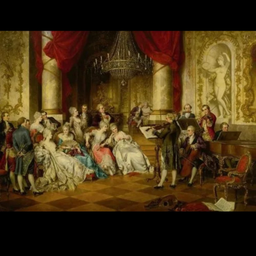
<p style="color:#333333;font-weight:normal;font-size:16px;line-height:30px;font-family:Helvetica,Arial,sans-serif;hyphens:auto;text-align:justify;" data-flag="normal"> 弦乐四重奏(String Quartet),顾名思义,就是“由四把弦乐器组合而成的室内乐形式”。它包含两把小提琴、一把中提琴以及一把大提琴,是最主要和最受欢迎的室内乐类型。</p><p style="color:#333333;font-weight:normal;font-size:16px;line-height:30px;font-family:Helvetica,Arial,sans-serif;hyphens:auto;text-align:justify;"> 弦乐四重奏的历史可以追溯到阿莱格里(1584-1652)时期。阿莱格里是罗马帕帕尔教堂的音乐家,他第一个为弦乐写下了四部的奏鸣曲。到了18世纪初期,许多音乐家都写过类似的曲子,其中以弗朗茨·约瑟夫·海顿(Franz Joseph Haydn,1732.3.31.- 1809.5.31)的贡献为最大。1761年,海顿为艾斯特哈齐亲王(Esterházy)在匈牙利的宫廷音乐厅花了大量的精力写作室内乐,所写的弦乐四重奏超过了75首。海顿确定了弦乐四重奏的模式,使弦乐四重奏成为音乐家公认最理想的室内乐形式。</p><p style="color:#333333;font-weight:normal;font-size:16px;line-height:30px;font-family:Helvetica,Arial,sans-serif;hyphens:auto;text-align:justify;"> 弦乐四重奏由于在音色上相近以及结构上的严谨,对弦乐演奏家来说都是非常严苛的考验,而透过精湛的演奏技巧与完美的合奏默契更能表现出音乐本身丰富的内涵。</p><p style="color:#333333;font-weight:normal;font-size:16px;line-height:30px;font-family:Helvetica,Arial,sans-serif;hyphens:auto;text-align:justify;"> 自古典乐派以来,贝多芬、舒伯特以及勃拉姆斯都留下许多重要的弦乐四重奏乐曲,而在国民乐派跟印象乐派方面,德沃夏克、巴托克以及德彪西也都有相当出色的杰作。</p><p style="color:#333333;font-weight:normal;font-size:16px;line-height:30px;font-family:Helvetica,Arial,sans-serif;hyphens:auto;text-align:justify;" data-flag="normal"> 弦乐四重奏由第一小提琴、第二小提琴、中提琴、大提琴组成,是古典主义时期最重要的室内乐形式,也是室内乐中最理想、最融洽、最经典的组合,虽然在这种组合中找不到交响乐般庞大的气势,看不到歌剧中宏大的场面,但这种体裁的音乐以精致抒情为本,能营造出人与人之间亲切交谈式的音乐氛围。它最初仅限于家庭、沙龙范围,是贵族雅士自娱自乐的音乐形式,随后在历史的流变中,它从贵族庭院走向世俗舞台,发展成一种表达人类情感最深刻、最细致的重要器乐体裁。<br /></p><br />

Language

🇨🇳

Publishing Since

1/24/2022

1 verified contact email on file for 弦乐四重奏

Pitch yourself as a guest, propose sponsorships, or reach out directly to the host.

Recent Episodes

Episode thumbnail for 舒伯特16 c小调“四重奏乐章” D.103

February 26, 2022

舒伯特16 c小调“四重奏乐章” D.103

<p style="color:#333333;font-weight:normal;font-size:16px;line-height:30px;font-family:Helvetica,Arial,sans-serif;hyphens:auto;text-align:justify;" data-flag="normal"><span>更多谱例及相关资料关注微信公众号“Marilyn Hathaway”免费领取</span><br></p>

Episode thumbnail for 舒伯特15 No.15 G大调 D.887

February 20, 2022

舒伯特15 No.15 G大调 D.887

<p style="color:#333333;font-weight:normal;font-size:16px;line-height:30px;font-family:Helvetica,Arial,sans-serif;hyphens:auto;text-align:justify;" data-flag="normal"><span>更多谱例及相关资料关注微信公众号“Marilyn Hathaway”免费领取</span><br></p>

Episode thumbnail for 舒伯特14 No.14 d小调 D.810 死神与少女

February 18, 2022

舒伯特14 No.14 d小调 D.810 死神与少女

<p style="color:#333333;font-weight:normal;font-size:16px;line-height:30px;font-family:Helvetica,Arial,sans-serif;hyphens:auto;text-align:justify;" data-flag="normal"><span>更多谱例及相关资料关注微信公众号“Marilyn Hathaway”免费领取</span><br></p>

16 total episodes available

Deep-dive analytics for 弦乐四重奏

Frequently asked questions

Have a different question and can't find the answer you're looking for? Reach out to our support team by sending us an email and we'll get back to you as soon as we can.

What is 弦乐四重奏?
<p style="color:#333333;font-weight:normal;font-size:16px;line-height:30px;font-family:Helvetica,Arial,sans-serif;hyphens:auto;text-align:justify;" data-flag="normal"> 弦乐四重奏(String Quartet),顾名思义,就是“由四把弦乐器组合而成的室内乐形式”。它包含两把小提琴、一把中提琴以及一把大提琴,是最主要和最受欢迎的室内乐类型。</p><p style="color:#333333;font-weight:normal;font-size:16px;line-height:30px;font-family:Helvetica,Arial,sans-serif;hyphens:auto;text-align:justify;"> 弦乐四重奏的历史可以追溯到阿莱格里(1584-1652)时期。阿莱格里是罗马帕帕尔教堂的音乐家,他第一个为弦乐写下了四部的奏鸣曲。到了18世纪初期,许多音乐家都写过类似的曲子,其中以弗朗茨·约瑟夫·海顿(Franz Joseph Haydn,1732.3.31.- 1809.5.31)的贡献为最大。1761年,海顿为艾斯特哈齐亲王(Esterházy)在匈牙利的宫廷音乐厅花了大量的精力写作室内乐,所写的弦乐四重奏超过了75首。海顿确定了弦乐四重奏的模式,使弦乐四重奏成为音乐家公认最理想的室内乐形式。</p><p style="color:#333333;font-weight:normal;font-size:16px;line-height:30px;font-family:Helvetica,Arial,sans-serif;hyphens:auto;text-align:justify;"> 弦乐四重奏由于在音色上相近以及结构上的严谨,对弦乐演奏家来说都是非常严苛的考验,而透过精湛的演奏技巧与完美的合奏默契更能表现出音乐本身丰富的内涵。</p><p style="color:#333333;font-weight:normal;font-size:16px;line-height:30px;font-family:Helvetica,Arial,sans-serif;hyphens:auto;text-align:justify;"> 自古典乐派以来,贝多芬、舒伯特以及勃拉姆斯都留下许多重要的弦乐四重奏乐曲,而在国民乐派跟印象乐派方面,德沃夏克、巴托克以及德彪西也都有相当出色的杰作。</p><p style="color:#333333;font-weight:normal;font-size:16px;line-height:30px;font-family:Helvetica,Arial,sans-serif;hyphens:auto;text-align:justify;" data-flag="normal"> 弦乐四重奏由第一小提琴、第二小提琴、中提琴、大提琴组成,是古典主义时期最重要的室内乐形式,也是室内乐中最理想、最融洽、最经典的组合,虽然在这种组合中找不到交响乐般庞大的气势,看不到歌剧中宏大的场面,但这种体裁的音乐以精致抒情为本,能营造出人与人之间亲切交谈式的音乐氛围。它最初仅限于家庭、沙龙范围,是贵族雅士自娱自乐的音乐形式,随后在历史的流变中,它从贵族庭院走向世俗舞台,发展成一种表达人类情感最深刻、最细致的重要器乐体裁。<br /></p><br />
How often does this podcast release new episodes?

This podcast updates daily.

Where can I listen to this podcast?

This podcast is available on 4 platforms including Apple Podcasts, Spotify, and more. You can also use the RSS feed directly.

Does this podcast accept guests?

No, this podcast does not typically feature guests.

Legal Disclaimer

Pod Engine is not affiliated with, endorsed by, or officially connected with any of the podcasts displayed on this platform. We operate independently as a podcast discovery and analytics service.

All podcast artwork, thumbnails, and content displayed on this page are the property of their respective owners and are protected by applicable copyright laws. This includes, but is not limited to, podcast cover art, episode artwork, show descriptions, episode titles, transcripts, audio snippets, and any other content originating from the podcast creators or their licensors.

We display this content under fair use principles and/or implied license for the purpose of podcast discovery, information, and commentary. We make no claim of ownership over any podcast content, artwork, or related materials shown on this platform. All trademarks, service marks, and trade names are the property of their respective owners.

While we strive to ensure all content usage is properly authorized, if you are a rights holder and believe your content is being used inappropriately or without proper authorization, please contact us immediately at hey@podengine.ai for prompt review and appropriate action, which may include content removal or proper attribution.

By accessing and using this platform, you acknowledge and agree to respect all applicable copyright laws and intellectual property rights of content owners. Any unauthorized reproduction, distribution, or commercial use of the content displayed on this platform is strictly prohibited.