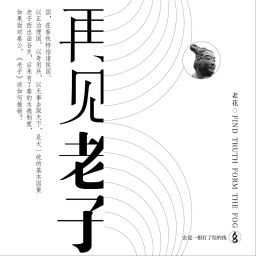
再见老子 | 大一统的社会治理思想
Claim This Podcastby form8老花
Podcast Overview
<p style="color:#333333;font-weight:normal;font-size:16px;line-height:30px;font-family:Helvetica,Arial,sans-serif;hyphens:auto;text-align:justify;" data-flag="normal"><b>内圣外王的帝王绝学 </b><b>秦制的最高指导思想</b></p><p style="color:#333333;font-weight:normal;font-size:16px;line-height:30px;font-family:Helvetica,Arial,sans-serif;hyphens:auto;text-align:justify;" data-flag="normal"><b>制度先于帝王是其两千五百多年被误读的根本原因</b></p><p style="color:#333333;font-weight:normal;font-size:16px;line-height:30px;font-family:Helvetica, Arial, sans-serif;hyphens:auto;text-align:justify;" data-flag="normal"><b>《老子》是为诸侯国主所写的夺取天下的基本国策与治理方略</b></p><p style="font-size:16px;line-height:30px;font-family:Helvetica, Arial, sans-serif;color:#333333;hyphens:auto;text-align:justify;" data-flag="normal"><b>全文系统严谨且环环相扣,理论鲜明且论述精准平实</b></p><span><br /></span><p style="color:#333333;font-weight:normal;font-size:16px;line-height:30px;font-family:Helvetica,Arial,sans-serif;hyphens:auto;text-align:justify;" data-flag="normal">老花通过语境还原重现老子与秦悼公的对话,跟您一起辨真伪:</p><p style="color:#333333;font-weight:normal;font-size:16px;line-height:30px;font-family:Helvetica, Arial, sans-serif;hyphens:auto;text-align:justify;" data-flag="normal">原书没有道篇与德篇之分,《老子》不属于道家,<span>更</span>不属于道教。</p><p style="color:#333333;font-weight:normal;font-size:16px;line-height:30px;font-family:Helvetica, Arial, sans-serif;hyphens:auto;text-align:justify;" data-flag="normal">黄老之道的修身养性是西汉时期添加上去的。《中国通史》认为道教多夸大之词。神性玄学是东汉以后树立起来的。</p><p style="color:#333333;font-weight:normal;font-size:16px;line-height:30px;font-family:Helvetica, Arial, sans-serif;hyphens:auto;text-align:justify;" data-flag="normal">因为道家与道教从自我的思想去解读《老子》,所以河上公只好取《章句》,张道陵只能写《想尔》。断章取义式地肢解造成的结果是,两千多年来没有一个人能够顺畅地翻译原文,只好说它原本就是散记式的。最终的译文多重复、冗余、错漏、逻辑混乱和相互矛盾。<span>夸大的意图是为了无限放大其本意,最终造成千人千面的话术效果。<span>导致《老子》始终不能有一个完整的解读,一众权威们反倒以此作为高深的拼字游戏而乐此不疲。</span></span></p><span><br /></span><p style="color:#333333;font-weight:normal;font-size:16px;line-height:30px;font-family:Helvetica, Arial, sans-serif;hyphens:auto;text-align:justify;" data-flag="normal"><b>《老子》原文内容简介</b></p><p style="color:#333333;font-weight:normal;font-size:16px;line-height:30px;font-family:Helvetica,Arial,sans-serif;hyphens:auto;text-align:justify;" data-flag="normal">老子的道是可持续发展之道,是以公开颁布的成文的善美制度(条文与法令)去实现大同社会圣人之治的治理之道。</p><p style="color:#333333;font-weight:normal;font-size:16px;line-height:30px;font-family:Helvetica,Arial,sans-serif;hyphens:auto;text-align:justify;" data-flag="normal">可道的制度是至高无上的,其地位先于帝王。它体现为水善之德制,以发展民生为本——善利万物而不争。</p><p style="color:#333333;font-weight:normal;font-size:16px;line-height:30px;font-family:Helvetica,Arial,sans-serif;hyphens:auto;text-align:justify;" data-flag="normal">因此先要认识这一德制,然后要知道如何去建设与健全它,如何运用它去治理天下。最为重要的是,如何评估德制的正确与否。</p><p style="color:#333333;font-weight:normal;font-size:16px;line-height:30px;font-family:Helvetica,Arial,sans-serif;hyphens:auto;text-align:justify;" data-flag="normal">在讲述清楚这一思想的理论体系后,针对春秋末期的社会现实,提出并逐一阐释了以正治国,以奇用兵和以无事取天下的基本国策。这是为有抱负的诸侯王提出的一个非常切实的战略设计。</p><p style="color:#333333;font-weight:normal;font-size:16px;line-height:30px;font-family:Helvetica,Arial,sans-serif;hyphens:auto;text-align:justify;" data-flag="normal">此后,通过驳斥小国寡民的陈腐论调,再次明确了该战略的针对性。</p><p style="color:#333333;font-weight:normal;font-size:16px;line-height:30px;font-family:Helvetica, Arial, sans-serif;hyphens:auto;text-align:justify;" data-flag="normal">如果一定要将《老子》分为两部分,制度篇和政策篇倒是非常妥帖。</p><p style="color:#333333;font-weight:normal;font-size:16px;line-height:30px;font-family:Helvetica, Arial, sans-serif;hyphens:auto;text-align:justify;" data-flag="normal">讨论、答疑和听众来信,请联系huajingyong@msn.cn</p>
Language
🇨🇳
Publishing Since
8/24/2024
1 verified contact email on file for 再见老子 | 大一统的社会治理思想
Pitch yourself as a guest, propose sponsorships, or reach out directly to the host.
Recent Episodes

September 16, 2024
再见老子 第10期 | 合理运用八善德制的玄德论
<p style="color:#333333;font-weight:normal;font-size:16px;line-height:30px;font-family:Helvetica,Arial,sans-serif;hyphens:auto;text-align:justify;" data-flag="normal">如何才能合理运用八善德制?</p><p style="color:#333333;font-weight:normal;font-size:16px;line-height:30px;font-family:Helvetica, Arial, sans-serif;hyphens:auto;text-align:justify;" data-flag="normal">载营魄抱一等等,都是历来被解释不清的。南怀瑾的营魄从医学角度解释倒是靠点谱,只是一个载字确实没有紧扣原文的如何才能使“天下皆知”。</p><p style="color:#333333;font-weight:normal;font-size:16px;line-height:30px;font-family:Helvetica, Arial, sans-serif;hyphens:auto;text-align:justify;" data-flag="normal">至于婴儿,如果只是作为婴儿来理解,很明显缺了一个动词,按照先秦中婴做包裹讲就没有问题了。天门开阖被权威们理解得歪七扭八,玄乎其玄,其实就是讲一君王上下班的问题。涤除玄览,无非就是日常护理铜镜的事儿,都是易知易行的类比,不回到时代背景中,自然就只能曲解个有趣与不知了。如此看易大神在最近发表的《老子为何喜欢“唱反调”》中大谈的婴儿论,真真叫人笑掉大牙。</p><p style="color:#333333;font-weight:normal;font-size:16px;line-height:30px;font-family:Helvetica, Arial, sans-serif;hyphens:auto;text-align:justify;" data-flag="normal">这一章的关键首先在于正确梳理六个问题之间的相互关系,其次要理清六问与答案玄德之间的对应关系。而正确辨析生之、畜之的之到底指代的是什么,结合第一章“玄”字的翻译:一根打结的丝线,才能正确理解玄德即为线徳的真实含义。</p><p style="color:#333333;font-weight:normal;font-size:16px;line-height:30px;font-family:Helvetica, Arial, sans-serif;hyphens:auto;text-align:justify;" data-flag="normal">全文其实就一个观点:什么是能合理运用德制的君王玄德?</p><p style="color:#333333;font-weight:normal;font-size:16px;line-height:30px;font-family:Helvetica, Arial, sans-serif;hyphens:auto;text-align:justify;" data-flag="normal">那就是建设、培育八善德制,不占有、不自恃、不独裁的节制君权的制度化。这一针对君权的德制是实现七善的不争之德。</p>

September 13, 2024
再见老子 第9期 | 运用八善德制的五个大忌
<p style="color:#333333;font-weight:normal;font-size:16px;line-height:30px;font-family:Helvetica,Arial,sans-serif;hyphens:auto;text-align:justify;" data-flag="normal">既然是要以发展民生为本,就要清楚有害民生的错误做法。其中以占用危害最大,这是权力交接中最常出现问题的。</p><p style="color:#333333;font-weight:normal;font-size:16px;line-height:30px;font-family:Helvetica, Arial, sans-serif;hyphens:auto;text-align:justify;" data-flag="normal">反对死占着位子不退,也是《老子》不能流行于后世的一大原因。后世君王要不去曲解其文才是不正常的。</p><p style="color:#333333;font-weight:normal;font-size:16px;line-height:30px;font-family:Helvetica, Arial, sans-serif;hyphens:auto;text-align:justify;" data-flag="normal">揣而棁之是权威们无法正视的,因此大多认为棁应该是锐,也就是锋利的意思。棁之本意是横梁上的短柱。将一个有核心之用的工具揣起来,搁到横梁上,不就是束之高阁嘛!很易懂的表达。</p>

September 9, 2024
再见老子 第8期 | 可道制度的八善社会核心价值观
<p style="color:#333333;font-weight:normal;font-size:16px;line-height:30px;font-family:Helvetica,Arial,sans-serif;hyphens:auto;text-align:justify;" data-flag="normal">可持续发展的治理之道,其核心是什么?</p><p style="color:#333333;font-weight:normal;font-size:16px;line-height:30px;font-family:Helvetica, Arial, sans-serif;hyphens:auto;text-align:justify;" data-flag="normal">是若水之八善。</p><p style="color:#333333;font-weight:normal;font-size:16px;line-height:30px;font-family:Helvetica, Arial, sans-serif;hyphens:auto;text-align:justify;" data-flag="normal">上善若水,原来并不是在赞美一个人的德行,而是在讲制度润泽万物的善之一面。孰对孰错,其实联系上下文就能分辨。</p><p style="color:#333333;font-weight:normal;font-size:16px;line-height:30px;font-family:Helvetica, Arial, sans-serif;hyphens:auto;text-align:justify;" data-flag="normal"><span>第一章讲可道的制度法条本质,</span></p><p style="color:#333333;font-weight:normal;font-size:16px;line-height:30px;font-family:Helvetica, Arial, sans-serif;hyphens:auto;text-align:justify;" data-flag="normal">第二章讲可道制度的善美特性与目标,</p><p style="color:#333333;font-weight:normal;font-size:16px;line-height:30px;font-family:Helvetica, Arial, sans-serif;hyphens:auto;text-align:justify;" data-flag="normal">第三章讲可道以制度去实现理想的三大基本路线,</p><p style="color:#333333;font-weight:normal;font-size:16px;line-height:30px;font-family:Helvetica, Arial, sans-serif;hyphens:auto;text-align:justify;" data-flag="normal">第四章讲可道及其制度的历史发展观与理论结合实践的基本治理方法,</p><p style="color:#333333;font-weight:normal;font-size:16px;line-height:30px;font-family:Helvetica, Arial, sans-serif;hyphens:auto;text-align:justify;" data-flag="normal">第五章讲可道制度的网状体系特性、社会作用与基本原则,</p><p style="color:#333333;font-weight:normal;font-size:16px;line-height:30px;font-family:Helvetica, Arial, sans-serif;hyphens:auto;text-align:justify;" data-flag="normal">第六章讲常道的制度根子在神授的绝对君权,<br></p><p style="color:#333333;font-weight:normal;font-size:16px;line-height:30px;font-family:Helvetica, Arial, sans-serif;hyphens:auto;text-align:justify;" data-flag="normal">第七章讲可道的制度根子在理想的节制君权,</p><p style="color:#333333;font-weight:normal;font-size:16px;line-height:30px;font-family:Helvetica, Arial, sans-serif;hyphens:auto;text-align:justify;" data-flag="normal">第八章讲可道制度的社会核心价值观,也就是天下人皆知的善,具体表现为什么内容。</p><p style="color:#333333;font-weight:normal;font-size:16px;line-height:30px;font-family:Helvetica, Arial, sans-serif;hyphens:auto;text-align:justify;" data-flag="normal">在本章中,老子提出了善利万物而不争的思想,这也是全书的核心观点,被称为水之八德,简称水德,也就是后来秦的德制特征。八善是关于善的内容,随后必然论述的是如何善利,万物为何,如何不争的具体内容。因此,善利万物而不争就被老子归结为以发展民生为本。本章在全书中的重要性由此可知。<br></p><p style="color:#333333;font-weight:normal;font-size:16px;line-height:30px;font-family:Helvetica, Arial, sans-serif;hyphens:auto;text-align:justify;" data-flag="normal">七善一不争之间的关系体现了老子坚实的理论,这也是读书需要去仔细辨析的地方。所谓环环相扣,不仅仅是在大的思路上,还在于细节的逻辑安排中。品读之三口,岂虚言哉!</p><p style="color:#333333;font-weight:normal;font-size:16px;line-height:30px;font-family:Helvetica, Arial, sans-serif;hyphens:auto;text-align:justify;" data-flag="normal">可道与常道的根本区别,需要联系八章,甚至后面的九、十、十一和十二章来整体理解。九和十讲如何运用八善德制,后两章讲善利万物的具体内容。万万不能单独地强行拆分。原本,《老子》是没有分章的。</p>
10 total episodes available
Deep-dive analytics for 再见老子 | 大一统的社会治理思想
Frequently asked questions
Have a different question and can't find the answer you're looking for? Reach out to our support team by sending us an email and we'll get back to you as soon as we can.
- What is 再见老子 | 大一统的社会治理思想?
<p style="color:#333333;font-weight:normal;font-size:16px;line-height:30px;font-family:Helvetica,Arial,sans-serif;hyphens:auto;text-align:justify;" data-flag="normal"><b>内圣外王的帝王绝学 </b><b>秦制的最高指导思想</b></p><p style="color:#333333;font-weight:normal;font-size:16px;line-height:30px;font-family:Helvetica,Arial,sans-serif;hyphens:auto;text-align:justify;" data-flag="normal"><b>制度先于帝王是其两千五百多年被误读的根本原因</b></p><p style="color:#333333;font-weight:normal;font-size:16px;line-height:30px;font-family:Helvetica, Arial, sans-serif;hyphens:auto;text-align:justify;" data-flag="normal"><b>《老子》是为诸侯国主所写的夺取天下的基本国策与治理方略</b></p><p style="font-size:16px;line-height:30px;font-family:Helvetica, Arial, sans-serif;color:#333333;hyphens:auto;text-align:justify;" data-flag="normal"><b>全文系统严谨且环环相扣,理论鲜明且论述精准平实</b></p><span><br /></span><p style="color:#333333;font-weight:normal;font-size:16px;line-height:30px;font-family:Helvetica,Arial,sans-serif;hyphens:auto;text-align:justify;" data-flag="normal">老花通过语境还原重现老子与秦悼公的对话,跟您一起辨真伪:</p><p style="color:#333333;font-weight:normal;font-size:16px;line-height:30px;font-family:Helvetica, Arial, sans-serif;hyphens:auto;text-align:justify;" data-flag="normal">原书没有道篇与德篇之分,《老子》不属于道家,<span>更</span>不属于道教。</p><p style="color:#333333;font-weight:normal;font-size:16px;line-height:30px;font-family:Helvetica, Arial, sans-serif;hyphens:auto;text-align:justify;" data-flag="normal">黄老之道的修身养性是西汉时期添加上去的。《中国通史》认为道教多夸大之词。神性玄学是东汉以后树立起来的。</p><p style="color:#333333;font-weight:normal;font-size:16px;line-height:30px;font-family:Helvetica, Arial, sans-serif;hyphens:auto;text-align:justify;" data-flag="normal">因为道家与道教从自我的思想去解读《老子》,所以河上公只好取《章句》,张道陵只能写《想尔》。断章取义式地肢解造成的结果是,两千多年来没有一个人能够顺畅地翻译原文,只好说它原本就是散记式的。最终的译文多重复、冗余、错漏、逻辑混乱和相互矛盾。<span>夸大的意图是为了无限放大其本意,最终造成千人千面的话术效果。<span>导致《老子》始终不能有一个完整的解读,一众权威们反倒以此作为高深的拼字游戏而乐此不疲。</span></span></p><span><br /></span><p style="color:#333333;font-weight:normal;font-size:16px;line-height:30px;font-family:Helvetica, Arial, sans-serif;hyphens:auto;text-align:justify;" data-flag="normal"><b>《老子》原文内容简介</b></p><p style="color:#333333;font-weight:normal;font-size:16px;line-height:30px;font-family:Helvetica,Arial,sans-serif;hyphens:auto;text-align:justify;" data-flag="normal">老子的道是可持续发展之道,是以公开颁布的成文的善美制度(条文与法令)去实现大同社会圣人之治的治理之道。</p><p style="color:#333333;font-weight:normal;font-size:16px;line-height:30px;font-family:Helvetica,Arial,sans-serif;hyphens:auto;text-align:justify;" data-flag="normal">可道的制度是至高无上的,其地位先于帝王。它体现为水善之德制,以发展民生为本——善利万物而不争。</p><p style="color:#333333;font-weight:normal;font-size:16px;line-height:30px;font-family:Helvetica,Arial,sans-serif;hyphens:auto;text-align:justify;" data-flag="normal">因此先要认识这一德制,然后要知道如何去建设与健全它,如何运用它去治理天下。最为重要的是,如何评估德制的正确与否。</p><p style="color:#333333;font-weight:normal;font-size:16px;line-height:30px;font-family:Helvetica,Arial,sans-serif;hyphens:auto;text-align:justify;" data-flag="normal">在讲述清楚这一思想的理论体系后,针对春秋末期的社会现实,提出并逐一阐释了以正治国,以奇用兵和以无事取天下的基本国策。这是为有抱负的诸侯王提出的一个非常切实的战略设计。</p><p style="color:#333333;font-weight:normal;font-size:16px;line-height:30px;font-family:Helvetica,Arial,sans-serif;hyphens:auto;text-align:justify;" data-flag="normal">此后,通过驳斥小国寡民的陈腐论调,再次明确了该战略的针对性。</p><p style="color:#333333;font-weight:normal;font-size:16px;line-height:30px;font-family:Helvetica, Arial, sans-serif;hyphens:auto;text-align:justify;" data-flag="normal">如果一定要将《老子》分为两部分,制度篇和政策篇倒是非常妥帖。</p><p style="color:#333333;font-weight:normal;font-size:16px;line-height:30px;font-family:Helvetica, Arial, sans-serif;hyphens:auto;text-align:justify;" data-flag="normal">讨论、答疑和听众来信,请联系huajingyong@msn.cn</p> - How often does this podcast release new episodes?
This podcast updates weekly.
- Where can I listen to this podcast?
This podcast is available on 6 platforms including Apple Podcasts, Spotify, and more. You can also use the RSS feed directly.
- Does this podcast accept guests?
No, this podcast does not typically feature guests.
Legal Disclaimer
Pod Engine is not affiliated with, endorsed by, or officially connected with any of the podcasts displayed on this platform. We operate independently as a podcast discovery and analytics service.
All podcast artwork, thumbnails, and content displayed on this page are the property of their respective owners and are protected by applicable copyright laws. This includes, but is not limited to, podcast cover art, episode artwork, show descriptions, episode titles, transcripts, audio snippets, and any other content originating from the podcast creators or their licensors.
We display this content under fair use principles and/or implied license for the purpose of podcast discovery, information, and commentary. We make no claim of ownership over any podcast content, artwork, or related materials shown on this platform. All trademarks, service marks, and trade names are the property of their respective owners.
While we strive to ensure all content usage is properly authorized, if you are a rights holder and believe your content is being used inappropriately or without proper authorization, please contact us immediately at hey@podengine.ai for prompt review and appropriate action, which may include content removal or proper attribution.
By accessing and using this platform, you acknowledge and agree to respect all applicable copyright laws and intellectual property rights of content owners. Any unauthorized reproduction, distribution, or commercial use of the content displayed on this platform is strictly prohibited.