
<b>A Tale of Two Cities</b>, novel by <b>Charles Dickens</b>, published both serially and in book form in 1859. The story is set in the late 18th century against the background of the French Revolution. Although Dickens borrowed from Thomas Carlyle’s history, The French Revolution, for his sprawling tale of London and revolutionary Paris, the novel offers more drama than accuracy. The scenes of large-scale mob violence are especially vivid, if superficial in historical understanding.<br /><br />The complex plot involves Sydney Carton’s sacrifice of his own life on behalf of his friends Charles Darnay and Lucie Manette. While political events drive the story, Dickens takes a decidedly antipolitical tone, lambasting both aristocratic tyranny and revolutionary excess—the latter memorably caricatured in Madame Defarge, who knits beside the guillotine. The book is perhaps best known for its opening lines, “It was the best of times, it was the worst of times,” and for Carton’s last speech, in which he says of his replacing Darnay in a prison cell, “It is a far, far better thing that I do, than I have ever done; it is a far, far better rest that I go to, than I have ever known.”
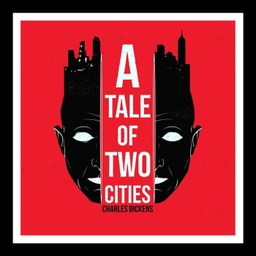
A Tale of Two Cities
Claim This Podcastby Charles Dickens
Podcast Overview
<b>A Tale of Two Cities</b>, novel by <b>Charles Dickens</b>, published both serially and in book form in 1859. The story is set in the late 18th century against the background of the French Revolution. Although Dickens borrowed from Thomas Carlyle’s history, The French Revolution, for his sprawling tale of London and revolutionary Paris, the novel offers more drama than accuracy. The scenes of large-scale mob violence are especially vivid, if superficial in historical understanding.<br /><br />The complex plot involves Sydney Carton’s sacrifice of his own life on behalf of his friends Charles Darnay and Lucie Manette. While political events drive the story, Dickens takes a decidedly antipolitical tone, lambasting both aristocratic tyranny and revolutionary excess—the latter memorably caricatured in Madame Defarge, who knits beside the guillotine. The book is perhaps best known for its opening lines, “It was the best of times, it was the worst of times,” and for Carton’s last speech, in which he says of his replacing Darnay in a prison cell, “It is a far, far better thing that I do, than I have ever done; it is a far, far better rest that I go to, than I have ever known.”
Language
🇺🇲
Publishing Since
7/3/2023
1 verified contact email on file for A Tale of Two Cities
Pitch yourself as a guest, propose sponsorships, or reach out directly to the host.
Recent Episodes
July 4, 2023
A Tale of Two Cities : Book 3 - Chapter 15 - The Footsteps Die Out For Ever
July 4, 2023
A Tale of Two Cities : Book 3 - Chapter 14 - The Knitting Done
July 4, 2023
A Tale of Two Cities : Book 3 - Chapter 13 - Fifty-two
45 total episodes available
Deep-dive analytics for A Tale of Two Cities
Frequently asked questions
Have a different question and can't find the answer you're looking for? Reach out to our support team by sending us an email and we'll get back to you as soon as we can.
- What is A Tale of Two Cities?
- How often does this podcast release new episodes?
This podcast updates daily.
- Where can I listen to this podcast?
This podcast is available on 4 platforms including Apple Podcasts, Spotify, and more. You can also use the RSS feed directly.
- Does this podcast accept guests?
Information about guest appearances is not available.
Legal Disclaimer
Pod Engine is not affiliated with, endorsed by, or officially connected with any of the podcasts displayed on this platform. We operate independently as a podcast discovery and analytics service.
All podcast artwork, thumbnails, and content displayed on this page are the property of their respective owners and are protected by applicable copyright laws. This includes, but is not limited to, podcast cover art, episode artwork, show descriptions, episode titles, transcripts, audio snippets, and any other content originating from the podcast creators or their licensors.
We display this content under fair use principles and/or implied license for the purpose of podcast discovery, information, and commentary. We make no claim of ownership over any podcast content, artwork, or related materials shown on this platform. All trademarks, service marks, and trade names are the property of their respective owners.
While we strive to ensure all content usage is properly authorized, if you are a rights holder and believe your content is being used inappropriately or without proper authorization, please contact us immediately at hey@podengine.ai for prompt review and appropriate action, which may include content removal or proper attribution.
By accessing and using this platform, you acknowledge and agree to respect all applicable copyright laws and intellectual property rights of content owners. Any unauthorized reproduction, distribution, or commercial use of the content displayed on this platform is strictly prohibited.