
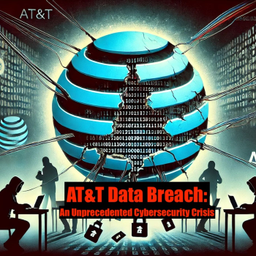
The AT&T data breach of 2024 has sent ripples of concern through the digital landscape, affecting approximately 73 million current and former customers. This massive breach, one of the largest in the company's history, has exposed a wealth of sensitive information, leaving millions vulnerable to potential identity theft, financial fraud, and other malicious activities. As the dust settles and the full implications of this breach come to light, it's crucial for affected individuals – and indeed, all consumers – to understand the risks and take proactive steps to protect themselves. The scope of the breach is staggering. Beyond basic personal information like names and addresses, the exposed data includes Social Security numbers, birth dates, and perhaps most alarmingly, detailed call and text records. This comprehensive dataset provides cybercriminals with a veritable treasure trove of information, enabling them to craft highly sophisticated and targeted attacks. In the wake of this breach, cybersecurity experts are urging vigilance and action. The first line of defense is awareness and monitoring. It's essential for individuals to keep a watchful eye on their financial accounts, scrutinizing bank statements and credit card bills for any sign of unusual activity. Even the smallest unauthorized transaction could be an indicator of larger, looming threats. Promptly reporting any suspicious activity to financial institutions can help mitigate potential damage and set the wheels of investigation in motion. But monitoring alone is not enough. Experts strongly recommend placing fraud alerts on credit reports as a preemptive measure. By contacting one of the three major credit bureaus – Equifax, Experian, or TransUnion – consumers can add an extra layer of security to their credit profiles. This alert serves as a red flag to potential creditors, prompting them to take additional steps to verify an individual's identity before issuing credit in their name. It's a simple yet effective tool in the fight against identity theft. For those seeking even stronger protection, a credit freeze might be the answer. This more drastic measure essentially locks down a person's credit report, making it exceptionally difficult for identity thieves to open new accounts under the victim's name. While this added security comes with the minor inconvenience of having to temporarily lift the freeze when legitimately applying for credit, many find the peace of mind well worth the extra step. In our increasingly digital world, the importance of robust, unique passwords cannot be overstated. In light of the AT&T breach, it's crucial for individuals to revisit their online security practices. Updating passwords, particularly for accounts associated with the compromised AT&T credentials or email addresses, is a critical step. But it's not just about changing passwords; it's about creating strong, unique passwords for each account. The use of password managers can g
This content was created in partnership and with the help of Artificial Intelligence AI.