February 26, 2024
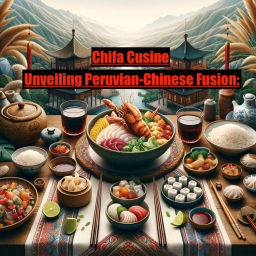
Unveiling Peruvian-Chinese Fusion-
<br />Chifa Cuisine: The Chinese Immigrant Food That Became a Peruvian Favorite <br />Chifa refers to a unique fusion cuisine found in Peru that blends traditional Cantonese Chinese cooking methods and ingredients with Peruvian tastes and native crops. Over generations, Chinese immigrants adapted their homeland recipes and cooking techniques using local substitutions, ultimately spawning an entirely new genre of cuisine. Chifa enjoys immense popularity across Peru today, with Chinese-Peruvian restaurants known as chifas found in all cities. This one-of-a-kind cuisine offers a tasty glimpse into the cultural integration of Chinese immigrants into Peruvian society. <br />The Arrival of Chinese Immigrants in Peru <br />Chinese immigration to Peru began in earnest in the mid-19th century. Economic turmoil and social unrest plagued China during this period, including the First and Second Opium Wars, the Taiping Rebellion, and extreme poverty and overcrowding. Many Chinese saw emigration as an escape and opportunity. Drawn by Peru's lucrative plantation and mining operations, nearly 100,000 Cantonese Chinese immigrants arrived in Peru between 1849–and 1874, mostly as indentured laborers. Ship manifests show predominantly young men making the voyage from China's Guangdong province. <br />These pioneer immigrants faced back-breaking work in harsh conditions. Chinese laborers endured bonded manual labor in abusive conditions on sugar and cotton plantations. They also formed a contingent workforce for the lucrative guano mining boom that exported nutrient-rich fertilizer to North America and Europe. Such work carrying heavy bags of guano was brutal. Abuse and discrimination marked these early experiences, with anti-Chinese sentiments rampant at the time. Still, a subset of immigrants survived to eventually gain freedom and better livelihood prospects in Peru. <br />Growth of Chinatowns and Chinese-Peruvian Culture <br />After their indenture terms ended, some enterprising Chinese immigrants remained in Peru, establishing urban settlements known as barrio chinos or Chinatowns. Here they could live together, preserve their heritage through imported traditions, language and institutions, and start small businesses serving their community. Chinatowns soon became thriving economic and cultural hubs for Chinese-Peruvian life. Lima's Chinatown footprint continues to represent the largest ethnic Chinese enclave in all of Latin America today. <br />Peru's Chinese immigrants drew heavily on their Cantonese heritage, speaking the dialect, wearing traditional garb, and observing customs around holidays, funerals and family events. Chinese benevolent associations, Chinese language schools and temples provided community support. Chinatowns also enabled the rise of Chinese grocery stores, apothecaries and restaurants that catered food familiar to Chinese palates. This cultural cohesion offered solidarity against prevalent racism. Successive generations would embrace a hybrid Chinese-Peruvian identity. <br />Birth of Chifa Cuisine in Early Chinese-Peruvian Restaurants <br />The development of Chifa cuisine is traced directly to early Chinese restaurants known as chifas opening to serve Chinatown communities. The name "chifa" derives from the Cantonese phrase meaning “to cook food.” As early immigrants longed for the flavors of home, chifas recreated popular Cantonese dishes adapting to available local ingredients in Peru. This fusion approach marked chifa's origins. <br />Menus featured classic Chinese cooking methods like steaming, frying, braising and stir-frying applied to local Peruvian produce, seasonings and meats. Immigrant chifas also imported essential Chinese pantry goods like soy sauce, rice, sesame oil and noodles to Peru. Dishes mirrored popular takeout plates back in Southern China like chop suey, lo mein and fried rice. But Peruvian veggies and spices like aji peppers infused the recipes with local essence. <br />This early chifa style thus wove Peruvian ingredients into imported Chinese cooking traditions and Cantonese tastes. The restaurants introduced Chinese food culture to Peru while allowing immigrants to sustain their culinary heritage using accessible components. Chifa became the heartbeat of Chinatown life, pushing culinary boundaries. <br />Mainstream Appeal and Growth of Chifa Culture <br />While starting as insular Chinatown establishments, chifa's popularity eventually attracted mainstream Limeño (Lima) foodies and spread across Peruvian society. Its blend of familiar Chinese flavors with bright, fresh Peruvian flair offered broad appeal. Diners were drawn to fusion innovations like lomo saltado combining Chinese beef stir-fry techniques with potatoes and tomatoes. Chifa received a cultural boost under President Alberto Fujimori’s leadership from 1990-2000. The Lima-born son of immigrant parents, Fujimori embraced his Asian roots and frequented chifas – helping spur wider acceptance. <br />Beyond just Limeño eateries, chifa restaurants today can be found in all Peruvian cities from Arequipa to Cusco and all along the coast. Their accessibility at diverse price points adds to the adoption. Specialty chifa additions like chaufa (fried rice), wantan (dumplings), and tallarin saltado (stir fried noodles) are now de facto national dishes beloved throughout Peru. The once obscure Chinatown cuisine now constitutes an integral fabric of Peruvian food culture, enjoyment and national pride. <br />Defining Traits of Chifa Cuisine <br />Chifa contains certain distinguishing traits that set it apart from either Peruvian Creole or traditional Cantonese food alone. While recipes vary widely, several core qualities characterize the fusion food genre: <br />- Stir-Fry Focus: The Chinese wok-frying technique predominates in chifa plates. Dishes like lomo saltado or tallarin saltado rely on fast, fresh stir-frying. The high heat searing captures volatile flavor compounds and textures from ingredients. Stir-frying remains a foundational chifa cooking method passed down through Chinese generations. <br />- Chinese & Peruvian Ingredients: Chifa recipes rely on hybrid pantry items. Soy sauce, sesame oil, rice and Chinese vegetables offer Chinese flair. On the Peruvian side, potatoes, tomatoes, aji peppers, lime juice and herbs seasoned with cilantro feature prominently. Adaptations like guiso de carne mechada marry Chinese cuts and prep with criollo seasoning. <br />- Immigrant Ingenuity: Chifa dishes reveal the clever improvisation of early Chinese immigrants. Missing homeland ingredients forced creative substitutions using local crops. For example, chaufa fried rice uses Peruvian vegetables, chicken, or seafood instead of Chinese pork and shrimp. This innovation shaped chifa’s evolution. <br />- Cantonese Culinary Roots: The Cantonese cuisine traditions of early Chinese settlers defined the cooking style. Chifa adapted Cantonese staples like wontons, fried rice, chop suey and noodle bowls using Peruvian ingredients. The same family recipes power chifa menus today. <br />- MSG Flavor Enhancer: Chifa cooks use monosodium glutamate liberally to boost umami flavor. MSG imparts a savory taste sensation enhancing the stir-fried dishes. This sets chifa apart from traditional Peruvian creole seasoning relying more on garlic, onions and peppers. <br />- Casual, Fast & Affordable: Like early Cantonese takeout food, chifa dishes tend to feature casual plates like fried rice, stir-fries and noodle bowls offered affordably at family eateries. The accessible prices and styles add to chifa's broad appeal across Peruvian society. <br />Signature Chifa Dishes and Culture <br />Certain quintessential chifa restaurant menu items capture the cuisine's cross-cultural allure for locals and tourists. These chifa classics include: <br />- Lomo Saltado: This soy and garlic marinated strips of beef stir fried with onions, tomatoes, and french fries represents one of the most popular and iconic plates. The Chinese stir-fry technique merges with criollo potatoes and spices. <br />- Wantan Sopa: These boiled pork and shrimp wontons in chicken broth with noodles offer a sensory taste of Chinese dumplings and soup. They also demonstrate how chifa adapted dim sum. <br />- Arroz Chaufa: Fluffy fried rice loaded with Peruvian vegetables, soy sauce, eggs and meat stands as the classic chifa rice staple eaten nationwide. Versions contain seafood, chicken or beef. <br />- Tallarín Saltado: The Peruvian-Chinese noodle stir fry sautés vegetables, beef, chicken, or shrimp with soy sauce over crispy pan-fried noodles. It shows the fusion mastery of chifa cooks. <br />- Ajiaco: This hearty chifa soup stews chicken or pork with native Peruvian potatoes, vegetables and herbs in broth. The flavors blend chifa's hallmark heartiness with comforting Peruvian criollo soul. <br />Beyond staple dishes, the distinctive chifa restaurant ambiance also transports diners. Well-known establishments in Lima's Barrio Chino like Salón Chifa Capon or Wa Lok exude nostalgic character. Their bustling kitchens, friendly service, Cantonese decorations and dry hanging ducks invoke old Chinatown spirit. Patronizing chifas offers a cultural experience beyond the plates alone. <br />Government Support for Chifa Dining Traditions <br />In acknowledgment of their valued fusion fare and deep Peruvian roots, chifa eateries have garnered governmental support and protection in recent years. This aims to nurture their legacy as cultural institutions despite rising competition from modern cuisine trends. Strategies include: <br />- Intangible Cultural Heritage Status: Peru's Ministry of Culture recognized chifa cooking traditions as protected national intangible heritage. This shields time-honored cooking methods. <br />- Historic Restaurant Preservation: Lima's municipal government named century-old chifa establishments as