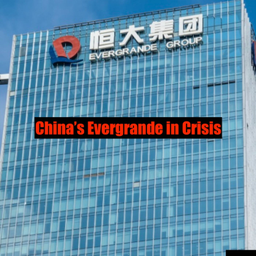
Podcast thumbnail for China's Evergrande in Crisis

China's Evergrande in Crisis

Claim This Podcast

by Inception Point AI

1 episodes
Updated Inactive
Accepts GuestsHas SponsorsLocation 🇨🇳

Podcast Overview

China's Evergrande China's property giant, Evergrande, has been teetering on the brink of collapse for months, casting a long shadow over the world's second-largest economy. This sprawling crisis, rife with debt, unfinished buildings, and anxious investors, could ripple far beyond Chinese borders, impacting global markets and raising questions about the stability of China's financial system. Evergrande's story is one of meteoric rise and dramatic fall. Founded in 1996, the company grew to become a titan of China's real estate boom, fueled by massive borrowing and ambitious expansion. They constructed sprawling apartment complexes, shopping malls, and even theme parks, all on borrowed money. However, this breakneck growth came at a cost. By 2020, Evergrande had amassed a staggering $300 billion in debt, the largest of any real estate developer in the world. Chinese authorities, concerned about rising systemic risk, implemented stricter policies on borrowing and leverage, squeezing companies like Evergrande like a vise. As access to new loans dried up, Evergrande started struggling to service its existing debt. Payments missed, projects stalled, and contractors grew restless. In December 2021, the company officially defaulted on its debts, sending shockwaves through the financial world. The immediate fallout was felt within China's property sector. Homebuyers, worried about unfinished apartments, scrambled to cash out. Developers, grappling with their own debt burdens, became wary of initiating new projects. The potential domino effect became a central concern: if Evergrande collapses, could it drag down other major developers and destabilize the entire real estate market? The Chinese government, acutely aware of the potential for wider economic turmoil, has stepped in to manage the crisis. They have taken measures to prevent a disorderly Evergrande collapse, including encouraging state-owned companies to take over certain assets and injecting liquidity into the financial system. However, the government's role remains a delicate balancing act. While ensuring financial stability is paramount, bailing out Evergrande outright could send the wrong message about excessive risk-taking in the property sector. The future of Evergrande and the broader Chinese property market remains shrouded in uncertainty. Restructuring efforts are underway, but the scale of the debt makes a smooth resolution unlikely. Meanwhile, the shadow of potential contagion hangs over the global financial system. Beyond the Numbers: The Evergrande crisis is more than just a financial saga. It raises questions about China's economic model, its reliance on debt-fueled growth, and the social consequences of a potential property market crash. Millions of homeowners could face unfinished apartments and financial hardship, while the wider economy could grapple with unemployment and slowing growth. The ripple effects of the Evergrande crisis could be felt beyond China's borders. Its global This content was created in partnership and with the help of Artificial Intelligence AI.

Language

🇺🇲

Publishing Since

1/30/2024

2 verified contact emails on file for China's Evergrande in Crisis

Pitch yourself as a guest, propose sponsorships, or reach out directly to the host.

Recent Episodes

Episode thumbnail for China's Evergrande in Crisis

January 30, 2024

China's Evergrande in Crisis

China's Evergrande China's property giant, Evergrande, has been teetering on the brink of collapse for months, casting a long shadow over the world's second-largest economy. This sprawling crisis, rife with debt, unfinished buildings, and anxious investors, could ripple far beyond Chinese borders, impacting global markets and raising questions about the stability of China's financial system. Evergrande's story is one of meteoric rise and dramatic fall. Founded in 1996, the company grew to become a titan of China's real estate boom, fueled by massive borrowing and ambitious expansion. They constructed sprawling apartment complexes, shopping malls, and even theme parks, all on borrowed money. However, this breakneck growth came at a cost. By 2020, Evergrande had amassed a staggering $300 billion in debt, the largest of any real estate developer in the world. Chinese authorities, concerned about rising systemic risk, implemented stricter policies on borrowing and leverage, squeezing companies like Evergrande like a vise. As access to new loans dried up, Evergrande started struggling to service its existing debt. Payments missed, projects stalled, and contractors grew restless. In December 2021, the company officially defaulted on its debts, sending shockwaves through the financial world. The immediate fallout was felt within China's property sector. Homebuyers, worried about unfinished apartments, scrambled to cash out. Developers, grappling with their own debt burdens, became wary of initiating new projects. The potential domino effect became a central concern: if Evergrande collapses, could it drag down other major developers and destabilize the entire real estate market? The Chinese government, acutely aware of the potential for wider economic turmoil, has stepped in to manage the crisis. They have taken measures to prevent a disorderly Evergrande collapse, including encouraging state-owned companies to take over certain assets and injecting liquidity into the financial system. However, the government's role remains a delicate balancing act. While ensuring financial stability is paramount, bailing out Evergrande outright could send the wrong message about excessive risk-taking in the property sector. The future of Evergrande and the broader Chinese property market remains shrouded in uncertainty. Restructuring efforts are underway, but the scale of the debt makes a smooth resolution unlikely. Meanwhile, the shadow of potential contagion hangs over the global financial system. Beyond the Numbers: The Evergrande crisis is more than just a financial saga. It raises questions about China's economic model, its reliance on debt-fueled growth, and the social consequences of a potential property market crash. Millions of homeowners could face unfinished apartments and financial hardship, while the wider economy could grapple with unemployment and slowing growth. The ripple effects of the Evergrande crisis could be felt beyond China's borders. Its global creditors, including banks and investment firms, face potential losses. Supply chains tied to China's construction industry could be disrupted, impacting businesses around the world. A Complex Conundrum: The Evergrande crisis is a complex and evolving situation. It is a story of unchecked ambition, financial recklessness, and government intervention. As the drama unfolds, the world watches with bated breath, wondering what dominoes might fall next. Thanks for listening to Quiet Please. Remember to like and share wherever you get your podcasts.

1 total episodes available

Deep-dive analytics for China's Evergrande in Crisis

Frequently asked questions

Have a different question and can't find the answer you're looking for? Reach out to our support team by sending us an email and we'll get back to you as soon as we can.

What is China's Evergrande in Crisis?

China's Evergrande China's property giant, Evergrande, has been teetering on the brink of collapse for months, casting a long shadow over the world's second-largest economy. This sprawling crisis, rife with debt, unfinished buildings, and anxious investors, could ripple far beyond Chinese borders, impacting global markets and raising questions about the stability of China's financial system. Evergrande's story is one of meteoric rise and dramatic fall. Founded in 1996, the company grew to become a titan of China's real estate boom, fueled by massive borrowing and ambitious expansion. They constructed sprawling apartment complexes, shopping malls, and even theme parks, all on borrowed money. However, this breakneck growth came at a cost. By 2020, Evergrande had amassed a staggering $300 billion in debt, the largest of any real estate developer in the world. Chinese authorities, concerned about rising systemic risk, implemented stricter policies on borrowing and leverage, squeezing companies like Evergrande like a vise. As access to new loans dried up, Evergrande started struggling to service its existing debt. Payments missed, projects stalled, and contractors grew restless. In December 2021, the company officially defaulted on its debts, sending shockwaves through the financial world. The immediate fallout was felt within China's property sector. Homebuyers, worried about unfinished apartments, scrambled to cash out. Developers, grappling with their own debt burdens, became wary of initiating new projects. The potential domino effect became a central concern: if Evergrande collapses, could it drag down other major developers and destabilize the entire real estate market? The Chinese government, acutely aware of the potential for wider economic turmoil, has stepped in to manage the crisis. They have taken measures to prevent a disorderly Evergrande collapse, including encouraging state-owned companies to take over certain assets and injecting liquidity into the financial system. However, the government's role remains a delicate balancing act. While ensuring financial stability is paramount, bailing out Evergrande outright could send the wrong message about excessive risk-taking in the property sector. The future of Evergrande and the broader Chinese property market remains shrouded in uncertainty. Restructuring efforts are underway, but the scale of the debt makes a smooth resolution unlikely. Meanwhile, the shadow of potential contagion hangs over the global financial system. Beyond the Numbers: The Evergrande crisis is more than just a financial saga. It raises questions about China's economic model, its reliance on debt-fueled growth, and the social consequences of a potential property market crash. Millions of homeowners could face unfinished apartments and financial hardship, while the wider economy could grapple with unemployment and slowing growth. The ripple effects of the Evergrande crisis could be felt beyond China's borders. Its global

This content was created in partnership and with the help of Artificial Intelligence AI.

How often does this podcast release new episodes?

This podcast updates inactive.

Where can I listen to this podcast?

This podcast is available on 4 platforms including Apple Podcasts, Spotify, and more. You can also use the RSS feed directly.

Does this podcast accept guests?

Yes, this podcast regularly features guests.

Legal Disclaimer

Pod Engine is not affiliated with, endorsed by, or officially connected with any of the podcasts displayed on this platform. We operate independently as a podcast discovery and analytics service.

All podcast artwork, thumbnails, and content displayed on this page are the property of their respective owners and are protected by applicable copyright laws. This includes, but is not limited to, podcast cover art, episode artwork, show descriptions, episode titles, transcripts, audio snippets, and any other content originating from the podcast creators or their licensors.

We display this content under fair use principles and/or implied license for the purpose of podcast discovery, information, and commentary. We make no claim of ownership over any podcast content, artwork, or related materials shown on this platform. All trademarks, service marks, and trade names are the property of their respective owners.

While we strive to ensure all content usage is properly authorized, if you are a rights holder and believe your content is being used inappropriately or without proper authorization, please contact us immediately at hey@podengine.ai for prompt review and appropriate action, which may include content removal or proper attribution.

By accessing and using this platform, you acknowledge and agree to respect all applicable copyright laws and intellectual property rights of content owners. Any unauthorized reproduction, distribution, or commercial use of the content displayed on this platform is strictly prohibited.