
Examining a variety of topics related to athletic performance. Focusing on how to effectively build athletic performance through differing training methodologies. If you are looking to grow and continue to learn from a variety of viewpoints in relation to athletic development this podcast is for you!
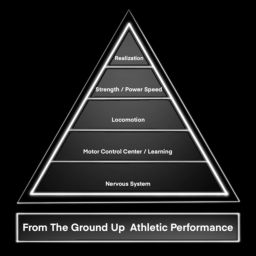
From the Ground Up Athletic Performance Podcast
Claim This Podcastby Jesse curtis
5.0(14 reviews)
77 episodes
Updated Inactive
Accepts GuestsHas Sponsors
Podcast Overview
Examining a variety of topics related to athletic performance. Focusing on how to effectively build athletic performance through differing training methodologies. If you are looking to grow and continue to learn from a variety of viewpoints in relation to athletic development this podcast is for you!
Language
🇺🇲
Publishing Since
3/26/2021
1 verified contact email on file for From the Ground Up Athletic Performance Podcast
Pitch yourself as a guest, propose sponsorships, or reach out directly to the host.
Recent Episodes
November 1, 2022
Jarod Burton Episode 76 "Long Duration Isos, Compensation, Balancing the body, & High Velocity/High Volume"
<p>On Episode 76 I sat down with Jarod Burton to discuss a variety of intriguing concepts tied to athletic development. The first topic discussed is the benefit of doing long duration isometrics within training. It's important when doing Iso's that we get the most out of the process by examining tone that is prevalent in a given set of musculature. A line of logic that Jarod advances through out the conversation is the importance of training both sides of the body. If you properly leverage position and tone in isometrics practitioners can harvest the power of reciprocal inhibition, which allows for a beneficial relationship between the agonist and antagonist musculature for a given movement. </p> <p>I was interested to discuss how Jarod advances Isometric practices in training, like all good things it really depends. Isometrics are a powerful tool, but they can be redundant. Isometrics provide a great opportunity to layer different sensory stimulus. Jarod discusses how he utilizes different eye, vestibular, and proprioceptive activities to derive greater adaptations with athletes. Jarod shares his own personal experience of goal setting and crafting a new reality. The isometric provides a perfect stressor that can really force athletes to focus on what they want. Jarod shares that Isometrics drive failure , in our response we often show our personality and in those moments athletes have the opportunity to adjust their reality as well as response. Jarod shares how discovery of athlete preference can be an important driver for effective programming. Are athletes more kinesthetically, visually, or auditory in nature? How can we bias training choices and environments to leverage these preferences? </p> <p>Buy in is another important element that Jarod shares, how athletes view programming will have a huge impact on overall implementation as well as results derived. Jarod shares that he allows for athletes to examine themselves for compensatory patterns, this helps build feel within the athletes and also builds self reliance. The last major consideration is on a somewhat controversial topic, I think Jarod has a really well supported rationale behind his take on fatigue. Jarod shares how by balancing out the body and giving it the inputs that are needed, athletes can actually benefit from a well thought out process that he refers to as high velocity high volume. This realization came from Jarod's own experiences within training and calls into questions drop offs and auto regulation. Jarod supports his rationale with one of the early concepts mentioned(reciprocal inhibition). If athletes balance their body, they have a greater capacity to relax and recover faster, meaning more work can be done in a high quality fashion. </p> <p>Head over to<a href="https://www.fromthegroundupathleticperformance.com/" target="_blank"> from the Ground Up Athletic Performance. com</a> and check out the write up for this weeks episode featuring more detailed notes on the concepts addressed above. While you're there you can sign up for Ground Level the monthly Podcast newsletter, which features key points from all featured episodes. </p> <p>In the market for high quality supplements? Looking to grow muscles or simply maintain? Need greater cognitive abilities? Looking to cover you bases for general health or longevity? <a href="https://thor.ne/qxBbL" target="_blank">Thorne's</a> got you covered! <strong>Don't miss out on saving 20% at check out by following the link! </strong></p> <p><a href="https://www.instagram.com/train__efficiently/?hl=en" target="_blank"><strong>Jarod Insta</strong></a></p> <p><a href="https://linktr.ee/Trainefficient" target="_blank"><strong>Linktree </strong></a></p> <p><br></p>
October 25, 2022
Luis Mesquita Episode 75 "Extending specialized means of training in regards to Length tension relationship, intermuscular coordination, and transfer to sport, Injury Risk assessment, Small sided game
<p>On Episode 75, I sat down with Luis Mesquita to discuss many different interesting concepts relating to athletic development and performance. We start out by discussing the different zones of strength and how the training of this quality extends well beyond conventional lifts when preparing field or team sport athletes. Luis breaks the quality of strength into three distinct qualities, Max strength, Explosive strength, and strength endurance. Max Strength is what individuals commonly think of when they mention strength and is the maximal amount of force production irrespective of time domains. Many times in the conversation Luis extended the line of logic that athletes at higher levels reach a point of diminishing returns where any increases of these generalized qualities do not potentiate more dynamic expressions of strength. The second zone is explosive strength and this can be defined as the maximal amount of force that can be produced in a limited amount of time. After describing each of the zones Luis shared how he utilizes loads between 70-80% with great success to potentiate and drive neural adaptations in athletes whose sports occur outside the weight room. Maximal intent helps to mimic motor unit recruitment similar to lifts exceeding 90% while providing a stimulus that is less fatiguing over all. </p> <p>Many of the concepts from the first portion of the conversation tie nicely to the concepts of intra and intermuscular coordination and this is again another area that displays the role of specialization within training means. This extends the line of rationale for bringing in larger portions of development directly related to skill for higher level athletes, as Luis shared the rationale that it is the effortless display of skill that separates those at the highest level. </p> <p>The second portion of the conversation veers into the area of Injury and how to properly align elements in training and beyond that allow for athletes to remain healthy while building resilience. Injury is multifactorial but a good place to start the examination of risk for injury is by the usage of the analogy of extending the roof by lowering the floor. Luis shares how we as practitioners can extend the roof through proper training exposure, nutrition, education, and other recovery metrics. At the same time Luis shares how we can lower the floor firstly by following well thought out load management protocols. This line of logic was extended to our last major talking point where Luis shared how small sided games are very good for skill and decision making abilities directly correlated to the game. Luis shares how small sided games do not provide the context for athletes to gain exposure to high intensity sprints. Luis shares how micro dosing high intensity sprints in the warm up session allows for consistent, high quality exposure to this stimulus can be achieved in a chaotic in season setting. </p> <p>In the market for quality supplements? <a href="https://thor.ne/qxBbL" target="_blank">Thorne's</a> got you covered, whether you want to build or maintain muscle, increase cognitive capacity, or increase your overall health or longevity. Thorne has things organized in a manner that make finding the supplements you need for your desires easy, Save 20% by clicking on Thorne above. </p> <p>Head over to<a href="https://www.fromthegroundupathleticperformance.com/fromthegroundupathleticperformancepodcast" target="_blank"> From the Ground Up . Com</a> to check out the write up tied to this Episode, and while you're there sign up for Ground Level the monthly Podcast Recap. </p> <p><a href="https://www.instagram.com/luismmesquita/?hl=en" target="_blank">Instagram </a></p> <p><a href="https://twitter.com/luismmesquita_" target="_blank">Twitter</a></p> <p><a href="https://btgap.org/" target="_blank">BTgap.org </a></p>
October 18, 2022
Steve Haggerty Episode 74 " Optimizing speed work and field sessions, building of strength, elasticity, and technical qualities for speed"
<p>On Episode 74, I sat down with Steve Haggerty of Parkview Sports medicine in Fort Wayne, Indiana. Much of the conversation discusses building field sessions in a manner that allows for athletes to display the desired skill of the session. Its important to fully understand the different buckets or qualities that you want to fill to help expand on field abilities. One thing that is rationalized within the conversation, is the interplay that exist among multiple skills simultaneously when displaying max velocity, acceleration, change of direction, or other plyometric efforts. Steve shares how the building and interplay of three components really help to inform his programming decisions. The three qualities discussed in regards to on field abilities and speed development are strength, elasticity, and technique. </p> <p>I can appreciate this line of rationale as it provides the bigger pieces to construct programming considerations around. In order to move we have to have an element of force projection, though the weight room is general to overall prep in most regards, it can help provide some elements that get force production and projection trending in the right direction. Steve also shares some of the sled based technical drills or exercises that can bring strength work to the field setting. The time domain is extremely important, as we don't have an unlimited amount of time to produce the necessary force to move at high velocities. This is where elasticity comes into play, this second quality shows how it is important to blend different metrics and to keep stimulus varied to build more complete athletes. The third component is the technical element, which serves several different functions within a training session. Steve discusses how he likes to bring in different technical components between high intensity work, this ensures that rest time remains productive. This is a great way to keep the overall flow of a session moving in the desired direction. In later portions of the discussion both Steve and I shared how we prefer a constraints based approach to being overly wordy with cues and corrections. I think well thought out technical work is a great way to bring in specific phases of the gait cycle. It gives a great reference point for athletes between high intensity stimulus. I also rationalize that under fatigue it pushes the athlete to learn the most efficient pattern to get the job done under stress. Overall this episode provides a road map that all coaches can follow for setting up field based work for team sport athletes. </p> <p>In the market for quality, research backed supplements? Look no further, Check out all the offerings over at <a href="https://thor.ne/qxBbL" target="_blank">Thorne</a>. Thorne provides supplements for all your fitness and wellness needs, ranging from muscle building or maintenance, to cognitive health, and overall well being and longevity. Thorne has made it super easy to find supplements that best align with your needs. Thorne collaborates with world class organizations such as the Mayo Clinic, UFC, and others. <strong>Save 20% when you use the link above or the one located on my website. Don't miss out on this opportunity to save and get great supplements that can get you on the path to a better, more capable, healthier you! </strong></p> <p>Check out the extended write up based on this weeks conversation over at <a href="https://www.fromthegroundupathleticperformance.com/fromthegroundupathleticperformancepodcast" target="_blank">from the ground up athletic performance. com</a>. While you're there, sign up for the monthly podcast newsletter Ground level, which includes all the key points for featured episodes. </p> <p><br></p> <p><a href="https://www.instagram.com/stevehaggerty/?hl=en" target="_blank">Instagram </a></p> <p><a href="https://simplifaster.com/articles/author/stevehaggerty/" target="_blank">Simplifaster articles </a></p>
77 total episodes available
Deep-dive analytics for From the Ground Up Athletic Performance Podcast
Frequently asked questions
Have a different question and can't find the answer you're looking for? Reach out to our support team by sending us an email and we'll get back to you as soon as we can.
- What is From the Ground Up Athletic Performance Podcast?
- How often does this podcast release new episodes?
This podcast updates inactive.
- Where can I listen to this podcast?
This podcast is available on 2 platforms including Apple Podcasts, Spotify, and more. You can also use the RSS feed directly.
- Does this podcast accept guests?
Information about guest appearances is not available.
Legal Disclaimer
Pod Engine is not affiliated with, endorsed by, or officially connected with any of the podcasts displayed on this platform. We operate independently as a podcast discovery and analytics service.
All podcast artwork, thumbnails, and content displayed on this page are the property of their respective owners and are protected by applicable copyright laws. This includes, but is not limited to, podcast cover art, episode artwork, show descriptions, episode titles, transcripts, audio snippets, and any other content originating from the podcast creators or their licensors.
We display this content under fair use principles and/or implied license for the purpose of podcast discovery, information, and commentary. We make no claim of ownership over any podcast content, artwork, or related materials shown on this platform. All trademarks, service marks, and trade names are the property of their respective owners.
While we strive to ensure all content usage is properly authorized, if you are a rights holder and believe your content is being used inappropriately or without proper authorization, please contact us immediately at hey@podengine.ai for prompt review and appropriate action, which may include content removal or proper attribution.
By accessing and using this platform, you acknowledge and agree to respect all applicable copyright laws and intellectual property rights of content owners. Any unauthorized reproduction, distribution, or commercial use of the content displayed on this platform is strictly prohibited.