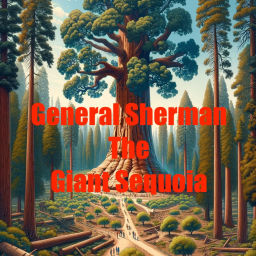
Podcast thumbnail for General Sherman The Giant Sequoia

General Sherman The Giant Sequoia

Claim This Podcast

by Inception Point AI

5.0(1 reviews)
1 episodes
Updated Weekly
Accepts GuestsHas SponsorsLocation 🇺🇸

Podcast Overview

General Sherman: The Giant Sequoia of Sequoia National Park The General Sherman tree, located in Sequoia National Park, California, is not just any tree; it is the largest living single-stem tree on Earth by volume. This giant sequoia (Sequoiadendron giganteum) is a living testament to nature's grandeur and resilience, standing tall for over two millennia. Named after the American Civil War General William Tecumseh Sherman, this tree has witnessed significant historical and environmental changes. This biography delves into the history, significance, current state, and future threats to this natural wonder. The General Sherman tree is estimated to be around 2,200 to 2,700 years old. This incredible age means it started growing during the late Bronze Age, around the time when the Iron Age began in various parts of the world. Throughout its long life, the General Sherman tree has survived numerous natural events, including fires, storms, and possibly even seismic activities, which are common in California. The tree was named in 1879 by naturalist James Wolverton, who had served as a lieutenant under General Sherman during the American Civil War. Wolverton was struck by the tree's massive size and chose to honor his former commander with the name. The name General Sherman has stuck ever since, symbolizing strength and resilience. Standing at a majestic 275 feet (83.8 meters) tall, General Sherman is not the tallest tree in the world—that title belongs to the coastal redwood (Sequoia sempervirens) known as Hyperion. However, when it comes to sheer volume, General Sherman reigns supreme. It boasts a volume of approximately 52,500 cubic feet (1,487 cubic meters), making it the largest single-stem tree on the planet by volume. The tree's diameter at the base is an impressive 36.5 feet (11.1 meters), and even 60 feet up, it maintains a girth of over 17.5 feet (5.3 meters). These measurements contribute to its colossal volume. The bark of the General Sherman tree is up to 31 inches (80 cm) thick, providing protection against fire, pests, and diseases. Giant sequoias like General Sherman are critical to their ecosystem. They provide habitat and food for various wildlife species. Their canopies host numerous birds, insects, and other animals, while their fallen needles enrich the soil. The trees themselves play a crucial role in carbon sequestration, capturing significant amounts of carbon dioxide from the atmosphere and helping mitigate climate change. The survival of giant sequoias is intricately linked to fire. Their thick bark and high branches make mature sequoias highly fire-resistant. Fire helps by clearing the underbrush, which allows sequoia seeds to reach the soil and receive the sunlight they need to grow. The cones of the giant sequoia often open in response to the heat from fires, releasing seeds and promoting new growth. Since its discovery by European settlers, the General Sherman tree has been a significant tourist attraction. S This content was created in partnership and with the help of Artificial Intelligence AI.

Language

🇺🇲

Publishing Since

5/30/2024

2 verified contact emails on file for General Sherman The Giant Sequoia

Pitch yourself as a guest, propose sponsorships, or reach out directly to the host.

Recent Episodes

Episode thumbnail for General Sherman The Giant Sequoia

May 30, 2024

General Sherman The Giant Sequoia

General Sherman: The Giant Sequoia of Sequoia National Park <br /><br />The General Sherman tree, located in Sequoia National Park, California, is not just any tree; it is the largest living single-stem tree on Earth by volume. This giant sequoia (Sequoiadendron giganteum) is a living testament to nature's grandeur and resilience, standing tall for over two millennia. Named after the American Civil War General William Tecumseh Sherman, this tree has witnessed significant historical and environmental changes. This biography delves into the history, significance, current state, and future threats to this natural wonder. <br /><br />The General Sherman tree is estimated to be around 2,200 to 2,700 years old. This incredible age means it started growing during the late Bronze Age, around the time when the Iron Age began in various parts of the world. Throughout its long life, the General Sherman tree has survived numerous natural events, including fires, storms, and possibly even seismic activities, which are common in California. <br />The tree was named in 1879 by naturalist James Wolverton, who had served as a lieutenant under General Sherman during the American Civil War. Wolverton was struck by the tree's massive size and chose to honor his former commander with the name. The name General Sherman has stuck ever since, symbolizing strength and resilience. <br /><br />Standing at a majestic 275 feet (83.8 meters) tall, General Sherman is not the tallest tree in the world—that title belongs to the coastal redwood (Sequoia sempervirens) known as Hyperion. However, when it comes to sheer volume, General Sherman reigns supreme. It boasts a volume of approximately 52,500 cubic feet (1,487 cubic meters), making it the largest single-stem tree on the planet by volume. <br />The tree's diameter at the base is an impressive 36.5 feet (11.1 meters), and even 60 feet up, it maintains a girth of over 17.5 feet (5.3 meters). These measurements contribute to its colossal volume. The bark of the General Sherman tree is up to 31 inches (80 cm) thick, providing protection against fire, pests, and diseases. <br /><br /><br />Giant sequoias like General Sherman are critical to their ecosystem. They provide habitat and food for various wildlife species. Their canopies host numerous birds, insects, and other animals, while their fallen needles enrich the soil. The trees themselves play a crucial role in carbon sequestration, capturing significant amounts of carbon dioxide from the atmosphere and helping mitigate climate change. <br />The survival of giant sequoias is intricately linked to fire. Their thick bark and high branches make mature sequoias highly fire-resistant. Fire helps by clearing the underbrush, which allows sequoia seeds to reach the soil and receive the sunlight they need to grow. The cones of the giant sequoia often open in response to the heat from fires, releasing seeds and promoting new growth. <br /><br />Since its discovery by European settlers, the General Sherman tree has been a significant tourist attraction. Sequoia National Park, established in 1890, was one of the earliest national parks in the United States, created to protect these magnificent trees. The park attracts millions of visitors each year, many of whom come specifically to see General Sherman. <br />Over the years, conservation efforts have been crucial in protecting this natural monument. Measures have been taken to prevent soil compaction around the tree's base, caused by the heavy foot traffic of visitors. Fences and designated pathways help keep the tree's roots safe from damage. <br /><br /><br />Despite its grandeur and resilience, General Sherman faces numerous threats. Climate change poses a significant risk, with increasing temperatures and changing precipitation patterns potentially affecting the health of giant sequoias. Droughts can weaken these trees, making them more susceptible to diseases and pests. <br />Fire, while a natural part of the sequoia ecosystem, has become more dangerous due to human activities and climate change. The frequency and intensity of wildfires in California have increased, posing a direct threat to the trees. In 2020, the Castle Fire, part of the larger SQF Complex Fire, destroyed a significant portion of the giant sequoia population in the region, raising concerns about the future of these ancient trees. <br />In response to these threats, park officials and conservationists have implemented various measures to protect General Sherman and other sequoias. Controlled burns, also known as prescribed fires, are used to reduce the fuel load in forests and decrease the likelihood of catastrophic wildfires. These controlled burns mimic the natural fire cycles that giant sequoias depend on for regeneration. <br /><br />As of the latest reports, General Sherman remains in good health, despite the looming threats. In September 2021, the KNP Complex Fire threatened Sequoia National Park, leading to proactive measures to protect the General Sherman tree. Firefighters wrapped the base of the tree in fire-resistant aluminum blankets and cleared vegetation around it to prevent the fire from reaching the tree. <br />These efforts were successful, and the tree emerged unscathed from the incident. However, the increasing frequency of such threats highlights the urgent need for continued vigilance and effective conservation strategies. <br /><br />General Sherman is not just a natural wonder but also an educational and cultural icon. It has been featured in numerous documentaries, books, and educational programs, inspiring awe and appreciation for nature. The tree serves as a living classroom, teaching visitors about the importance of conservation, the role of fire in ecosystems, and the impacts of climate change. <br />Sequoia National Park offers various educational programs and guided tours, helping visitors understand the significance of giant sequoias and the efforts required to protect them. These programs aim to foster a sense of stewardship and encourage individuals to participate in conservation efforts. <br /><br />The future of General Sherman and other giant sequoias depends on the actions taken today. Conservationists, scientists, and park officials are working tirelessly to ensure these trees continue to thrive for generations to come. Research into the impacts of climate change on giant sequoias is ongoing, providing valuable insights into how best to protect these ancient giants. <br />Efforts to mitigate the effects of climate change, such as reducing greenhouse gas emissions and promoting sustainable land management practices, are essential for the long-term survival of giant sequoias. Additionally, public awareness and support for conservation initiatives play a crucial role in securing the future of these iconic trees. <br />The General Sherman tree stands as a symbol of nature's resilience and grandeur. Its towering presence and ancient history remind us of the beauty and complexity of the natural world. As we face the challenges of climate change and environmental degradation, the story of General Sherman inspires us to take action to protect our planet's most precious resources. <br />Through continued conservation efforts, public education, and a commitment to sustainability, we can ensure that the General Sherman tree and other natural wonders continue to thrive for millennia to come. This majestic giant, rooted deeply in the past, stands tall as a beacon of hope for the future. Thanks for listening remember to like and share wherever you get your podcasts.

1 total episodes available

Deep-dive analytics for General Sherman The Giant Sequoia

Frequently asked questions

Have a different question and can't find the answer you're looking for? Reach out to our support team by sending us an email and we'll get back to you as soon as we can.

What is General Sherman The Giant Sequoia?

General Sherman: The Giant Sequoia of Sequoia National Park

The General Sherman tree, located in Sequoia National Park, California, is not just any tree; it is the largest living single-stem tree on Earth by volume. This giant sequoia (Sequoiadendron giganteum) is a living testament to nature's grandeur and resilience, standing tall for over two millennia. Named after the American Civil War General William Tecumseh Sherman, this tree has witnessed significant historical and environmental changes. This biography delves into the history, significance, current state, and future threats to this natural wonder.

The General Sherman tree is estimated to be around 2,200 to 2,700 years old. This incredible age means it started growing during the late Bronze Age, around the time when the Iron Age began in various parts of the world. Throughout its long life, the General Sherman tree has survived numerous natural events, including fires, storms, and possibly even seismic activities, which are common in California. The tree was named in 1879 by naturalist James Wolverton, who had served as a lieutenant under General Sherman during the American Civil War. Wolverton was struck by the tree's massive size and chose to honor his former commander with the name. The name General Sherman has stuck ever since, symbolizing strength and resilience.

Standing at a majestic 275 feet (83.8 meters) tall, General Sherman is not the tallest tree in the world—that title belongs to the coastal redwood (Sequoia sempervirens) known as Hyperion. However, when it comes to sheer volume, General Sherman reigns supreme. It boasts a volume of approximately 52,500 cubic feet (1,487 cubic meters), making it the largest single-stem tree on the planet by volume. The tree's diameter at the base is an impressive 36.5 feet (11.1 meters), and even 60 feet up, it maintains a girth of over 17.5 feet (5.3 meters). These measurements contribute to its colossal volume. The bark of the General Sherman tree is up to 31 inches (80 cm) thick, providing protection against fire, pests, and diseases.

Giant sequoias like General Sherman are critical to their ecosystem. They provide habitat and food for various wildlife species. Their canopies host numerous birds, insects, and other animals, while their fallen needles enrich the soil. The trees themselves play a crucial role in carbon sequestration, capturing significant amounts of carbon dioxide from the atmosphere and helping mitigate climate change. The survival of giant sequoias is intricately linked to fire. Their thick bark and high branches make mature sequoias highly fire-resistant. Fire helps by clearing the underbrush, which allows sequoia seeds to reach the soil and receive the sunlight they need to grow. The cones of the giant sequoia often open in response to the heat from fires, releasing seeds and promoting new growth.

Since its discovery by European settlers, the General Sherman tree has been a significant tourist attraction. S

This content was created in partnership and with the help of Artificial Intelligence AI.

How often does this podcast release new episodes?

This podcast updates weekly.

Where can I listen to this podcast?

This podcast is available on 8 platforms including Apple Podcasts, Spotify, and more. You can also use the RSS feed directly.

Does this podcast accept guests?

Yes, this podcast regularly features guests.

Legal Disclaimer

Pod Engine is not affiliated with, endorsed by, or officially connected with any of the podcasts displayed on this platform. We operate independently as a podcast discovery and analytics service.

All podcast artwork, thumbnails, and content displayed on this page are the property of their respective owners and are protected by applicable copyright laws. This includes, but is not limited to, podcast cover art, episode artwork, show descriptions, episode titles, transcripts, audio snippets, and any other content originating from the podcast creators or their licensors.

We display this content under fair use principles and/or implied license for the purpose of podcast discovery, information, and commentary. We make no claim of ownership over any podcast content, artwork, or related materials shown on this platform. All trademarks, service marks, and trade names are the property of their respective owners.

While we strive to ensure all content usage is properly authorized, if you are a rights holder and believe your content is being used inappropriately or without proper authorization, please contact us immediately at hey@podengine.ai for prompt review and appropriate action, which may include content removal or proper attribution.

By accessing and using this platform, you acknowledge and agree to respect all applicable copyright laws and intellectual property rights of content owners. Any unauthorized reproduction, distribution, or commercial use of the content displayed on this platform is strictly prohibited.