
Building inner capacity for outer change Conversations on meditation, movement, and contemplative practices for navigating complexity, uncertainty, and change. <br/><br/><a href="https://thegroundworkcollective.substack.com?utm_medium=podcast">thegroundworkcollective.substack.com</a>
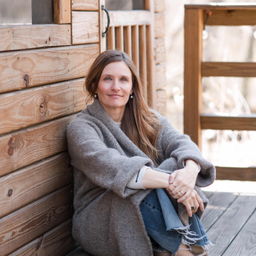
Groundwork Collective
Claim This Podcastby Building inner capacity for outer change - Meditation, movement, and contemplative practices for navigating complexity, uncertainty, and change.
7 episodes
Updated Daily
Accepts GuestsHas SponsorsLocation 🇺🇸
Podcast Overview
Building inner capacity for outer change Conversations on meditation, movement, and contemplative practices for navigating complexity, uncertainty, and change. <br/><br/><a href="https://thegroundworkcollective.substack.com?utm_medium=podcast">thegroundworkcollective.substack.com</a>
Language
🇺🇲
Publishing Since
4/15/2025
1 verified contact email on file for Groundwork Collective
Pitch yourself as a guest, propose sponsorships, or reach out directly to the host.
Recent Episodes
March 17, 2026
Movement That Builds Capacity, Not Burnout: Why Your Workout Might Be Making Things Worse
<p><strong>The Groundwork Collective helps people lead and live with clarity in complex times.</strong></p><p>Drawing on more than two decades working in peacebuilding and humanitarian systems — alongside a long-standing Tibetan Buddhist meditation and teaching practice — I share field-tested tools for staying grounded when things feel chaotic, thinking clearly when the stakes are high, and sustaining meaningful work over the long term.</p><p>Our work centers on four integrated practices: <strong>meditation, movement, creativity, and community.</strong></p><p>Not as self-care.<strong>As infrastructure.</strong></p><p>The weekly teachings shared here are free. Deeper practice happens inside the <a target="_blank" href="https://thegroundworkcollective.org/">Groundwork Collective community.</a></p><p>If you’re ready to build the foundation that will carry you through what’s ahead, <a target="_blank" href="https://waitlist.thegroundworkcollective.org/">join the waitlist</a> for upcoming programs or <a target="_blank" href="https://thegroundworkcollective.org/work-with-me">schedule a conversation</a> with me directly.</p><p>Thank you for being here.</p><p>Movement and connection to our body is a fundamental part of our contemplative journey. But for years, I treated my body and something to be controlled, optimized and constantly improved. </p><p>5am runs when my body was begging for rest. HIIT classes when my nervous system was already maxed. “Discipline” that was actually depletion.</p><p>I thought I was building strength. I was actually borrowing against capacity I didn’t have.</p><p>And I kept burning out. Every three months like clockwork.</p><p>Here’s what finally shifted when I started listening:</p><p>The Fitness Industry Teaches Us to Override Our Bodies’ Wisdom</p><p>Let’s be honest about what the fitness industry sells us:</p><p>Push through exhaustion. No pain, no gain. Track every metric. Optimize your body. Earn your rest through suffering.</p><p>And underneath all of it: <strong>Your body is a project that needs fixing.</strong></p><p>This approach works... if your only goal is short-term performance.</p><p>But if you’re trying to sustain meaningful work over decades? If you’re navigating the complexity of actual life while trying to show up for what matters?</p><p><strong>This approach breaks you.</strong></p><p>Because it treats movement as one more place to perform. One more thing to optimize. One more metric to track.</p><p>And when you’re already running on empty—when your nervous system is maxed from work, caregiving, navigating a chaotic world—adding more activation doesn’t build you up.</p><p>It depletes you further.</p><p>The Difference Between Movement That Depletes and Movement That Builds</p><p>Here’s what took me way too long to understand:</p><p><strong>Exercise is not the same thing as embodied movement practice.</strong></p><p>Exercise often:</p><p>* Activates your already-stressed nervous system</p><p>* Treats your body as a problem to optimize</p><p>* Requires performance and metrics</p><p>* Adds stress on top of stress</p><p>* Disconnects you further from your body’s signals</p><p>Embodied movement practice:</p><p>* Regulates your nervous system</p><p>* Treats your body as the ground you stand on</p><p>* Requires presence, not performance</p><p>* Builds capacity you can sustain</p><p>* Reconnects you with embodied wisdom</p><p><strong>The difference matters. A lot.</strong></p><p><p>If you’re enjoying this reflection, you can subscribe to receive new essays each week exploring leadership, resilience, and grounded living.</p></p><p>What Changed When I Started Listening</p><p>I stopped asking “what’s on my workout plan?”</p><p>And started asking: <strong>“What does my nervous system actually need right now?”</strong></p><p>Some days, my body needs to move fast. To run in the woods, lift weights and push hard. </p><p>But some days, it needs to move slow. To walk without destination. To stretch. To regulate down.</p><p><strong>And I stopped judging which one was “better.”</strong></p><p>Here’s what shifted:</p><p><strong>I stopped burning out every three months.</strong>When movement met my body where it actually was—instead of where my plan said it should be—I could sustain my work.</p><p><strong>I had more energy.</strong>Not from doing more. From doing what my body needed.</p><p><strong>Clarity and insight arrived during movement.</strong>When I was present with my body instead of pushing through, wisdom emerged. Ideas came. Problems solved themselves.</p><p><strong>Movement became sustainable.</strong>Not impressive. Not Instagram-worthy. But it held me. Daily. Through chaos.</p><p>The Five Principles of Movement That Builds Capacity</p><p><strong>1. Listen to Your Body’s Actual State</strong></p><p>Before you move, check in:</p><p>Am I activated? (Heart racing, mind spinning, restless, anxious)Or shut down? (Numb, disconnected, lethargic, collapsed)</p><p><strong>If you’re activated</strong>, your nervous system needs to calm down:</p><p>* Slow walking</p><p>* Gentle stretching</p><p>* Flowing, grounded movement</p><p>* NOT: HIIT class, intense run, more activation</p><p><strong>If you’re shut down</strong>, your nervous system needs to wake up:</p><p>* Dancing</p><p>* Faster walking</p><p>* Movement with energy</p><p>* NOT: More rest, more stillness, staying stuck</p><p><strong>Movement should meet you where you are.</strong></p><p>Not override your body’s signals because “it’s on the plan.”</p><p><strong>2. No Destination Required</strong></p><p>Walk without tracking your steps.Dance without learning choreography.Move without measuring performance.</p><p>You’re not trying to get anywhere.</p><p>You’re arriving here. In your body. In this moment.</p><p><strong>The point isn’t the destination. It’s the presence.</strong></p><p>Every morning, I walk or run in the woods. No tracker. No podcast. No goal.</p><p>Just movement. Just attention. Just being in my body.</p><p>And this is where everything important arrives. Ideas. Clarity. Knowing what needs to happen next.</p><p>Not because I’m trying to figure it out. Because I’m present enough to hear what my body already knows.</p><p><strong>3. Let It Be Boring</strong></p><p>This might be the hardest one.</p><p>Because we’ve been sold the idea that movement should be exciting. Varied. Impressive. Something you post about.</p><p>But sustainable movement practice?</p><p><strong>It’s boring.</strong></p><p>The same woods trail every morning.Dancing in your living room where no one sees you.Stretching on your floor.</p><p>No impressive variety. No performance. Just practice.</p><p><strong>Boring is powerful.</strong></p><p>Because boring is sustainable. Boring doesn’t require motivation. Boring holds you when everything else is chaotic.</p><p>I gave up trying to make movement interesting years ago.</p><p>Now I just show up to the same practice. Every day. Whether I feel like it or not.</p><p>And it works precisely because it’s boring enough to last.</p><p><strong>4. Movement as Meditation</strong></p><p>When you’re fully present with the sensation of your body moving—</p><p>Feeling your feet touch the ground.Attending to your breath.Noticing how your body moves through space.</p><p><strong>Movement becomes meditation.</strong></p><p>Not just exercise. Not just stress relief.</p><p>A practice that trains your capacity to be present with whatever’s here.</p><p>This is where wisdom lives.</p><p>In your body. In sensation. In the present moment your thinking mind keeps missing.</p><p>And when you access this through movement, something shifts.</p><p>You’re not just working out. You’re building the capacity to stay grounded when everything around you isn’t.</p><p><strong>5. Move With Others When Possible</strong></p><p>We are wired for co-regulation.</p><p>Your nervous system doesn’t just regulate on its own. It regulates in relationship with other nervous systems.</p><p>Dancing with others. Walking with friends. Moving in sync.</p><p>This isn’t just nice. This is biological.</p><p><strong>Our systems sync. Our breath synchronizes. Our capacity expands.</strong></p><p>Some of my most grounding movement experiences have been:</p><p>Dancing with friends in living rooms. Not performing. Not trying to look good. Just moving together.</p><p>Walking with someone whose presence helps me regulate. Whose pace matches mine. Whose nervous system reminds mine it’s safe.</p><p>This is ancient. This is how humans have always moved. Together.</p><p>And it’s healing in ways solo fitness culture never touches.</p><p>What Movement Practice Actually Builds</p><p>When you approach movement this way—as regulation, not optimization—here’s what becomes possible:</p><p><strong>You build nervous system capacity.</strong>The ability to meet challenge without collapsing. To stay present with difficulty. To recover faster from stress.</p><p><strong>You access embodied wisdom.</strong>The knowing that lives in your body, not your thinking mind. Insight. Clarity. Decisions that feel right at a level deeper than logic.</p><p><strong>You create sustainable infrastructure.</strong>Not motivation-dependent practice. Not willpower-fueled discipline. Just daily groundwork that holds you through chaos.</p><p><strong>You reconnect with your body as home.</strong>Not a project to fix. Not a performance to optimize. The actual ground you stand on.</p><p>Where to Start</p><p>If you’re reading this and realizing you’ve been treating movement as one more thing to optimize—</p><p>If your workouts leave you more depleted than when you started—</p><p>If you’ve lost touch with what your body actually needs—</p><p><strong>Start here:</strong></p><p><strong>This week, before you move, ask:</strong>“What does my nervous system need right now?”</p><p>Not “what’s on my plan?”Not “what should I do?”</p><p>What does my body need?</p><p>Then listen. And move accordingly.</p><p>Maybe that’s a walk. Maybe it’s dancing in your living room. Maybe it’s just stretching on the floor.</p><p><strong>Let it be simple. Let it be boring. Let it be what your body needs.</strong></p><p>Because movement that builds capacity doesn’t look impressive.</p><p>It looks like showing up. Daily. To what your body asks for.</p><p>Not optimizing. Listening.Not performing. Regulating.Not impressive. Sustainable.</p><p>This is groundwork.</p><p>Going Deeper</p><p>These practices—meditation, movement, community, creativity—work together to build foundational capacity.</p><p>Not just managing symptoms. Building the infrastructure that makes sustained contribution possible.</p><p>If you’re ready to go deeper:</p><p><strong>→ </strong><a target="_blank" href="https://waitlist.thegroundworkcollective.org"><strong>Join the waitlist for The Groundwork Foundations Course</strong></a>Essential practices through our Groundwork Foundations Course launching soon. Four weeks. Four integrated practices. Real support.</p><p><strong>→ </strong><a target="_blank" href="https://groundworkcollective.kit.com/df347575b9"><strong>Take the Energy Audit</strong></a>Free tool that shows you where your current movement patterns are serving or depleting you.</p> <br/><br/>This is a public episode. If you would like to discuss this with other subscribers or get access to bonus episodes, visit <a href="https://thegroundworkcollective.substack.com?utm_medium=podcast&utm_campaign=CTA_1">thegroundworkcollective.substack.com</a>
February 24, 2026
Why your morning routine keeps collapsing
<p>February has felt lighter than January, hasn’t it?</p><p>We’ve had some cracks in the arctic tundra here, and I can feel myself getting ready for some type of spring reawakening—that urge to clean out and clean up and start to make change in a different way than we try to do in the new year.</p><p>Today is also the Lunar New Year—Year of the Snake. A colleague told me that if you’re a Horse (which I am), this is supposed to be a powerful year. Strong energy. And I found myself wondering: what does it actually mean to work with energy instead of trying to control it?</p><p>Because I want to talk about habits today. Or maybe not even habits so much as the patterns that shape our reality.</p><p>In Buddhism, habits aren’t just behaviors you stack into your morning routine. They’re called bakchak—imprints. Every action you take leaves a trace on your mind, makes it easier to take that action again, harder to do something different. Over time, these imprints become grooves. The grooves become roads. The roads become your reality.</p><p>Your habits aren’t just what you do. They’re what you become. They shape what you see, what you notice, what feels possible.</p><p>After 22 years of practice, I can tell you: this isn’t metaphorical. It’s visceral. You really do create your reality through the patterns you repeat.</p><p>The Tuesday problem</p><p>Which is why so many of us try to control our energy and environments through routines and perfect schedules and productivity systems that let us crank more.</p><p>And they work. For a while. We feel organized. Efficient. Like we’ve finally figured it out.</p><p>Then life gets chaotic. A kid gets sick. Work explodes. Something unexpected happens.</p><p>And we realize how much energy it actually takes to hold those routines together.</p><p>The whole thing collapses.</p><p>I know you’ve been there. I’ve been there.</p><p>You read the book. You follow the influencer. You set up the perfect morning: Wake at 5am. Meditation. Journaling. Green smoothie. Workout. Cold shower. Perfectly curated playlist.</p><p>And for a week, maybe two, it feels amazing. You’re doing it. You’re that person. You’ve cracked the code.</p><p>Then Tuesday happens.</p><p>You didn’t sleep well. Your kid had a nightmare. Your partner is traveling. You have an early meeting. The dog threw up.</p><p>And suddenly the routine is impossible.</p><p>So what do you do? You skip it. Just for today. You’ll get back to it tomorrow.</p><p>But tomorrow is also chaos. And the day after that.</p><p>And before you know it, the routine is gone. And you feel like you failed.</p><p>But here’s the truth: you didn’t fail. The routine failed you.</p><p>Systems vs. ecosystems</p><p>Because routines are optimized for ideal conditions. They’re built on the assumption that life is predictable. That you have control over your schedule. That nothing unexpected will happen.</p><p>But that’s not real life.</p><p>Real life is messy. Unpredictable. Full of interruptions and emergencies and things you didn’t plan for.</p><p>And if your entire system collapses the moment conditions aren’t perfect, that’s not sustainability. That’s fragility.</p><p>This is where wellness culture has it completely wrong. It’s selling you optimization. More efficient. More perfect. More controlled.</p><p>But what you actually need is resilience.</p><p>And resilience doesn’t come from perfect routines. It comes from integrated ecosystems.</p><p>You were trying to optimize a system. But what you actually need is an ecosystem. One that holds you up when you need help, not one that cracks under pressure.</p><p>Systems are fragile. They require perfect conditions. They fall apart under stress.</p><p>Ecosystems are resilient. They adapt. They hold you when everything else is chaos.</p><p>What an ecosystem actually is</p><p>In nature, an ecosystem is a community of living things working together in a specific environment. It’s not one perfect element. It’s multiple elements supporting each other.</p><p>If one part struggles, the others hold it. If conditions change, the system adapts.</p><p>That’s what you need.</p><p>Not one perfect morning routine. But multiple practices working together to hold you through whatever life brings.</p><p>Your essential ecosystem is the specific combination of practices that keep you sustainable. Not someday when life calms down. Right now, in the chaos.</p><p>At The Groundwork Collective, we work with four integrated elements:</p><p><strong>Meditation.</strong> Building mental capacity to be present with difficulty.</p><p><strong>Movement.</strong> Reconnecting with embodied wisdom.</p><p><strong>Community.</strong> Sustaining through authentic connection.</p><p><strong>Creativity.</strong> Accessing insight beyond analytical thinking.</p><p>These aren’t separate practices you add to an already-full schedule. They’re an integrated framework that becomes how you live.</p><p>And here’s what makes it an ecosystem instead of a routine:</p><p><strong>Flexibility.</strong> If you can’t do one element today, the others still hold you.</p><p><strong>Adaptation.</strong> The practices adjust to meet you where you actually are, not where you think you should be.</p><p><strong>Integration.</strong> They work together. Each one supports and strengthens the others.</p><p><strong>Sustainability.</strong> They build capacity over time, rather than depleting you in the short term.</p><p>This is infrastructure, not inspiration.</p><p>Why meditation alone isn’t enough</p><p>I teach meditation. I’ve practiced for 22 years. And I’m telling you: meditation alone isn’t enough.</p><p>Because you can have a solid meditation practice and still be completely disconnected from your body. You can meditate every day and still be isolated, trying to build capacity alone. You can sit for hours and never access the creative wisdom that lives beyond your analytical mind.</p><p>I learned this the hard way.</p><p>For years, I focused almost exclusively on meditation. And it gave me a lot—mental clarity, presence, the ability to work with my mind.</p><p>But I was living entirely in my head.</p><p>I didn’t know how to listen to my body. I pushed through exhaustion because my mind said I should. I mistook mental discipline for real capacity.</p><p>And I was lonely.</p><p>I was doing all this inner work in isolation, thinking that was the path. That I just needed to sit more, practice harder, figure it out myself.</p><p>But humans aren’t wired that way. We’re wired for connection. We build capacity in relationship. We hold each other through difficulty.</p><p>And there was a whole dimension of wisdom I wasn’t accessing because I’d abandoned my creative practice. The part of me that knew things my thinking mind couldn’t reach. The part that needed to make things, to play, to engage with beauty and mystery.</p><p>When I finally started building an actual ecosystem, everything changed.</p><p>Not overnight. Not dramatically.</p><p>But I became more sustainable. More resilient. More capable of actually showing up for the work that mattered to me.</p><p>Because I wasn’t trying to do it all with one practice. I had multiple supports working together.</p><p>How the four elements work together</p><p><strong>Meditation</strong> builds your capacity to be present with difficulty. To work skillfully with your mind when stakes are high. But meditation can keep you in your head if it’s not balanced with movement.</p><p><strong>Movement</strong> reconnects you with your body. With embodied wisdom. With the ground beneath all your strategies. But movement alone can become just another way to push and perform if it’s not held by community.</p><p><strong>Community</strong> reminds you that you’re not alone. That you can’t sustain this work in isolation. That humans are wired to hold difficulty together. But community can become an echo chamber if it’s not opened by creativity.</p><p><strong>Creativity</strong> accesses insight your analytical mind can’t reach. It connects you to something larger. It opens doorways to wisdom you forgot you had. But creativity can become self-indulgent if it’s not grounded by meditation.</p><p>See how they work together? Each one supports the others. Each one fills a gap the others leave open.</p><p>This is why you can’t just pick one. You need all four.</p><p>Not in perfect balance every day. But integrated over time.</p><p>Some days meditation carries you. Some days it’s movement. Some days you need community to hold you. Some days creativity opens something you couldn’t access any other way.</p><p>And on the really hard days? When everything’s falling apart and you can’t do your full practice?</p><p>You do five minutes of one element. And that’s enough.</p><p>Because it’s not about the perfect routine. It’s about staying connected to the ecosystem that holds you.</p><p>Building for decades, not months</p><p>Here’s what this is really about: sustainability.</p><p>Not for the next month. Not for the next launch. Not until things calm down.</p><p>For decades.</p><p>Because if you’re doing meaningful work in the world, if you’re building something that matters, if you’re showing up for people who need you—you can’t afford to burn out in year three.</p><p>The future needs people who can sustain their contribution over the long haul. Not people who sprint until they collapse. Not people who optimize until they break.</p><p>People who have built the infrastructure that holds them through whatever comes.</p><p>That’s what an ecosystem does. It doesn’t make you perfect. It doesn’t eliminate difficulty.</p><p>But it holds you. It adapts. It keeps you connected to what sustains you.</p><p>After 22 years of practice and 15 years of high-stakes work, here’s what I know: the most sustainable people aren’t the ones with the perfect routines. They’re the ones who’ve built ecosystems that can hold them when everything else is chaos.</p><p>Meditation. Movement. Community. Creativity.</p><p>Not as separate techniques. As an integrated system. Not as a routine to follow. As infrastructure to build your life on.</p><p>~ Thanks for reading :) If you want to learn more about <a target="_blank" href="https://groundworkcollective.kit.com/profile">The Groundwork Collective</a>, you can get download my <a target="_blank" href="https://groundworkcollective.kit.com/61849f8d9f">Five Ways to Reclaim Your Time</a> or <a target="_blank" href="https://groundworkcollective.kit.com/c6ca055fc7">sign up</a> to know when I launch my courses later this year. You can also follow my <a target="_blank" href="https://www.instagram.com/__groundworkcollective__/">Instagram </a>and sign up for my <a target="_blank" href="https://groundworkcollective.kit.com/profile">personal newsletter here</a>. ~</p> <br/><br/>This is a public episode. If you would like to discuss this with other subscribers or get access to bonus episodes, visit <a href="https://thegroundworkcollective.substack.com?utm_medium=podcast&utm_campaign=CTA_1">thegroundworkcollective.substack.com</a>
February 9, 2026
Calm Is Not the Goal: What Meditation Actually Builds
<p>Calm is not the goal.</p><p>I know. I teach meditation. I’ve practiced for 22 years. And I’m telling you that if your goal is to feel constant calm, you’re setting yourself up for failure.</p><p>Here’s why: <strong>Calm is a state. States come and go.</strong> You can’t control them. You definitely can’t hold on to them forever.</p><p>But capacity? Capacity is a skill.</p><p>And there’s a massive difference between building the capacity to be present under pressure and chasing the feeling of being relaxed. One keeps you dependent on conditions being just right. The other changes how you live.</p><p>The Calm Trap</p><p>Let’s start here: What is calm, actually?</p><p>Calm is a temporary state where your nervous system has downregulated. Your heart rate is slower. Your breath is deeper. You feel relaxed, peaceful, like everything’s okay.</p><p>And look, I’m not against calm. Calm is lovely. When it shows up, great.</p><p><strong>But here’s the problem with making calm your goal: It’s completely unreliable.</strong></p><p>You cannot control whether you feel calm. You can’t force it. You can’t maintain it when life gets hard. And if calm is your metric for whether your practice is working, you’re going to think you’re failing most of the time.</p><p>I see this constantly. Someone starts meditating because they want to feel calmer. And for a little while, maybe it works. They have a few peaceful sessions. They feel like they’re getting somewhere.</p><p>Then life gets chaotic. Work explodes. A family crisis hits. The world feels like it’s coming apart.</p><p>They sit down to meditate and... nothing. No calm. Just noise. Anxiety. Racing thoughts.</p><p>And they think: “This isn’t working anymore. I’m doing it wrong. Maybe I’m just not good at meditation.”</p><p>But that’s not what’s happening. What’s happening is they’ve been measuring the wrong thing.</p><p><strong>Because calm is not what meditation builds. Presence is what meditation builds.</strong></p><p>And presence doesn’t require calm.</p><p>Presence is the capacity to be with what’s actually here, whether it’s calm or chaotic, comfortable or difficult, pleasant or painful.</p><p>Calm says: “I can be here when everything feels good.”</p><p>Presence says: “I can be here no matter what.”</p><p>And if you’re doing work that matters in the world, if you’re leading through complexity, if you’re showing up for people who need you, if you’re navigating uncertainty and difficulty—you don’t need calm. You need capacity.</p><p>Regulation vs. Avoidance</p><p>Before we go further, I need to make an important distinction. Because there’s a difference between nervous system regulation and avoiding discomfort. And wellness culture has completely confused the two.</p><p>Nervous system regulation is real. It’s necessary. When your system is genuinely dysregulated, when you’re in threat response, when your body thinks there’s a tiger in the room, you need to downregulate. That’s not optional. That’s biological reality.</p><p>But here’s what I’m seeing: <strong>We’ve pathologized all discomfort.</strong></p><p>Any time you feel stress, anxiety, restlessness, discomfort—the message from wellness culture is: That’s bad. That’s your body telling you to stop. You need to regulate. You need to find calm.</p><p>But sometimes discomfort is just growth. Sometimes stress is just challenge. Sometimes the hard thing is exactly what you need to build capacity.</p><p><strong>And if you treat every uncomfortable sensation as a sign that something’s wrong, you’re not building resilience. You’re building fragility.</strong></p><p>Our bodies have a natural threat response, but they also have a challenge response: your body mobilizing energy to meet a demand. If you’re in challenge mode, what you need isn’t regulation. What you need is to stay. To be present with the discomfort. To build the capacity to work with it.</p><p>This is what meditation actually trains. Not the ability to feel calm. The ability to be present when you don’t.</p><p>Presence Under Pressure</p><p>Let me tell you what this looks like in practice.</p><p>For over 15 years, I worked in high-stakes environments. Peace negotiations. Humanitarian crises. Situations where people’s lives literally depended on the decisions being made in the room.</p><p>And here’s what I learned: <strong>The people who could actually function in those environments weren’t the calmest people. They were the people with the most capacity.</strong></p><p>They could be present with overwhelming information without shutting down. They could hold multiple conflicting truths at once without collapsing into certainty. They could feel their own fear, their own doubt, their own exhaustion—and still show up and make the next right decision.</p><p>That’s not calm. That’s capacity.</p><p>And capacity is a skill you build through practice.</p><p>When you sit in meditation and your mind is noisy, when you’re restless, when you’d rather be anywhere else—that’s not failure. That’s the training.</p><p>Because you’re learning: “I can be with discomfort. I don’t have to fix it or escape it or make it go away. I can just be here.”</p><p>And that skill? That transfers to everything.</p><p>When a difficult conversation comes up at work, you don’t shut down. You’re present. When your kid is having a meltdown and you’re exhausted, you don’t check out. You’re present. When the world feels overwhelming and you want to collapse into doom-scrolling, you don’t escape. You’re present.</p><p>Not because you feel calm. Because you’ve built the capacity to be here anyway.</p><p><strong>This is what meditation is actually for. Not to make you feel better. To make you capable of more.</strong></p><p>What Sustained Practice Actually Builds</p><p>Now, here’s something important I need to clarify. Because I don’t want you to hear me saying that meditation doesn’t help with anxiety or that you’ll never feel calmer.</p><p>After 22 years of sustained practice, I can tell you this: You will experience more consistent calm.</p><p>A regular meditation practice does regulate your nervous system over time. Your baseline anxiety decreases. You return to center more quickly. You have more moments of genuine peace. That’s real. That happens.</p><p>But here’s what’s different:</p><p>You’re not calm because you’ve eliminated difficulty from your life. You’re not calm because nothing bothers you anymore. You’re not calm because you’ve transcended being human.</p><p><strong>You’re calmer because you’ve built the capacity to be with anxiety when it shows up.</strong> You’re calmer because you know how to work with discomfort instead of being hijacked by it. You’re calmer because you’ve developed the skill of presence that allows you to meet difficulty without collapsing.</p><p>I still experience anxiety. I still have moments of overwhelm. I still face situations that trigger my nervous system.</p><p>But here’s what’s changed: I don’t spiral. I don’t get lost in it. I don’t believe every anxious thought my mind generates.</p><p>I can feel anxiety and still make clear decisions. I can be uncomfortable and still show up for what matters. I can experience difficulty and know it’s not going to swallow me whole.</p><p>That’s not because I’ve achieved some permanent state of calm. It’s because I’ve built capacity.</p><p>Think of it like physical fitness. If you train consistently, you get stronger. Your baseline capacity increases. Things that used to exhaust you become manageable. But that doesn’t mean you never get tired. It doesn’t mean exercise stops being hard. It means you’ve built the strength to do hard things. And you recover faster when you do.</p><p>The same is true for meditation. Sustained practice builds your mental and emotional fitness. Your baseline improves. You’re more regulated, more grounded, more present.</p><p>But you’re still going to face difficulty. You’re still going to experience anxiety and discomfort and uncertainty.</p><p><strong>The difference is: You’ll know how to be with them. And that changes everything.</strong></p><p>What Leaders Actually Need</p><p>If you’re leading, if you’re building, if you’re doing work that matters, here’s what you actually need: tolerance for difficulty.</p><p>Not constant ease. Not feeling good all the time. Not calm as a permanent state.</p><p>You need the capacity to stay present when things are hard. When the decision isn’t clear. When the stakes are high. When people are counting on you and you don’t have all the answers.</p><p>This is what 22 years of meditation practice has given me. Not a life free from anxiety. Not freedom from difficulty. But the capacity to be with whatever shows up.</p><p>To sit in uncertainty without needing to resolve it immediately. To feel my own fear without letting it drive my decisions. To be present with other people’s pain without needing to fix it or escape it.</p><p>Am I calmer than I was 22 years ago? Absolutely. Do I still experience anxiety, stress, discomfort? Of course.</p><p>But I’m no longer afraid of those experiences. I know how to work with them.</p><p>And that’s capacity. That’s what changes everything.</p><p>So if you’ve been meditating to feel calmer and you keep thinking you’re failing because you’re not calm yet—stop measuring the wrong thing.</p><p>Yes, sustained practice will bring you more baseline calm over time. But what it’s really building is the capacity to be present with whatever arises.</p><p>Ask yourself: Can I be with this? Can I stay when I want to leave? Can I work with this mind, this body, this moment, exactly as it is?</p><p>Because that’s the skill. That’s what builds over time. <strong>That’s what allows you to sustain the work that matters to you over decades, not just months.</strong></p><p>The world doesn’t need more people who feel calm when conditions are perfect. The world needs people who can stay present when conditions aren’t.</p><p>People who can hold complexity without collapsing. Navigate uncertainty with groundedness. Lead through difficulty without shutting down.</p><p>That’s capacity. And you build it through practice. Not because it always feels good. Because it works.</p><p><strong>Ready to build your capacity for sustained, meaningful work?</strong> <a target="_blank" href="https://app.kit.com/forms/designers/8751662/edit">Join the waitlist for The Groundwork Intensive</a> where we’ll spend four weeks building the foundational practices that support decades of contribution, not just months of motivation.</p> <br/><br/>This is a public episode. If you would like to discuss this with other subscribers or get access to bonus episodes, visit <a href="https://thegroundworkcollective.substack.com?utm_medium=podcast&utm_campaign=CTA_1">thegroundworkcollective.substack.com</a>
7 total episodes available
Deep-dive analytics for Groundwork Collective
Frequently asked questions
Have a different question and can't find the answer you're looking for? Reach out to our support team by sending us an email and we'll get back to you as soon as we can.
- What is Groundwork Collective?
- How often does this podcast release new episodes?
This podcast updates daily.
- Where can I listen to this podcast?
This podcast is available on 4 platforms including Apple Podcasts, Spotify, and more. You can also use the RSS feed directly.
- Does this podcast accept guests?
No, this podcast does not typically feature guests.
Legal Disclaimer
Pod Engine is not affiliated with, endorsed by, or officially connected with any of the podcasts displayed on this platform. We operate independently as a podcast discovery and analytics service.
All podcast artwork, thumbnails, and content displayed on this page are the property of their respective owners and are protected by applicable copyright laws. This includes, but is not limited to, podcast cover art, episode artwork, show descriptions, episode titles, transcripts, audio snippets, and any other content originating from the podcast creators or their licensors.
We display this content under fair use principles and/or implied license for the purpose of podcast discovery, information, and commentary. We make no claim of ownership over any podcast content, artwork, or related materials shown on this platform. All trademarks, service marks, and trade names are the property of their respective owners.
While we strive to ensure all content usage is properly authorized, if you are a rights holder and believe your content is being used inappropriately or without proper authorization, please contact us immediately at hey@podengine.ai for prompt review and appropriate action, which may include content removal or proper attribution.
By accessing and using this platform, you acknowledge and agree to respect all applicable copyright laws and intellectual property rights of content owners. Any unauthorized reproduction, distribution, or commercial use of the content displayed on this platform is strictly prohibited.